For more information about senior living options: (866) 208-4318
4.4 from 44 reviews
5 stars
26
4 stars
11
3 stars
5
2 stars
1
1 stars
1
The Inn at Silver Lake Costs & Pricing
At The Inn at Silver Lake, the monthly costs for accommodations are competitively positioned relative to both Plymouth County and Massachusetts state averages. For a semi-private room, residents can expect to pay $5,130, slightly lower than the county average of $5,416 and significantly below the statewide figure of $5,805. Studio apartments are available at $6,215, which is marginally less than Plymouth County's rate of $6,307, but notably higher than the state's average of $5,312. Meanwhile, for a one-bedroom suite priced at $6,730, it exceeds both local and state benchmarks; Plymouth County averages around $5,394 while Massachusetts overall stands at approximately $5,349. Overall, The Inn offers appealing options for potential residents looking to balance comfort with cost in a supportive community setting.
Floor plans
The Inn at Silver Lake
Plymouth County
Massachusetts
Semi-Private
$5,130
$5,416
$5,805
Studio
$6,215
$6,307
$5,312
1 Bedroom
$6,730
$5,394
$5,349
Memory care communities with a similar price nearby
Residents and families frequently describe attentive, caring staff who stay responsive to concerns.
Many reviews highlight staff who are kind, helpful, and knowledgeable, including reports of regular check-ins and quick help when needed. A number of families also mention communication—being kept informed on progress or getting questions answered during visits. There are also a few concerns about communication and follow-through, including instances where families felt updates were missing or response time could be improved.
common18 reviews mention this
Dining earns consistent feedback
Meals are a major point of discussion, with many families saying the food is good.
Several residents and family members describe the meals as very good, with enough variety to look forward to and opportunities to eat with loved ones. Some reviews mention that the chef changed and that the quality later declined in at least one memory-care experience, so dining satisfaction is not uniform across settings. Overall, dining comes up often enough to be one of the community’s strongest everyday touchpoints.
common14 reviews mention this
Activities keep days full
Residents and families describe an active schedule with group activities and outings.
Reviews repeatedly point to busy calendars and ongoing social options, including classes, group gatherings, and entertainment. Multiple people mention activities designed to support day-to-day engagement, and some specifically call out programs like walking groups and creative or cooking-focused activities. Even with disagreements elsewhere, the community’s activity programming stands out as a commonly cited benefit.
differentiator12 reviews mention this
Care levels on one campus
Residents describe the convenience of having higher levels of care available on the campus.
Families choosing the community frequently cite the presence of different care options, including assisted living and memory care, plus an on-campus nursing home component if additional help is needed later. Several reviewers describe scenarios where care needs changed over time and highlight the value of not having to relocate. At the same time, a couple of reviews say staffing levels in memory care were not enough for one resident’s needs, which suggests the experience can vary by unit and acuity.
caveat7 reviews mention this
Short-staffing and finance concerns
Some reviews raise concerns about cost and staffing consistency.
While several people say the value is fair when considering meals and care, others call out the overall expense and suggest families should pay close attention to costs. A few reviews also describe periods of understaffing, including difficulty finding help and longer waits for assistance. There are also mentions of billing-related problems during a short-term situation, so cost experience can depend on the circumstances.
How we summarize
Counts show how many written reviews mention each theme; a review can touch several themes, and only frequently mentioned themes are displayed.
Features
Housing
1-bedroom apartments
2-bedroom apartments
Studio apartments
Types of Care
Assisted Living
Memory Care
Pets
Cats allowed
Dogs allowed
Amenities
Activities off-site
Activities on-site
Air-conditioning
Beautician on-site
Devotional services off-site
Full kitchen
Garden view
Ground floor units
Handicap accessible
Indoor common areas
Kitchenette
Outdoor common areas
Respite or short term stays offered
Wheelchair accessible showers
Wi-Fi/high-speed internet available
Care Services
Ambulatory care
High acuity care
Incontinence care
Medication management
Dining
Gluten-free
Guest meals
Kosher
Low / no sodium
Meals provided
No Sugar
Professional chef
Restaurant style dining
Room service
Vegetarian
Activities
Art classes
Bible study group
Cooking classes
Day trips and outings
Devotional activities on-site
Educational speakers / life long learning
Happy hour
Karaoke
Live dance or theater performances
Live musical performances
Live well programs
Wine tasting
Nearby Places of Interest
This part of Kingston, Massachusetts offers a range of amenities and services that cater to seniors. There are several cafes within a short driving distance for socializing or enjoying a cup of coffee. Additionally, there are various restaurants nearby providing convenient dining options. Pharmacies and medical facilities are easily accessible, ensuring that healthcare needs can be met promptly. The area also boasts several parks for leisurely walks and outdoor activities. Hospitals are located within a reasonable distance for any emergency medical care that may be needed. Lastly, transportation is convenient with the Plymouth Municipal Airport nearby for any travel requirements. Overall, this neighborhood provides a comfortable and well-equipped environment for senior living.
Cafes
Starbucks (2.9 miles)
Starbucks (5.6 miles)
Panera Bread (6.8 miles)
Slacktide Coffee Roaster (7 miles)
Plane Jane's Place (7.6 miles)
Water Street Cafe (7.7 miles)
Coffee Shack (8.8 miles)
Restaurants
McDonald's (3 miles)
Venus III (3.8 miles)
Cancun Family Mexican Restaurant (4.1 miles)
Pinz (4.8 miles)
Ocho Cafe (5.7 miles)
Chili's Grill & Bar (5.8 miles)
Wendy's (5.8 miles)
Pharmacies
CVS Pharmacy (3.1 miles)
CVS Pharmacy (5.5 miles)
CVS Pharmacy (6 miles)
CVS Pharmacy (6.2 miles)
Balboni's Drug Store (6.2 miles)
Health Mart Pharmacy (6.2 miles)
Animal Pharm (6.6 miles)
Physicians
South Shore Medical Center (3.1 miles)
Stephen Delia Plastic Surgery (3.5 miles)
Allergy & Asthma Assco-South (3.5 miles)
Jordan Family Health of Duxbury (3.7 miles)
Branca Oral Surgery & Dental Implant Center, PC (3.7 miles)
Impact Alloys (4 miles)
Fresenius Medical Care (5.8 miles)
Parks
Halifax Town Playground (3.8 miles)
Memorial Field (4.5 miles)
Off the Wall Kidz (5.6 miles)
Nelson Street Park (6.9 miles)
Plymouth Waterfront State Park (7.7 miles)
Brewster Gardens (7.7 miles)
East Bridgewater Common (8.7 miles)
Hospitals
Rehabilitation Hospital Of The Cape And Islands (6.1 miles)
Jordan Hospital (8.9 miles)
Beth Israel Deaconess Hospital Plymouth (8.9 miles)
At The Inn at Silver Lake, the monthly costs for accommodations are competitively positioned relative to both Plymouth County and Massachusetts state averages. For a semi-private room, residents can expect to pay $5,130, slightly lower than the county average of $5,416 and significantly below the statewide figure of $5,805. Studio apartments are available at $6,215, which is marginally less than Plymouth County's rate of $6,307, but notably higher than the state's average of $5,312. Meanwhile, for a one-bedroom suite priced at $6,730, it exceeds both local and state benchmarks; Plymouth County averages around $5,394 while Massachusetts overall stands at approximately $5,349. Overall, The Inn offers appealing options for potential residents looking to balance comfort with cost in a supportive community setting.
Medication management at The Inn at Silver Lake ensures that residents receive their prescribed medications accurately and on time, which is crucial for maintaining stability in cognitive function and overall health. Trained staff monitor medication regimens closely, minimizing the risk of errors and side effects while providing reminders and support to residents who may struggle with adherence due to memory impairments. Incontinence care is equally important, as it addresses a common challenge faced by individuals with dementia and Alzheimer's disease. By offering compassionate assistance with personal hygiene and bathroom needs, the staff not only promotes dignity but also helps prevent discomfort and potential health complications, thereby enhancing the quality of life for residents during this sensitive stage of their journey.
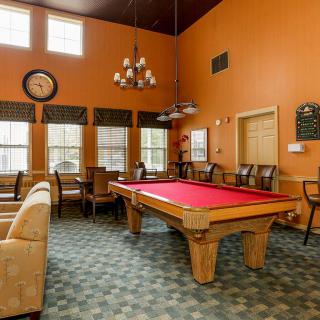
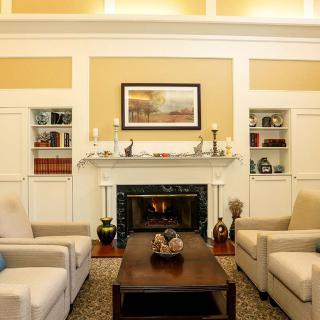
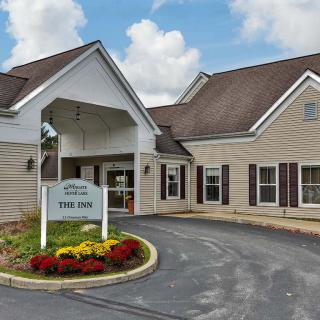
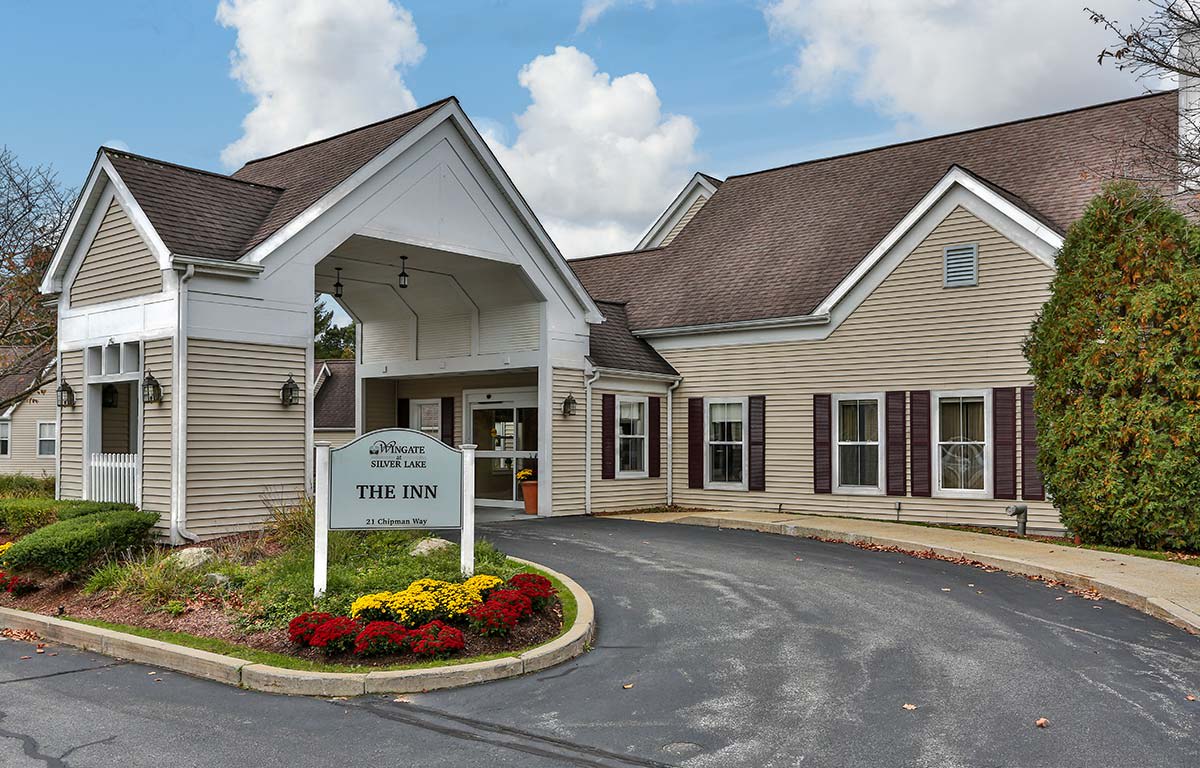
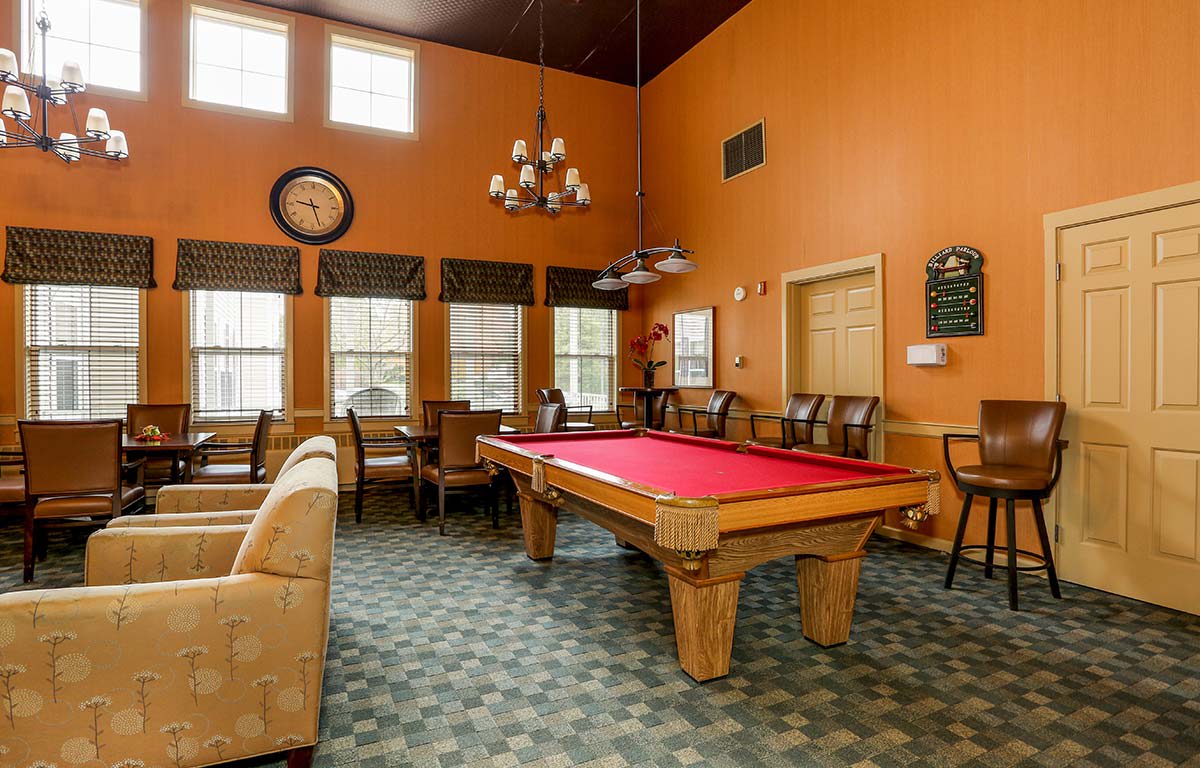
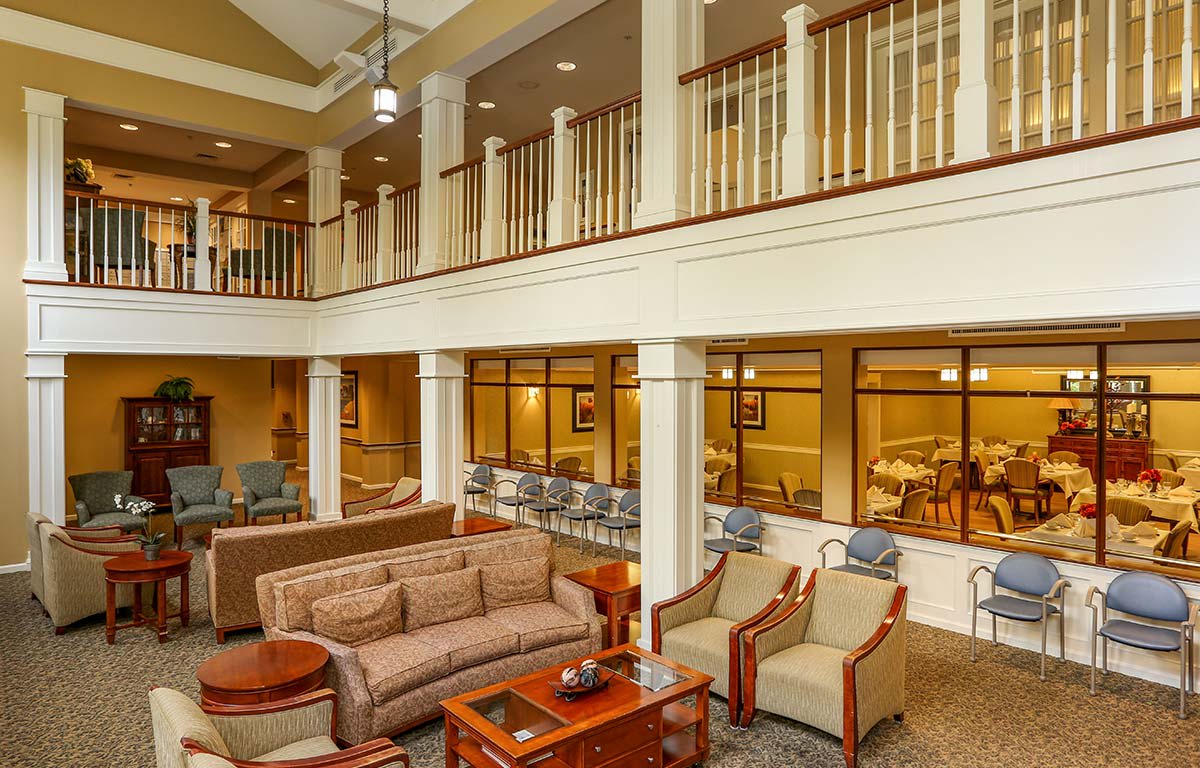
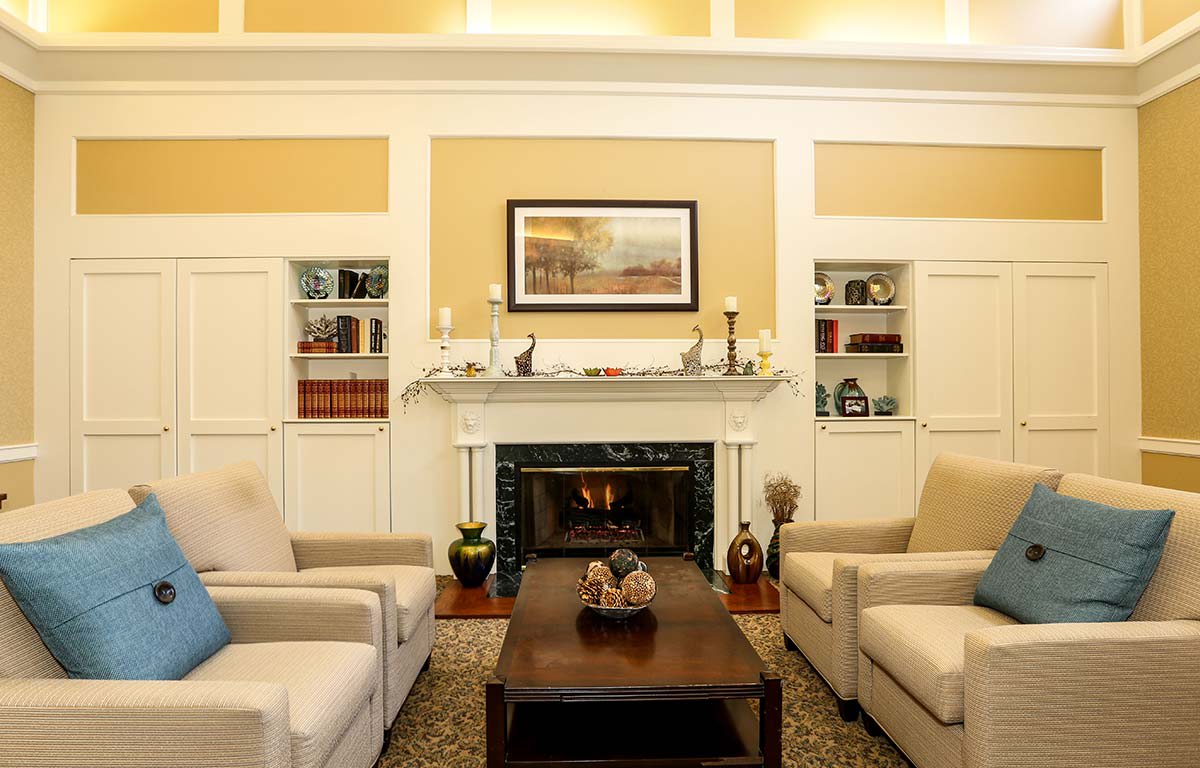
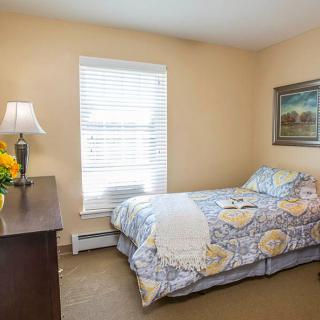
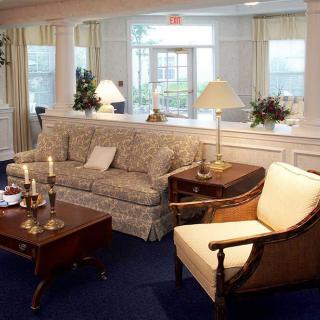
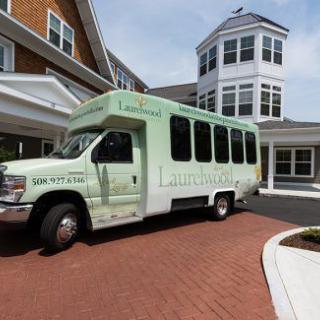
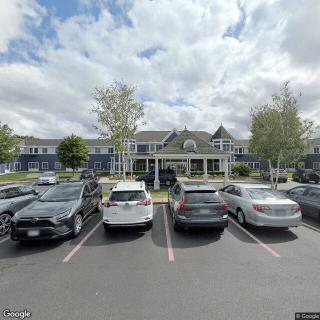
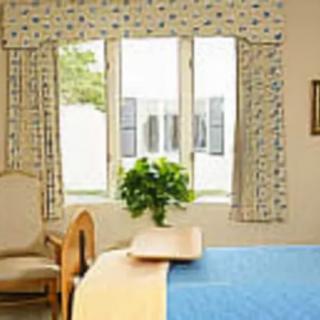
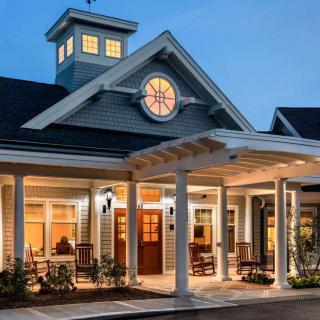
The Inn at Silver Lake on seniors.fyi includes 4 photos including images showing interior, windows, living room, fireplace, artwork, decor, building, entrance, and more.
Nearby Communities
Wingate Residences at Silver Lake
Kingston, MA
4.3 from 19 reviews
$2,280 to $2,964 / month
Caring, attentive staff in a clean, welcoming environment with engaging activities.
Wingate At Silver Lake
Kingston, MA
3.3 from 60 reviews
Caring staff, clean facility, and engaging activities.
Arbor Hills
Kingston, MA
Meals and medication management with Wi-Fi and phone access in a convenient location.
The Village At Duxbury
Duxbury, MA
4.8 from 68 reviews
$2,164 to $3,629 / month
Welcoming, resident-centered staff with engaging activities and beautiful common areas.
Allerton House At Duxbury
Duxbury, MA
4.3 from 3 reviews
$2,995 to $3,995 / month
Affordable pricing within the area with comprehensive assisted living and ADL support as a CCRC.
Baypath At Duxbury Nursing & Rehabilitation Center
Duxbury, MA
3.9 from 89 reviews
Compassionate frontline staff with a clean facility and engaging activities.
All American Assisted Living at Hanson
Hanson, MA
4.5 from 59 reviews
$4,200 / month
Caring staff and a clean, active, engaged community.
Bridges® By Epoch At Pembroke
Pembroke, MA
4.8 from 48 reviews
Homey atmosphere with well-maintained apartments and engaging activities.
Pinehurst Village
Plymouth, MA
Excellent access to nearby cafes, parks, pharmacies, physicians, restaurants, transportation, and hospitals.
Dementia leads to cognitive impairment and can cause emotional and behavioral changes, including aggression that arises from frustration, confusion, or fear. Effective coping strategies for caregivers include understanding dementia's nature, recognizing triggers, using empathetic communication, and employing non-pharmacological interventions like music and art therapy.
Dementia causes cognitive decline and challenging behaviors that caregivers must manage, necessitating an understanding of the neurological basis of these issues. Effective strategies and self-care for caregivers can enhance support for those with dementia and improve their daily lives.
The content outlines five key early indicators of dementia, including significant memory loss and confusion about time and place, while emphasizing the need for professional evaluation and emotional support for both individuals showing symptoms and their caregivers. It encourages family members to monitor these signs closely and use online quizzes for initial awareness.
Windows, Chandelier, Billiards, Game Room, and Recreation
Get PricingAsk A QuestionSchedule A TourContact Senior Advisor
By clicking submit, you agree to our Partner's Terms of Use. You
also consent to receive calls and texts, which may be autodialed, from our Partner. Your consent is not a condition to
using our Partner's service. Please visit our Partner's Privacy Policy for information about their privacy practices.

 1-bedroom apartments
 Assisted Living
 Memory Care
 Cats allowed
 Dogs allowed
 Activities off-site
 Air-conditioning
 Beautician on-site
 Devotional services off-site
 Full kitchen
 Garden view
 Ground floor units
 Handicap accessible
 Indoor common areas
 Outdoor common areas
 Respite or short term stays offered
 Wheelchair accessible showers
 Wi-Fi/high-speed internet available
 Ambulatory care
 High acuity care
 Incontinence care
 Medication management
 Gluten-free
 Art classes
 Bible study group
 Cooking classes
 Day trips and outings
 Educational speakers / life long learning
 Happy hour
 Karaoke
 Live dance or theater performances
 Live musical performances
 Live well programs
 Wine tasting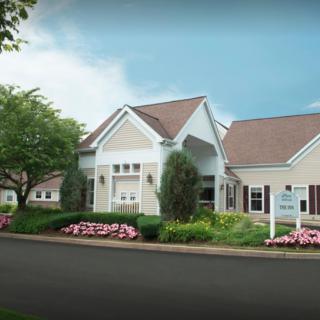
 Caring, attentive staff in a clean, welcoming environment with engaging activities.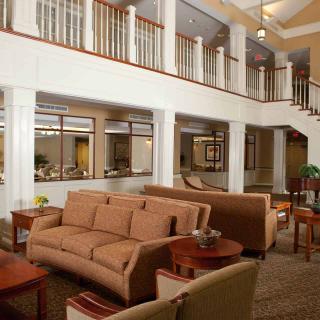




 When Dementia Sparks Anger and Aggression: Understanding the Connection and Ways to Cope
 Dementia Behaviors: In-Depth Understanding and Effective Coping Strategies
 5 Early Indicators of Dementia and What You Can Do