
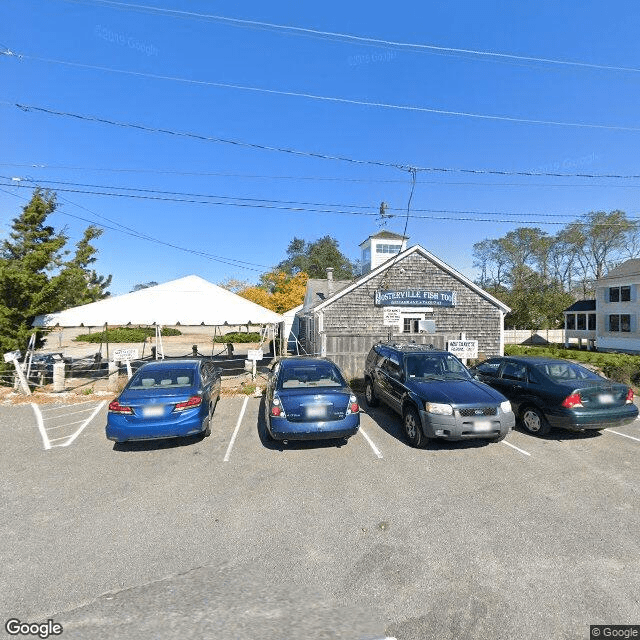
275 Millway, Barnstable, MA 02630
To contact a resident: (508) 362-3323
For more information about senior living options: (866) 208-4318
Overall Review of Visiting Angels Of Cape Cod
Pros
 The caregivers are very devoted to the people they care for.
- They are very reliable and go the extra mile.
- They treat clients as family, with kindness and professionalism.
- Visiting Angels is top-notch and tailors care to the client.
- The CNAs are high caliber—sensitive, caring, empathetic and professional.
- The office staff care deeply about getting home care right and tailored to the client.
- Cape Cod Visiting Angels provided timely, peace-of-mind support during a crisis.
Cons
 They felt they were treated like an Asian candidate rather than a caregiver candidate during the job interview.
- The interviewer asked if they make "American food," implying a stereotype and prompting a definition of what "American" means.
- They felt they were evaluated on race rather than qualifications and were shocked by the differential treatment versus a Caucasian friend.
- They concluded that job discrimination still exists, calling it a sad reflection on Visiting Angels.
Review
Visiting Angels of Cape Cod in Barnstable is best suited for families that want dependable, in-home support that keeps an elderly loved one safely in their own residence while relying on a steady, compassionate team and an attentive office staff. The model is strongest for those who prize warmth and continuity, caregivers who feel more like trusted helpers than rotating helpers, and for families that value proactive planning, flexible scheduling, and clear communication when needs shift. The agency earns praise for care that feels individualized, with office leadership coordinating the effort so that changes in care level or timing don’t disrupt daily life.
This provider is especially well-suited for seniors who can remain at home with practical assistance rather than intensive medical supervision. Reviewers repeatedly highlight caregivers who are kind, professional, and attuned to the person they care for, treating clients as family and going the extra mile in daily routines. The strength is not just in individual aides, but in the way the office team selects, supports, and pairs caregivers with the client, and in how they stand by families during difficult moments, assessing needs, rescheduling as necessary, and offering guidance to navigate caregiver transitions. For families coordinating with hospice, the alignment with broader care teams is described as seamless, reinforcing the sense that practical, compassionate care can be sustained over months or years.
The main positives, exceptional, reliable caregivers; a staff that genuinely cares and remains responsive; and a collaborative approach to care planning, often offset most concerns. Caregivers cited as “high caliber” for empathy, sensitivity, and professionalism bolster confidence that daily routines, safety checks, medication reminders, and personal care can be handled with minimal friction. The office leadership earns credibility for arranging appropriate coverage, communicating changes promptly, and maintaining a tailored approach to each client’s schedule. A long-standing track record, spanning multiple years of service for some families, underscores a level of stability that is hard to match with less established agencies. The strongest argument, in practice, is that competent, compassionate caregiving consistently elevates the quality of home life for seniors who are not ready to abandon independence.
There is a notable caveat worth weighing. One review foregrounds a disappointing encounter during a job interview that raises questions about hiring practices and implicit bias. While this is not a direct reflection of caregiving quality, it creates a potential red flag for families who prioritize inclusive, equitable treatment across staff and leadership. The reality is that the caregiving experience described elsewhere in the feedback is overwhelmingly positive, but prospective clients should directly inquire about the agency’s hiring policies, oversight, and commitment to nondiscrimination to ensure alignment with family values. Additionally, the model relies on multiple caregivers for a given client, which can translate into variability in caregiver continuity. For families who prefer a single, consistent caregiver or require round-the-clock, highly skilled nursing oversight, this arrangement may feel less than ideal.
Alternatives deserve consideration for anyone with higher medical acuity or a preference for more predictable, one-on-one coverage. If the top priority is continuous, on-site nursing supervision by a licensed professional or a steady, single-caregiver arrangement, families might explore licensed home health agencies that guarantee continuity or look at assisted living options where on-site nursing and structured programming reduce the burden on family planning. For those wanting a more integrated medical model within a home setting, or who desire a care plan that mirrors a facility’s medical oversight, alternatives may offer greater peace of mind. In short, Visiting Angels excels in warmth, trust, and practical home-based support, but it may not fully meet every level of clinical care or continuity preference some seniors require.
The practical decision comes down to balance. For families prioritizing compassionate, reliable home care with strong caregiver-to-client matching, responsive scheduling, and collaborative care planning, Visiting Angels of Cape Cod stands out as a strong, dependable choice. The care teams are praised for treating clients with dignity, for staying by families during tough times, and for coordinating with other providers to ensure a coherent care experience. However, potential clients should engage in due diligence: verify that staffing patterns align with the desired level of continuity, ask pointed questions about hiring practices, and confirm that the agency’s capabilities match the intended care intensity. When those checks align, the value is clear, high-quality, home-based care that preserves independence and comfort often beats the disruption of relocation to a facility.
 Barnstable Mun Boardman Polando (3 miles away)







 8 Essential Assistive Devices for Older Adults
 Navigating the Financial Road to Nursing Home Care: In-Depth Guidance and Resources
 Supportive Employee Benefits That Help Caregivers Attain Better Work-Life Harmony