
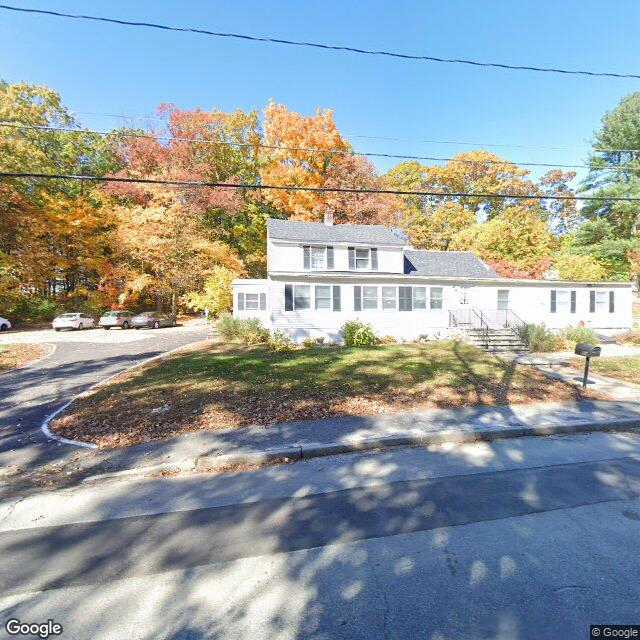
84 Myrtle St, Ashland, MA 01721
To contact a resident: (508) 881-1360
For more information about senior living options: (866) 208-4318
Overall Review of Mill Pond Rest Home
Pros
 Mill Pond has a great manager and is in a beautiful, peaceful town with stores and restaurants within walking distance.
- The facility has helped a resident achieve over a year of sobriety through an AA program.
- The staff and administration are wonderful.
- The facility is clean and the food is plentiful and tasty.
- The new administrator has done a phenomenal job breathing new life back into Mill Pond.
- Rita is very nice and always available.
Cons
 The facility has bed bugs, filthy conditions, plastic mattresses with knife cuts, no hot water, and no privacy.
- The staff are perceived as entitled and exploitative toward residents, seeming to care little for their safety.
- Medications are not given out at night, with only one RN on duty for a few hours and many doses lost or run out.
- The bathrooms are filthy, with urine on the floors for long periods, and the food is often cold or decrepit.
- Residents’ mail is frequently lost or opened, and state inspectors visit without remedying the filthy environment.
- The place is described as disgusting, with clients sleeping on cots and a strong, unpleasant smell and uncaring staff.
- Alcohol and drunks run rampant daily, with some residents sent to the ER or placed to bed without regard for others’ safety.
- Leaky plumbing and poor overall conditions are noted as part of a horrible hovel.
Review
Mill Pond Rest Home in Ashland, MA is best suited for families seeking a compact, affordable option where a hands-on, reform-minded management team has begun to take root and where the town setting offers walking-access to shops and services. It is a place to consider for residents whose families are prepared to stay actively involved, monitor day-to-day care, and watch for measurable improvements over time. It is not ideal for those who require unwavering clinical reliability, pristine sanitation, and consistently seamless operations from a facility that can stand up to scrutiny day in and day out.
Anyone prioritizing robust medical oversight and spotless day-to-day functioning should seriously weigh alternatives. Several reviews describe systemic defects that would raise red flags for families with high needs: medication administration gaps, limited nursing staff on site, and reports of lapses that threaten resident safety, including nighttime vulnerabilities. The repeated concerns about cleanliness, bathroom conditions, and basic upkeep also signal that a facility still grappling with foundational issues. In short, this is not the right choice for families who insist on glide-path consistency in care, hygiene, and medication safety from the outset.
On the upside, Mill Pond has demonstrated a capacity for meaningful change when leadership is in motion. Multiple observers credit the current or recently installed management with reviving the atmosphere, bringing clearer accountability, and fostering a more resident-centered environment. The campus ambiance itself is described as pleasant, with a peaceful town context that can support residents’ sense of dignity and connectedness. A notable positive thread is the sobriety-support initiative for a veteran resident, which suggests the administration’s willingness to tailor programs to individual needs rather than applying a one-size-fits-all approach. In parts of the building and in the demeanor of some staff, there is evidence of care that can form the foundation for stronger operations if sustained.
Yet the most persistent, wide-ranging drawbacks cannot be dismissed. Reports of bed bugs, substandard bathrooms, insufficient hot water, and aging physical plant paint a picture of a facility that still struggles with basic sanitation and comfort. The inconsistency around meals, with some accounts praising food and others describing it as decrepit or cold, highlights how dining quality fluctuates and can undermine overall well-being. Medication management appears particularly fragile: restricted hours for responsible personnel, occasional loss or shortage of prescriptions, and concerns about nursing coverage create real exposure for residents who depend on timely meds. Personal care issues, urine on bathroom floors, residents delaying showers, and perceived staff disengagement, further tilt the balance away from a settled, reassuring home environment. The impression of limited privacy, crowded spaces, and a highly active parking lot adds to the sense that comfort and dignity can be fragile in practice.
These strengths and weaknesses interact in a telling way. The positive signals, proactive management, resident-specific programs, and a calm, walkable locale, offer a credible route to a safer, more supportive home if they prove durable. The counterweight, however, is formidable: recurring sanitation problems, fragile medication workflows, and safety risks tied to staffing gaps can erode trust and trigger real harm if left unaddressed. In a decision-making framework, the potential upside rests on sustained leadership stability, concrete performance improvements, and transparent reporting that clearly demonstrates progress over several review cycles. Without those guardrails, the cons carry more weight.
For families weighing Mill Pond, a disciplined, test-and-verify approach is essential. Plan a thorough on-site evaluation focusing on three domains: how medications are handled across shifts, the adequacy and cleanliness of bathrooms and living spaces, and the cadence of staffing, especially coverage during nights and weekends. Ask for recent state inspection results, the facility’s corrective action plans, and a concrete, time-bound upgrade road map that specifies who is accountable for each item. Speak directly with current residents about daily routines, meal quality, and perceived safety. Require a detailed activity calendar that demonstrates meaningful engagement beyond mere custodial care. If the administration can deliver credible, verifiable improvements and show sustained momentum over a series of months, Mill Pond may become a viable option.
Otherwise, families should keep alternatives in clearer view. Facilities with proven, consistent performance in medication management, sanitation, and resident safety typically offer peace of mind that Mill Pond currently struggles to guarantee. The decision should hinge on whether enough durable changes are in place to transform the resident experience from episodic care and intermittent comfort to dependable daily living. Mill Pond is a candidate for a cautious, monitored engagement, one that can pay off if leadership remains accountable, staff levels stabilize, and the cornerstones of cleanliness, safety, and nutrition are rebuilt and maintained with transparency.
 Assisted Living
 Activities on-site
 Devotional services off-site
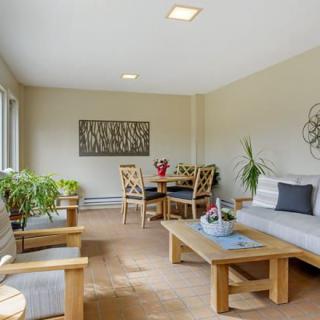
 Indoor common areas
 Worcester Regional (21 miles away)
 Ambulatory care
 Diabetic care
 Meals provided




 Is Assisted Living Deductible on Your Taxes? Understanding the Complexities of Assisted Living Expenses and Deductions
 Assisted Living Support for Veterans: A Complete and Detailed Overview
 Exploring the Contrasts Between Assisted Living and Skilled Nursing