
342 Winter St, Framingham, MA 01702
To contact a resident: (508) 879-6100
For more information about senior living options: (866) 208-4318
Overall Review of Carlyle House
Pros
 The staff at Carlyle House are amazing, delivering a total team effort focused on residents and their families.
- The kitchen and activities staff keep residents well nourished, alert, and entertained.
- Maintenance staff maintain a home-like setting with welcoming grounds.
- Families trust Carlyle House to care for their loved ones.
- Carlyle House is known for compassionate rehabilitation and skilled nursing services.
- The staff provide attentive care and proactive communication with families.
- The team functions like a family, creating a positive atmosphere centered on patient care.
- The facility is professional, well-staffed, and responsive to residents' needs.
- The intimate, smaller size fosters closer relationships and more personalized care.
- Physical therapy is frequent and of high quality, helping residents regain function.
- Nursing staff are excellent and caregivers are caring and friendly.
- The environment feels like a home with friends and family.
Cons
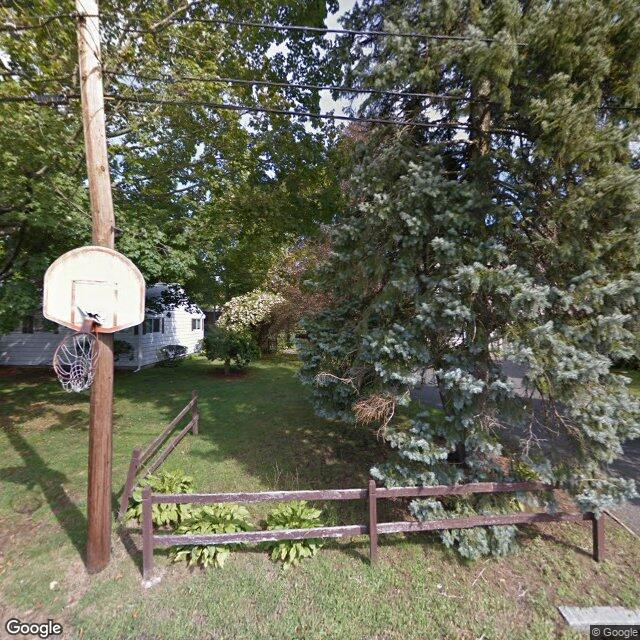
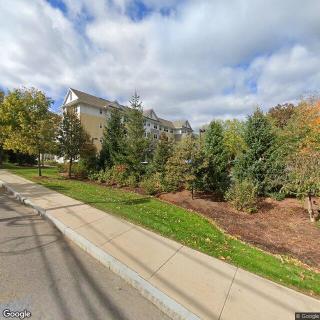
 The back yard had been clearcut, contradicting the website’s claim of landscaped and wooded grounds.
- A major disappointment was the lack of a single room for the husband; he was placed in a room with three other men and never moved as promised.
- Due to federal and state cutbacks, some aides carried two jobs, reducing the time spent with residents.
- Laundry caused bleach marks and lost clothing, and there was only a small closet.
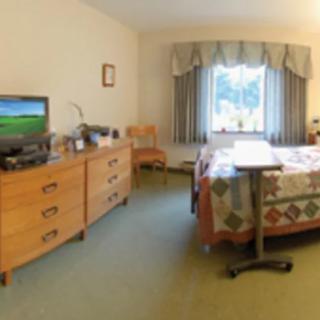
- The décor was described as moderate compared with other facilities.
- Food was average, not exceptional.
- A rehab center described in the reviews was said to have rude staff, contrasting with Carlyle House’s caring staff.
Review
Carlyle House in Framingham is best suited for families seeking a small, home-like skilled-nursing and rehabilitation setting where care feels personal and every team member is aligned around the resident’s well-being. With about 55 beds and a single-floor footprint, the community reads as intimate rather than institutional, and that tone shows up in how residents are supported day to day. The facility positions itself as a rehab-focused environment, with strong nursing and therapy services that address post-acute needs and help residents regain function. Hospice and end-of-life care are folded into the same caring culture, so families facing transitions can expect attentive, continuity-driven support rather than abrupt shifts.
Those who may want alternatives are prudent to consider the trade-offs. If private rooms, larger campuses, or resort-like amenities matter, Carlyle House will feel limited. Several reviews flag that room configurations can be less private than some families expect, with multiple residents sharing a room and limited closet space. The grounds, while well-kept, have undergone changes (a yard redesign) that some find less tranquil or bird-friendly than before. And while the staff is praised for compassion, there are hints of staffing pressures tied to broader budgeting realities, which can translate into shorter time with each resident at peak times. For families prioritizing private space, state-of-the-art decor, or a wider menu of specialty services, other options in the area may fit better.
On the positives, the core strength is the care team’s cohesion and the way it translates into daily life for residents. Reviewers consistently highlight a staff culture that feels like a family, nurses, aides, administrators, kitchen, activities, and maintenance all pulling in the same direction to keep residents safe, comfortable, and engaged. The small size supports individualized attention; staffers know residents by name, notice subtle changes, and communicate proactively with families. Rehabilitation is a standout, with residents receiving meaningful therapy and frequent progress updates. The meals, activities, and atmosphere reinforce a sense of belonging, an essential factor for comfort during recovery or ongoing care.
The most common drawbacks center on privacy, pace, and campus feel, rather than the quality of care itself. The reality of a smaller, older-structure building means fewer private rooms and décor that feels modest rather than polished. Some families report laundry mishaps and minor cleanliness issues that aren’t pervasive but do surface occasionally. Staffing pressures tied to budget realities can slow responses or limit conversational depth on busy days, even as frontline staff remain devoted. The grounds’ recent changes may also detract from the “home-like” experience for residents who valued the prior landscape and its quiet, natural backdrop. These factors are meaningful for decision-making, especially for residents who prize privacy and contemporary amenities.
Nevertheless, the pros , exceptional, empathic care; a true team approach; strong rehab outcomes; and a warm, homelike environment , often offset the cons for families prioritizing meaningful interaction over polish. The small community model facilitates quick adjustments to care plans, rapid family updates, and daily demonstrations of attentiveness that are hard to match in larger facilities. Families repeatedly report gratitude for staff responsiveness and the sense that care decisions are collaborative rather than transactional. For many, the trade-off is worthwhile: a trusted network of caregivers who treat residents as cherished individuals, with a pace that feels attentive and humane rather than clinical.
In practical terms for families evaluating Carlyle House, the decision hinges on what matters most: intimate, hands-on care with transparent communication, or private space and modern campus amenities. If the priority is a dependable, nurturing team that treats residents like family, and if rehab and ongoing nursing support are the focal needs, Carlyle House stands out as a strong, practical choice. If privacy, contemporary design, or expansive grounds are non-negotiables, it is wiser to widen the search and compare alternatives. In short, Carlyle House delivers reliable, heart-forward care in a compact, homey setting, and that combination will be compelling for many, but not all.
 Skilled Nursing Facility
 Worcester Regional (22 miles away)



 Seniors and Modern Transportation: Exploring Uber, Lyft, and Other Ride-Hailing Options
 Comprehensive Guide to Qualifying for Home Health Care Services
 Powerful Realities of Elder Abuse and the Most Effective Ways to Report It