
25667 West Hill Road, Worton, MD 21678
To contact a resident: (443) 282-0181
For more information about senior living options: (866) 208-4318
Overall Review of Our Home in the Country
Pros
 The owners and staff are simply wonderful.
- They see nothing to complain about.
- They are glad to have discovered this home.
- They love it.
- It is very nice.
Review
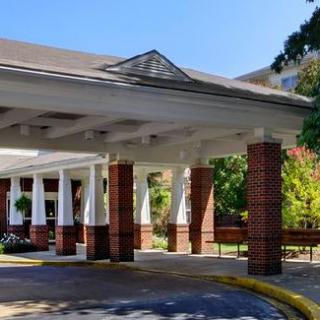
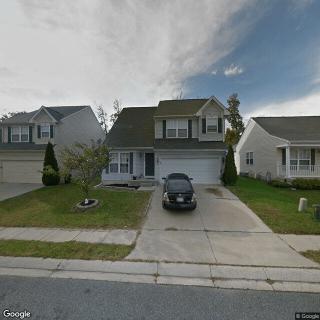
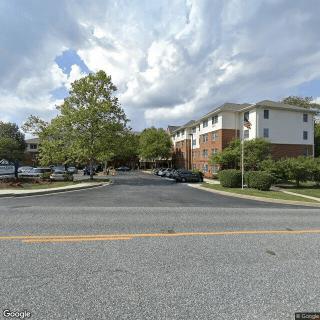
Our Home in the Country in Worton, MD is best suited for seniors who prize a warm, intimate, caregiver-first environment where daily life feels like living in a private home rather than a campus. It works especially well for individuals or couples who want consistent, personal attention, straightforward routines, and a sense of security that comes from a small, closely connected staff. The setting is ideal for those who don’t require extensive on-site medical technology or memory-care specialization, and who are comfortable with a rural, quieter locale. Families should recognize that the arrangement may not be the best fit for someone needing frequent high-acuity medical interventions, extensive memory-care programming, or a facility offering a broad spectrum of on-site amenities.
The core strength is unmistakable: the owners and staff are described as genuinely wonderful, loving, responsive, and reliable. That kind of care team translates into a predictable, low-stress experience where residents feel seen and families feel informed. In a small-home model, that translates to easy access to caregivers, rapid problem-solving, and daily interactions that foster real trust. When families value emotional safety, consistent communication, and a sense that care decisions are made with a personal touch, these positive attributes become the decisive factor. The tone from residents and families is overwhelmingly positive, underscoring a level of satisfaction that typically translates into fewer care-related anxieties for loved ones.
Residents convey strong emotional attachment to the setting, repeatedly signaling that “love it” and “very nice” capture the everyday reality here. The home environment itself, guardrails of routine, familiar faces, and the absence of institutional anomie, appears to contribute to a sense of dignity and belonging. This atmosphere can be a powerful offset to any desire for more formal programs or frenetic activity calendars. In practical terms, families seeking peace of mind through consistent, attentive day-to-day care are likely to feel their expectations met. The lack of promotional hype is offset by real, observable warmth, which often translates into steadier moods, better sleep, and smoother transitions.
Nevertheless, every option carries tradeoffs, and this one is no exception. A small, country setting can mean limited on-site medical resources, fewer specialized therapy options, and a narrower slate of activities compared with larger communities. For seniors who require regular access to advanced clinical services, on-site physical therapy, or dementia-specific curricula, the approach here may feel too light touch. Privacy and pacing may also be more dependent on the specific residents and staff on any given day, with potentially less formal oversight or structured programming than larger campuses. While not a stated drawback, these practical realities deserve consideration when the care needs edge toward complex medical management or intensive memory-care support.
Yet the very factors that could be seen as drawbacks often reinforce the upside. The same intimate scale that limits certain services also deepens relationships and responsiveness. The owners’ direct involvement and the staff’s familiarity with each resident’s preferences can compensate for a shorter activities roster with highly personalized care planning and quicker adaptation to requests. For families prioritizing a home-like atmosphere, where conversations with caregivers feel natural and decisions can be made collaboratively, these strengths tend to outweigh the absence of a bigger service ecosystem. In short, the pros, warmth, trust, and personalized attention, tave a meaningful offset against the potential gaps in medical or specialized offerings.
For families evaluating this community, the decision hinges on aligning needs with the environment. If the objective is a high-touch, homey setting with consistently positive interactions and a care team that treats residents like family, this is a compelling match. If the priority is extensive clinical infrastructure, dementia-focused programming, or a broad activity slate within a large, campus-style community, alternatives should be explored. Practical next steps include arranging a visit, observing how staff interact with residents, and requesting a clear outline of staffing ratios, care plans, and what is included in the monthly rate. In a practical, no-nonsense sense, this community stands out as a strong fit for warmth-driven, dignity-preserving living, best suited for seniors who thrive on personal connection and a calm, home-like daily rhythm rather than on-site medical intensity.
 Activities off-site
 Bath tubs
 Devotional services off-site
 Indoor common areas
 Outdoor common areas
 Private bathrooms
 Respite or short term stays offered
 Wheelchair accessible showers
 Ambulatory care
 Diabetic care
 High acuity care
 Incontinence care
 Medication management
 Meals provided



 A Detailed Examination of Nursing Home Costs Across the U.S.
 Exploring Nonmedical Home Care: Understanding Services, Costs, and Financial Approaches
 Engaging Brain Games and Innovative Apps to Keep Senior Minds Active