

419 Pulaski Hwy, Joppa, MD 21085
To contact a resident: (410) 679-1038
For more information about senior living options: (866) 208-4318
In Good Hands Assisted Living Costs & Pricing
In Good Hands Assisted Living offers competitive pricing for its residents, with monthly costs positioned below both the average rates for Harford County and the broader state of Maryland. For a semi-private room, residents can expect to pay $3,000 per month, significantly lower than the county's average of $3,357 and the state average of $3,545. Similarly, for those seeking more privacy in a private room, In Good Hands charges $3,500 per month - again offering a more affordable option compared to the county's $3,819 and Maryland's average of $4,112. This pricing strategy not only reflects a commitment to providing quality care but also indicates an understanding of the financial considerations facing families in need of assisted living services.
| Floor plans | In Good Hands Assisted Living | Harford County | Maryland |
|---|---|---|---|
| Semi-Private | $3,000 | $3,357 | $3,545 |
| Private | $3,500 | $3,819 | $4,112 |
Senior living communities with a similar price nearby
-
from +$200 / mo

Mumsey's Residential Care
$3,200 to $5,400 / month18.1 miles away -
About the same
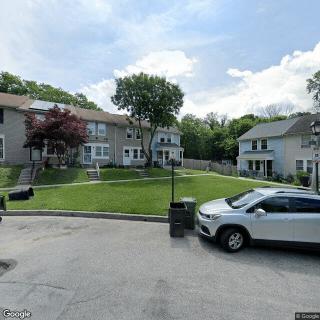
Gneale Home Care
$2,975 / month20.0 miles away -
from -$300 / mo

Pat's Golden Girls
$2,700 to $3,200 / month22.5 miles away -
from -$500 / mo
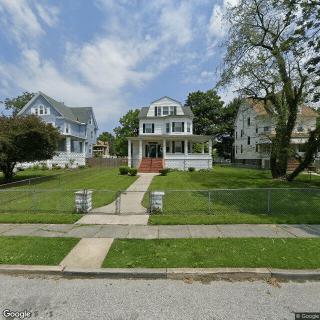
Almost Like Home, Inc
$2,500 to $3,500 / month18.8 miles away -
from +$390 / mo
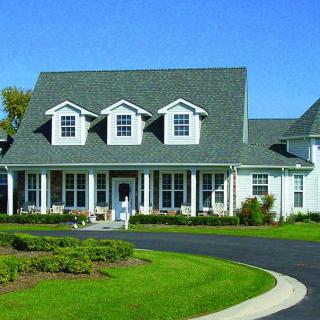
Commonwealth Senior Living at Bel Air
$3,390 to $6,180 / month8.9 miles away
Overall Review of In Good Hands Assisted Living
Pros
 The facility is clean and well attended to.
- The staff consistently cater to residents' basic needs and requests.
- The facility is budget-friendly.
- In Good Hands is a small facility with about five residents, allowing for a lot of individual attention.
- The staff at In Good Hands are wonderful and clearly care about the people they look after.
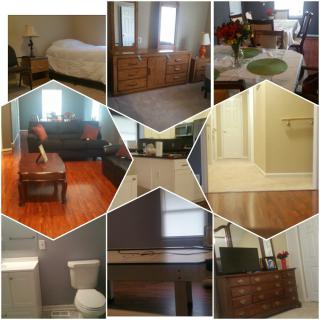
- The facility is spotless and provides ample room for residents to move around with a walker.
- Overall, the experiences with In Good Hands have been nothing but good.
Review
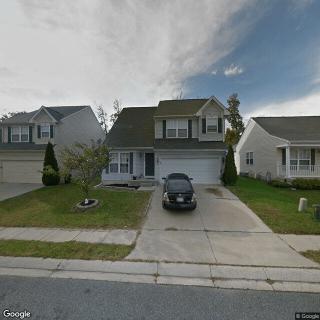
In Good Hands Assisted Living in Joppa, Maryland, is best suited for seniors who want intimate, highly personalized care in a small, home-like setting. The community works well for residents who need help with daily tasks, light housekeeping, mobility assistance, and routine monitoring but do not require hospital-level medical oversight. The small scale, roughly five residents at any time, allows caregivers to build familiarity, tailor routines, and respond quickly to requests. Cleanliness and order are consistently noted, creating a predictable, comfortable environment where a walker fits through doorways and hallways, supporting safety and continuity in daily living.
This setting shines for families seeking a calm, low-key environment where staff know residents by name and remember preferences. It is less about glittering amenities and more about dependable, personal attention. The compact footprint means issues are noticed early and addressed promptly, which reduces confusion and anxiety for both residents and families. The emphasis on a tidy, uncluttered space contributes to a sense of security, while the budget-friendly aspect makes ongoing care feasible for households prioritizing predictable monthly costs over a long shopping list of optional services. For those who value consistency and a homelike rhythm, the arrangement can feel like a prudent, affordable choice.
The upside is complemented by a clearly defined trade-off. The small footprint inevitably constrains the breadth of activities, peer interactions, and on-site programs that larger facilities routinely offer. Prospective residents should anticipate a more limited social calendar and fewer diversified services, perhaps fewer on-site therapies, activities, or extended staff coverage compared with bigger communities. Yet the same intimate staffing model that fosters attentiveness also means residents benefit from highly accessible caregivers who respond to basic needs and requests with genuine care. When family input and routine are paramount, these factors tilt strongly in favor of choosing this home.
That said, families weighing options should explicitly assess what might be missing. If a resident requires robust medical oversight, frequent rehabilitation services, or specialized memory-care programming, these needs may be better served by larger communities with dedicated nurses, therapists, and memory-care wings. The five-resident model can limit opportunities for social engagement and structured programming, which can be a drawback for residents who thrive on variety and active scheduling. While the environment remains clean and orderly, the scope of services behind the scenes is likely narrower, making it essential to confirm what is available on site and what requires external coordination.
The decision framework here is practical: for budgets tight enough that every dollar matters and for families prioritizing intimate, consistent care, In Good Hands stands out as a solid option. Before committing, verify licensure and understand the exact extent of medical oversight, medication administration, and emergency response capabilities. Tour the home to gauge the day-to-day rhythm, meet the caregiving staff to evaluate consistency and communication, and ask about meal plans, safety features, transportation, and family visitation policies. If memory care or ongoing rehab is anticipated, bring a clear question list and compare with facilities that offer dedicated memory-care environments or more expansive rehabilitation services to ensure alignment with long-term needs.
Overall, In Good Hands Assisted Living delivers a dependable, clean, budget-conscious option anchored in individualized attention and a home-like atmosphere. It is best for seniors who value routine, accessible staff, and a sense of security that comes from a small, well-managed operation. Those seeking a robust social calendar, extensive medical oversight, or specialized care programs should explore alternatives in the region to ensure the chosen setting aligns with anticipated care trajectories. The bottom line is clear: match the setting to the residentā€™s care needs, social preferences, and family logistics, balancing the warmth and simplicity of a small, attentive home against the broader service spectrum available in larger communities.
 Board and Care Home
 Indoor common areas
 Outdoor common areas
 Private
 Respite or short term stays offered
 Wheelchair accessible showers
 Baltimore-Washington International (24 miles away)
 Diabetic care
 Incontinence care
 Kosher

 Skilled Nursing Facilities vs. Nursing Homes: Making Sense of the Differences
 A Detailed Examination of Nursing Home Costs Across the U.S.
 Exploring Nonmedical Home Care: Understanding Services, Costs, and Financial Approaches