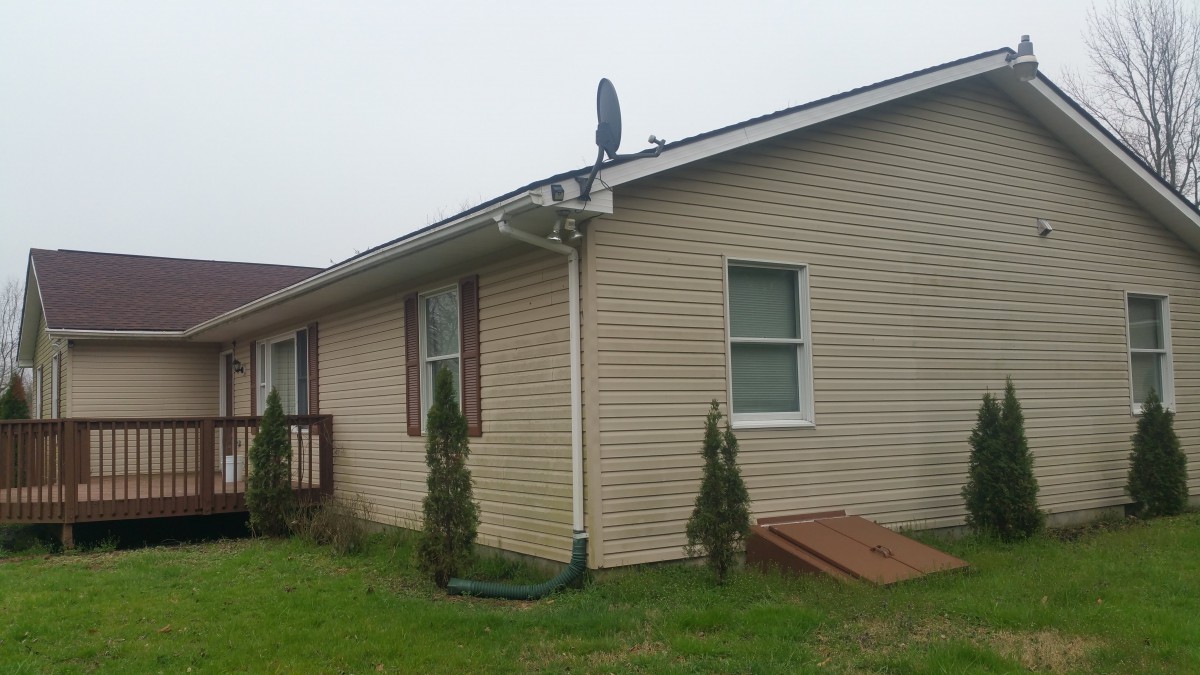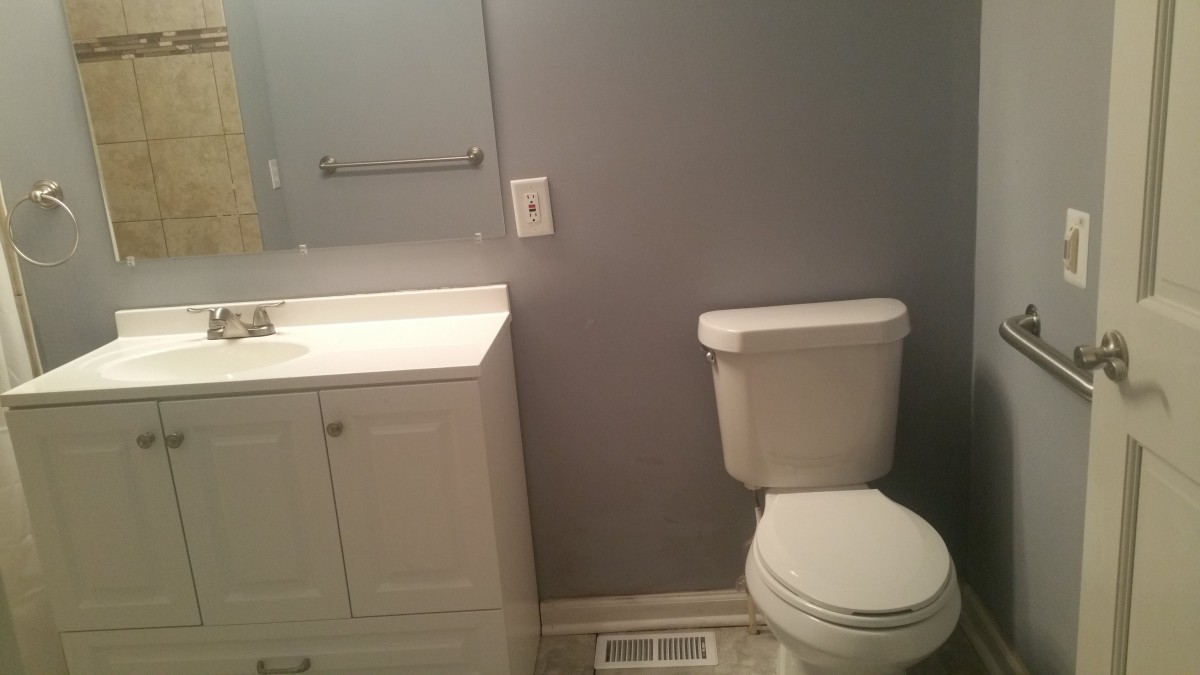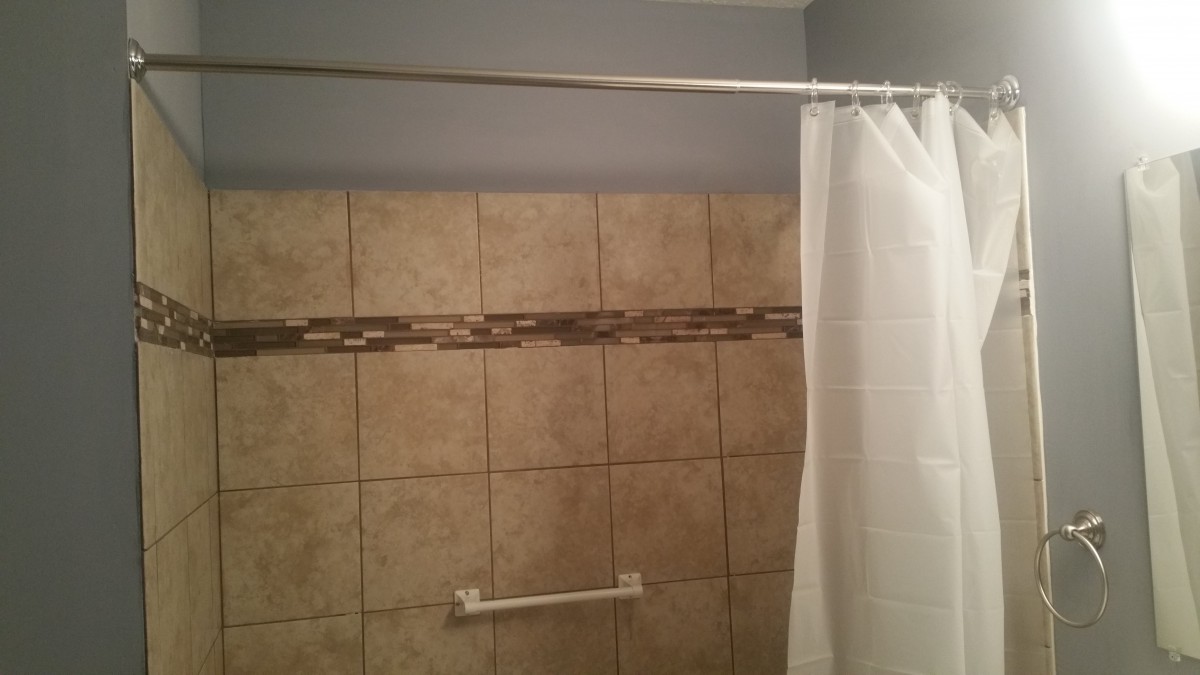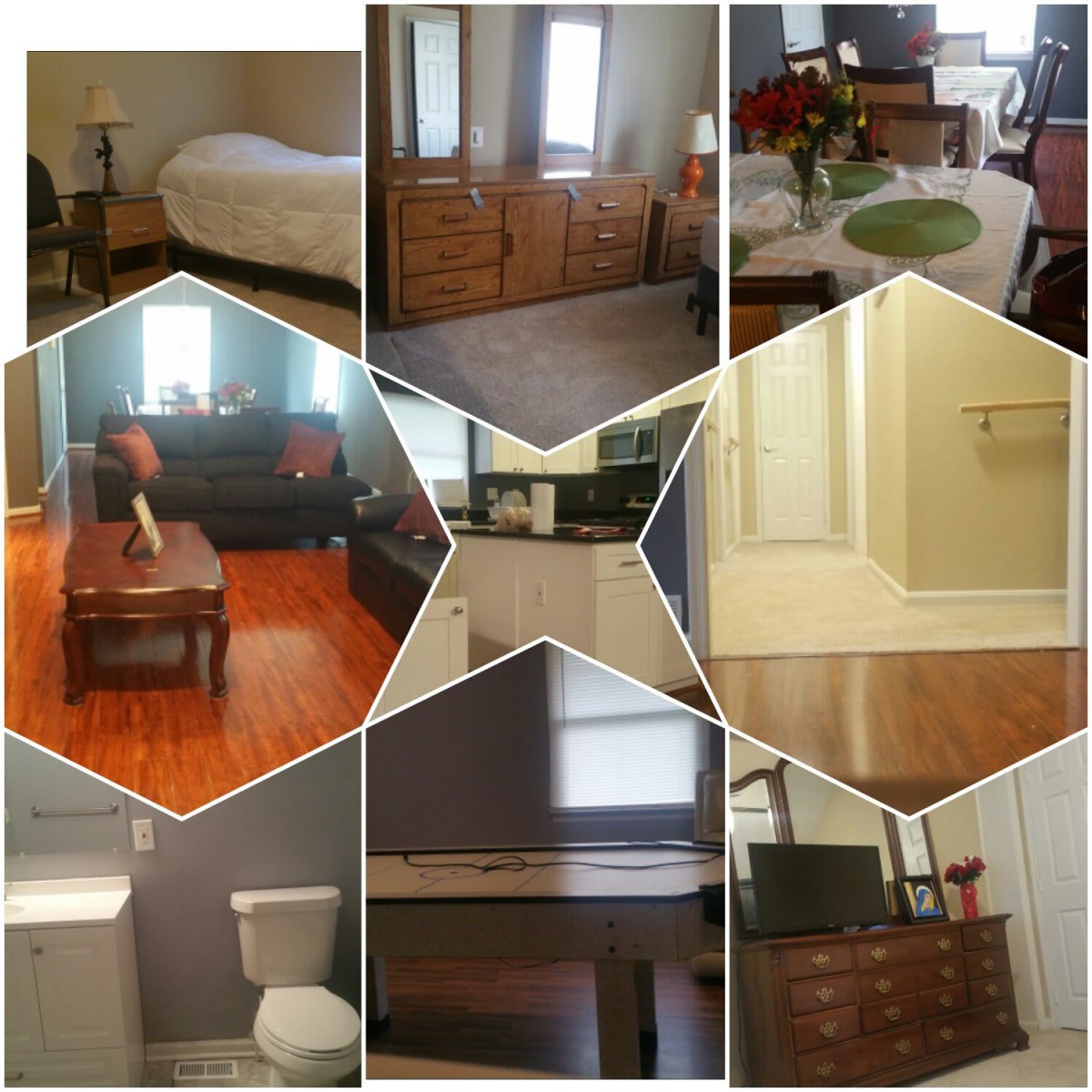


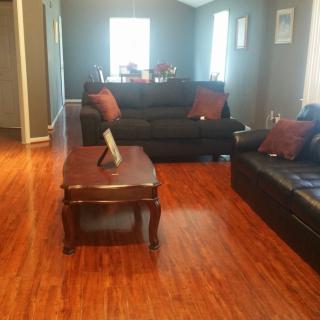
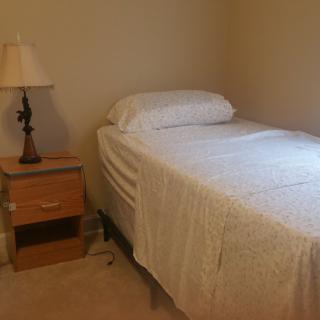
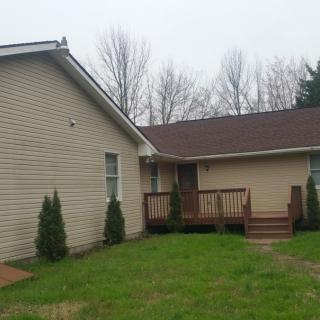


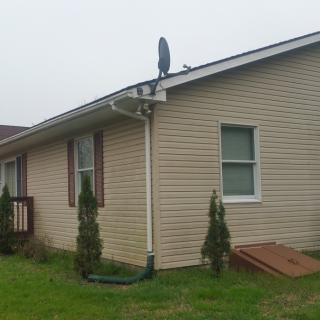
1199 Hanson Rd, Edgewood, MD 21040
To contact a resident: (443) 805-9496
For more information about senior living options: (866) 208-4318
Cape of Good Health Costs & Pricing
At Cape of Good Health, the cost for a semi-private room is set at $4,000 per month. This rate reflects a commitment to providing high-quality care and amenities that may surpass some alternatives in Harford County and across Maryland, where semi-private rooms average $3,357 and $3,545, respectively. While Cape of Good Health's pricing is slightly higher than its neighboring facilities, it emphasizes an environment enriched with enhanced services and personalized attention that can significantly contribute to residents' overall well-being. Ultimately, families seeking care for their loved ones may find great value in the comprehensive support and quality of life offered here.
| Floor plans | Cape of Good Health | Harford County | Maryland |
|---|---|---|---|
| Semi-Private | $4,000 | $3,357 | $3,545 |
Assisted Living communities with a similar price nearby
-
from -$375 / mo
Brightview Avondell
$3,625 to $5,165 / month6.3 miles away -
from -$610 / mo
Commonwealth Senior Living at Bel Air
$3,390 to $6,180 / month9.5 miles away -
from +$356 / mo

North Oaks, a CCRC
$4,356 to $5,471 / month23.6 miles away -
from -$465 / mo

Brightview Perry Hall
$3,535 to $6,340 / month7.1 miles away -
from +$600 / mo
Brightview Catonsville
$4,600 to $7,000 / month24.5 miles away
Overall Review of Cape of Good Health
Pros
 The residents appreciated the consistency of having the same staff.
- Visits were smooth with no issues in the early morning and evening.
- The staff were open about what they were doing.
- The facility came highly recommended by visitors.
- Families trusted the staff with their loved ones.
Cons
 It is not a place where a loved one should be placed.
- The facility is dirty.
- A loved one's clothes reportedly smelled of urine, though they were claimed to be clean.
- The loved one smelled dirty.
- The staff lost residents' dentures.
- They ignore orders they are asked to follow.
Review
Cape of Good Health in Edgewood, MD is best suited for families that prize steady, familiar staff and open, ongoing communication about a loved one’s daily routine. When the same caregivers are consistently assigned, relationships form quickly, trust builds, and families feel confident in someone they know is watching over their relative. This is a community where visitors and residents can experience a sense of routine, with staff appearing open to discussion and receptive to input during visits. For caretakers who want to be able to see progress and ask questions with a sense that staff are listening, this setting can deliver workable peace of mind.
Those who may want to consider alternatives are families that cannot tolerate lapses in cleanliness or basic care accountability. The strongest caution from the feedback is about the environment: a dirty facility, items like clothing and residents’ odors that suggest inadequate laundry practices, and a smell of neglect. Additional red flags include misplacement or loss of personal items such as dentures and a pattern of not following directions or orders. If a loved one relies on pristine cleanliness, meticulous laundry service, and strict adherence to care plans, this community may not meet those expectations. For residents with higher medical or safety needs, or for families requiring verifiable, consistent adherence to care instructions, platforming concerns should prompt a broader search.
The core positives, stable staffing, a willingness to engage with families, and the openness during visits, do offer real value. Continuity of caregivers reduces the stress of new faces and fosters quick, practical communication about daily routines, preferences, and problem-solving. When staff are consistently available and seemingly aligned with family expectations, residents experience fewer disruptions in their day, and families gain confidence that a familiar team is managing care. In these aspects, the benefits can offset some risk, particularly for residents who prioritize personal rapport and clear, ongoing conversations with caregivers.
However, the main drawbacks present a serious counterweight. The most salient concerns center on cleanliness and basic hygiene, which directly affect resident well-being and dignity. A facility that struggles with laundry results, clothing jokes of odor, and overall sanitation sends a troubling signal about day-to-day operations. The loss of dentures and a history of not following demonstrated orders reveal potential gaps in accountability and procedural compliance. These issues are not minor administrative annoyances; they translate into real health, safety, and comfort risks for residents, particularly older adults with sensitive skin, incontinence, or dental needs. If these gaps persist, they undermine the value of otherwise reliable staff relationships.
In making a choice, families should structure their due diligence around concrete, observable indicators. During tours and trial periods, ask to see the laundry workflow and odor control measures, and request a tour of resident rooms and closets to assess cleanliness firsthand. Inquire about denture handling procedures, lost-and-found accountability, and how orders and care plans are communicated and enforced across shifts. Review staffing schedules to gauge consistency and ask for resident-specific care plans, incident logs, and recent quality assurance notes. If possible, speak with current residents and family members about both the daily experience and how concerns are resolved. If the answers raise unresolved questions or the environment fails to meet basic cleanliness standards, alternatives should be prioritized.
Ultimately, Cape of Good Health offers a real upside for families who value stable staffing and direct, open communication, but it does not uniformly satisfy the essential expectations around cleanliness and strict adherence to care instructions. For those balancing safety, hygiene, and dignity with the comfort of familiar faces, a careful evaluation is essential. If any red flags persist after due diligence, especially regarding sanitation, item security, and compliance with resident directives, seek communities with stronger operational discipline and more robust quality controls. The decision should hinge on whether the comfort of consistent staff can coexist with a reliably clean, well-managed environment that upholds every care directive.
 11 resident community capacity
 Assisted Living
 Activities off-site
 Air-conditioning
 Bath tubs
 Beautician on-site
 Cable or satellite TV
 Devotional services off-site
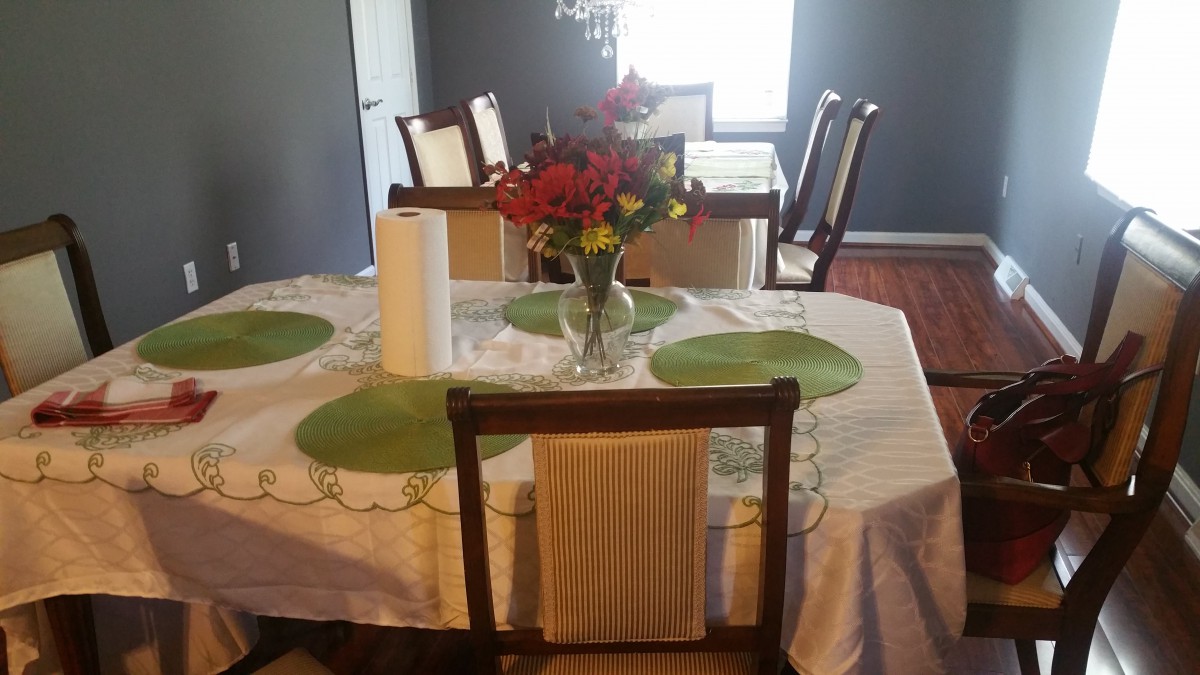
 Dining room
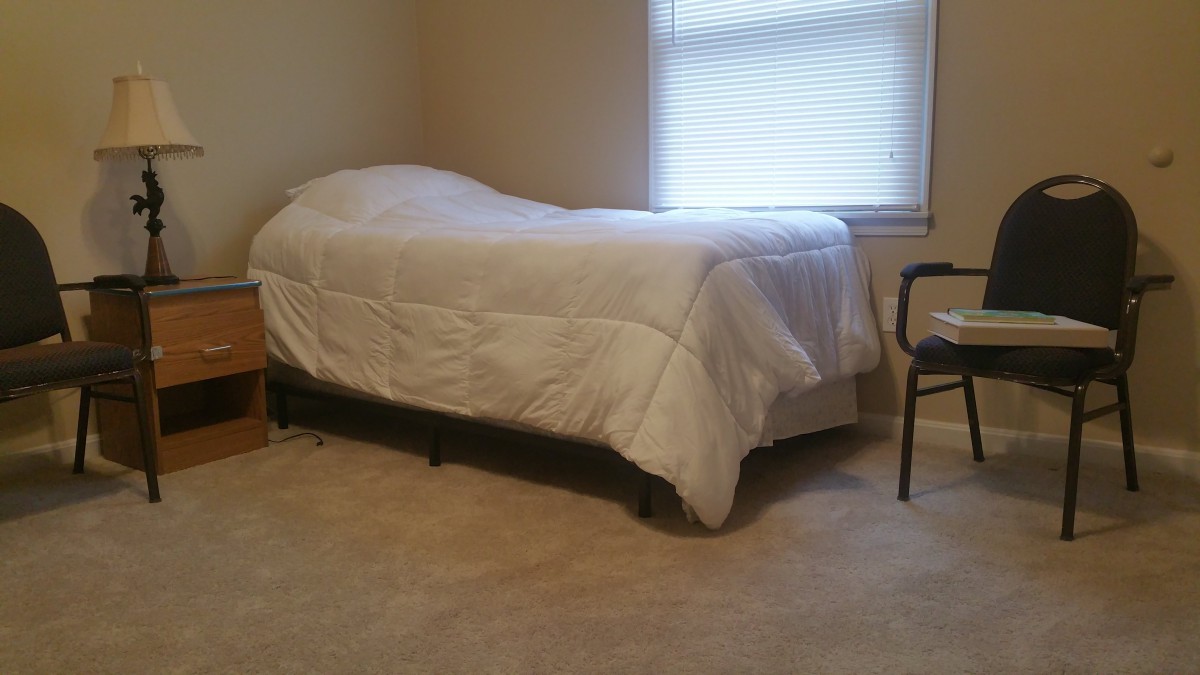
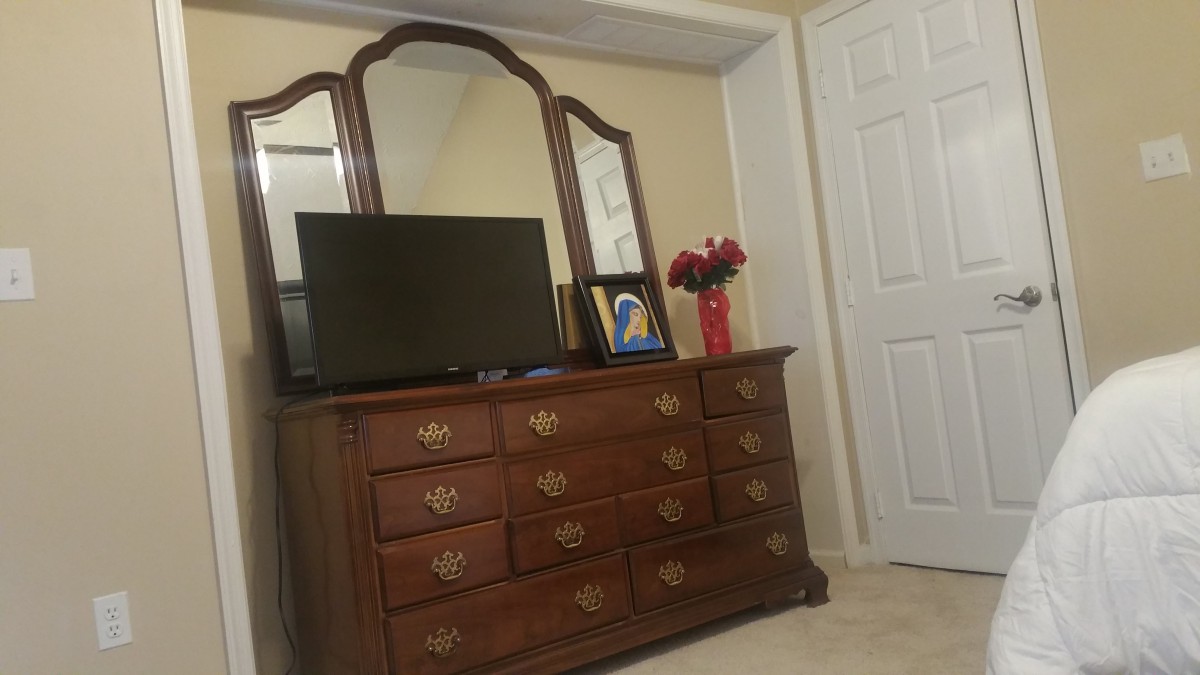
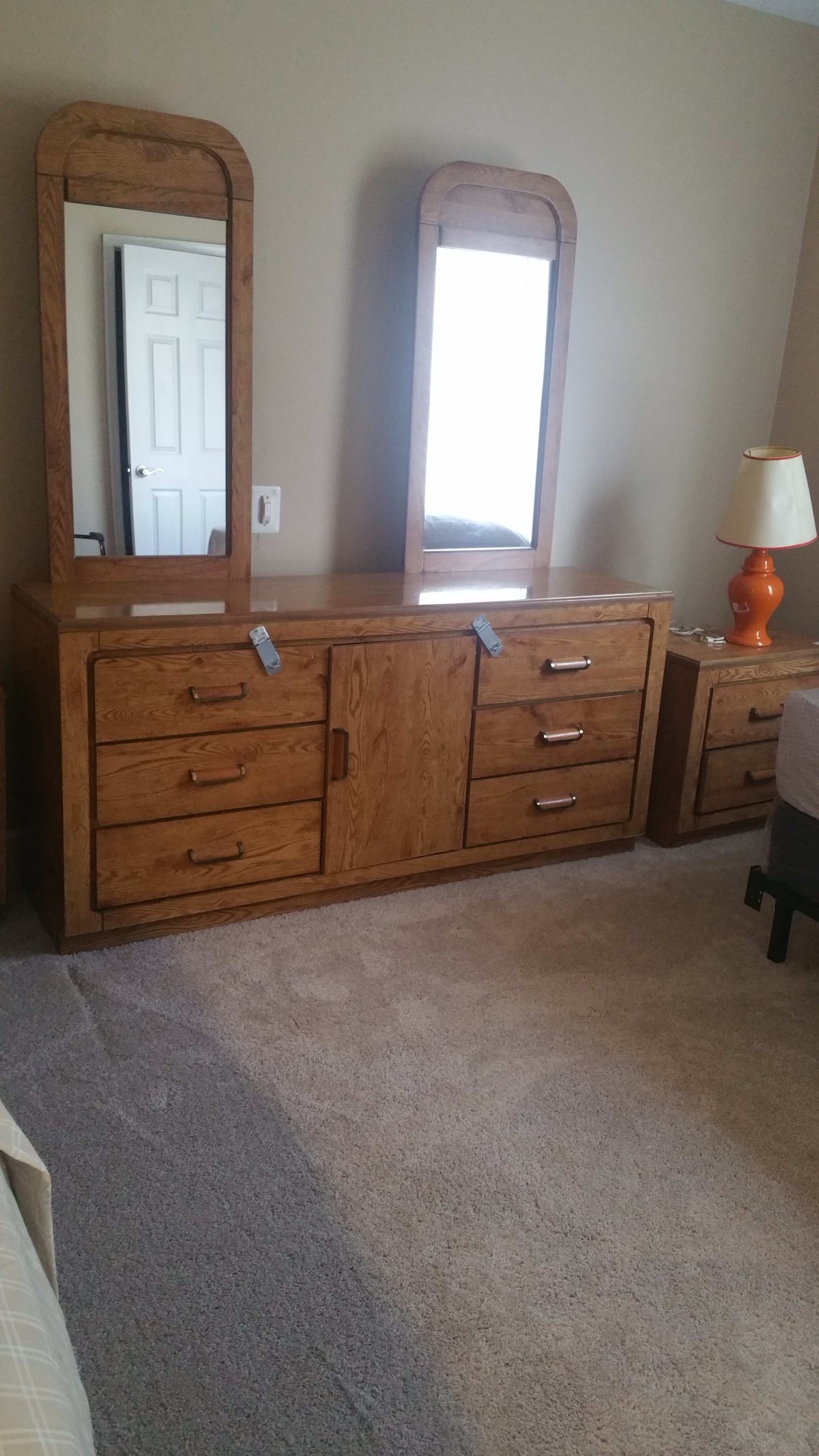
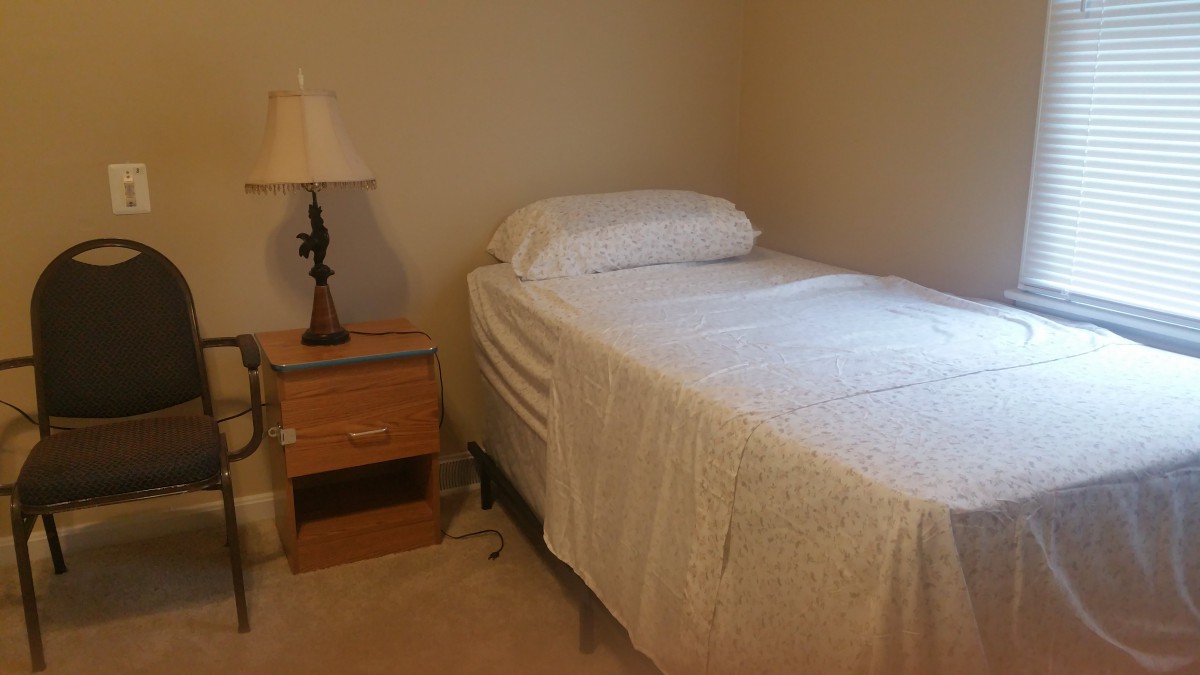
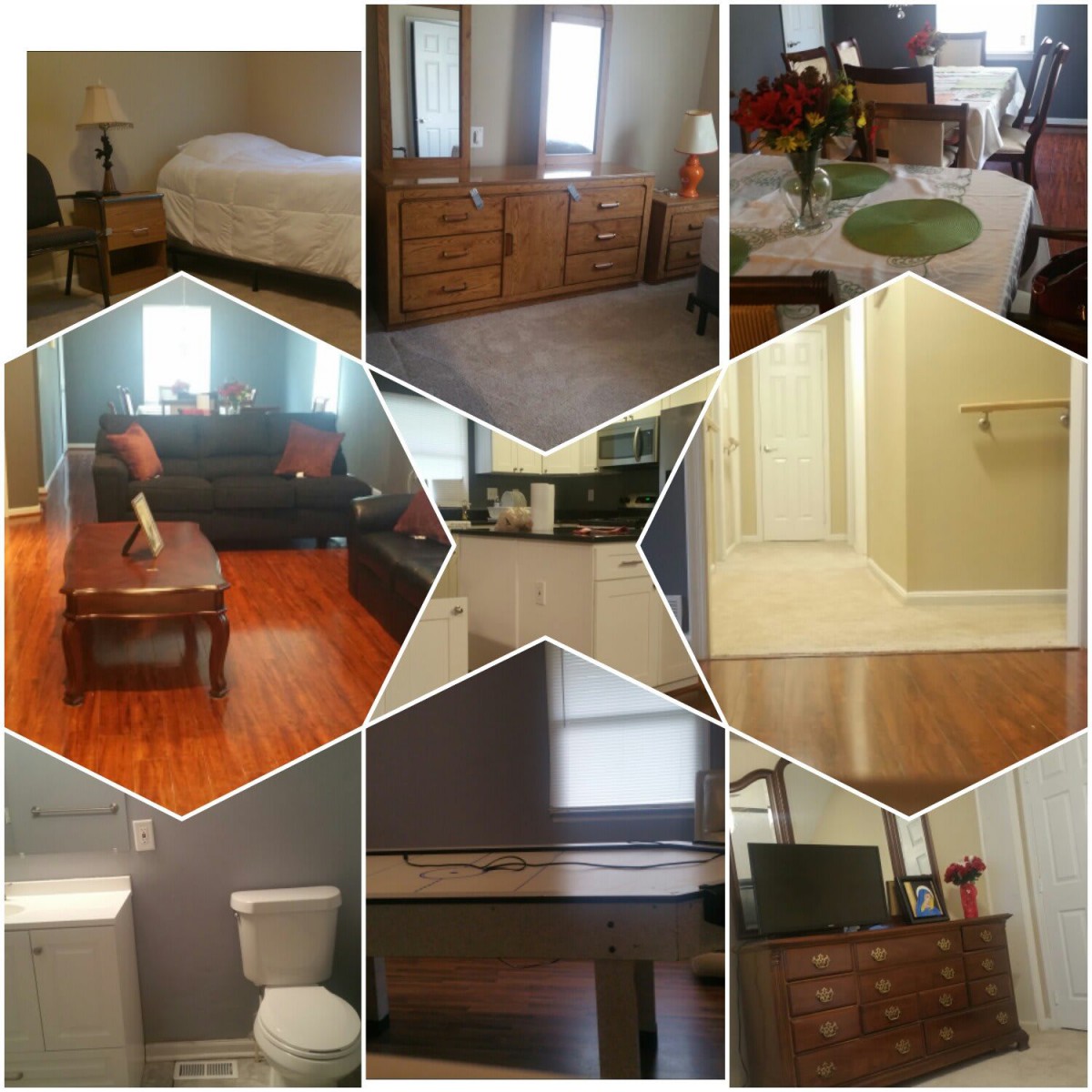
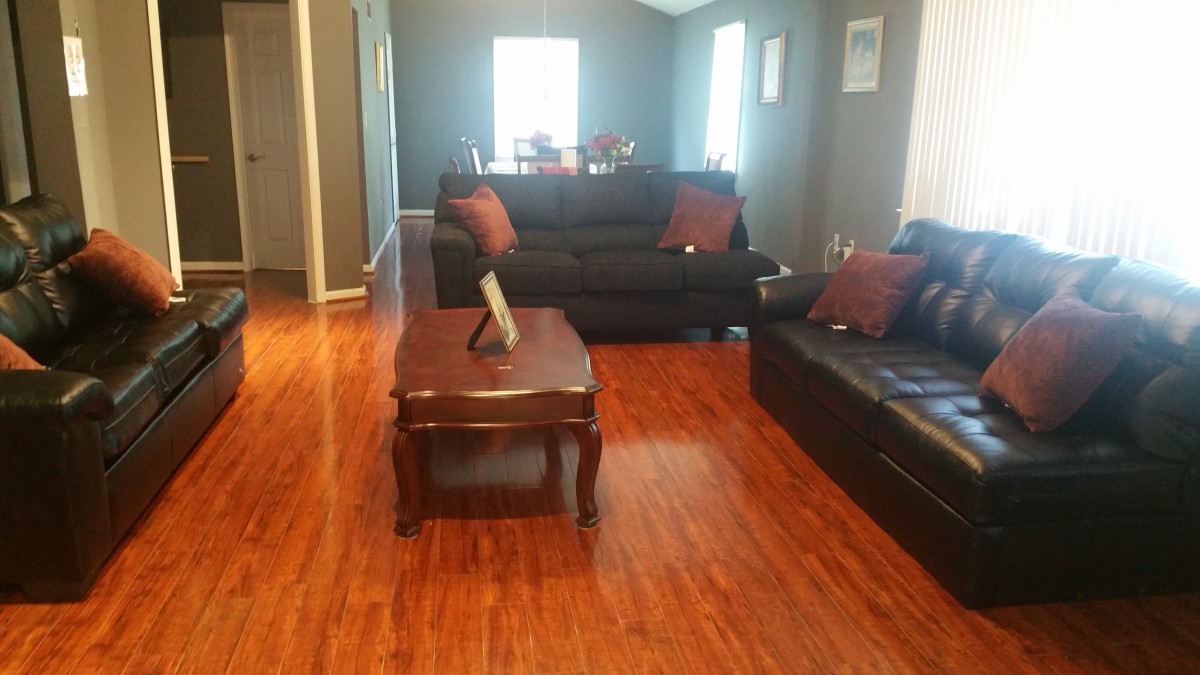
 Fully furnished
 Garden
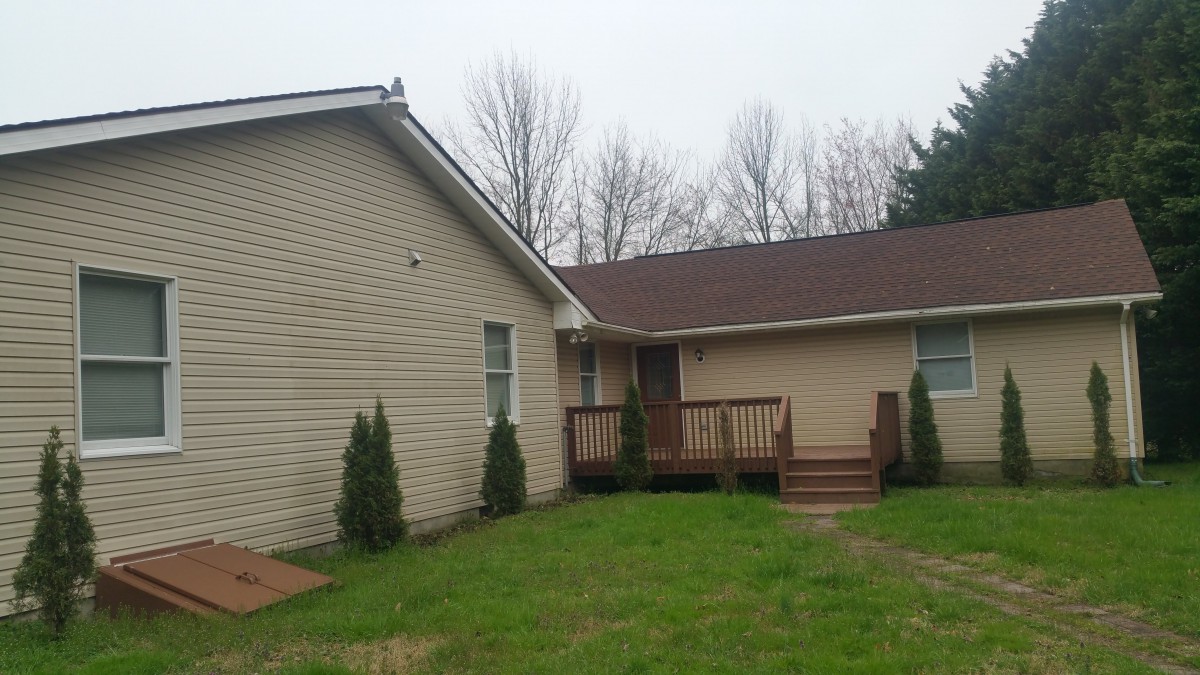
 Ground floor units
 Handicap accessible
 Housekeeping services
 Indoor common areas
 Kitchenette
 Move-in coordination
 Outdoor common areas
 Respite or short term stays offered
 Telephone
 Wheelchair accessible showers
 Wi-Fi/high-speed internet available
 24-hour supervision
 Assistance with bathing
 Assistance with dressing
 Assistance with transfers
 Diabetes diet
 Diabetic care
 High acuity care
 Incontinence care
 Meal preparation and service
 Medication management
 Special dietary restrictions
 Transportation arrangement (medical)
 Transportation to doctors appointments
 Art classes
 Catholic services
 Cooking classes
 Educational speakers / life long learning
 Jewish services


 Exploring the Path to Senior Living: A Comprehensive Look at Independent Living and Assisted Living
 Is Assisted Living Deductible on Your Taxes? Understanding the Complexities of Assisted Living Expenses and Deductions
 Assisted Living Support for Veterans: A Complete and Detailed Overview