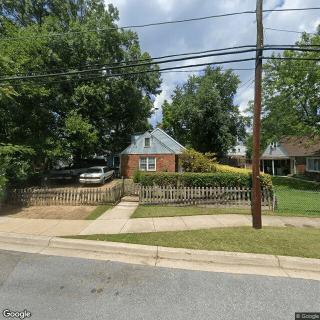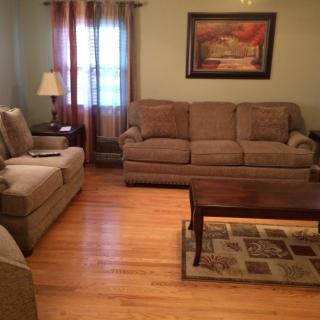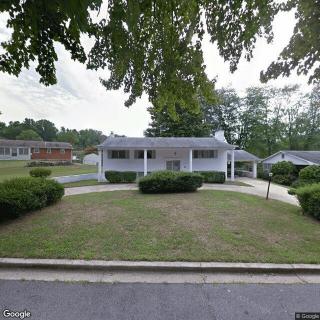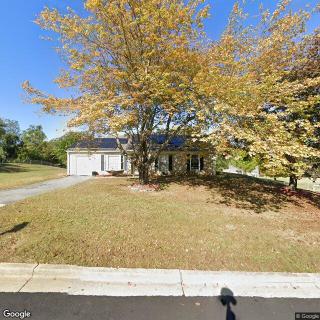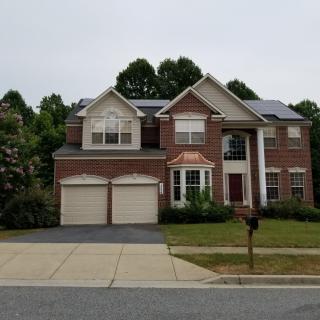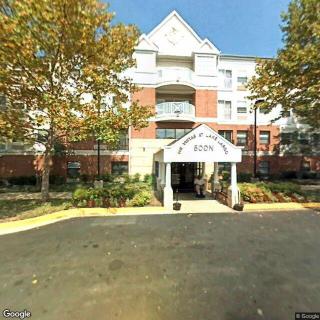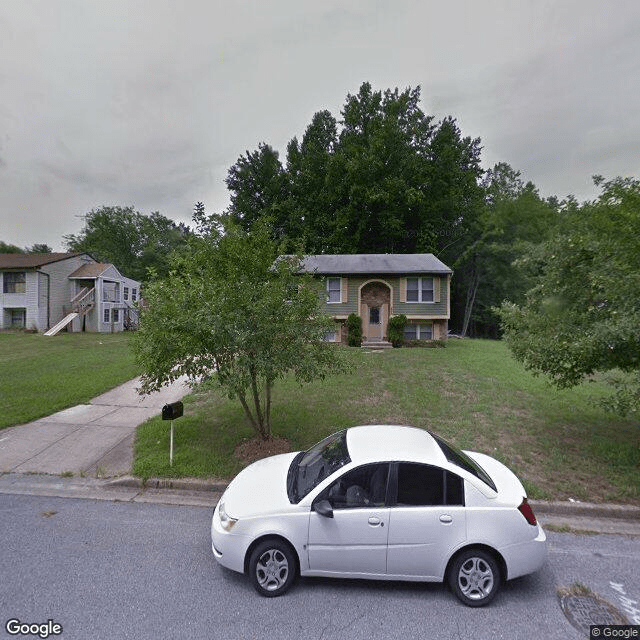
Serenity Assisted Living II in Upper Marlboro, MD

Save
Serenity Assisted Living II

Serenity Assisted Living II in Upper Marlboro, MD

Information last verified:

603 Pritchard Lane, Upper Marlboro, MD 20774

For more information about senior living options: (844) 490-3973

3 from 1 review

Serenity Assisted Living II Costs & Pricing

Serenity Assisted Living II offers an attractive pricing structure for its residents, with monthly costs set at $2,500 for all room types - studio, private, and semi-private. This competitive pricing stands in stark contrast to the average costs in Prince George's County and across Maryland. For instance, the county averages are significantly higher at $4,428 for a studio, $3,792 for a private room, and $3,058 for a semi-private room. Even when considering the state averages of $4,656 for studios and $4,112 for private rooms, Serenity Assisted Living II remains an economical option that delivers quality care without compromising on comfort. This makes it an appealing choice for families seeking affordable assisted living solutions while maintaining access to essential services in a supportive environment.

Floor plansSerenity Assisted Living IIPrince George's CountyMaryland
Studio$2,500$4,428$4,656
Private$2,500$3,792$4,112
Semi-Private$2,500$3,058$3,545

Overall Review of Serenity Assisted Living II

Pros

  • pro The staff on the tour were very nice.

Cons

  • pro The care home felt smaller and cramped.
  • pro They decided against this care home because it felt smaller and cramped.

Review

Serenity Assisted Living II in Upper Marlboro is best suited for seniors who prize personable, attentive staff and a close-knit, home-like atmosphere over sprawling amenities. The setting tends to feel intimate, with an emphasis on regular, individualized contact between residents and caregivers. For families seeking a place where staff are approachable, friendly, and seemingly present in daily routines, this community offers a practical, low-key option. This is not a facility aimed at impressing with size or spectacle; it targets comfort through familiarity and consistent human contact. In short, it serves residents who value trust, daily reassurance, and a manageable, uncomplicated environment.

On the flip side, those who need ample space, expansive common areas, or abundant programming may want to consider alternatives. The available footprint here reads as compact, which can translate to a crammed feel during peak hours or around mealtimes. If mobility, privacy, or a greater breadth of social or recreational options are priorities, the smaller layout may fall short. Families weighing a longer-term residence should weigh whether the home-like scale will continue to feel sufficient as needs evolve, particularly for residents who require more stimulation or more room to move about independently.

The strongest, clearest pro in the observed balance is the warmth of the caregiving team. When tours and interactions occur, staff come across as genuinely pleasant and engaged, which signals reliable daily support and easy access to assistance. This personal attentiveness can significantly mitigate the friction a smaller space sometimes creates, especially for residents who flourish under routine, face-to-face reassurance, and predictable caregiver presence. In scenarios where companionship, quick response to needs, and a sense of being known matter most, the staff dynamic emerges as a meaningful offset to space limitations.

Yet the main con, limited physical footprint, cannot be dismissed. A cramped environment can hinder social flow, restrict the variety of activities happening on-site, and affect privacy during visits or personal care moments. Even with friendly staff, the lack of generous common areas and room to roam can lead to a sense of confinement or repetitiveness over time. For families with loved ones who crave regular, varied engagement or who benefit from larger, more open spaces for mobility and social exercise, the small-scale design may be a meaningful drawback that the pros struggle to fully offset.

From a practical decision-making standpoint, several evaluation steps help separate fit from misfit. During tours, scrutinize the layout and square footage of private rooms and shared spaces, noting how traffic patterns feel during busy periods. Inquire about staff-to-resident ratios, shift coverage, and how care tasks are coordinated across the day. Observe dining and activity spaces for accessibility and comfort, and ask about outdoor access or nearby neighborhood options for gentle outings. It is also wise to discuss the trajectory of care plans: as needs evolve, what room to move to or what level of support can the community accommodate within the same footprint? These details reveal how the pros and cons actually play out in daily life.

Bottom-line guidance points to a clear conclusion. Serenity Assisted Living II is a solid match for families prioritizing warmth, consistency, and a homey atmosphere over expansive space and a broad menu of on-site activities. It excels where personalized attention and steady caregiver relationships matter most, but it is less ideal for residents who require a larger, more varied environment or scale-up options as needs grow. If the priority is reliable daily care delivered with genuine kindness in a compact setting, Serenity earns its keep. If space, dynamic programming, or extensive common areas are non-negotiable, exploration of alternatives in Upper Marlboro should proceed without hesitation.

Features

Housing

  • 5 resident community capacity 5 resident community capacity

Types of Care

  • Assisted Living Assisted LivingAssisted living facilities provide crucial support and care for seniors who may need help with daily tasks such as medication management, bathing, and meal preparation. These communities offer a safe and comfortable environment where seniors can maintain their independence while receiving the assistance they need to thrive in their golden years.
  • Board and Care Home Board and Care HomeBoard and care homes provide a smaller, more intimate setting for seniors who require assistance with daily tasks but do not need the level of care offered by a nursing home. They offer personalized care, meals, and social activities in a homelike environment, ensuring that seniors receive individualized attention and support in their golden years.
  • Memory Care Memory CareMemory care is crucial for seniors as it provides specialized support and services for individuals with dementia or Alzheimer's disease. These programs offer a safe and secure environment where residents receive personalized care, cognitive stimulation, and help with daily activities. Memory care helps seniors maintain their independence, quality of life, and dignity while also providing peace of mind for their families.

Amenities

  • Cable or satellite TV Cable or satellite TVCable or satellite TV is important for seniors because it provides entertainment, news, and companionship, helping to combat loneliness and boredom. It also offers a wide range of programming options tailored to different interests and preferences.
  • Dining room Dining roomDining rooms are important for seniors as they provide a space for socialization, connection, and nutritious meals. They offer opportunities for residents to bond over shared meals, foster a sense of community, and promote healthy eating habits. Dining rooms also ensure that seniors have access to well-balanced meals tailored to their dietary needs and preferences.
  • Fully furnished Fully furnishedFully furnished senior living communities are important for seniors because they provide convenience, comfort, and a hassle-free moving experience. Seniors can easily settle into their new living space without the stress of having to buy and move furniture. This allows them to focus on enjoying their new home and community.
  • Garden GardenGardens are important for seniors as they provide a peaceful and therapeutic environment for relaxation, physical activity, and socialization. Being in nature has been shown to reduce stress, improve mood, and promote overall well-being. Gardens also offer opportunities for seniors to engage in gardening activities, which can improve mobility, flexibility, and cognitive function. Additionally, gardens create a sense of community and connection with others who share a passion for plants and outdoor spaces.
  • Housekeeping services Housekeeping servicesHousekeeping services are important for seniors because they help maintain a clean and safe living environment, promote independence, and reduce the risk of accidents or illnesses. Additionally, having assistance with household chores can alleviate physical strain and allow seniors to focus on other aspects of their well-being.
  • Move-in coordination Move-in coordinationMove-in coordination is important for seniors because it helps ease the transition into their new living environment. It ensures that all logistics, such as packing, organizing movers, and setting up utilities are taken care of, allowing seniors to focus on settling in and adjusting to their new home. Having a smooth move-in process can alleviate stress and anxiety, making the transition smoother and more enjoyable for seniors.
  • Outdoor space Outdoor spaceOutdoor spaces are important for seniors as they provide opportunities for physical activity, social interaction, exposure to natural light and fresh air, and a sense of connection to nature. Having access to outdoor spaces can improve overall well-being and quality of life for older adults living in senior communities.
  • Private PrivatePrivacy is important for seniors as it allows them to maintain their independence, dignity, and sense of control over their own lives. It also gives them the space and freedom to relax, reflect, and engage in activities that bring them joy and fulfillment. Creating private spaces within senior living facilities is crucial for promoting overall well-being and quality of life.
  • Respite or short term stays offered Respite or short term stays offeredRespite or short term stays provide seniors with a temporary solution when their regular caregiver is unavailable, offering them the opportunity to receive additional care and support during times of need, while also giving caregivers a chance to rest and recharge.
  • Telephone TelephoneTelephones are important for seniors as they provide a lifeline for communication with loved ones, emergency services, and healthcare providers. They offer a sense of security and independence, enabling seniors to stay connected and access assistance when needed.
  • Wi-Fi/high-speed internet available Wi-Fi/high-speed internet availableWi-Fi/high-speed internet is important for seniors to stay connected with loved ones, access online resources, and participate in virtual activities to combat feelings of loneliness and isolation. It also allows them to easily manage healthcare needs, access entertainment, and engage in lifelong learning opportunities.

Transportation

  • Ronald Reagan Washington National (11 miles away) Ronald Reagan Washington National (11 miles away)
  • Baltimore-Washington International (22 miles away) Baltimore-Washington International (22 miles away)

Care Services

  • 24-hour supervision 24-hour supervision24-hour supervision is important for seniors to ensure their safety, well-being, and access to immediate assistance in case of emergencies or health issues. This constant support provides peace of mind for both seniors and their loved ones, allowing them to age in place with dignity and security.
  • Activities of daily living assistance Activities of daily living assistanceActivities of daily living assistance are important for seniors because they provide essential support with tasks such as eating, bathing, dressing, and mobility. This assistance helps seniors maintain their independence, dignity, and overall quality of life as they age.
  • Ambulatory care Ambulatory care"Ambulatory care services provide essential medical support and treatment to seniors without requiring hospitalization, allowing them to maintain their independence and quality of life while managing chronic conditions or receiving routine medical care."
  • Assistance with bathing Assistance with bathingAssistance with bathing is crucial for seniors as it helps maintain personal hygiene, prevents infections, and ensures their overall well-being and comfort. It also provides a sense of dignity and independence for seniors who may struggle with this task on their own.
  • Assistance with dressing Assistance with dressingAssistance with dressing is important for seniors because it helps maintain their independence, promotes personal hygiene, prevents accidents and injuries, and improves overall quality of life. This service ensures that seniors can continue to dress comfortably and confidently, despite any physical limitations they may have.
  • Assistance with transfers Assistance with transfersAssistance with transfers is crucial for seniors as it helps prevent falls and injuries, maintains their independence, and ensures they can safely navigate their living environment. It also provides peace of mind for both seniors and their loved ones.
  • Coordination with health care providers Coordination with health care providersCoordination with health care providers is crucial for seniors to ensure proper medical care, medication management, and overall well-being. This collaboration helps prevent overlapping treatments, track progress more effectively, and provide comprehensive support tailored to individual needs.
  • Diabetes diet Diabetes dietA diabetes diet is crucial for seniors as it helps manage blood sugar levels, reduce risks of complications, and improve overall health and well-being. By following a balanced and nutritious diet tailored to their specific needs, seniors can better control their diabetes and enhance their quality of life.
  • Diabetic care Diabetic careDiabetic care is crucial for seniors as they are more susceptible to developing diabetes due to aging and other health conditions. Proper management of diabetes can help prevent complications such as heart disease, vision loss, and nerve damage, improving the overall quality of life for seniors in senior living communities.
  • High acuity care High acuity careHigh acuity care is important for seniors because it provides specialized medical attention and support for individuals with complex medical needs. This level of care ensures that seniors receive the appropriate treatment and assistance to maintain their health and quality of life as they age.
  • Incontinence care Incontinence careIncontinence care is essential for seniors to maintain their dignity, hygiene, and overall quality of life. By addressing incontinence issues promptly and effectively, seniors can enjoy a sense of independence and comfort in their daily activities.
  • Meal preparation and service Meal preparation and serviceMeal preparation and service are crucial for seniors as they may have limited mobility or energy to cook nutritious meals. Having access to healthy and convenient food options can ensure they are getting the proper nutrition needed to maintain their overall health and well-being.
  • Medication management Medication managementMedication management is crucial for seniors to ensure they are taking the right medications at the correct dosages and times. This helps prevent adverse drug interactions, reduces the risk of medication errors, and promotes overall health and well-being. Proactive management also allows for adjustments as needed based on changing health conditions or new prescriptions.
  • Special dietary restrictions Special dietary restrictionsSpecial dietary restrictions are important for seniors because age-related changes in metabolism and health conditions can make it difficult for their bodies to process certain foods. By following a diet tailored to their specific needs, seniors can maintain their overall health and well-being, manage chronic conditions, and reduce the risk of complications such as malnutrition or food interactions with medications.
  • Transportation arrangement (medical) Transportation arrangement (medical)Transportation arrangements for medical purposes are essential for seniors as they may have difficulty driving themselves to appointments or accessing public transportation. Having reliable and safe transportation options ensures that seniors can receive timely medical care and maintain their health and well-being.
  • Transportation to doctors appointments Transportation to doctors appointmentsTransportation to doctors' appointments is crucial for seniors as it ensures they have access to necessary medical care and support for their health needs. Without reliable transportation, seniors may struggle to attend important appointments, leading to potential delays in treatment and health complications. Providing transportation services helps seniors maintain their overall well-being and quality of life.

Dining

  • Diabetes diet Diabetes dietA diabetes diet is crucial for seniors as it helps manage blood sugar levels, reduce risks of complications, and improve overall health and well-being. By following a balanced and nutritious diet tailored to their specific needs, seniors can better control their diabetes and enhance their quality of life.
  • Special dietary restrictions Special dietary restrictionsSpecial dietary restrictions are important for seniors because age-related changes in metabolism and health conditions can make it difficult for their bodies to process certain foods. By following a diet tailored to their specific needs, seniors can maintain their overall health and well-being, manage chronic conditions, and reduce the risk of complications such as malnutrition or food interactions with medications.

Activities

  • Community-sponsored activities Community-sponsored activitiesCommunity-sponsored activities are important for seniors as they provide opportunities for social interaction, mental stimulation, and physical activity. These activities can help improve overall well-being, combat loneliness and isolation, and promote a sense of belonging and purpose among older adults.
  • Scheduled daily activities Scheduled daily activitiesScheduled daily activities are important for seniors because they provide structure, socialization, mental stimulation, and physical activity. Engaging in regular activities can improve overall well-being and quality of life for seniors living in a community setting.

Description

Serenity Assisted Living II in Upper Marlboro, MD is a warm and inviting community that provides board and care home as well as memory care services. Our residents enjoy a range of amenities including a spacious dining room, fully furnished accommodations, a beautiful garden, and housekeeping services to ensure a clean and comfortable living environment.

We provide move-in coordination to make the transition into our community seamless and stress-free. Residents also have access to outdoor spaces where they can relax and enjoy the fresh air. For those who need short-term stays or respite care, we offer flexible options to meet individual needs.

To keep our residents connected, we provide telephone services as well as Wi-Fi/high-speed internet access throughout the community.

Our dedicated caregivers are trained to assist with activities of daily living such as bathing, dressing, and transfers. We also coordinate with health care providers to ensure that each resident's specific needs are met. Our staff is experienced in providing diabetes care and can accommodate special dietary restrictions.

We offer medication management to help residents stay on track with their medications, ensuring their health and wellbeing. Incontinence care is available for those who require it.

At Serenity Assisted Living II, nutritious meals are prepared by our skilled staff according to individual dietary restrictions. Special dietary needs are accommodated.

Residents can participate in scheduled daily activities designed to promote engagement and socialization within the community. Nearby cafes, parks, pharmacies, physicians' offices, restaurants, transportation options, and hospitals provide added convenience for our residents.

Serenity Assisted Living II is committed to providing personalized care that enhances the quality of life for each resident in a safe and supportive environment.

Nearby Places of Interest

Located in Upper Marlboro, Maryland, this area offers a variety of amenities and services that cater to the needs of seniors. With multiple cafes such as Starbucks and Vigilante Coffee nearby, residents can enjoy a morning coffee or meet up with friends. There are also several restaurants including Chick-Fil-A and Golden Corral for convenient dining options. Pharmacies like CVS and Walgreens are easily accessible for medication needs. In terms of healthcare, there are several physician offices and hospitals within a short driving distance. For outdoor recreation, parks like Watkins Regional Park and Allen Pond Park provide opportunities for leisurely walks or picnics. Additionally, transportation options including metro stations like College Park - University of Maryland make it easy to access other parts of the city. Lastly, the Christian Community Presbyterian Church is nearby for spiritual fulfillment. Overall, this area offers a blend of amenities and conveniences that make it a desirable location for senior living in Upper Marlboro.

Cafes

  • Starbucks (0.9 miles)
  • Starbucks (2.7 miles)
  • Starbucks (5.3 miles)
  • Starbucks (5.5 miles)
  • Vigilante Coffee (7.2 miles)
  • Panera Bread (8 miles)
  • Wine & Butter Cafe & Market (8.1 miles)

Restaurants

  • Chick-Fil-A (0.9 miles)
  • Sonic Drive-In (1 miles)
  • Panda Express (1.1 miles)
  • McDonald's (1.2 miles)
  • McDonald's (1.4 miles)
  • Golden Corral (1.5 miles)
  • Jasper's (2.1 miles)

Pharmacies

  • CVS Pharmacy (1.5 miles)
  • Walgreens (1.5 miles)
  • Kaiser Pharmacy (1.7 miles)
  • Wegmans (2.8 miles)
  • CVS Pharmacy (3 miles)
  • CVS Pharmacy (3.2 miles)
  • Shoppers Food & Pharmacy (3.2 miles)

Physicians

  • Dr Jenkin's Office (1.9 miles)
  • Childrens Pediatricians (4.5 miles)
  • Dr Vanessa Allen (6.2 miles)
  • Weinstein Eye Associates (7.3 miles)
  • TLC Pediatrics (7.3 miles)
  • Ford Medical Associates (7.7 miles)
  • Rochelle Hardy Md (7.7 miles)

Parks

  • Watkins Regional Park (2.4 miles)
  • Mellwood Park (4.8 miles)
  • Allen Pond Park (6.7 miles)
  • L'Enfant Square (7 miles)
  • Lincoln Park (8 miles)
  • Marlton Community Park (8.2 miles)

Hospitals

  • Riverside Medical District Heights (3.6 miles)
  • Bowie Health Center-Emergency Medical Care (6.9 miles)
  • St Elizabeths Hospital (8.2 miles)

Transportation

  • New Carrollton Amtrak Station (4.9 miles)
  • Benning Road Metro Station (5.2 miles)
  • Stadium-Armory Metro Station (7.3 miles)
  • Potomac Avenue Metro Station (7.7 miles)
  • College Park - University of Maryland Metro Station (8.1 miles)
  • Eastern Market Metro Station (8.3 miles)
  • Prince George's Plaza Metro Station (8.4 miles)

Places of Worship

  • Christian Community Presbyterian Church (8.4 miles)

Frequently Asked Questions

How much does it cost to live at Serenity Assisted Living II in Upper Marlboro, MD?
Where is Serenity Assisted Living II?
Does Serenity Assisted Living II provide care for residents with dementia or Alzheimer's disease?

Nearby Communities

  • Graciousness in Senior Living

    Graciousness in Senior Living

    Upper Marlboro, MD


    pro Gracious, comprehensive care with dining, housekeeping, activities, and transportation.

  • Aging Solution Assisted Living

    Aging Solution Assisted Living

    Upper Marlboro, MD

    5 from 2 reviews
     

    pro Small, intimate setting with 24-hour supervision and comprehensive care (diabetes care, medication management).

  • Amity Senior Community

    Amity Senior Community

    Upper Marlboro, MD

    4.8 from 100 reviews
     

    pro Small, intimate community with comprehensive care and included services.

  • Amity Senior Living

    Amity Senior Living

    Upper Marlboro, MD

    4 from 4 reviews
    $2,500 to $3,000 / month

    pro Warm, caring staff and a nurturing environment.

  • Angels Alert Care

    Angels Alert Care

    Upper Marlboro, MD

    4 from 4 reviews
     

    pro Small, intimate setting with comprehensive care and amenities.

  • Triumphant Care

    Triumphant Care

    Upper Marlboro, MD

     
    $4,395 / month

    pro Comfortable, well-equipped assisted living with private rooms and comprehensive services (meals, housekeeping, activities, transportation).

  • The Sky Bridge at Town Center

    The Sky Bridge at Town Center

    Largo, MD

    4.8 from 109 reviews
     

    pro Comprehensive care options (including memory care) with 24/7 supervision and on-site dining/amenities.

  • The Vistas at Lake Largo

    The Vistas at Lake Largo

    Largo, MD

    3.7 from 34 reviews
    $904 to $1,073 / month

    pro Attractive exterior with positive initial staff interactions and solid 2-bedroom options.

  • Jericho Residences

    Jericho Residences

    Landover, MD

    3.8 from 83 reviews
    $1,325 to $4,940 / month

    pro Spacious, clean apartments with an active 55+ community and on-site amenities (gym, dining, washers in-unit) plus social programs.

Related Resources

  • do dementia patients sleep a lotWhy Do Dementia Patients Sleep So Much? Understanding Oversleeping, Stages, and Care Approaches

    Dementia often results in disrupted sleep patterns, leading to excessive daytime sleeping due to factors like brain damage affecting circadian rhythms, medication side effects, and lack of structure in daily activities. Caregivers must monitor these changes closely, as oversleeping can increase risks such as malnutrition or dehydration, and provide necessary support and routines to enhance patient engagement and well-being.

  • when to move from assisted living to nursing home8 Key Indicators That Suggest It May Be Time to Transition from Assisted Living to Skilled Nursing Care

    The transition from assisted living to skilled nursing care is often prompted by complex medical needs that assisted living cannot meet, with key indicators including frequent health declines, increased falls, severe memory issues, and caregiver burnout. Families should recognize these signs early to discuss options with healthcare providers and prepare for the emotional and logistical aspects of moving to a facility that offers comprehensive medical support.

  • best foods for dementia patients to eatNourishing the Mind: Essential Dietary Approaches for Dementia

    Dementia is characterized by cognitive decline, with nutrition playing a vital role in brain health; while no specific diet can prevent or reverse it, a nutrient-dense diet rich in antioxidants and healthy fats may support cognitive function. The MIND diet, which emphasizes beneficial foods and limits processed items, along with proper hydration and individualized meal strategies, can enhance the well-being of dementia patients.