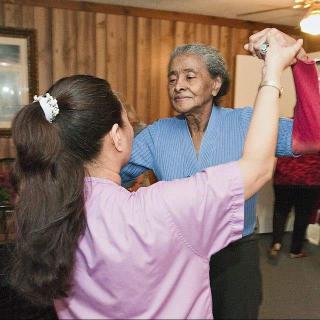
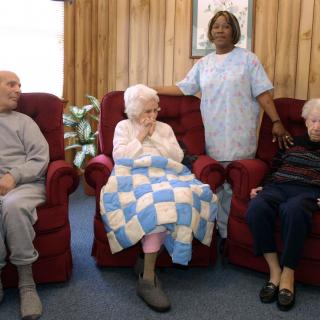
Rose's Place offers competitive pricing for its accommodations compared to the broader market in Prince George's County and the state of Maryland. For semi-private rooms, Rose's Place charges $2,500 per month, significantly lower than the county average of $3,058 and the state average of $3,545. Private rooms at Rose's Place are priced at $3,000, which also undercuts both the county's rate of $3,792 and Maryland's statewide cost of $4,112. The studio apartments at Rose's Place are available for $3,500 monthly, again providing a more economical option compared to Prince George's County's average of $4,428 and Maryland's average of $4,656. Overall, Rose's Place stands out as a value-driven choice for residents seeking affordability without compromising quality in a supportive environment.
Floor plans
Rose's Place
Prince George's County
Maryland
Semi-Private
$2,500
$3,058
$3,545
Private
$3,000
$3,792
$4,112
Studio
$3,500
$4,428
$4,656
Memory care communities with a similar price nearby
Residents describe staff as especially welcoming and responsive.
Several reviewers point to the front desk and staff as a standout, saying the team is incredible and very cordial. In a tour experience, the facility director also guided the visit and helped families understand what they were seeing. Together, the feedback emphasizes day-to-day interaction and support at the community.
common3 reviews mention this
Residents value quiet, clean surroundings
Reviews frequently mention the community feels quiet and well kept.
Multiple residents describe the place as quiet and clean, and one person says it feels safe enough for daily walking inside the community. On the opposite end, at least one reviewer criticizes cleanliness and notes concerns about staffing stability. Even with that disagreement, the strongest pattern across reviews is a preference for a calm, orderly environment.
caveat4 reviews mention this
Activity programming is a mixed picture
Activity involvement stands out, but some reviewers doubt resident engagement.
Some reviews say there are lots of things to do and describe a steady flow of activities for residents. Others raise concerns that residents do not interact or exercise much, and one reviewer describes a day centered around watching TV. How families experience daily engagement may depend on what they expected to see during tours versus what happens once residents are settled.
common3 reviews mention this
It works well as an event venue
Reviews repeatedly describe the community as a good place for hosted events.
A few reviewers talk about hosting and catering birthday parties, calling the center beautiful and the venue well appointed. Others also describe it as a nice place to rent for an event. While that’s not the same as day-to-day programming, the feedback suggests the facility supports gatherings comfortably.
How we summarize
Counts show how many written reviews mention each theme; a review can touch several themes, and only frequently mentioned themes are displayed.
Features
Housing
8 resident community capacity
Types of Care
Assisted Living
Board and Care Home
Memory Care
Amenities
Activities off-site
Activities on-site
Bath tubs
Beautician on-site
Cable or satellite TV
Devotional services off-site
Dining room
Fully furnished
Garden
Housekeeping services
Indoor common areas
Move-in coordination
Outdoor common areas
Outdoor space
Private
Private bathrooms
Respite or short term stays offered
Telephone
Wheelchair accessible showers
Wi-Fi/high-speed internet available
Transportation
Ronald Reagan Washington National (12 miles away)
Baltimore-Washington International (22 miles away)
Care Services
24-hour supervision
Activities of daily living assistance
Ambulatory care
Assistance with bathing
Assistance with dressing
Assistance with transfers
Coordination with health care providers
Diabetes diet
Diabetic care
High acuity care
Incontinence care
Meal preparation and service
Medication management
Special dietary restrictions
Transportation arrangement (medical)
Transportation to doctors appointments
Dining
Diabetes diet
Meals provided
Special dietary restrictions
Vegetarian
Activities
Activities off-site
Activities on-site
Community-sponsored activities
Devotional activities offsite
Scheduled daily activities
Nearby Places of Interest
This area of Upper Marlboro, Maryland offers a convenient and diverse range of amenities for seniors looking to settle down in a peaceful and well-equipped neighborhood. With several parks nearby such as Watkins Regional Park and Allen Pond Park, residents can enjoy outdoor recreational activities and beautiful natural surroundings. In terms of healthcare, there are multiple pharmacies and physicians offices within a short distance, providing easy access to medical services. Additionally, there are various dining options including familiar fast food chains like McDonald's and Chick-Fil-A, as well as cafes like Starbucks for a quick bite or coffee break. For those who rely on public transportation, the proximity to several metro stations such as New Carrollton Amtrak Station and Benning Road Metro Station makes travel accessible. Overall, this area offers a blend of convenience, comfort, and community for seniors looking to make this neighborhood their home.
Parks
Watkins Regional Park (1.2 miles)
Mellwood Park (4 miles)
Allen Pond Park (5.8 miles)
Marlton Community Park (6.9 miles)
L'Enfant Square (8.6 miles)
Lincoln Park (9.7 miles)
Pharmacies
CVS Pharmacy (1.9 miles)
CVS Pharmacy (2.2 miles)
Walgreens (2.5 miles)
Kaiser Pharmacy (2.7 miles)
Wegmans (4 miles)
CVS Pharmacy (4.3 miles)
Shoppers Food & Pharmacy (4.3 miles)
Restaurants
Chick-Fil-A (2.1 miles)
McDonald's (2.1 miles)
Panda Express (2.2 miles)
McDonald's (2.2 miles)
Sonic Drive-In (2.2 miles)
McDonald's (2.5 miles)
Fop 89 (2.8 miles)
Cafes
Starbucks (2.1 miles)
Starbucks (3.8 miles)
Starbucks (6.7 miles)
Starbucks (7 miles)
Panera Bread (8 miles)
Vigilante Coffee (8.9 miles)
Physicians
Dr Jenkin's Office (3 miles)
Childrens Pediatricians (4.2 miles)
Weinstein Eye Associates (5.7 miles)
Dr Vanessa Allen (6.4 miles)
TLC Pediatrics (6.6 miles)
Maryland Primary Care Physicians (7.1 miles)
MyEyeDr (7.2 miles)
Hospitals
Riverside Medical District Heights (4.8 miles)
Bowie Health Center-Emergency Medical Care (6.3 miles)
MedStar Southern Maryland Hospital Center (9.3 miles)
Transportation
New Carrollton Amtrak Station (6.2 miles)
Benning Road Metro Station (6.9 miles)
Stadium-Armory Metro Station (9 miles)
Potomac Avenue Metro Station (9.4 miles)
College Park - University of Maryland Metro Station (9.7 miles)
Rose's Place offers competitive pricing for its accommodations compared to the broader market in Prince George's County and the state of Maryland. For semi-private rooms, Rose's Place charges $2,500 per month, significantly lower than the county average of $3,058 and the state average of $3,545. Private rooms at Rose's Place are priced at $3,000, which also undercuts both the county's rate of $3,792 and Maryland's statewide cost of $4,112. The studio apartments at Rose's Place are available for $3,500 monthly, again providing a more economical option compared to Prince George's County's average of $4,428 and Maryland's average of $4,656. Overall, Rose's Place stands out as a value-driven choice for residents seeking affordability without compromising quality in a supportive environment.
Rose's Place offers a comprehensive range of services tailored to meet the unique needs of residents with dementia or Alzheimer's disease, ensuring their comfort and well-being. Assistance with dressing and bathing helps maintain personal hygiene and dignity, while 24-hour supervision provides a safe environment where individuals can feel secure. Medication management is crucial in preventing medication errors, which is especially vital for those with cognitive impairments. Meal preparation and service ensure that residents receive nutritious meals that cater to their dietary needs, enhancing their overall health. Transportation arrangements for medical appointments streamline access to necessary care, while coordination with healthcare providers ensures a cohesive approach to managing each resident's health status. Additionally, assistance with transfers promotes mobility and independence, and support with activities of daily living fosters engagement and routine, all contributing to an enriching quality of life for residents facing memory challenges. Incontinence care further addresses personal dignity and comfort, allowing individuals to navigate their daily lives with confidence.
The guide on holistic dementia care outlines the complexity of dementia and stresses the need for individualized caregiver strategies that include medical treatment, psychological support, and environmental adaptations, while emphasizing early detection, various therapeutic options, and caregiver support to enhance quality of life and maintain dignity.
"Memory Care Pathways: A Holistic Guide to Dementia Support" outlines the complexities of dementia and its various types, emphasizing early detection, patient-centered care strategies, caregiver support, and long-term care options while addressing legal and financial considerations to enhance the quality of life for individuals with dementia and their families.
Sundown syndrome, or sundowning, is a phenomenon in dementia patients characterized by increased confusion and agitation during late afternoon and evening, influenced by factors like disrupted circadian rhythms and fatigue. Effective caregiver strategies include establishing routines and managing environmental light while addressing caregiver stress through support services.
Get PricingAsk A QuestionSchedule A TourContact Senior Advisor
By clicking submit, you agree to our Partner's Terms of Use. You
also consent to receive calls and texts, which may be autodialed, from our Partner. Your consent is not a condition to
using our Partner's service. Please visit our Partner's Privacy Policy for information about their privacy practices.

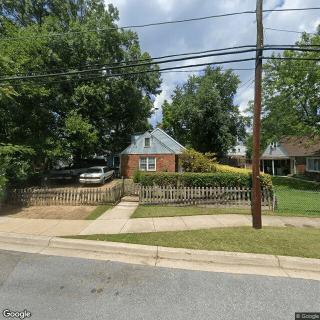
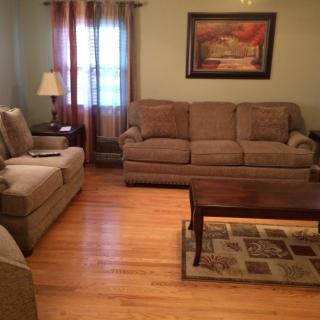
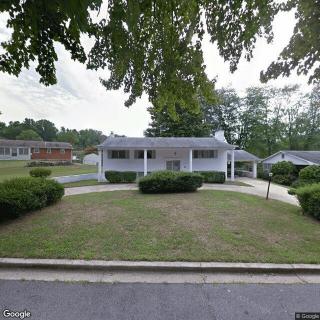

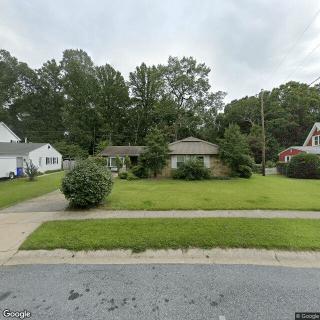
 8 resident community capacity
 Assisted Living
 Board and Care Home
 Memory Care
 Activities off-site
 Bath tubs
 Beautician on-site
 Cable or satellite TV
 Devotional services off-site
 Dining room
 Fully furnished
 Garden
 Housekeeping services
 Indoor common areas
 Move-in coordination
 Outdoor common areas
 Private
 Private bathrooms
 Respite or short term stays offered
 Telephone
 Wheelchair accessible showers
 Wi-Fi/high-speed internet available
 Ronald Reagan Washington National (12 miles away)
 24-hour supervision
 Ambulatory care
 Assistance with bathing
 Assistance with dressing
 Assistance with transfers
 Diabetes diet
 Diabetic care
 High acuity care
 Incontinence care
 Meal preparation and service
 Medication management
 Special dietary restrictions
 Transportation arrangement (medical)
 Transportation to doctors appointments
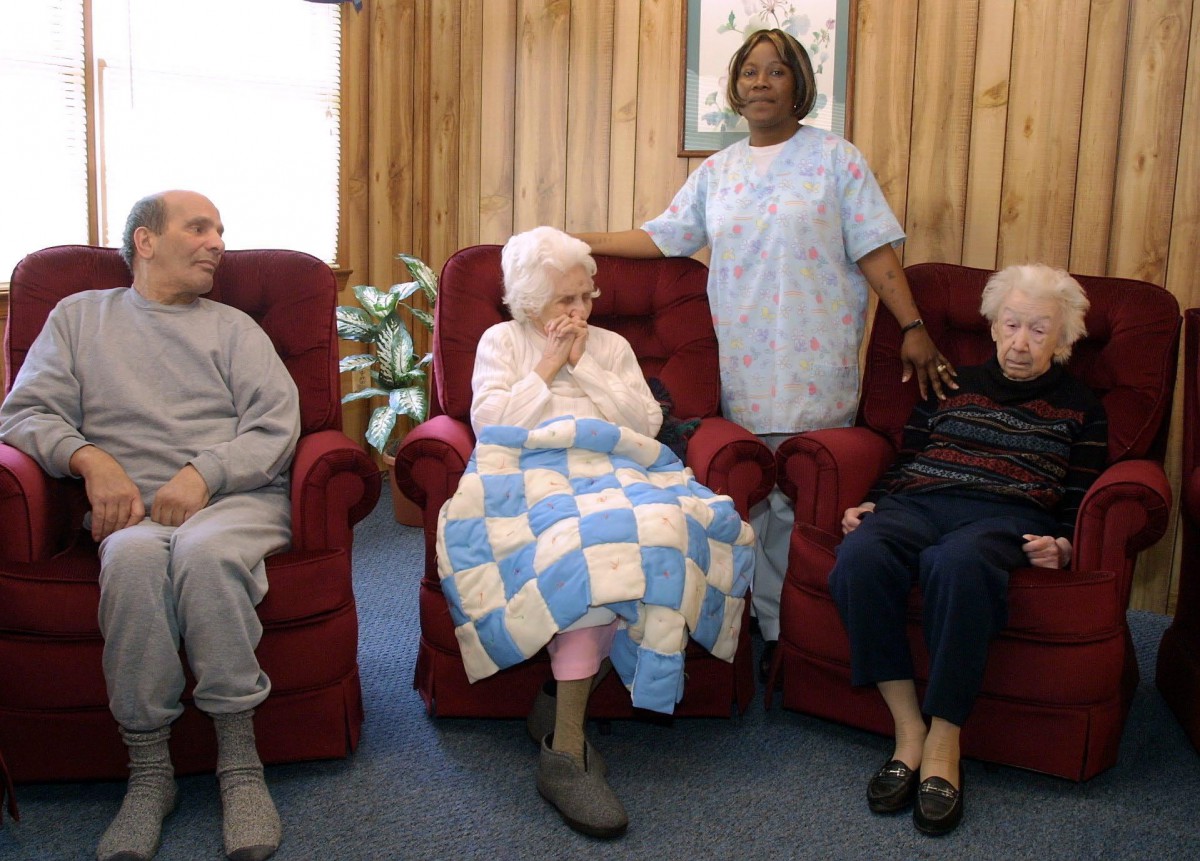
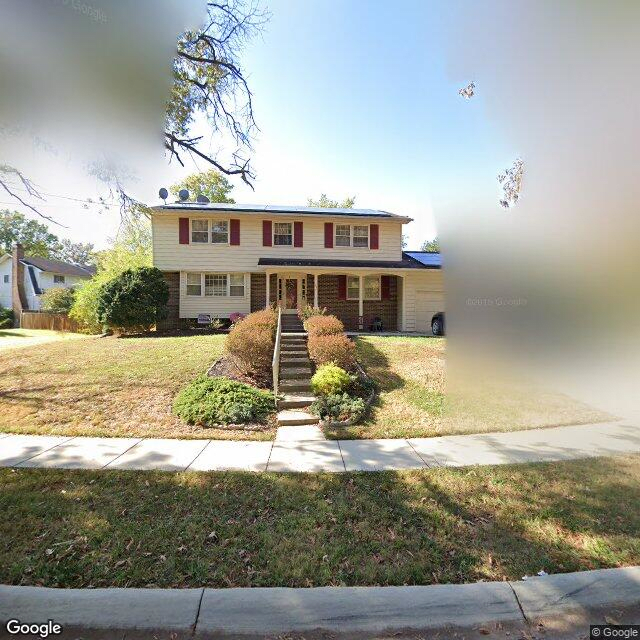
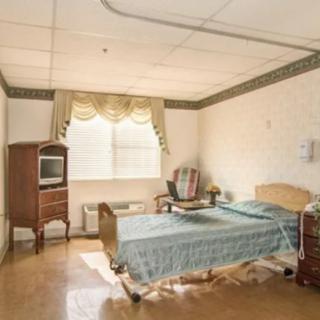
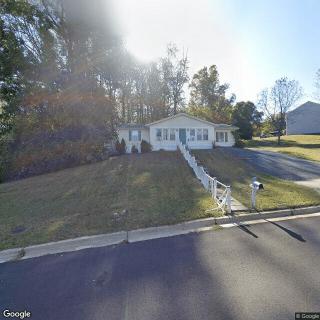
 Welcoming, home-like setting with large bedrooms and friendly, involved owners.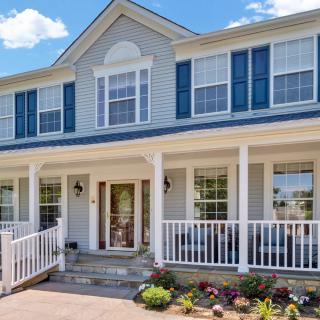

 A Holistic Dementia Care Guide: Effective Strategies for Memory Support
 Memory Care Pathways: A Holistic Guide to Dementia Support
 Comprehending Evening Confusion in Dementia: Causes, Manifestations, and Support