
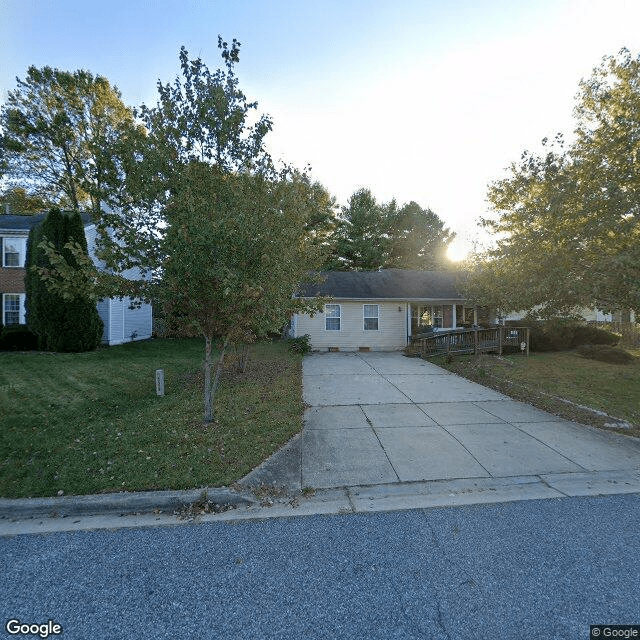
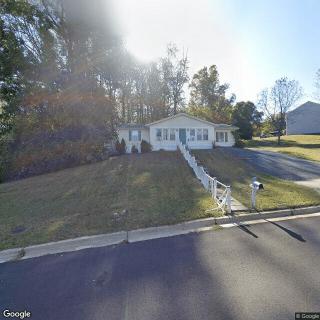
10703 Pookey Way, Largo, MD 20774
To contact a resident: (301) 237-5384
For more information about senior living options: (866) 208-4318
Angels Alert Care - Largo Costs & Pricing
Angels Alert Care in Largo offers competitive pricing for its services when compared to both Prince George's County and the broader state of Maryland. For semi-private rooms, the cost is $2,500 per month, which is notably lower than the county average of $3,058 and the state average of $3,545. Similarly, private rooms are priced at $3,000, again undercutting the county's rate of $3,792 and the state's $4,112. Interestingly, while Angels Alert Care's one-bedroom option is listed at $4,100 - higher than Prince George's average of $3,568 - it remains slightly below the Maryland state average of $3,904. This structured pricing highlights Angels Alert Care's commitment to providing accessible care without compromising quality.
| Floor plans | Angels Alert Care - Largo | Prince George's County | Maryland |
|---|---|---|---|
| Semi-Private | $2,500 | $3,058 | $3,545 |
| Private | $3,000 | $3,792 | $4,112 |
| 1 Bedroom | $4,100 | $3,568 | $3,904 |
Overall Review of Angels Alert Care - Largo
Pros
 The environment is wonderful.
- The place is very beautiful.
- Betty took the time to visit the reviewer’s father while he was in rehab.
- They really like the home and the procedures in place.
Review
Angels Alert Care – Largo is best suited for families seeking a high-quality, home-like assisted living environment where beauty, calm, and personal attentiveness are central. The reviews point to a setting that feels welcoming and well-kept, with residents able to enjoy an aesthetically pleasing atmosphere that reduces relocation stress. The emphasis on staff engagement is evident: the narrator notes attentive, proactive contact from a staff member named Betty, who even made time to visit a resident in rehab. This combination of tasteful surroundings and visible, caring involvement makes it a strong fit for seniors who value a dignified, comfortable living experience and for families looking for reassurance during transitions from rehab or hospital stays.
Those who should consider alternatives are families needing more explicit medical oversight, memory-care specificity, or transparent, published pricing and care-level definitions. The reviews provide little detail about clinical staffing, specialized programs, or the exact level of medical support available on site. For relatives prioritizing robust memory-care options, intensive daily nursing, or clearly itemized, long-term cost structures, it will be important to compare other communities that publish these particulars upfront. In short, this community excels in atmosphere and process–heavy reassurance–but may not be the first choice for those whose criteria hinge on concrete medical acuity or budget transparency.
The strongest pros, an inviting, well-maintained environment and a sense of structured, resident-centered procedures, offer meaningful counterbalances to the lack of granular care-line information. A beautiful setting lowers anxiety about the move and daily living, while clear routines and policies can smooth everyday life for residents and families alike. The personal touch highlighted in the reviews, such as Betty’s visit to a resident in rehab, signals a level of staff involvement that often translates into reliable monitoring, timely communications, and thoughtful care adjustments. When these positives align with a resident’s preferences for a warm, less clinical atmosphere, the overall value rises appreciably.
Nonetheless, the limited scope of the available reviews means the main drawbacks are not fully spelled out. The small sample and absence of detail on services beyond “home” and “procedures” leave open questions about the exact mix of therapies, activity programming, transportation, and advanced care capabilities. Prospective residents should push for specifics on nursing availability, doctor-on-site access, rehabilitation services, and how care plans are created, updated, and shared with families. Without that information, the comfort of the setting and the perceived quality of procedures may outpace what actually appears in daily operations.
To make a well-informed decision, families should insist on a comprehensive tour that includes meetings with the executive director or care coordinator, a look at sample care plans, and a breakdown of all costs. Seek clarity on what level of medical oversight is available on-site, how rehab-to-AL transitions are managed, and whether memory-care services are offered in-house or via referral partners. Ask for menus, activity calendars, and transportation schedules, plus documentation on staffing ratios, shift coverage, emergency procedures, and anticipated waitlists. Request written agreements that spell out services included in the base rate, any add-ons, and how price increases are handled over time.
When weighed against alternatives, Angels Alert Care – Largo stands out for families prioritizing elegance of environment and assurance from engaged staff. It earns confidence for residents who crave a dignified, home-forward living experience where routines are clear and staff demonstrate genuine involvement in residents’ wellbeing. For those whose priority list centers on explicit medical capabilities, memory-care specialization, or transparent pricing, this community deserves a thorough comparison with options that publish those specifics upfront. A disciplined, guided visit will reveal whether the balance of ambiance and attentiveness translates into the concrete medical and financial clarity required for a choice this consequential.
 8 resident community capacity
 Assisted Living
 Board and Care Home
 Memory Care
 Activities off-site
 Bath tubs
 Beautician on-site
 Cable or satellite TV
 Devotional services on-site
 Dining room
 Fully furnished
 Garden
 Housekeeping services
 Indoor common areas
 Move-in coordination
 Outdoor common areas
 Private
 Private bathrooms
 Respite or short term stays offered
 Telephone
 Wheelchair accessible showers
 Wi-Fi/high-speed internet available
 Ronald Reagan Washington National (12 miles away)
 24-hour supervision
 Ambulatory care
 Assistance with bathing
 Assistance with dressing
 Assistance with transfers
 Diabetes diet
 Diabetic care
 Incontinence care
 Meal preparation and service
 Medication management
 Special dietary restrictions
 Transportation arrangement (medical)
 Transportation to doctors appointments
 Christian services



 Comprehensive Guide to VA Nursing Homes: A Crucial Long-Term Care Resource for Veterans
 Estimating the Expenses of At-Home Dementia Care: A Detailed Exploration
 Comprehensive Insights on the Late Stages of Dementia: What to Expect and How to Provide Care