
3708 Grier Nursery Road, Street, MD 21154
To contact a resident: (410) 836-1295
For more information about senior living options: (866) 208-4318
Hart Heritage Estates Assisted Living of Street Costs & Pricing
Hart Heritage Estates Assisted Living of Street presents its studio accommodations at a monthly cost of $5,500, which stands out when compared to average costs in both Harford County and the broader state of Maryland. In Harford County, the average monthly rate for similar accommodations is approximately $4,674, while Maryland's statewide average is slightly lower at $4,656. This indicates that Hart Heritage Estates positions itself on the higher end of the pricing spectrum within the region. However, prospective residents and their families might consider this premium as reflective of the quality of care and services provided at the facility, making it essential to evaluate what specific amenities and support systems are included in this cost.
| Floor plans | Hart Heritage Estates Assisted Living of Street | Harford County | Maryland |
|---|---|---|---|
| Studio | $5,500 | $4,674 | $4,656 |
Memory care communities with a similar price nearby
-
from -$600 / mo
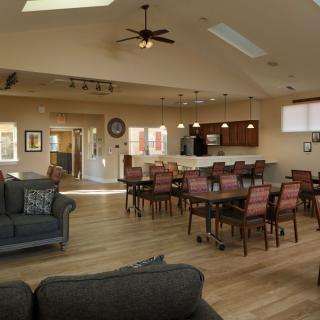
Oak Leaf Manor South
$4,900 to $7,500 / month24.4 miles away -
from +$695 / mo
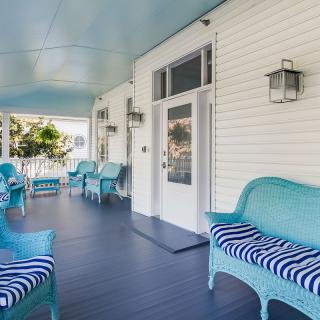
Bel Air Assisted Living
$6,195 / month8.4 miles away -
About the same
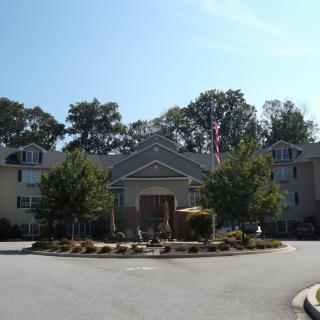
Hart Heritage Estates
$5,500 / month6.0 miles away -
from -$300 / mo
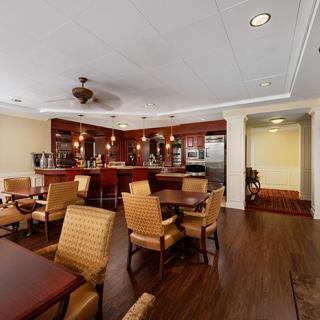
Brightview Towson
$5,200 to $7,825 / month21.5 miles away -
About the same

Forest Hill Heights
$5,375 to $6,411 / month6.0 miles away
Overall Review of Hart Heritage Estates Assisted Living of Street
Pros
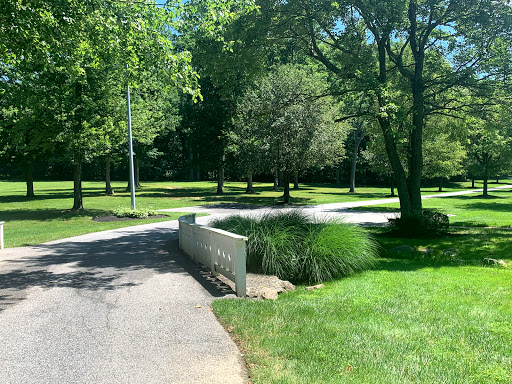
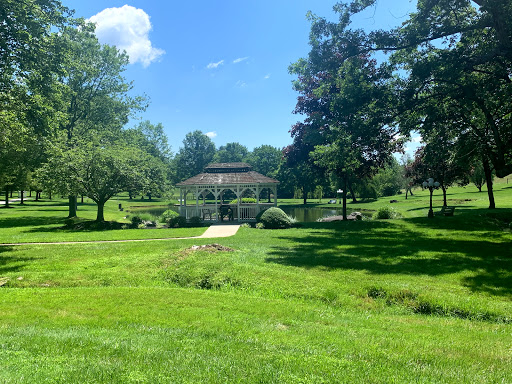
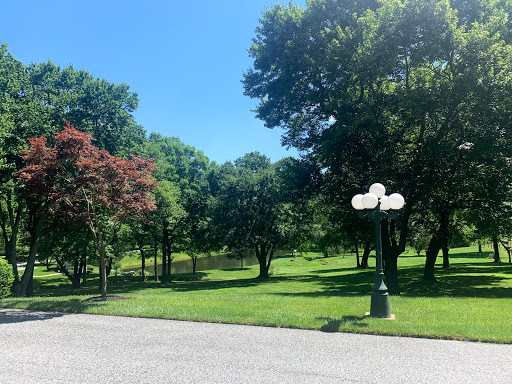
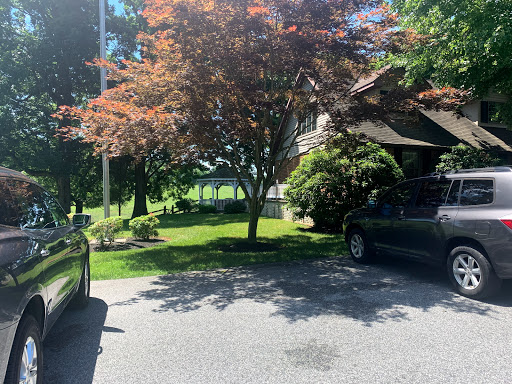
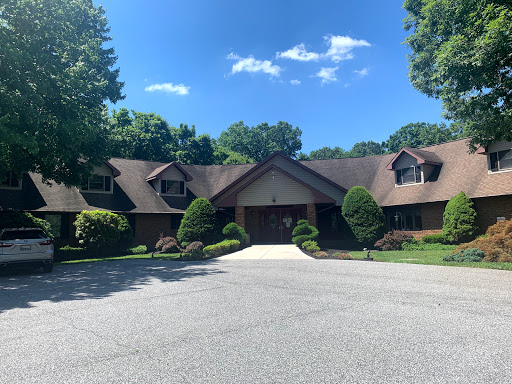
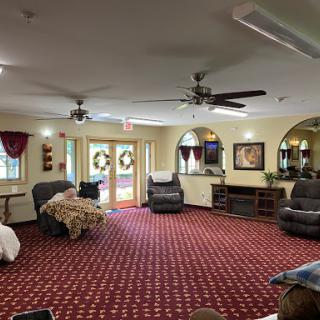
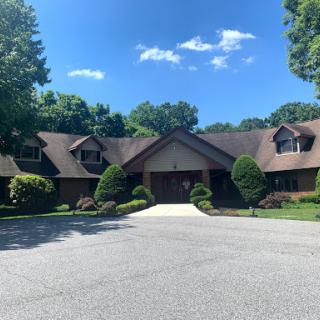
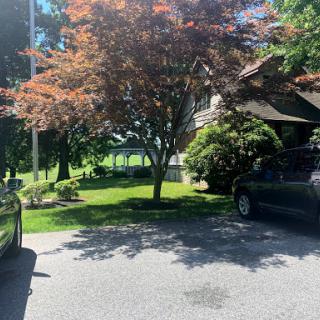
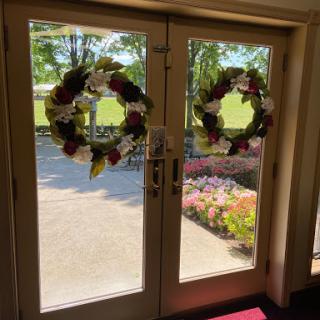
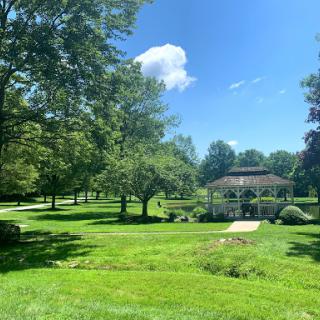
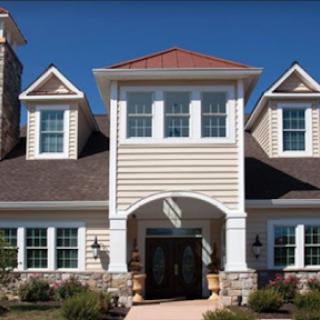
 Hart Heritage is attractive, competitively priced, and very clean.
- The location is great for residents.
- The rooms are adequately sized for residents.
- The staff are nice and professional and provide outstanding care.
- The atmosphere is friendly and residents seem happy and well cared for.
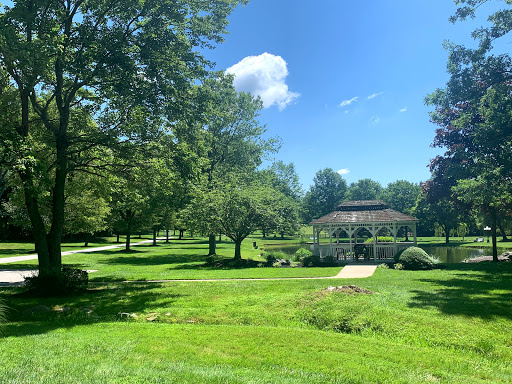
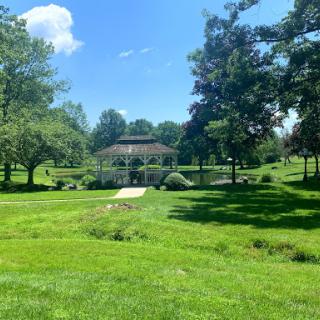
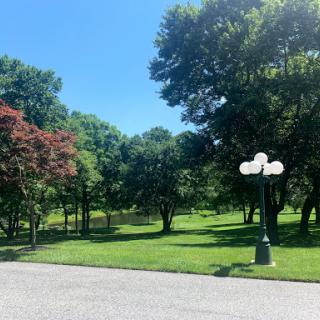
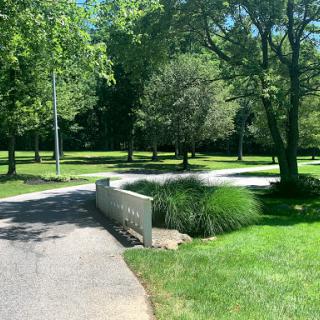
- The facility is located in a beautifully scenic area and is clean.
- The staff are knowledgeable and take great care of residents.
Cons
 They have cut back on activities due to COVID.
- They could offer more activities for the residents each day.
- The communication could be a little better; depending on who is asked, a different answer may be given.
- No activities or outdoor time offered.
- Most residents seem to be overmedicated and dazed.
- The meal there before COVID was just okay.
- They could not afford $4000 for each parent each month.
- The atmosphere was very depressing.
Review
Hart Heritage Estates Assisted Living of Street is best suited for seniors who want a clean, attractive, and calm environment with dependable staff and a location that’s easy to access from nearby homes. This community fits families seeking predictable pricing and straightforward assisted living, where safety, hospitality, and a pleasant ambiance take priority over high-intensity programming. It’s a solid fit for residents who do not demand a bustling activity calendar or specialized dementia programming, and who are comfortable with a steady pace and a focus on daily care routines. Those who prioritize a rich, day-to-day social schedule or aggressive memory-care programming may want to consider alternatives.
A clear throughline in the feedback is that Hart Heritage delivers on cleanliness, atmosphere, and staff approach. Families consistently praise the campus as well-maintained and visually appealing, with several noting a scenic setting that enhances the daily living experience. Room sizes are described as adequate for typical needs, and the overall environment is noted as friendly and welcoming. Pricing sits in a mid-range lane for comparable communities, which helps families feel they are getting solid value without overspending. The ability to utilize the Forest Hill location, when proximity to home matters, also adds a practical advantage for many caretakers.
But the reviews do not sugarcoat the trade-offs. The most persistent critique centers on activity programming: some families feel residents are kept busy with meaningful pursuits, while others sense a real gap in daily engagement and outdoor time. This inconsistency matters, because for many seniors, especially those with dementia or higher social needs, a robust activity calendar is what sustains mood and quality of life. Communication, too, can be uneven, with variability in responses depending on who is asked. Meal impressions range from “just okay” to satisfactory, signaling that dining experience may not be a standout draw for every resident.
These strengths and weaknesses interact in meaningful ways. The consistent care, safety, and staff engagement provide a solid backbone that can offset a lean activity framework for residents who value reliable routines and easy access to caregivers. For families prioritizing stability, predictable care plans, and a serene living environment, Hart Heritage Estates can be a dependable choice. The presence of two local locations offers logistical convenience and flexibility, especially for families juggling multiple schedules. In short, the quality of care and the environment can outweigh the less developed activity programs, so long as expectations align with the community’s operational reality.
However, the stronger cautions should not be dismissed. One review paints a more troubling picture, describing a lack of meaningful activities, no outdoor time, and a perception that residents are overmedicated and depressed. While this view may not reflect every resident’s experience, it signals the importance of due diligence: prospective families should probe for a concrete, written activity plan, daily schedules, and a transparent approach to medications and mood management. The price point, about $4,000 per month for two loved ones, will also factor into the decision, and for some households that burden can push them toward alternatives with more expansive engagement options or different budgeting models.
Ultimately, Hart Heritage Estates is a practical, capable choice for families prioritizing cleanliness, safety, professional staff, and a comforting, scenic setting. It is less ideal for those who require a highly dynamic daily program, rich outdoor time, and pronounced dementia-focused activities. Alternatives should be considered for families seeking more comprehensive activity calendars, stronger memory-care specificity, or lower ongoing costs. Prospective residents should schedule a visit with explicit questions about daily activity offerings, dementia programming, meal quality, and staffing ratios. Request a sample week of activities, observe a care interaction, and review a written care plan before deciding, these steps turn the general positives into a clear, decision-ready picture.
 Assisted Living
 Memory Care
 Activities on-site
 Devotional services off-site
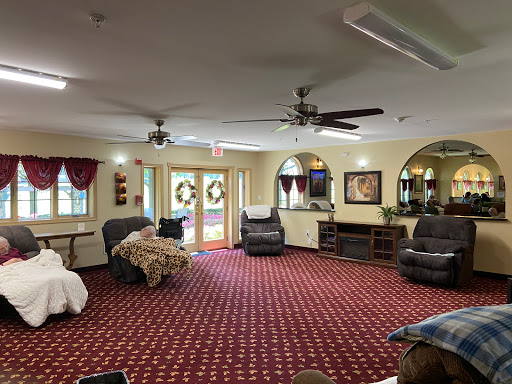
 Indoor common areas
 Wheelchair accessible showers
 Diabetic care
 Incontinence care
 Meals provided


 An In-Depth Look at Reminiscence Therapy in Dementia Care
 Dementia-Related Hallucinations: Causes, Experiences, and Practical Approaches
 Illuminating Insights About Alzheimer's Disease: Ten Crucial Realities