
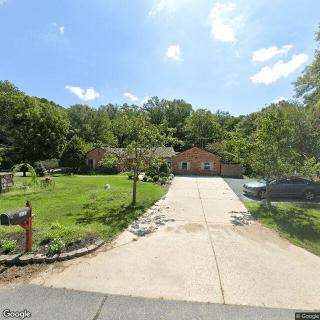
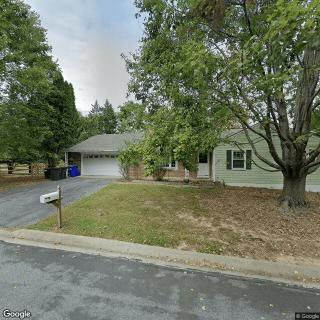
1405 Woodwell Rd, Silver Spring, MD 20906
To contact a resident: (301) 460-2333
For more information about senior living options: (866) 208-4318
Cascadia Courts II, LLC Costs & Pricing
At Cascadia Courts II, LLC, the monthly cost for a private room is set at $2,850, which presents a significantly more affordable option compared to the averages in both Montgomery County and the broader state of Maryland. In Montgomery County, residents can expect to pay around $5,009 per month for similar accommodations, while the statewide average hovers at approximately $4,112. This pricing differential highlights Cascadia Courts II as an attractive choice for individuals seeking high-quality housing without the burden of excessive costs often associated with other local facilities.
| Floor plans | Cascadia Courts II, LLC | Montgomery County | Maryland |
|---|---|---|---|
| Private | $2,850 | $5,009 | $4,112 |
Senior living communities with a similar price nearby
-
from +$125 / mo
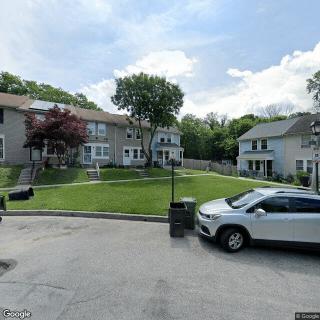
Gneale Home Care
$2,975 / month22.9 miles away -
from +$150 / mo
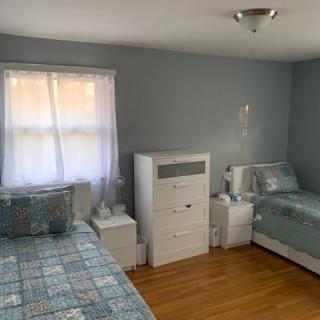
Hands & Hearts Assisted Living Silver Springs
$3,000 to $3,500 / month3.2 miles away -
from -$150 / mo
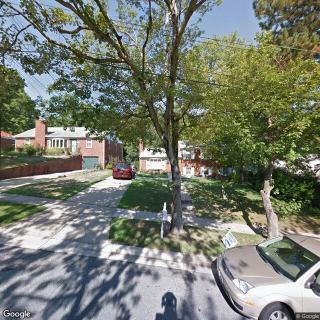
Lifesprings Eldercare II
$2,700 to $3,100 / month20.5 miles away -
from -$350 / mo
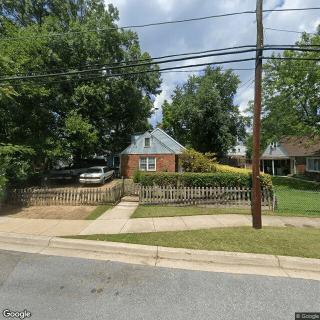
Amazing Grace Senior Care
$2,500 to $3,000 / month13.0 miles away -
from -$150 / mo
Pat's Golden Girls
$2,700 to $3,200 / month23.9 miles away
Overall Review of Cascadia Courts II, LLC
Pros
 Cascadia Courts has been key in stabilizing a senior family member with dementia.
- The staff are communicative, and the environment is peaceful and clean.
- The caregivers genuinely care about the residents.
- The facility prioritizes residents' comfort and ensures they are comfortable.
- It offers a clean environment, friendly staff, healthy food, and lots of fun activities.
- The service is warm and caring in a beautiful community.
Review
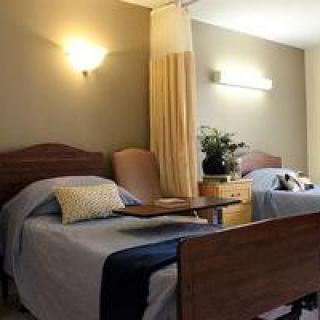
Cascadia Courts II is best suited for families seeking memory-care–oriented senior living in Silver Spring who prioritize a calm, well-maintained setting, strong communication, and genuinely attentive staff. The community’s standout strengths lie in stabilizing residents with dementia and keeping mental health front and center in daily care. With a remarkably high rating among a small pool of reviews, the facility earns trust through repeated notes about peaceful environments, clean surroundings, and caregivers who genuinely seem to care. For families facing the long road of dementia care, this option offers a credible home base where emotional well-being and consistency appear central to daily routines.
However, consideration should be given to residents whose needs extend beyond routine assistance. Alternatives may be more appropriate for individuals requiring intensive medical oversight, 24/7 skilled nursing, or highly specialized clinical services. If the plan is to secure a setting with expansive medical resources on-site, or if budgetary constraints demand lower-cost arrangements, family decision-makers may want to explore other communities that emphasize acute clinical capacity or tiered pricing. The fit strengthens when expectations center on daily living support, structured activities, and memory-care-minded approach rather than hospital-grade medical supervision.
The strongest pro set centers on stability and warmth. Dementia care is described as a journey well-tracked by committed staff, with clear, ongoing communication that keeps families informed and residents comfortable. The environment is consistently portrayed as peaceful and clean, which helps reduce agitation and confusion for memory-impaired residents. Caregivers are not merely present; they are described as genuinely caring, which translates into more reliable routines, timely responses, and softer transitions between activities and rest. Mental health attention stands out against typical gaps found in many facilities, giving families confidence that emotional comfort is being addressed as part of daily care.
Daily life at Cascadia Courts II also features tangible quality-of-life attributes. Nutritious meals and a busy schedule of activities contribute to physical health and social connection, addressing common risks of isolation and malnutrition for seniors. The combination of healthy dining, engaging programming, and a culture described as warm and attentive supports a sense of belonging and purpose. Residents appear to enjoy consistent, person-centered interactions, and the overall community vibe is described as beautiful, which matters for residents who spend much of their day in the living environment. These elements collectively offset the absence of a larger, clinical footprint by delivering reliable, human-centered support.
Even so, the decision framework benefits from a practical diligence checklist. Because reviews do not reveal explicit gaps, families should still verify practical details that influence day-to-day satisfaction: the availability of on-site medical oversight, medication management protocols, and emergency response responsiveness; staffing ratios across shifts; and the care plan processes for evolving dementia needs. Prospective residents should request to meet the memory-care director, review sample menus and activity calendars, and observe a care routine during a visit. Understanding how often clinicians participate in care planning and how quickly staff can escalate concerns will clarify how the positives translate into real-world reliability.
Ultimately, Cascadia Courts II earns a clear recommendation for families prioritizing dementia-stable living, emotional warmth, and a respectful daily rhythm. The combination of attentive staff, a clean, peaceful setting, and meaningful engagement creates a compelling environment for residents who thrive on consistent routines and social interaction. For those whose needs center more on high-acuity medical services, or whose financial constraints demand broader affordability, it makes sense to compare options with stronger clinical resources or more flexible pricing. In the right match, Cascadia Courts II offers a practical, humane, and reassuring path through the dementia care journey.
 Board and Care Home
 Activities off-site
 Bath tubs
 Devotional services off-site
 Indoor common areas
 Outdoor common areas
 Private
 Private bathrooms
 Respite or short term stays offered
 Wheelchair accessible showers
 Ronald Reagan Washington National (16 miles away)
 Ambulatory care
 Diabetic care
 Incontinence care
 Medication management
 Meals provided
 Nurturing Our Loved Ones: A Daughter's Journey in Caring for Her Mother
 Nurturing Our Elders: Linda's Journey of Supporting Her Mother
 A Comprehensive Exploration of Common Misunderstandings about Powers of Attorney