
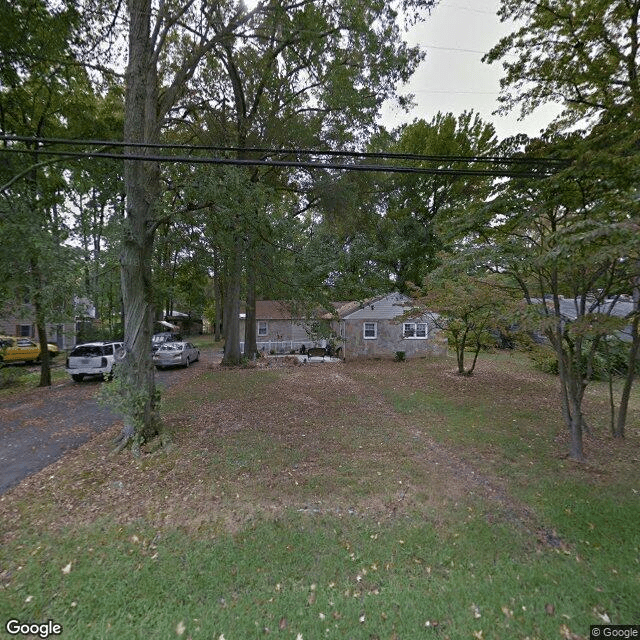
113 Giddings Avenue, Severna Park, MD 21146
To contact a resident: (410) 384-4638
For more information about senior living options: (866) 208-4318
In Comforting Arms Costs & Pricing
In Comforting Arms offers competitive pricing for its accommodations, with monthly costs positioned attractively against both county and state averages. For a semi-private room, residents can expect to pay $3,000, significantly lower than the Anne Arundel County average of $4,109 and slightly below the Maryland state average of $3,545. Similarly, those opting for a private room at In Comforting Arms will find their rate of $4,000 to be quite favorable compared to the county's average of $4,162 and the state's $4,112. This pricing structure not only reflects a commitment to providing quality care but also ensures that residents receive exceptional value in a comfortable environment.
| Floor plans | In Comforting Arms | Anne Arundel County | Maryland |
|---|---|---|---|
| Semi-Private | $3,000 | $4,109 | $3,545 |
| Private | $4,000 | $4,162 | $4,112 |
Overall Review of In Comforting Arms
Pros
 The family-like atmosphere helps with healing.
- The staff are warm and nurturing.
- It is very clean.
- The caregiver is excellent.
- The owner is new and very caring.
- Security is good.
- The night staff is awake.
- The facility is very nice and new.
Cons
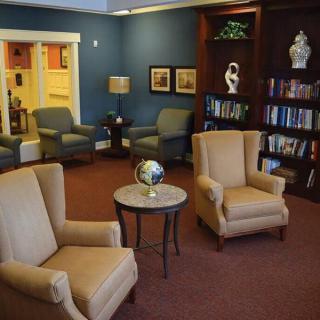
 The interior and exterior look dark.
- It is in need of maintenance repairs.
Review
In Comforting Arms in Severna Park, MD is best suited for seniors who prize an intimate, home-like setting where caregivers know residents by name and daily routines feel like a well-run household. This community works particularly well for couples or individuals who want daily assistance delivered with warmth, reliable overnight coverage, and a sense of security rather than a campus-scale experience. The emphasis on a family-like atmosphere, cleanliness, and a small, closely watched environment makes it a strong fit for those who value personal connection, steady staffing, and a nurturing approach to healing and daily living.
Those most likely to want alternatives are families seeking robust on-site medical services, expansive activity calendars, or immediate admission with broad amenities. The layout, a single five-occupant house, naturally constrains space, staff, and programming, which can leave little room for turnover or wide-ranging activities. A desire for brighter aesthetics or a newer, more polished interior may clash with the current dark look described by some. Availability also emerges as a real hurdle: the home’s small footprint means openings are scarce, and move-in timelines can stretch, requiring careful planning and contingency.
On balance, the strongest positives center on relational strength and operational reliability. The family-like atmosphere fuels a sense of belonging and may accelerate healing and comfort for residents who respond to close, compassionate attention. Cleanliness and a conscientious caregiver team, bolstered by an owner who has embraced a hands-on, caring role, produce a dependable daily rhythm. Security is consistently noted, with night staff remaining awake to monitor needs. These pros can substantially offset the limitations of space and occasional maintenance needs, delivering peace of mind for families who value trust, consistency, and a familiar, supportive environment.
The facility’s five-occupant, single-family home structure also clarifies who should proceed with clear expectations. Intimacy and rapid communication are clear advantages, allowing staff to notice subtle changes quickly and tailor care with a personal touch. Yet the same compact footprint can hamper access to diverse services, scale of social programming, and availability of rooms. The described maintenance needs and a darker interior aesthetic are legitimate drawbacks that can detract from comfort, especially for residents who require broader rehabilitation supports, more modern amenities, or faster entry into a new living situation. Prospective residents should verify the current occupancy status and any forthcoming upgrades that might improve aesthetics and function.
Decision-minded families should approach with a precise checklist. Arrange a live tour and meet the caregiving team across shifts to understand staff availability and continuity. Clarify what level of care is included in fees, ADLs assistance, medication management, transportation, and confirm any gaps that might require external services. Inquire about the maintenance plan: outstanding repairs, who handles updates, and any scheduled renovations. Assess the strength of programming given the home’s size and confirm emergency procedures and nursing oversight as needed. Finally, build a transparent cost picture and compare it against the emotional value of a dedicated, home-like setting.
In Comforting Arms offers a compelling option for families prioritizing warmth, security, and personal attention over campus-scale amenities. The combination of a family-like atmosphere, clean surroundings, and dedicated caregivers can produce meaningful improvements in daily well-being and peace of mind. The trade-offs are real: limited space, intermittent maintenance concerns, and restricted availability can temper the experience for those seeking extensive activity options or modern polish. When those trade-offs align with a loved one’s need for homey daily care, predictable routines, and steady overnight coverage, this community merits serious consideration, accompanied by an intentional tour, candid conversations about space and services, and a clear plan for transition. If not, explore alternatives that deliver broader services and ready-to-move-in availability.
 5 resident community capacity
 Assisted Living
 Board and Care Home
 Dogs allowed
 Activities off-site
 Bath tubs
 Beautician on-site
 Cable or satellite TV
 Devotional services off-site
 Dining room
 Fully furnished
 Garden
 Housekeeping services
 Indoor common areas
 Move-in coordination
 Outdoor common areas
 Private
 Private bathrooms
 Respite or short term stays offered
 Telephone
 Wheelchair accessible showers
 Wi-Fi/high-speed internet available
 Baltimore-Washington International (10 miles away)
 24-hour supervision
 Ambulatory care
 Assistance with bathing
 Assistance with dressing
 Assistance with transfers
 Diabetes diet
 Diabetic care
 Incontinence care
 Meal preparation and service
 Medication management
 Special dietary restrictions
 Transportation arrangement (medical)
 Transportation to doctors appointments

 Exploring the Path to Senior Living: A Comprehensive Look at Independent Living and Assisted Living
 Is Assisted Living Deductible on Your Taxes? Understanding the Complexities of Assisted Living Expenses and Deductions
 Assisted Living Support for Veterans: A Complete and Detailed Overview