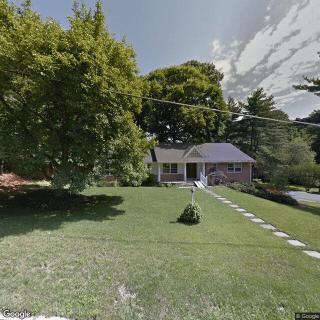
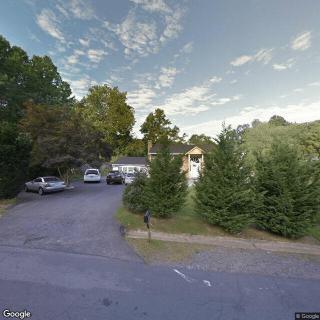
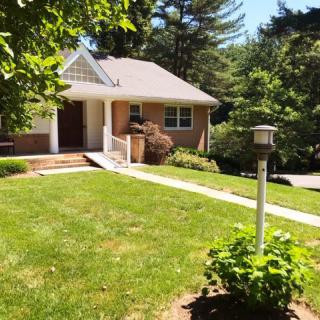
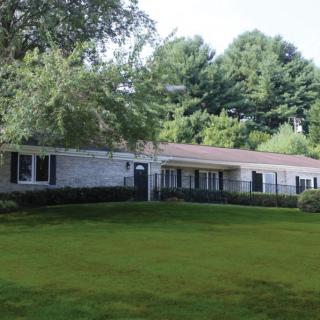
9701 Veirs Dr, Rockville, MD 20850
For more information about senior living options: (844) 490-3973
National Lutheran Home & Village at Rockville offers private rooms at a competitive monthly rate of $5,000, which places it slightly below the average cost in Montgomery County at $5,009. However, it is notably higher than the state average for Maryland, which stands at $4,112. These figures reflect the facility's commitment to providing quality care and amenities that may justify the premium pricing compared to local and state averages. As families consider their options for senior living, it's important to weigh not just the costs but also the value of services and community environment that National Lutheran Home & Village provides.
| Floor plans | National Lutheran Home & Village at Rockville | Montgomery County | Maryland |
|---|---|---|---|
| Private | $5,000 | $5,009 | $4,112 |
What level of care are you interested in?

Assisted Living

Memory Care

Independent Living

Skilled Nursing Facility

Continuing Care Retirement Community (CCRC)CCRC

Other
The Village at Rockville presents itself as a large, multifaceted senior living community offering independent living, assisted living, memory care, and rehabilitation. Across many experiences, visitors consistently note the campus's appealing attributes: beautiful, well-maintained facilities; a comfortable and welcoming atmosphere; and staff who can be patient, kind, and compassionate. Several reviews highlight positive impressions of the rehab environment, with therapists who are dedicated and encouraging, and a nursing and housekeeping staff described as superb in certain shifts or units. Some residents and families sing the praises of the on-site dining, noting delightful meals and staff who help select options with care, along with housekeeping that is meticulous and consistently clean. In short, the place can feel like a well-run, supportive home, especially for those who land in the right wing of the building or on the right shift.
Yet, beneath these strengths lies a persistent undercurrent of frustration and concern that runs through many accounts. A number of reviews describe unprofessionalism and inconsistent treatment, with perceptions that staff only engage meaningfully with people they know well and not with agency staff or newer residents. Management is repeatedly called out as disengaged or lazy, with critics alleging they stay behind the scenes rather than stepping onto the floor to support patients or front-line staff. Some residents feel there is a lack of accountability and a deficit of formal policies, presenting a picture of a culture where "the rules" can feel arbitrary or unspoken. Requests for help, timely reporting, and adherence to care plans are reported to be met with delays or dismissiveness in several instances, contributing to a sense that residents' needs can be deferred rather than addressed promptly.
In the rehabilitation sphere, opinions are notably mixed. On one hand, several people describe rehab as a highlight - with therapists who push hard in a supportive, encouraging way, enabling patients to regain strength and mobility. Some would readily recommend the rehab program to family and friends, and stories emphasize tangible improvements and a sense of progress, with patients returning home in better condition than when they arrived. On the other hand, there are complaints about inconsistency in rehab experiences: some sessions are praised, while others are criticized for inattentiveness, poor communication at arrival, or a general sense that staff would rather have residents wear diapers than assist with bathroom needs. These conflicting experiences contribute to a view that rehab quality may depend heavily on the particular staff on duty during a given day.
Nursing care emerges as perhaps the most polarized aspect of the community's reputation. A chorus of praise points to nurses and aides who are courteous, competent, and supportive, with some residents feeling that the nursing staff-to-patient ratio is adequate and that the team works well to meet daily needs. Conversely, other reflections describe nurses as overwhelmed, inattentive, or incompetent, sometimes with serious consequences - such as UTIs arising from missed dew-on-care or inappropriate management of chronic conditions. Several reviewers recount delays in response times after pressing call lights, with waits of 30 minutes or more commonplace in some reports. The contrast between these experiences can be stark: respectful, proactive nursing on one shift versus slow, disorganized, or even negligent care on another.
Alongside care delivery, administration and policy come under sharp scrutiny. A recurring theme is the perception of leadership that is either absent or unresponsive. Critics say there is a lack of written policies and insufficient accountability; some feel the management team is more engaged with back-office operations than with the day-to-day welfare of residents. The sentiment is that the facility sometimes prioritizes appearances or efficiency over the continuous, attentive oversight that residents rely on. The experience of family members who have confronted these issues ranges from cautious optimism to outright concern about potential legal action if conditions do not improve, underscoring the seriousness with which some families view the quality of care.
The community's living and care ecosystem across different levels - independent living, assisted living, memory care - offers a further snapshot of mixed outcomes. In independent living, reviewers describe a pleasant environment but point to practical irritants: a kitchen-sized dining setup that necessitates reservations, slow service for meals, and issues with connectivity or accessibility such as limited cellular or Wi-Fi in some rooms. Some residents report delayed or lost communications to nurses, and even safety concerns like difficult door locks or delayed responses to bathroom needs. In contrast, memory care recipients are described in more consistently glowing terms by some families, who credit experienced doctors, steady nursing support, and a committed, respectful culture of care that extends to weekends and holidays. In these accounts, leadership and teamwork are highlighted as strong points, with families feeling cared for and reassured by attentive staff and well-coordinated services.
The sensory and cultural atmosphere of the campus also colors the overall impression. A number of reviewers speak positively about the warmth of the staff, the attentiveness of care teams, and the attentive, friendly front-desk experience. There are also notes of appreciation for the physical setting - the antiques and the overall d?cor - and for programs designed to engage residents through activities, field trips, and concerts. Yet there are troubling anecdotes that remind readers of the risk of bias and unfair treatment. An Easter-related incident, in particular, is described as a clash over masking guidance that escalated into a feeling of harassment by staff toward a family seeking to participate in a public event. This incident is presented as emblematic of broader concerns about respectful treatment and equal, non-discriminatory communication with residents and their families.
Taken together, the mosaic of experiences at the Village at Rockville illustrates a care community capable of delivering high-quality rehabilitation, compassionate memory care, and well-maintained facilities, while simultaneously exposing vulnerabilities in staffing, responsiveness, and leadership. For some residents and families, the environment offers a genuinely positive and rehabilitative experience, with staff who feel like partners in recovery and daily living. For others, the combination of slow response times, inconsistent care, and perceived leadership gaps creates caution about the overall reliability of the facility. Prospective families are wise to conduct thorough visits, ask pointed questions about nurse-to-patient ratios, call-light responsiveness, medication management, care coordination across levels of care, and the facility's policies on accountability and continuous improvement. The Village at Rockville can be a place of comfort, healing, and community for many, while for others it can reveal significant gaps that warrant careful consideration and ongoing dialogue with caregivers and administrators.
The National Lutheran Home & Village at Rockville in Rockville, MD is an assisted living community that offers a range of amenities and services to its residents. The community provides numerous activities on-site, allowing residents to engage in social and recreational opportunities without having to leave the premises. In addition, there is a beautician on-site for the convenience of the residents.
For those who wish to participate in religious services, both on-site and off-site options are available. The indoor common areas provide comfortable spaces for residents to gather and socialize, while the outdoor common areas offer opportunities for enjoying fresh air and nature.
Respite or short-term stays are offered for those who may require temporary care or assistance. The community also caters to residents with high acuity care needs and provides specialized care for individuals with incontinence issues.
In terms of dining options, vegetarian meals are available to cater to different dietary preferences. Nearby, there are several cafes, parks, pharmacies, physicians' offices, restaurants, transportation options, places of worship, theaters, and hospitals within close proximity for the convenience of the residents.
The National Lutheran Home & Village at Rockville aims to provide a comfortable and enriching living environment for its residents by offering a variety of amenities and services tailored to their needs.
National Lutheran Home & Village at Rockville offers private rooms at a competitive monthly rate of $5,000, which places it slightly below the average cost in Montgomery County at $5,009. However, it is notably higher than the state average for Maryland, which stands at $4,112. These figures reflect the facility's commitment to providing quality care and amenities that may justify the premium pricing compared to local and state averages. As families consider their options for senior living, it's important to weigh not just the costs but also the value of services and community environment that National Lutheran Home & Village provides.
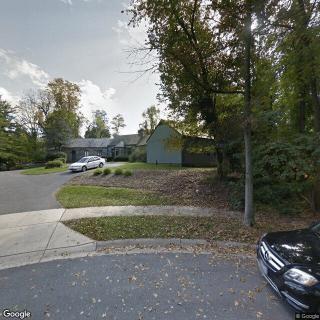
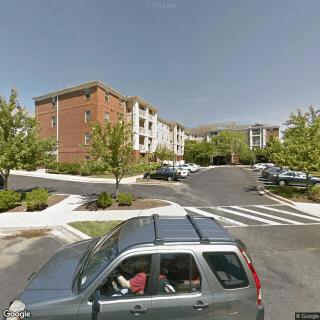
National Lutheran Home & Village at Rockville is located at 9701 Veirs Dr, Rockville, MD 20850 in Montgomery County, Maryland
Yes, National Lutheran Home & Village at Rockville allows both dogs and cats.
Brightview Fallsgrove
Rockville, MD
Attractive, clean, and well-decorated community with friendly staff and engaging activities.
Brightview Fallsgrove costs
Brightview Fallsgrove reviews
Brightview Fallsgrove images
Collingswood Rehabilitation And Healthcare Center
Rockville, MD
Clean, well-maintained facility with some caring staff and recent renovations.
Collingswood Rehabilitation And Healthcare Center reviews
Collingswood Rehabilitation And Healthcare Center images
The Gardens of Traville
Rockville, MD
Attentive management with a clean, affordable, and conveniently located community.
The Gardens of Traville costs
The Gardens of Traville reviews
The Gardens of Traville images
The Seneca at Rockville
Rockville, MD
Upscale, hotel-like atmosphere with diverse programs and restaurant-style dining.
The Seneca at Rockville costs
The Seneca at Rockville reviews
The Seneca at Rockville images
Ingleside at King Farm
Rockville, MD
Bright, well-maintained apartments with attentive staff and active amenities.
Ingleside at King Farm costs
Ingleside at King Farm reviews
Ingleside at King Farm images
Manor Care Health Services - Potomac
Potomac, MD
Clean facility with professional therapists and generally friendly staff.
Manor Care Health Services - Potomac reviews
Manor Care Health Services - Potomac images
A Closer Look at Private Pay Home Care
Private pay home care offers a flexible caregiving option for older adults and families who don't qualify for government programs, allowing them to directly fund in-home care services that range from daily assistance to specialized support. This model's customization potential enables aging in place while addressing financial considerations through strategic planning options, though clients must navigate marketplace challenges and ensure quality compliance.
Comprehensive Approaches for Arthritis: A Detailed Guide to Symptoms, Causes, and Care

Arthritis encompasses over 100 joint disorders affecting people of all ages, leading to symptoms like pain and stiffness that impair mobility and quality of life. Effective management involves early diagnosis, lifestyle changes, medical treatments, emotional support, and ongoing monitoring with healthcare professionals.
Comprehensive Insights and Practical Strategies to Help Older Adults Avoid Falls
The article highlights the high risk of falls among older adults due to factors like muscle weakness, vision issues, and environmental hazards, with one in four experiencing a fall annually. It advocates for a comprehensive prevention approach that includes exercise, home safety modifications, medication management, social support, and caregiver involvement.