
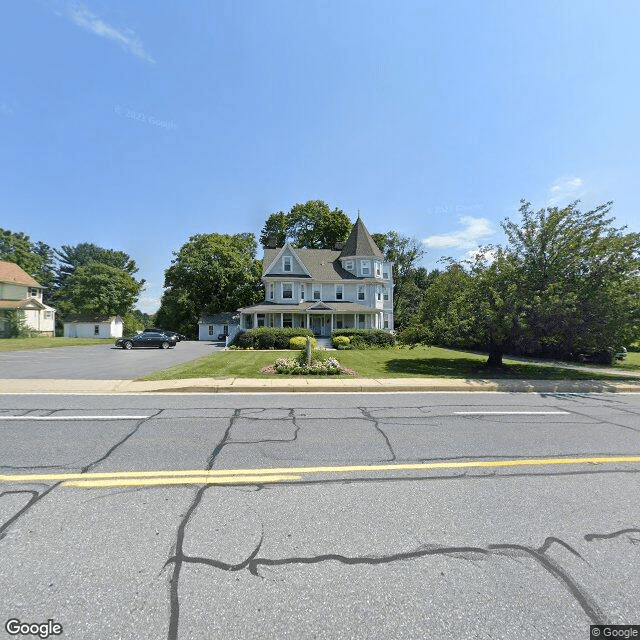

639 Main Street, Reisterstown, MD 21136
To contact a resident: (410) 526-5863
For more information about senior living options: (866) 208-4318
Best Care Assisted Living Costs & Pricing
At Best Care Assisted Living, the costs for accommodations reflect a competitive pricing structure when compared to both Carroll County and the broader state of Maryland. For studio rooms, residents can expect to pay between $2,495 and $4,500 per month, which is significantly lower than the county average of $4,551 and the state average of $4,656. This pricing advantage extends to semi-private rooms as well, with a monthly cost of $3,800 that is higher than the local rate of $3,554 but still in line with Maryland's average of $3,545. Overall, Best Care Assisted Living provides an appealing option for those seeking quality care in a supportive environment while remaining mindful of budget considerations.
| Floor plans | Best Care Assisted Living | Carroll County | Maryland |
|---|---|---|---|
| Studio | $2,495 to $4,500 | $4,551 | $4,656 |
| Semi-Private | $3,800 | $3,554 | $3,545 |
Assisted Living communities with a similar price nearby
-
from -$600 / mo

Mumsey's Residential Care
$3,200 to $5,400 / month9.8 miles away -
from -$300 / mo

Greenway Manor
$3,500 to $3,800 / month11.3 miles away -
from -$300 / mo
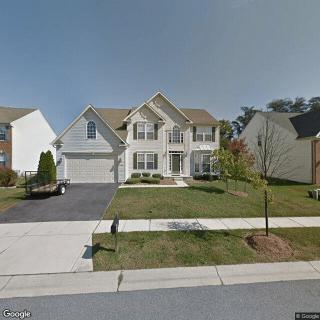
Hanover Assisted Living
$3,500 to $5,000 / month22.0 miles away -
from +$556 / mo

North Oaks, a CCRC
$4,356 to $5,471 / month5.9 miles away -
from +$200 / mo

Morningside House of Friendship
$4,000 to $6,400 / month21.7 miles away
Overall Review of Best Care Assisted Living
Pros
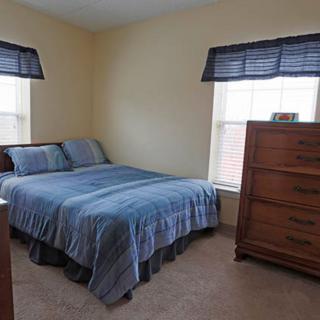
 The rooms are nice.
- The staff are friendly and accommodating.
- The food is great.
- It offers very good value.
- Activities are catered to groups and individuals based on needs.
- Her mom likes it.
- The staff were extremely helpful and attentive.
Cons
 BestCare was very depressing.
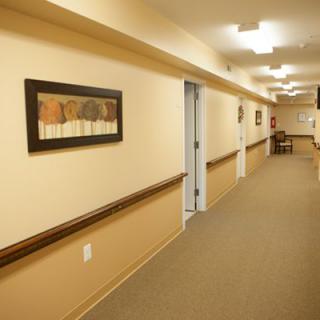
- The facilities were clean but not modern at all.
- It was an old house.
Review
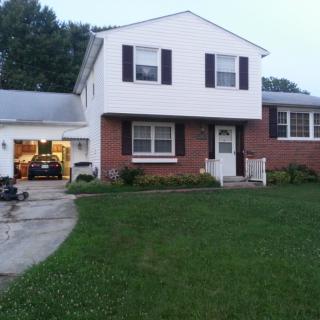
Best Care Assisted Living in Reisterstown is best suited for seniors who prize a home-like, intimate setting where attentive staff, good meals, and personalized activity options translate into real daily comfort and peace of mind for families. The reviews point to a facility that feels cozy and non-institutional, with rooms that are comfortable and a staff that is friendly, responsive, and consistently available to help. For families balancing cost against quality care, Best Care offers notable value, and residents who want a place that feels more like a welcoming home than a clinical environment will likely appreciate the atmosphere and daily rhythm here.
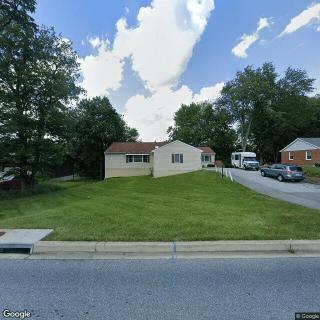
Alternatives to consider are worth weighing for those who prioritize modern aesthetics or a more brisk, public-facing social scene. One reviewer described the setting as an old house that isn’t particularly modern, which may be a deal-breaker for families seeking contemporary décor, upgraded common areas, or a facility that exudes a more polished, resort-like feel. If the priority is a brighter, more bustling vibe, or if extensive on-site clinical services and highly structured programming are non-negotiable, later-stage options in larger, more contemporary communities could offer a better match.
The strongest positives, friendly, accommodating staff; a comforting, homey environment; and solid value, do meaningful work in offsetting the drawbacks of an aging physical facility. The care and attentiveness reported by multiple family members underscore a dependable level of safety and companionship. In practical terms, this means families can trust the staff to handle daily needs, monitor well-being, and respond promptly, which can be exactly what matters most when choosing lodging for a loved one whose health or independence fluctuates.
Meals and daily programming emerge as practical wins. Food is consistently described as good, and activities are noted for being adaptable, able to cater to both group interests and individual needs. This combination helps residents maintain routines, feel engaged, and preserve a sense of autonomy. Yet the programming may not satisfy every resident who expects a high-energy social calendar; those seeking a broad array of on-site activities or highly structured schedules might find the offerings less expansive than anticipated. That is a real limitation, but not a crippling one for residents who prioritize comfort, consistency, and meaningful personal connections.
Cleanliness and a warm, home-like atmosphere are recurrent themes in the reviews, reinforcing the sense that this is a place where people feel safe and cared for without surrendering their dignity. The homey living room vibe, described as less clinical, can be a major plus for seniors who resist the hospital-like feel of larger facilities. The caveat is that a few visitors may interpret the environment as dated or quiet to a fault. For residents who thrive on routine conversations, companionship, and consistent, predictable care, the overall environment still supports satisfaction and contentment.
The bottom-line recommendation is practical and targeted. Best Care Assisted Living is a strong choice for families who want reliable care in a cost-conscious package, delivered in a warm, intimate setting where staff attention and personalized activity options matter most. It is less ideal for those who equate quality with modern interiors, abundant on-site amenities, or a highly energetic social ecosystem. Prospective families should schedule a visit with specific questions: room sizes and layouts, any plans for modernization, meal variety and dietary accommodations, how programming adapts to changing needs, and the exact level of clinical oversight available on-site. In short, this community delivers dependable care value, with a comforting, home-forward ambiance that fits many, but not every, elder care preference.
 15 resident community capacity
 1-bedroom apartments
 Assisted Living
 Board and Care Home
 Respite Care
 Activities on-site
 Cable or satellite TV
 Devotional services off-site
 Dining room
 Fully furnished
 Garden
 Housekeeping services
 Indoor common areas
 Move-in coordination
 Outdoor space
 Telephone
 Wi-Fi/high-speed internet available
 Baltimore-Washington International (21 miles away)
 24-hour supervision
 Ambulatory care
 Assistance with bathing
 Assistance with dressing
 Assistance with transfers
 Diabetes diet
 Diabetic care
 High acuity care
 Meal preparation and service
 Medication management
 Special dietary restrictions
 Transportation arrangement (medical)
 Transportation to doctors appointments

 Understanding the True Cost of Assisted Living in 2025: A Comprehensive Guide
 Understanding Medicaid Coverage for Assisted Living: A Comprehensive Guide
 How and When Medicaid May Cover Assisted Living Costs