
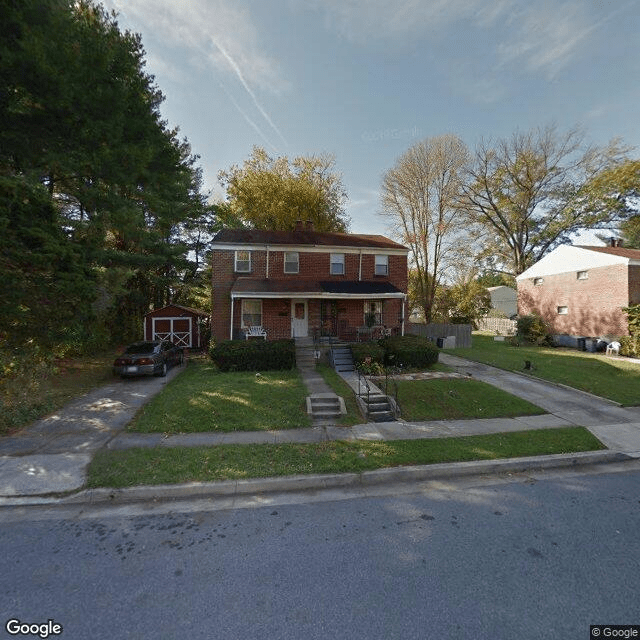
9307 Samoset Rd, Randallstown, MD 21133
To contact a resident: (410) 655-6565
For more information about senior living options: (866) 208-4318
Overall Review of Family of Friends Inc
Pros
 The staff is patient-centered and professional.
- The care given to loved ones is praised.
- It is a great place for elders to attend adult day care.
- It is a nice place for loved ones to spend the day, with opportunities to meet new friends.
Cons
 The physical therapy staff were disorganized.
- The reviewer advised others not to send loved ones to this program.
- A family member was left on the bus for nearly four hours.
- There was no phone call to inform the family of the circumstances.
- The owner and driver were unreachable for hours despite multiple attempts to contact them.
- The owner was very unprofessional and showed no sympathy or concern.
- The place was dreadful.
Review
Family of Friends Inc. in Randallstown, MD is best suited for families seeking daytime supervision and social engagement for an elder who does not require 24/7 medical care but does benefit from a structured adult day program. This setting works best when the primary goal is companionship, light daily activities, and a predictable daytime routine. It is not the right fit for someone who needs round-the-clock oversight, comprehensive medical management, or highly reliable transportation and crisis responsiveness.
Those weighing alternatives should note who may want to look elsewhere. If transport reliability and prompt, professional communication are non-negotiables, or if there is a need for more robust clinical oversight, a full-service assisted living, or another adult day option with a stronger track record on operations, safety, and responsiveness, should be on the short list. Families facing urgent medical needs, complex therapies, or a history of communication gaps will typically fare better with facilities that demonstrate steadier administrative discipline and accountability.
On the positive side, the program earns points for patient-centered, professional care that many families value. The core emphasis appears to be individualized attention, with staff focusing on the dignity and daily comfort of residents. The adult day component is highlighted as a favorable feature, offering a social milieu where attendees can make friends and enjoy meals in a supervised setting. For relatives seeking a low-stress daytime solution that supports independence while providing companionship, these strengths can translate into meaningful daily benefits.
However, serious drawbacks temper that appeal. Reported disorganization within the physical therapy staffing raises concerns about consistency and effectiveness of rehabilitative services. Even more consequential is the transport and communication failure described: a family member left on a bus for several hours with no timely update or accessible contact, followed by difficulty reaching the owner or driver for an explanation. Such lapses illuminate a fragile chain of accountability, and they undermine the basic trust required for families depending on reliable care and timely communication. The overall impressions of management can feel unprofessional to families who expect a responsible point of contact and clear processes.
Do the positives offset the negatives? To some extent, they align for families prioritizing daytime socialization and a compassionate, resident-focused atmosphere. The care’s patient-centric tone and the social benefits of adult day services can support mood, engagement, and basic daily functioning. Yet the weight of the cons, especially transport mishaps and perceived managerial indifference, often tilts the calculus toward caution. For households with high sensitivity to safety, reliability, and rapid problem resolution, these issues are enough to prompt serious consideration of alternates or a careful, time-limited trial with explicit performance benchmarks.
Practical next steps are clear. Prospective families should verify concrete transport policies, including driver accountability, contingency plans for delays, and how emergencies are escalated. Ask for a written outline of PT scheduling, staff credentials, and supervision levels, plus a direct contact who can respond promptly to concerns about care or transportation. Consider arranging a trial day with close observation of how the staff handles routine care, meals, and activities, and request recent references from families with similar needs. If the answers invite confidence and the schedule aligns with daily life, the program can be a solid daytime option; if not, the red flags noted here point toward exploring other adult day programs or a more comprehensive care setting that can deliver consistent reliability and a higher standard of management.
 Activities on-site
 Devotional services off-site
 Indoor common areas
 Baltimore-Washington International (16 miles away)
 Ambulatory care
 Diabetic care
 Meals provided




 Ten Vital Duties of a Senior Caregiver: A Comprehensive Guide
 9 Stimulating Memory Activities for Seniors: Puzzles, Cards, and Much More
 Managing Nursing Home Expenses After Medicare Coverage Ends