Queenstown Landing in Queenstown, MD

Save
Queenstown Landing Queenstown Landing Queenstown Landing Queenstown Landing

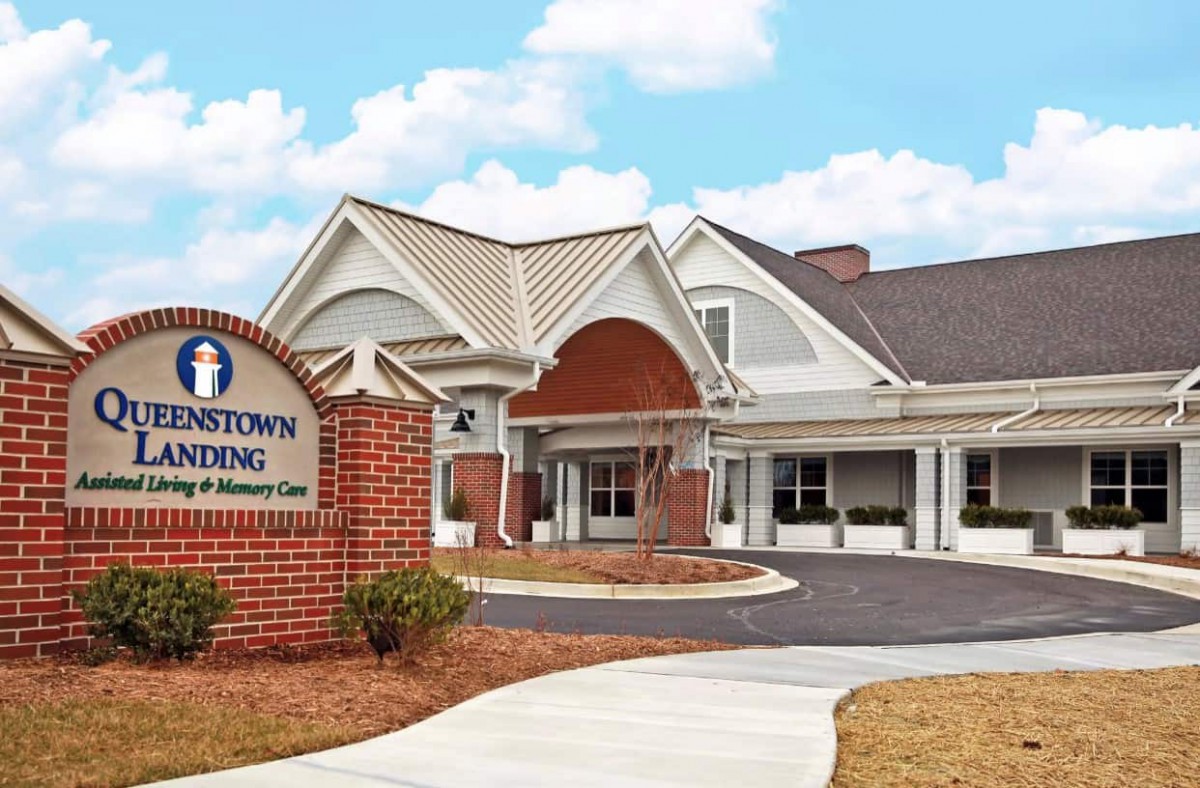
Queenstown Landing in Queenstown, MD

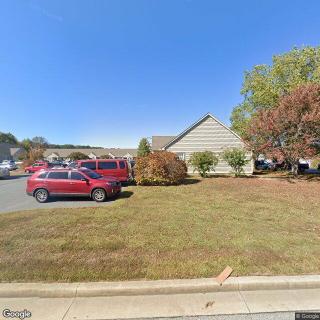
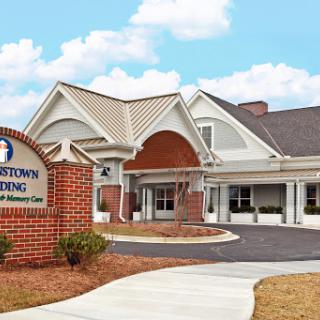
120 Shoreway Drive, Queenstown, MD 21658

For more information about senior living options: (844) 490-3973

4.7 from 29 reviews
5 stars
26
4 stars
1
3 stars
0
2 stars
1
1 stars
1

Assisted Living Memory Care

Queenstown Landing Costs & Pricing

At Queenstown Landing, the costs for various room types reflect a premium pricing structure compared to both Queen Anne's County and the broader state of Maryland. For instance, a studio apartment is offered at $6,375, significantly higher than the county average of $5,533 and the state average of $4,656. Similarly, the semi-private option is priced at $6,465, surpassing Queen Anne's County rate of $4,445 and Maryland's average of $3,545. The one-bedroom unit further illustrates this trend, with a monthly cost of $7,915 that matches Queen Anne's but starkly contrasts with Maryland's statewide average of just $3,904. These figures suggest that while Queenstown Landing provides premium services and amenities potentially justifying the costs, they remain notably elevated compared to regional standards.

Floor plansQueenstown LandingQueen Anne's CountyMaryland
Studio$6,375$5,533$4,656
Semi-Private$6,465$4,445$3,545
1 Bedroom$7,915$7,915$3,904

What level of care are you interested in?

Assisted Living

Memory Care

Independent Living

Skilled Nursing Facility

Continuing Care Retirement Community (CCRC)CCRC

Other


Request a tour at Queenstown Landing

    Overall Review of Queenstown Landing

    Pros

    • pro Queenstown Landing has an amazing facility and staff.
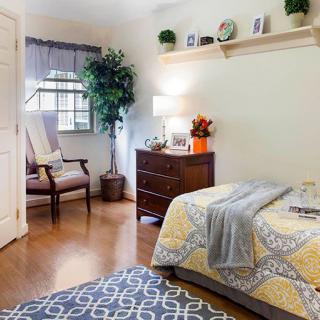
    • pro The facility was spotless, and the staff were friendly and accommodating.
    • pro The staff are amazing, and the building is warm and inviting.
    • pro The property is beautiful, the location is amazing, and the social events are great.
    • pro The rooms are great, the dining area is spacious and accommodating, and the building is impressive.
    • pro The apartments are bright and roomy, with thoughtful touches to meet residents' needs.
    • pro Five stars aren't enough to describe how outstanding Queenstown Landing is.
    • pro The staff are welcoming and kind, and have become like family to residents.
    • pro They focus on the individuality of each resident, learning what brings them energy and life.

    Cons

    • pro One reviewer called the deal "very shady" and alleged a $2,000 refundable deposit was not returned, claiming they received the runaround and that emails went unanswered.
    • pro Another reviewer criticized the ongoing construction, saying it would be a deterrent for residents.
    • pro A reviewer noted communication problems, stating inquiries were ignored and staff stopped responding to emails.

    Review

    Queenstown Landing is best suited for families seeking a vibrant, full-service assisted living environment where care and social life are prioritized and staff are deeply engaged with residents. It paints the picture of a community that feels more like a welcoming, active home than a clinical facility: sunlit common spaces, restaurant-style dining, plentiful activities, and a visible, hands-on staff presence that keeps daily routines responsive and personal. This is especially true for seniors who want regular enrichment - from art and fitness to outings - and who value a setting that supports ongoing independence while expanding care as needs evolve.

    Those who may want to consider alternatives include families prioritizing a quieter, more intimate or smaller-scale atmosphere, or those with strict budget limitations that require tighter cost controls. Some prospective residents may also prefer a facility with fewer ongoing construction projects or clearer, more consistent administrative processes around deposits and refunds. A few reviewers flagged concerns about a deposit dispute and the impact of expansion, so anyone with strong aversion to construction activity or to potential financial gray areas should compare terms elsewhere and probe for specifics before committing.

    The strongest points are the staff, the culture, and the daily cadence of life. Reviews repeatedly highlight responsiveness, kindness, and genuine connections - staff who know residents by name, communicate with families, and treat care as a shared mission. The facility itself reinforces that warmth: clean, welcoming spaces; spacious dining rooms; and amenities that support independence without sacrificing safety. The calendar of activities - live music, field trips, visiting animals, and a broad menu of daily options - drives engagement for residents who want purpose and social connection. For families, this combination often translates into real peace of mind about safety, dignity, and meaningful daily routines.

    Where the pros may not fully offset the cons is in the administrative and logistical friction some families encountered. The deposit issue cited by one reviewer raises a legitimate flag about transparency and responsiveness in how holds and refunds are handled, even if it appears isolated. Construction plans to expand the property can temporarily affect atmosphere and convenience, and a few families will prefer to avoid that temporary disruption entirely. However, these concerns tend to fade beside the consistently praised care, the highly visible staff engagement, and the sense of a nurturing community that residents describe as "home." The reality is that the outstanding care and the lively environment often outweigh these hiccups for families who can tolerate some process frictions and a temporary construction footprint.

    From a practical decision standpoint, families should treat a visit as a focused assessment of three axes: the emotional climate and staff chemistry, the quality and convenience of care as needs evolve, and the daily lived experience - meals, activities, and apartment quality. Tour with questions about how respite care can transition to full-time placement, how care plans are developed and updated, and how staff communicate changes to families. Listen for whether the director, nursing, and dining teams speak with a unified, proactive approach and whether current residents demonstrate genuine comfort and familiarity with caregivers. Inspect the living spaces firsthand - the size, layout, ADA features, and possibility to personalize - along with the dining room flow and the accessibility of common areas.

    Overall, Queenstown Landing stands out as a strong, practical choice for seniors who thrive on social engagement, high-touch care, and a warm, almost familial atmosphere. It is especially compelling for families who want assurance that a community can grow with a loved one's needs while preserving dignity and daily joy. The main cautions are manageable with due diligence: clarify the deposit policy and forecast how ongoing expansion might affect daytime routines. When those elements are satisfactorily addressed, the balance tips decisively toward a community that combines thoughtful care, genuine kindness, and a lifestyle that resembles a well-run home more than a typical facility.

    Features

    Housing

    • 21 resident community capacity 21 resident community capacity

    Types of Care

    • Assisted Living Assisted LivingAssisted living facilities provide crucial support and care for seniors who may need help with daily tasks such as medication management, bathing, and meal preparation. These communities offer a safe and comfortable environment where seniors can maintain their independence while receiving the assistance they need to thrive in their golden years.
    • Memory Care Memory CareMemory care is crucial for seniors as it provides specialized support and services for individuals with dementia or Alzheimer's disease. These programs offer a safe and secure environment where residents receive personalized care, cognitive stimulation, and help with daily activities. Memory care helps seniors maintain their independence, quality of life, and dignity while also providing peace of mind for their families.

    Amenities

    • Activities on-site Activities on-siteActivities on-site are important for seniors because they provide opportunities for socialization, mental stimulation, physical activity, and overall well-being. Engaging in activities can help seniors stay active, maintain their independence, and improve their quality of life.
    • Beauty salon Beauty salonBeauty salons are important for seniors because they provide a space for them to feel pampered, socialize, and maintain their personal grooming and hygiene. Regular visits to a beauty salon can help boost seniors' self-esteem and overall well-being.
    • Cable or satellite TV Cable or satellite TVCable or satellite TV is important for seniors because it provides entertainment, news, and companionship, helping to combat loneliness and boredom. It also offers a wide range of programming options tailored to different interests and preferences.
    • Devotional services off-site Devotional services off-siteDevotional services off-site are important for seniors as they provide spiritual nourishment, social engagement, and a sense of community outside of the senior living facility. This can enhance overall well-being and help combat feelings of isolation and loneliness often experienced by older adults.
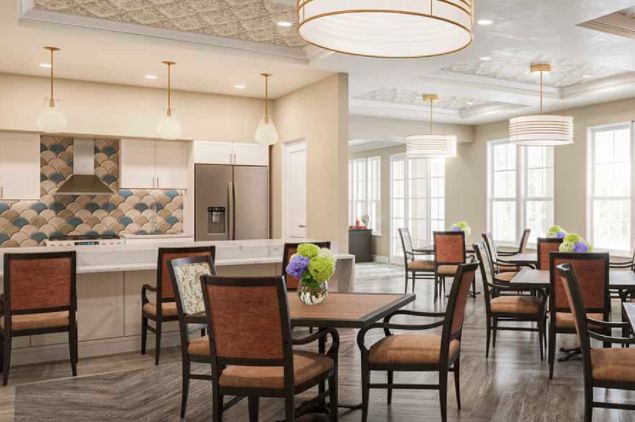
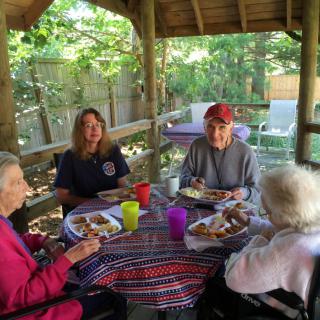
    • Dining room Dining roomDining rooms are important for seniors as they provide a space for socialization, connection, and nutritious meals. They offer opportunities for residents to bond over shared meals, foster a sense of community, and promote healthy eating habits. Dining rooms also ensure that seniors have access to well-balanced meals tailored to their dietary needs and preferences.
    • Fully furnished Fully furnishedFully furnished senior living communities are important for seniors because they provide convenience, comfort, and a hassle-free moving experience. Seniors can easily settle into their new living space without the stress of having to buy and move furniture. This allows them to focus on enjoying their new home and community.
    • Garden GardenGardens are important for seniors as they provide a peaceful and therapeutic environment for relaxation, physical activity, and socialization. Being in nature has been shown to reduce stress, improve mood, and promote overall well-being. Gardens also offer opportunities for seniors to engage in gardening activities, which can improve mobility, flexibility, and cognitive function. Additionally, gardens create a sense of community and connection with others who share a passion for plants and outdoor spaces.
    • Housekeeping services Housekeeping servicesHousekeeping services are important for seniors because they help maintain a clean and safe living environment, promote independence, and reduce the risk of accidents or illnesses. Additionally, having assistance with household chores can alleviate physical strain and allow seniors to focus on other aspects of their well-being.
    • Indoor common areas Indoor common areasIndoor common areas are crucial for seniors as they provide a space for socialization, recreation, and community engagement, promoting overall well-being and reducing feelings of isolation and loneliness.
    • Kitchenette KitchenetteKitchenettes are important for seniors living in senior living communities because they provide the convenience and independence of being able to prepare simple meals and snacks in the comfort of their own living space. This can help promote a sense of autonomy and well-being for seniors, allowing them to maintain some level of control over their dietary choices and daily routines.
    • Move-in coordination Move-in coordinationMove-in coordination is important for seniors because it helps ease the transition into their new living environment. It ensures that all logistics, such as packing, organizing movers, and setting up utilities are taken care of, allowing seniors to focus on settling in and adjusting to their new home. Having a smooth move-in process can alleviate stress and anxiety, making the transition smoother and more enjoyable for seniors.
    • Outdoor space Outdoor spaceOutdoor spaces are important for seniors as they provide opportunities for physical activity, social interaction, exposure to natural light and fresh air, and a sense of connection to nature. Having access to outdoor spaces can improve overall well-being and quality of life for older adults living in senior communities.
    • Telephone TelephoneTelephones are important for seniors as they provide a lifeline for communication with loved ones, emergency services, and healthcare providers. They offer a sense of security and independence, enabling seniors to stay connected and access assistance when needed.
    • Wi-Fi/high-speed internet available Wi-Fi/high-speed internet availableWi-Fi/high-speed internet is important for seniors to stay connected with loved ones, access online resources, and participate in virtual activities to combat feelings of loneliness and isolation. It also allows them to easily manage healthcare needs, access entertainment, and engage in lifelong learning opportunities.

    Care Services

    • 24-hour call system 24-hour call system24-hour call systems are important for seniors because they provide peace of mind and immediate assistance in case of emergencies. This technology ensures that help is always available, promoting safety and security for elderly individuals living alone or in assisted living facilities.
    • 24-hour supervision 24-hour supervision24-hour supervision is important for seniors to ensure their safety, well-being, and access to immediate assistance in case of emergencies or health issues. This constant support provides peace of mind for both seniors and their loved ones, allowing them to age in place with dignity and security.
    • Activities of daily living assistance Activities of daily living assistanceActivities of daily living assistance are important for seniors because they provide essential support with tasks such as eating, bathing, dressing, and mobility. This assistance helps seniors maintain their independence, dignity, and overall quality of life as they age.
    • Ambulatory care Ambulatory care"Ambulatory care services provide essential medical support and treatment to seniors without requiring hospitalization, allowing them to maintain their independence and quality of life while managing chronic conditions or receiving routine medical care."
    • Assistance with bathing Assistance with bathingAssistance with bathing is crucial for seniors as it helps maintain personal hygiene, prevents infections, and ensures their overall well-being and comfort. It also provides a sense of dignity and independence for seniors who may struggle with this task on their own.
    • Assistance with dressing Assistance with dressingAssistance with dressing is important for seniors because it helps maintain their independence, promotes personal hygiene, prevents accidents and injuries, and improves overall quality of life. This service ensures that seniors can continue to dress comfortably and confidently, despite any physical limitations they may have.
    • Assistance with transfers Assistance with transfersAssistance with transfers is crucial for seniors as it helps prevent falls and injuries, maintains their independence, and ensures they can safely navigate their living environment. It also provides peace of mind for both seniors and their loved ones.
    • Coordination with health care providers Coordination with health care providersCoordination with health care providers is crucial for seniors to ensure proper medical care, medication management, and overall well-being. This collaboration helps prevent overlapping treatments, track progress more effectively, and provide comprehensive support tailored to individual needs.
    • Dementia waiver Dementia waiverDementia waivers are essential for seniors as they provide critical protections and accommodations for those experiencing cognitive decline. These waivers ensure individuals with dementia receive appropriate care, support, and resources to maintain their quality of life and dignity as they navigate the challenges of this progressive condition.
    • Diabetes diet Diabetes dietA diabetes diet is crucial for seniors as it helps manage blood sugar levels, reduce risks of complications, and improve overall health and well-being. By following a balanced and nutritious diet tailored to their specific needs, seniors can better control their diabetes and enhance their quality of life.
    • Diabetic care Diabetic careDiabetic care is crucial for seniors as they are more susceptible to developing diabetes due to aging and other health conditions. Proper management of diabetes can help prevent complications such as heart disease, vision loss, and nerve damage, improving the overall quality of life for seniors in senior living communities.
    • Hospice waiver Hospice waiverHospice waivers are important for seniors because they allow individuals to receive specialized end-of-life care and support at home or in a hospice facility. This waiver ensures that seniors can access the necessary resources and services to maintain comfort and dignity during their final days.
    • Meal preparation and service Meal preparation and serviceMeal preparation and service are crucial for seniors as they may have limited mobility or energy to cook nutritious meals. Having access to healthy and convenient food options can ensure they are getting the proper nutrition needed to maintain their overall health and well-being.
    • Medication management Medication managementMedication management is crucial for seniors to ensure they are taking the right medications at the correct dosages and times. This helps prevent adverse drug interactions, reduces the risk of medication errors, and promotes overall health and well-being. Proactive management also allows for adjustments as needed based on changing health conditions or new prescriptions.
    • Mental wellness program Mental wellness programMental wellness programs are essential for seniors as they promote cognitive stimulation, emotional support, and social engagement. These programs help prevent isolation, depression, and cognitive decline, ultimately enhancing the overall quality of life for older adults.
    • Mild cognitive impairment Mild cognitive impairment"Mild cognitive impairment" is important for seniors because it is an early stage of cognitive decline that can potentially progress to more severe conditions such as dementia. Recognizing and addressing mild cognitive impairment can help seniors receive appropriate care and support to maintain their quality of life and independence for as long as possible.
    • Special dietary restrictions Special dietary restrictionsSpecial dietary restrictions are important for seniors because age-related changes in metabolism and health conditions can make it difficult for their bodies to process certain foods. By following a diet tailored to their specific needs, seniors can maintain their overall health and well-being, manage chronic conditions, and reduce the risk of complications such as malnutrition or food interactions with medications.
    • Specialized memory care programming Specialized memory care programmingSpecialized memory care programming is crucial for seniors with cognitive impairments such as dementia or Alzheimer's disease. These programs provide a safe and supportive environment tailored to the unique needs of individuals with memory loss, helping them maintain their independence, dignity, and quality of life.
    • Transportation arrangement (medical) Transportation arrangement (medical)Transportation arrangements for medical purposes are essential for seniors as they may have difficulty driving themselves to appointments or accessing public transportation. Having reliable and safe transportation options ensures that seniors can receive timely medical care and maintain their health and well-being.
    • Transportation to doctors appointments Transportation to doctors appointmentsTransportation to doctors' appointments is crucial for seniors as it ensures they have access to necessary medical care and support for their health needs. Without reliable transportation, seniors may struggle to attend important appointments, leading to potential delays in treatment and health complications. Providing transportation services helps seniors maintain their overall well-being and quality of life.

    Dining

    • Diabetes diet Diabetes dietA diabetes diet is crucial for seniors as it helps manage blood sugar levels, reduce risks of complications, and improve overall health and well-being. By following a balanced and nutritious diet tailored to their specific needs, seniors can better control their diabetes and enhance their quality of life.
    • Meals provided Meals provided"Meals provided" are crucial for seniors in assisted living communities as it ensures they have access to nutritious, balanced meals without the stress of meal planning and preparation. This can help promote overall health and well-being for seniors who may have limited mobility or cognitive abilities.
    • Special dietary restrictions Special dietary restrictionsSpecial dietary restrictions are important for seniors because age-related changes in metabolism and health conditions can make it difficult for their bodies to process certain foods. By following a diet tailored to their specific needs, seniors can maintain their overall health and well-being, manage chronic conditions, and reduce the risk of complications such as malnutrition or food interactions with medications.

    Activities

    • Activities on-site Activities on-siteActivities on-site are important for seniors because they provide opportunities for socialization, mental stimulation, physical activity, and overall well-being. Engaging in activities can help seniors stay active, maintain their independence, and improve their quality of life.
    • Community-sponsored activities Community-sponsored activitiesCommunity-sponsored activities are important for seniors as they provide opportunities for social interaction, mental stimulation, and physical activity. These activities can help improve overall well-being, combat loneliness and isolation, and promote a sense of belonging and purpose among older adults.
    • Devotional activities offsite Devotional activities offsiteDevotional activities offsite are important for seniors because they provide social engagement, spiritual growth, and a sense of community outside of their living environment. This can improve overall well-being, mental health, and combat feelings of isolation or loneliness.
    • Resident-run activities Resident-run activitiesResident-run activities are important for seniors as they encourage social interaction, creativity, and a sense of autonomy. These activities empower seniors to stay engaged and active in their community while fostering meaningful connections with their peers.
    • Scheduled daily activities Scheduled daily activitiesScheduled daily activities are important for seniors because they provide structure, socialization, mental stimulation, and physical activity. Engaging in regular activities can improve overall well-being and quality of life for seniors living in a community setting.

    Description

    Queenstown Landing is an assisted living community located in Queenstown, MD. Our focus is on providing exceptional memory care services for seniors who require specialized care due to dementia or memory loss.

    Our community offers a range of amenities to enhance the comfort and well-being of our residents. We have a beauty salon on-site, allowing residents to easily maintain their personal grooming needs. Each room is fully furnished and equipped with cable or satellite TV, telephone, and Wi-Fi/high-speed internet access. Our dining room provides delicious meals that can accommodate special dietary restrictions.

    We understand the importance of maintaining an active social life, which is why we offer various activities for our residents. Community-sponsored activities and resident-run activities are scheduled daily to encourage engagement and socialization among our residents. Additionally, devotional activities offsite are available for those who wish to continue their spiritual practices.

    Our experienced staff provides 24-hour supervision and assistance with activities of daily living such as bathing, dressing, and transfers. We also offer coordination with health care providers to ensure comprehensive care for our residents. Medication management services are provided to support the individual needs of each resident.

    At Queenstown Landing, we offer specialized memory care programming tailored to meet the specific needs of individuals with dementia or memory loss. We also provide a mental wellness program that focuses on promoting cognitive function and overall well-being.

    For transportation needs, we assist in arranging transportation for medical appointments and provide transportation to doctors' appointments when necessary.

    In terms of convenience, our community is situated near various amenities such as parks, pharmacies, physicians' offices, restaurants, and hospitals.

    At Queenstown Landing, we strive to create a safe and supportive environment where seniors feel comfortable and cared for while receiving the specialized memory care they require.

    Nearby Places of Interest

    This part of Queenstown, Maryland offers a variety of amenities and services that cater to seniors. With multiple physicians, hospitals, pharmacies, and medical spas in close proximity, residents can easily access healthcare options. There are also several restaurants offering a range of dining choices, as well as cafes for socializing with friends. The area provides plenty of opportunities for outdoor recreation with parks nearby such as Eastern Neck National Wildlife Refuge and Sandy Point State Park. Additionally, there are places of worship for spiritual fulfillment and transportation options including airports for travel convenience. The presence of a theater adds entertainment options for cultural enrichment. Overall, this part of Queenstown presents a well-rounded community suitable for senior living needs.

    Physicians

    • Shore Gynecology (0 miles)
    • UM Shore Medical Pavlion at Queenstown (0.1 miles)
    • Maryland Primary Care Physicians (0.1 miles)
    • Grasonville Medical Center (2 miles)
    • Maryland Hearing Aid Services (4.7 miles)
    • O'Donnell Vein & Medical Spa (4.7 miles)
    • Annapolis Ob Gyn Associates (5.7 miles)

    Hospitals

    • UM Shore Emergency Center at Queenstown (0.1 miles)
    • Chester River Hospital Center (8.1 miles)
    • Shore Health System (14.3 miles)

    Restaurants

    • Main Street Seafood & Produce (0.7 miles)
    • Auntie Anne's (1.6 miles)
    • Queenstown Harbor - Lakes Course (1.8 miles)
    • Fisherman's Inn (3.3 miles)
    • Bridges Restaurant (3.3 miles)
    • Fisherman's Crab Deck (3.3 miles)
    • Annie's Paramount Steak & Seafood House (3.4 miles)

    Parks

    • Eastern Neck National Wildlife Refuge (4.6 miles)
    • Wye Island Natural Resources Management Area (5.6 miles)
    • Old Love Point Park (6.9 miles)
    • Rock Hall Public Landing Park (12.2 miles)
    • Roosevelt Park (12.6 miles)
    • Sandy Point State Park (12.7 miles)

    Pharmacies

    • CVS Pharmacy (4.8 miles)
    • Walgreens (5.3 miles)
    • Walgreens (7.2 miles)
    • Hill's Drug Stores (14.5 miles)
    • Health Mart Pharmacy (14.5 miles)

    Cafes

    • Starbucks (5 miles)
    • Starbucks (7.1 miles)
    • Java Rock (12.1 miles)
    • Panera Bread (13.6 miles)

    Places of Worship

    • Wye Parish (5.8 miles)
    • New Life Church (7.9 miles)
    • Cordova Baptist Church (12 miles)
    • Abundant Life Restoration Center (12.6 miles)
    • Easton Church of God (13.5 miles)
    • Emmanuel United Methodist Church (14.1 miles)
    • Oasis Easton (14.4 miles)

    Transportation

    • Wildlife Artistry Taxidermy (10.5 miles)
    • Easton Municipal Airport (ESN) (12.4 miles)
    • Budget Rent A Car (13 miles)
    • Kennersley Airport (14.4 miles)

    Theaters

    • Easton Premier Cinemas (14 miles)

    Frequently Asked Questions

    How much does it cost to live at Queenstown Landing in Queenstown, MD?
    Where is Queenstown Landing?
    Does Queenstown Landing provide care for residents with dementia or Alzheimer's disease?
    What photos are available for Queenstown Landing in Queenstown, Maryland?

    Nearby Communities

    • Whitewood Assisted Living

      Whitewood Assisted Living

      Grasonville, MD

      4.4 from 29 reviews
      $3,800 to $4,200 / month

      pro Small, intimate community with personalized care and pet-friendly living.


    • Heartland House

      Heartland House

      Grasonville, MD

      4.3 from 11 reviews
      $3,711 to $4,824 / month

      pro Friendly staff, clean environment, and home-style meals in an intimate setting.

    • Village at Chester

      Village at Chester

      Chester, MD

      5 from 2 reviews
      $1,225 / month

      pro Immaculate, well-maintained environment with easy access to amenities and functional kitchens.

    • Arcadia of Chester

      Arcadia of Chester

      Chester, MD

      4.6 from 25 reviews
      $4,500 to $5,400 / month

      pro Clean, well-maintained environment with caring staff and engaging activities.

    • Symphony Village

      Symphony Village

      Centreville, MD


      pro Intimate assisted living with on-site meal prep, medication management, and reliable Wi-Fi.

    • Bay Bridge Cove

      Bay Bridge Cove

      Stevensville, MD


      pro Small, intimate assisted living with personalized care (dressing assistance, meal preparation, medication management), Wi-Fi/phone connectivity, dietary accommodations, and easy access to nearby cafes, pharmacies, physicians, and restaurants.

    • Home Instead - Easton,  MD

      Home Instead - Easton, MD

      Easton, MD

      4.9 from 69 reviews
       

      pro Caring, professional staff with responsive management.

    • Park View at Easton

      Park View at Easton

      Easton, MD

       
      $866 to $1,033 / month

      pro Affordable pricing with strong amenities and accessible outdoor spaces.

    • Baywoods Of Annapolis

      Baywoods Of Annapolis

      Annapolis, MD

      4.5 from 46 reviews
       

      pro Stunning bayfront setting with a full continuum of care and attentive staff.

    Related Resources

    • reminiscence therapyExploring the Power of Reminiscence Therapy for Individuals With Dementia

      Reminiscence therapy helps individuals with dementia recall past memories through structured discussions and meaningful objects, enhancing mood, relationships, and sense of identity while celebrating their lives. It can be practiced in formal settings or at home, requiring sensitivity to personal histories and cultural backgrounds.

    • reminiscence therapyAn In-Depth Look at Reminiscence Therapy in Dementia Care

      Reminiscence therapy is a structured method for older adults, especially those with dementia, to share life stories using prompts and sensory cues, fostering emotional well-being, social engagement, and self-identity. It aims to improve quality of life by enhancing interpersonal connections and cognitive stimulation while requiring careful facilitation to avoid distressing memories.

    • dementia hallucinationsDementia-Related Hallucinations: Causes, Experiences, and Practical Approaches

      Dementia, particularly Lewy body dementia, often involves hallucinations that can significantly distress both patients and caregivers due to disruptions in sensory processing and neurotransmitter imbalances. Effective management includes compassionate communication, environmental adjustments, and a multidisciplinary approach to care while addressing the emotional needs of caregivers.


    Get Pricing Ask A Question Schedule A Tour Contact Senior Advisor