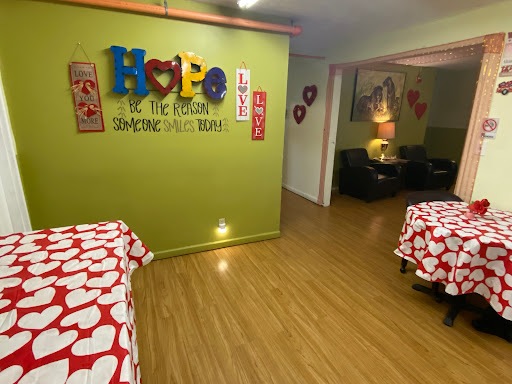
30 Haiman Lane, Port Deposit, MD 21904
For more information about senior living options: (866) 208-4318
Overall Review of D & G Homecare II
Pros
 They provide exceptional, individualized care for veterans.
- They are caring, compassionate, and motivated to give veterans as normal a homelife as possible.
- Ezo is a hands-on manager who builds genuine bonds with the veterans.
- The facility attends to every possible need of its veterans.
- They offer a caring, family-like community that treats residents with love.
- The care helps dementia symptoms stabilize and improves quality of life.
- The home is small, affordable, and offers various levels of care as needs progress.
- Residents look better, feel safer, and have opportunities to talk, laugh, and socialize.
- The staff are professional, respectful, and welcoming to families and visitors.
- The team maintains excellent communication with families and coordinates care well with doctors.
- Families express gratitude and strongly recommend D&G Assisted Living.
- During 2020, none of the facility’s patients contracted the virus, reflecting strong safety and care.
Cons
 He was not going to do well with a large facility.
- He did not have a neverending supply of money.
- They were still questioning their choice, thinking they would have done so regardless of where he went.
- They could not begin to express the stress of having a loved one with dementia.
- Moving to assisted living is never an easy thing for any family member.
Review
D&G Homecare II in Port Deposit is best suited for veterans and seniors with dementia who want an intimate, homelike setting where care is highly personalized and staff form real bonds with residents. The community operates with a hands-on owner-operator model, and the leadership, especially the manager, engages residents directly, getting to know them as individuals. This translates into genuine attention to daily routines, safety, and meaningful interaction, so those who prize a calm, predictable environment where caregivers stay connected with family members will find the most value here. It is a small, purpose-built atmosphere that prioritizes a normal daily life, not a clinical factory vibe.
Those considering alternatives should note that this is not the pick for families craving a large campus with a broad social calendar or expansive on-site medical resources. A larger facility with multiple wings, more specialized rehabilitation, or a wider pool of on-site specialists may better serve residents who require aggressive medical oversight or highly varied programming. Similarly, households seeking a mixed-gender, more diverse community or a venue with extensive, contemporary amenities may prefer a different model. In short, the strengths here live in restraint and care, not scale or spectacle.
The main strengths center on extraordinary caregiver commitment and a deeply person-focused approach. The owner and staff are described as caring, compassionate, and deeply invested in veterans’ well-being, with care extended across physical, emotional, and social needs. Families repeatedly highlight how care plans feel individualized, how staff stay in close contact with families, and how care teams coordinate transportation to doctor visits and hospitalizations when needed. The small size enables daily visibility and quick responsiveness, which translates into fewer gaps in attention and a higher sense of safety for residents who may wander, become confused, or require constant supervision.
Dementia care is a recurrent theme in the reviews, and the benefits here address that challenge head-on. Families report stabilized or improved symptoms, better daily engagement, and a renewed sense of community for loved ones who once lived in isolation. Residents are seen socializing, joining in activities, and forming relationships with both peers and staff. The caregiving team is praised for adaptability, speaking to moments of agitation with respect, and “going with the flow” to maintain dignity. Photos, videos, and regular updates give families reassurance that their relatives are not only cared for but genuinely included in a life-filled routine.
Despite the strong track record, the inevitable tradeoffs of a smaller, focused operation should be weighed. The most relevant potential drawback is the capacity constraint: a compact setting naturally offers fewer on-site therapists, specialists, and program breadth than a larger community. For some families, this translates to seeking care that can scale quickly for complex medical needs or provide a wider array of activities and services on-site. Another consideration is the environment itself: a predominantly male, veteran-centered population may feel less aligned with those seeking a co-ed, more varied social scene, or with residents who prefer a different cultural mix.
In practical terms, this listing points toward a clear decision calculus. Prospective families should verify the current levels of care and confirm there is a plan that aligns with anticipated dementia progression, including how changes are enacted and communicated. Ask about on-site medical support, frequency of physician visits, medication management, and emergency protocols, then compare those with the care demands of your loved one. It is also wise to assess location convenience for family visits, the staffing philosophy, and the climate of daily life, whether more quiet companionship or more structured programming is preferred. If the priority is profoundly personal, home-like care with deeply bonded staff, the fit is compelling.
Overall, D&G Homecare II stands out as a top choice for families seeking intimate, veteran-focused, dementia-capable care delivered with remarkable warmth and consistency. Its strengths, hands-on leadership, highly attentive caregiving, and a village-like feel, translate into meaningful outcomes: residents who feel safe, engaged, and appreciated, and families who receive steady, reassuring communication. When those factors outweigh the appeal of larger facilities or broader clinical services, this community offers a compelling, practical path to preserving dignity, independence, and daily normalcy in a small, well-run setting. For families needing more scalable medical resources or a more expansive social ecosystem, alternatives deserve consideration, but for the right fit, this option is hard to beat.
 7 resident community capacity
 Assisted Living
 Cable or satellite TV
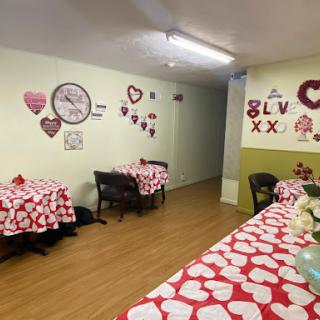
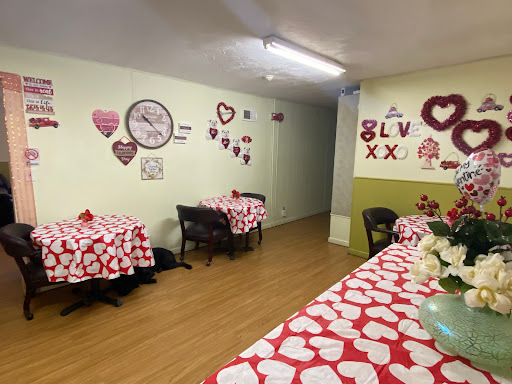
 Dining room
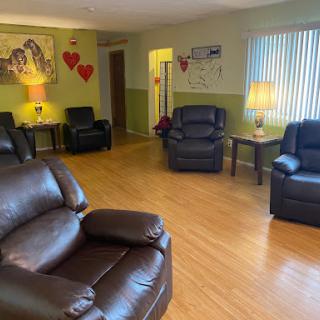
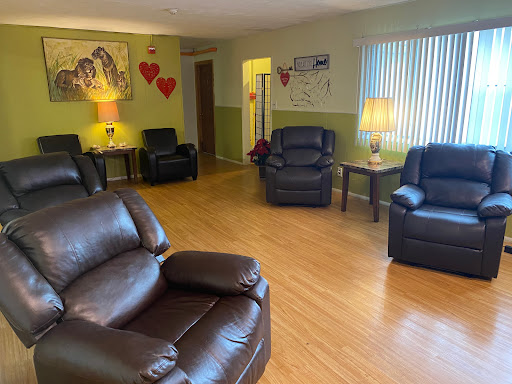
 Fully furnished
 Garden
 Housekeeping services
 Move-in coordination
 Outdoor space
 Telephone
 Wi-Fi/high-speed internet available
 24-hour supervision
 Activities of daily living assistance
 Assistance with bathing
 Assistance with dressing
 Assistance with transfers
 Diabetes diet
 Meal preparation and service
 Medication management
 Special dietary restrictions
 Transportation arrangement (medical)
 Transportation to doctors appointments

 Securing Financial Support for Assisted Living: A Comprehensive Overview
 Social Security Benefits and Assisted Living: Navigating Options Across the U.S.
 An Extensive Exploration of the VA Aid and Attendance Benefit