
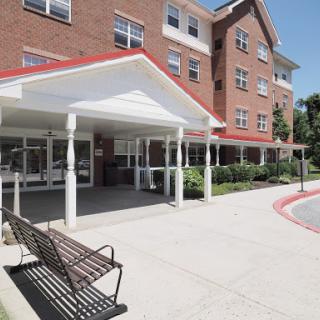
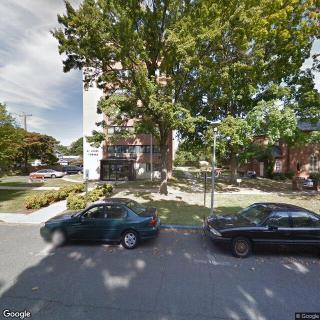
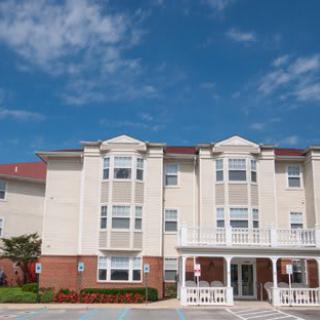
407 Rustic Court, Perryville, MD 21903
To contact a resident: (443) 866-1577
For more information about senior living options: (866) 208-4318
Overall Review of Victoria's Veterans Housing
Pros
 The organization is great and helps homeless and underserved veterans.
- The emojis express enthusiasm and support for veterans.
- They are great people who help all veterans.
- They are doing a fabulous job helping veterans with all their needs and should keep up the great work for military service personnel.
Review
Victoria's Veterans Housing in Perryville, Maryland is best suited for veterans who are homeless or underserved and in need of stable, purpose-driven housing supported by organized, mission-centered care. The community operates with a clear focus on honoring service through practical help, including case management, resource connections, and a peer-support environment that understands the veteran experience. It functions as a stabilizing hub for individuals navigating transition, financial constraints, or housing insecurity, offering dependable processes and a culture that prioritizes dignity, accountability, and camaraderie. For veterans seeking a credible path to stability with concrete, veteran-focused services addressing both immediate needs and longer-term resilience, this option stands out as a practical, reliable fit.
Those weighing alternatives should consider the realities of medical and daily living needs. The program appears centered on housing stability and broad support rather than on-site skilled nursing, continuous clinical oversight, or memory-care programming. Veterans who require regular personal care, complex medication management, rehabilitative services, or a traditional assisted-living structure with licensed healthcare may find that other communities better meet those clinical expectations. Families seeking luxury amenities or expansive, resort-like senior living campuses may also find the focus here less aligned with their preferences. In short, the best fit is a veteran-centered, housing-first model; those needing intensive medical governance may want to explore additional options.
The overarching strengths are the organization and the people behind the effort. Reviews consistently praise a disciplined, mission-driven operation that prioritizes helping homeless and underserved veterans. The staff and leadership are perceived as genuinely committed, delivering broad, practical support, from housing logistics to resource navigation and problem-solving, rooted in a sincere concern for each veteran’s wellbeing. This combination of well-structured processes and compassionate, veteran-aware personnel translates into reliable, day-to-day stability. In settings where trust and dependable follow-through are essential, the community’s performance comes across as consistently solid and trustworthy.
A plausible limitation exists in the absence of explicit medical-first services. The core value rests on housing, advocacy, and comprehensive social supports rather than a licensed healthcare program or advanced specialized care. That gap is offset by the practical benefits of a veteran-focused network that tackles a wide range of needs, housing, benefits guidance, social connection, and community belonging, without layering on hospital-like complexity or costs. For many veterans, the emphasis on stable housing and meaningful engagement with peers and support services outweighs the absence of in-house medical primacy, particularly when medical care can be coordinated through external providers.
For families evaluating this option, decision-making should hinge on identified priorities. If stability, veteran-specific support, and a sense of belonging take precedence, the program merits serious consideration. Prospective residents should pursue a tour, meet the staff, and discuss eligibility, waitlists, and the scope of services to understand what is included and what requires external referrals. It is essential to clarify on-site medical capabilities, medication management practices, and who handles emergencies after hours. Understanding funding streams, eligibility for veterans’ benefits, and how residency aligns with broader healthcare planning will illuminate sustainability and long-term viability of the placement.
Overall, Victoria's Veterans Housing offers a purposeful, reliable path for veterans seeking housing stability backed by a committed, organized team. The strongest attribute is its veteran-centered mission that converts goodwill into practical, actionable support. The observed trade-off is a focus on housing and social services rather than deep medical governance or luxury amenities; for many, this balance is precisely right. Families should approach with a focused agenda, arranging a visit and framing questions around service scope, eligibility, and integration with medical care as needed. When the priority is steady housing, community belonging, and access to targeted veteran resources, this community stands out as a prudent, sensible choice.


 Recognizing the Journey: Understanding and Navigating Anticipatory Grief
 Encouraging Participation in Adult Day Care: A Guide to Supporting a Hesitant Parent
 Comprehensive Exploration of Living Wills and Other Advance Directives