
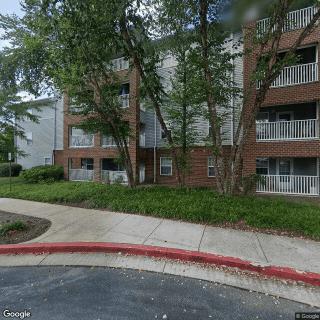
10999 Red Run Blvd # 112, Owings Mills, MD 21117
To contact a resident: (410) 902-9338
For more information about senior living options: (866) 208-4318
Overall Review of Respect Care Other Options
Pros
 The program is great and offers many fun and interesting activities for children.
- They take pride in providing the best of care for all of their individuals.
Cons
 The drivers are unsafe on the road and could cause an accident.
- A driver cut off others without signaling.
- The organization should be avoided because some workers are liars who don’t care about disabled people.
- The residential staff are known to steal from individuals living with the agency.
- Most of the staff aren’t from America.
- The Maryland Disabilities Law Center should launch an investigation into this agency.
- They treat the individuals like prisoners and lie about it.
- The drivers are a liability due to unsafe driving and swerving in one-way lanes.
Review
This community is best suited for families seeking a highly activity-rich environment that keeps a learning- and social-engagement focus at the forefront. The strongest praise centers on a robust program with “many fun and interesting activities” that can keep a loved one mentally and socially stimulated. For younger individuals or adults who benefit from structured day programs, this setting can deliver meaningful enrichment, consistent routines, and visible opportunities for participation. In Owings Mills, the appeal rests on the belief that daily life is not merely supervised but actively engaging, with a calendar designed to prevent stagnation and foster interaction.
Those who may want to consider alternatives are families for whom transportation reliability and staff trust are non-negotiables. The reviews repeatedly flag the transportation component as a concern, with unsafe driving behavior and even near-collision scenarios described in plain terms. If a family cannot tolerate the possibility of erratic or unsafe vehicle operation, or if travel to and from activities is a central requirement, it’s prudent to explore options with a track record of tighter driver supervision, better routing, and verified safety metrics. Also, any family that prioritizes a consistently transparent, trustworthy caregiving staff should scrutinize this option closely.
The key pros, vibrant programming, evident care intentions, and a stated commitment to the well-being of residents, do offer real value when transportation and staffing are aligned with family expectations. A program that actively engages residents can reduce agitation, improve mood, and foster a sense of purpose. Those benefits, however, are undermined if transportation is unreliable or if supervisory controls over staff are perceived as weak. The positive signals of “BEST OF CARE” rhetoric and pride in the work are meaningful only if corroborated by dependable drivers, responsive accountability, and a safe, respectful environment in practice.
Important due diligence follows. Prospective families should request detailed transportation policies, including driver qualifications, recertification practices, incident logs, and a plan for handling near misses. Inquire about how complaints are investigated and resolved, and whether families can ride along or observe routes to assess safety firsthand. Demand current staff credentials, turnover rates, and a clear description of training on resident rights and de-escalation. Given the reviews’ gravity, it’s prudent to ask for recent references and to visit during peak activity times to judge the atmosphere, staff interactions, and supervision levels.
The overall rating of 3.4 from 11 reviews signals a high-variance experience. Five-star accolades sit alongside a cluster of one-star concerns, painting a picture of a program that can excel in the right circumstances but is vulnerable to inconsistent outcomes. This is not a uniformly dependable option; some families will encounter the promised enrichment, while others will confront safety and integrity questions that overshadow the positives. The disparate feedback suggests that outcomes depend heavily on specific staff teams, transportation arrangements, and how promptly concerns are addressed by leadership.
In the final analysis, Respect Care Other Options can be a strong fit for families prioritizing active engagement and social programming, provided transportation and staffing are managed to a high standard. For those with stringent safety expectations, or for families unwilling to navigate uncertain driver behavior and reported staff conduct issues, it may be wiser to explore alternatives with clearer, consistently demonstrated safety records and accountability. If this route is pursued, enter with a plan: establish transportation clarity, insist on direct oversight during initial weeks, set concrete milestones for resident well-being, and maintain a readiness to pivot if concerns re-emerge.
 Activities on-site
 Devotional services off-site
 Indoor common areas
 Baltimore-Washington International (19 miles away)
 Ambulatory care
 Diabetic care
 Meals provided





 6 Crucial Ways an Elder Law Attorney Assists Families
 Navigating the Tax Landscape of Caregiving: Credits, Deductions, and Beyond
 Highly Beneficial Low-Impact Exercises for Senior Living Residents