Cadence At Olney

Save

  • Interior

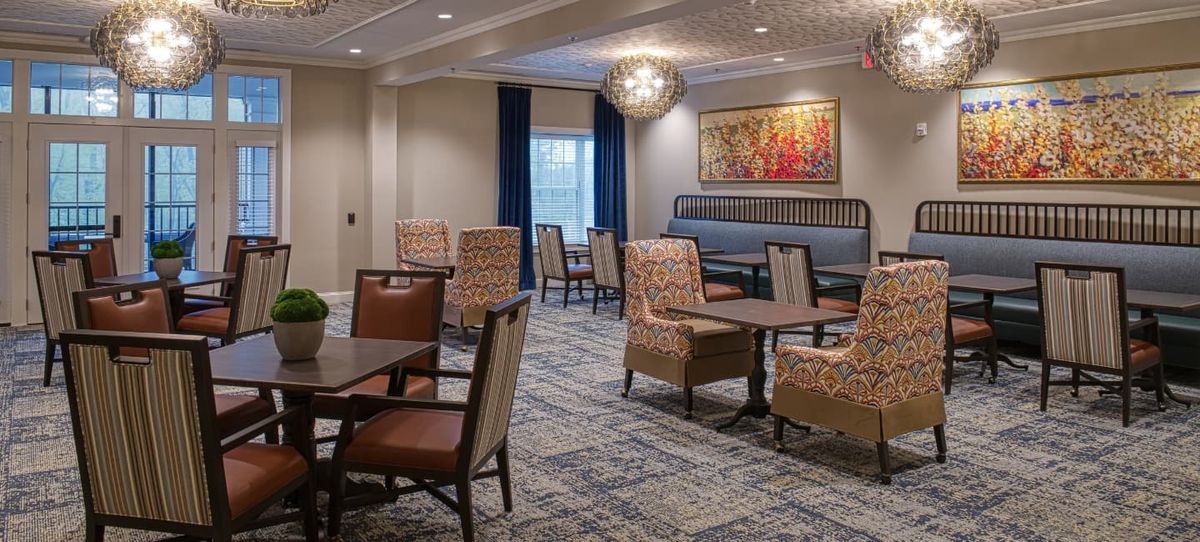
    Elegantly designed restaurant interior with decorative lighting and neatly arranged dining tables.
  • Decor

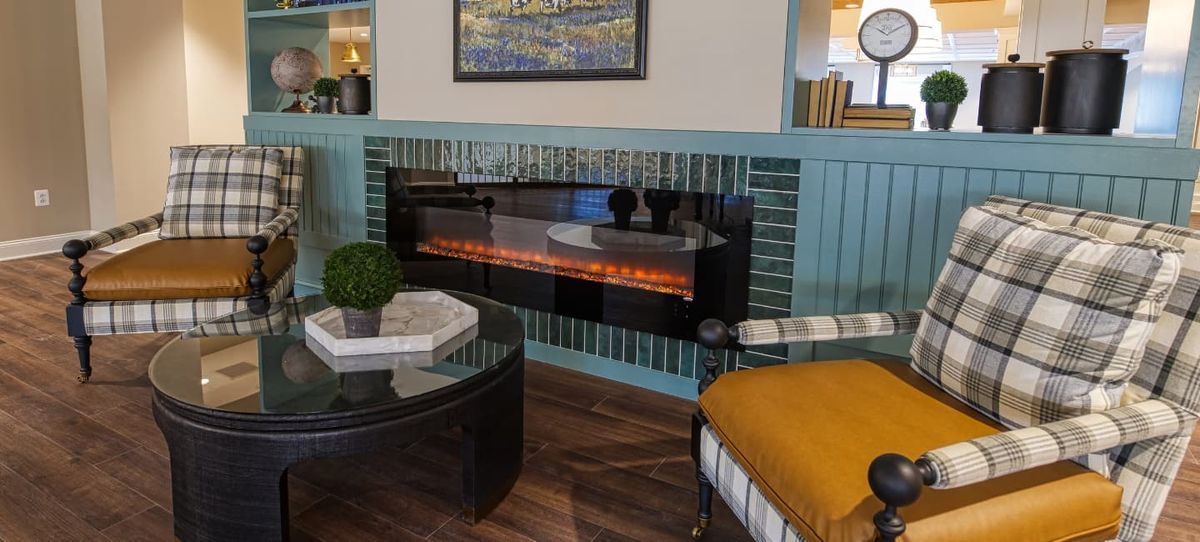
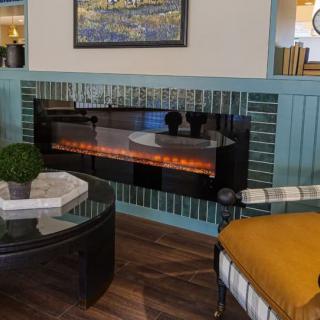
    A cozy living room with a modern electric fireplace and stylish decor.
  • Living Room

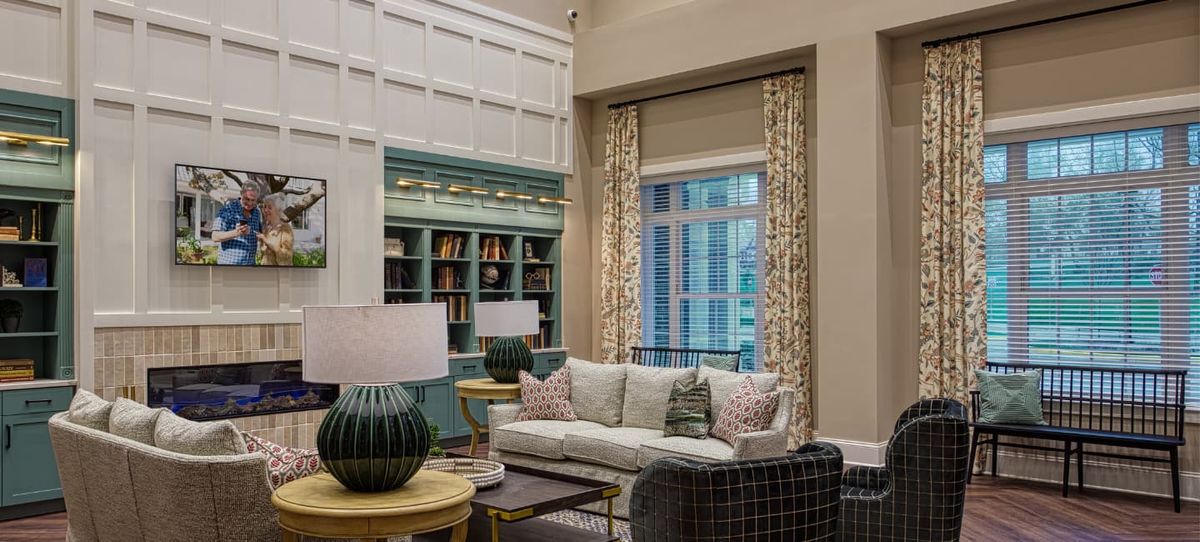
    A cozy living room with a comfortable sofa, bookshelves, and stylish lamps.
  • Dining

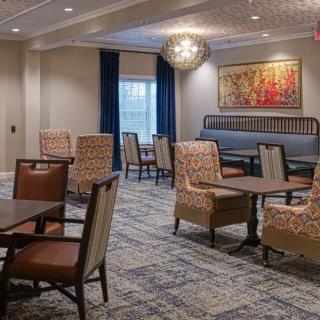
    Elegant dining area with comfortable seating and modern decor.
  • Patio

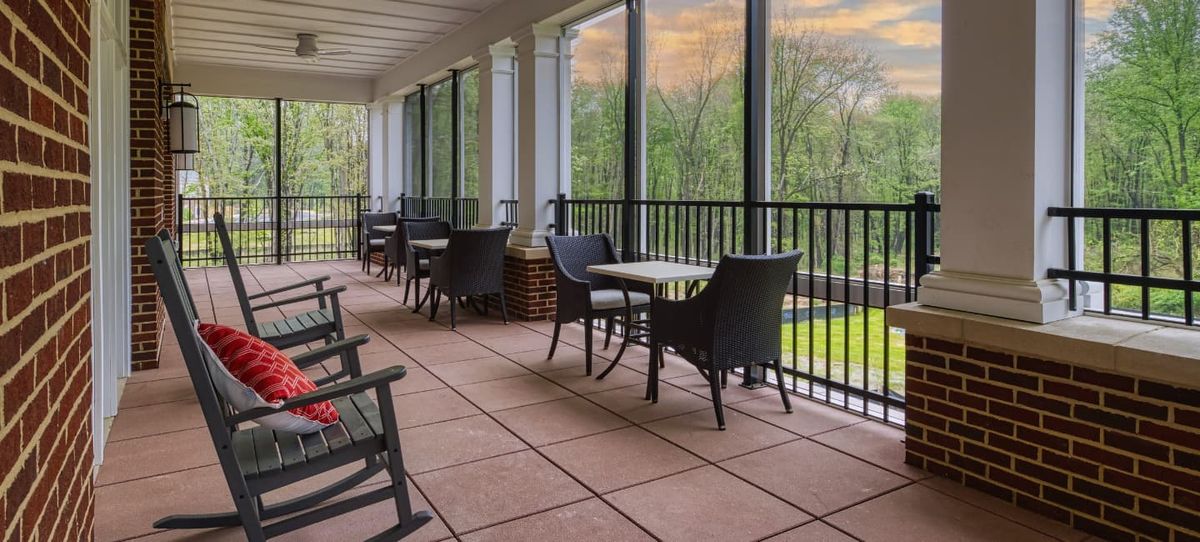
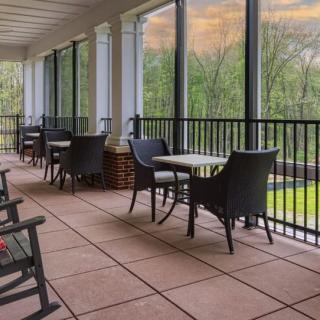
    A serene patio with chairs and tables overlooking a lush landscape.
  • Chandelier

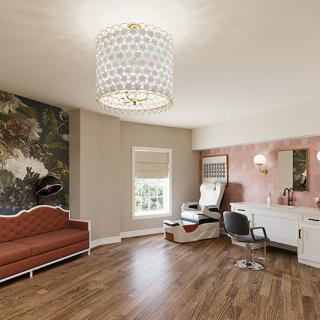
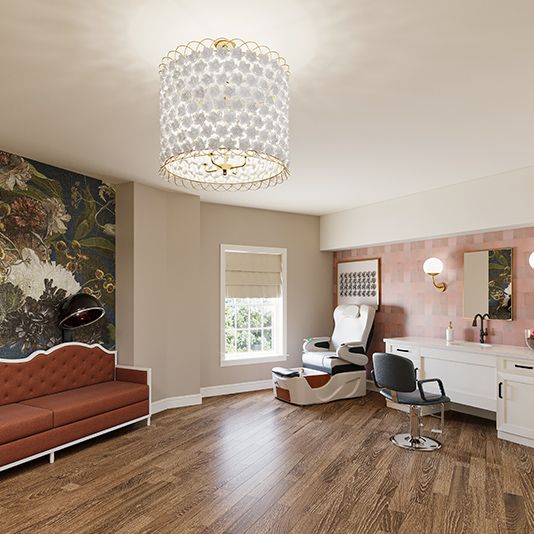
    Modern salon interior with a stylish chandelier, hairdressing station, and wooden flooring.
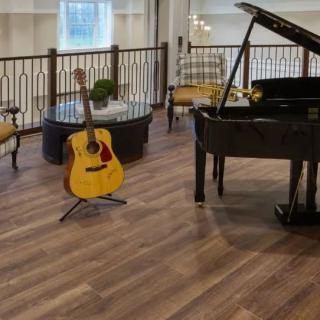
  • Piano

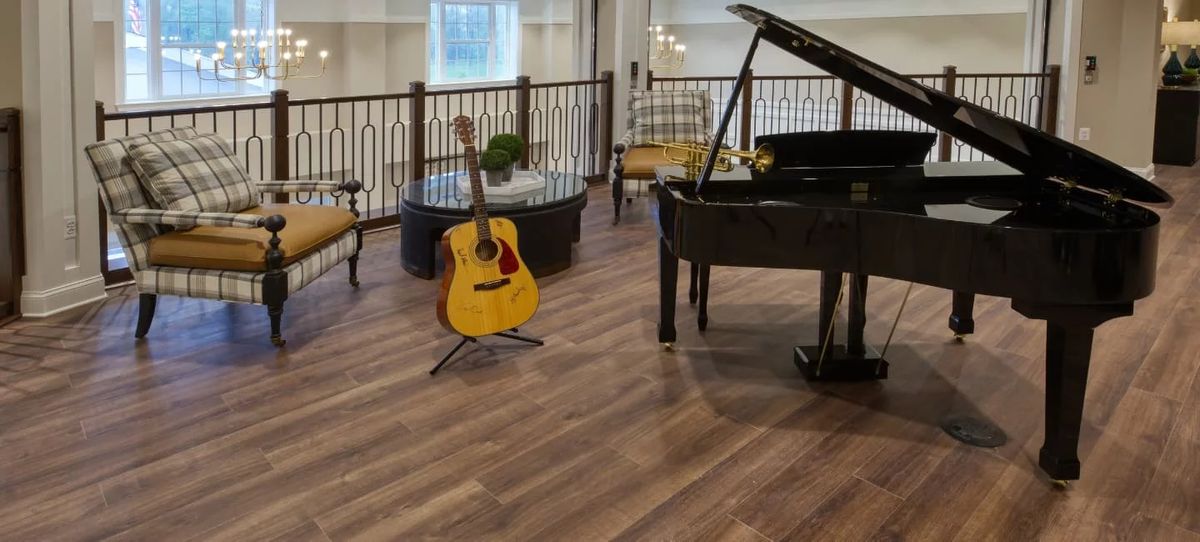
    An elegant living room featuring a grand piano and an acoustic guitar.

Cadence At Olney

17001 Georgia Avenue, Olney, MD 20832

For more information about senior living options: (844) 490-3973

4.2 from 33 reviews
5 stars
25
4 stars
1
3 stars
1
2 stars
2
1 stars
4

Overall Review of Cadence At Olney

Pros

  • pro HarborChase is a really nice senior home.
  • pro The facility is clean, and the staff are kind, engaging, and always available.
  • pro The dining room food is consistently good.
  • pro Residents and guests were up and dancing and everyone had a great time at the concert.
  • pro The building is beautiful inside and out.
  • pro There is a wonderful family culture for both workers and residents.
  • pro Lynn Lyons has a gift for working with seniors, with genuine connection and boundless patience.
  • pro Susan Bwewusa and the healthcare team provide outstanding care and clear communication.
  • pro The facility is very clean and clutter-free.
  • pro Tiffaney is pleasant, knowledgeable, caring, and attentive.
  • pro Chef Sassi delivers varied, sumptuous, restaurant-quality meals.
  • pro The monthly birthday party and piano/music events create a festive, engaging atmosphere.

Cons

  • pro One reviewer called the Olney facility the worst senior citizen home in America, saying the manager and front desk were terrible.
  • pro They criticized that caregivers were given maintenance chores, such as sweeping and mopping the dining room, which they felt should be done by maintenance staff.
  • pro Cadence Memory Care was described as the worst place they had ever seen, with staff not smiling and residents not receiving adequate care despite high costs.
  • pro They reported ongoing problems at Cadence, including conflicting information from leadership and a lack of timely answers.
  • pro They complained about poor food quality at Cadence, describing soups as watery and bread and meat as hard and stringy.
  • pro They characterized Cadence as having an incredibly hostile work environment and substandard care, with no skilled nursing.
  • pro They noted medication-related issues, such as medicines being forgotten or not distributed promptly, sometimes contributing to hospitalizations.

Review

Cadence At Olney is best suited for seniors who prize a warm, socially vibrant environment with regular programming, tasteful dining, and dedicated memory-care support. The community earns praise for its inviting, well-kept spaces and a culture that feels like family, where staff engagement is visible and residents often appear happy and active. Families drawn to a resort-like feel, frequent events, and on-site dining that rivals a restaurant will find Cadence a compelling fit. That said, prospective residents should recognize that the strongest advantages hinge on social energy, staff warmth, and a nurturing atmosphere; those whose loved ones require relentlessly precise medical oversight or consistently flawless care management may wish to explore alternatives.

On the upside, Cadence At Olney delivers consistently strong experiential value. The building presents as clean, uncluttered, and welcoming, with staff who are described as kind, attentive, and genuinely engaged in residents’ daily well-being. Dining receives frequent commendation, with chefs praised for variety and quality that elevate meals into a social, enjoyable daily ritual rather than a routine obligation. The memory-care cohort in particular benefits from caregivers who connect with residents, support activities, and maintain relationships that feel personal and reassuring. Activities, from piano performances to monthly birthday celebrations, create a sense of celebration and normalcy that many families value highly. Executive leadership surfaces in family-friendly ways, with directors and front-office staff often described as accessible and responsive during visits.

Yet the experience is not uniformly seamless. Several reviews flag concerns that warrant serious attention. A recurring thread centers on management and communication: conflicting information from leadership, inconsistencies in policy application, and perceived delays in addressing urgent resident needs. Medication administration and timely assistance in memory-care are cited by some families as problem areas, sometimes contributing to anxiety or avoidable health risks. Staffing dynamics appear inconsistent in the most critical moments, with a subset of families reporting limited personnel during peak times or discomfort with caregiver assignments. While many staff members shine in warmth and attentiveness, these mixed signals create a risk gradient that families must weigh against the benefits of the community’s social, culinary, and cultural strengths.

Those very strengths, especially the compassionate, person-centered care exemplified by individual staff members, can offset a portion of the drawbacks for many residents. When a caregiver like Lynn Lyons or a dedicated med-tech can connect with a resident and brighten a difficult day, the overall quality of life rises noticeably. The joyful, active environment, concerts, games, clubs, and celebrations, helps residents stay engaged, preserve routine, and maintain dignity, which in turn supports families who live far away or who cannot be on-site constantly. The food program, when it operates at its best, provides comfort and variety that anchors daily life, making it easier for families to accept occasional operational hiccups as manageable maintenance rather than existential risk.

Given the mixed track record, certain families will want to consider alternatives. If a loved one requires unwavering, high-frequency clinical oversight, or if there is a history of medication errors or delayed responses, other communities with more stable medical teams and proven escalation processes may be safer choices. For those who place a premium on consistent administrative clarity and predictability from leadership, Cadence’s reported turnover and occasional misalignment between departments could be a deterrent. Similarly, if meal quality dips into the “adequate but not exceptional” range for a resident who relies on tastes and textures to maintain appetite, it could push families toward facilities with more uniform culinary reputations.

A practical decision approach is clear. Visit during peak activity times to observe how staff interact with residents and how care is delivered in real-life moments. Meet the executive director and the head of memory care; ask for current staffing ratios, the med-pass process, and a concrete example of a recent service escalation. Tap residents and family members about problem resolution timelines and transparency. Request a detailed care plan that aligns with the loved one’s medical needs, and probe whether a trial stay or a short-term arrangement could realistically demonstrate cadence and reliability before committing. In short, Cadence At Olney offers an appealing blend of culture, comfort, and care, one that can be a superb fit for many, but it benefits from disciplined due diligence to ensure the clinical expectations match the promising, hospitality-forward promise.

Features

Housing

  • 21 resident community capacity 21 resident community capacity

Types of Care

  • Assisted Living Assisted LivingAssisted living facilities provide crucial support and care for seniors who may need help with daily tasks such as medication management, bathing, and meal preparation. These communities offer a safe and comfortable environment where seniors can maintain their independence while receiving the assistance they need to thrive in their golden years.
  • Independent Living Independent LivingIndependent living communities are important for seniors because they offer a safe and supportive environment where older adults can live independently while still having access to amenities and services that enhance their quality of life. These communities provide social opportunities, recreational activities, and assistance with daily tasks, promoting overall well-being and allowing seniors to maintain their independence for as long as possible.
  • Memory Care Memory CareMemory care is crucial for seniors as it provides specialized support and services for individuals with dementia or Alzheimer's disease. These programs offer a safe and secure environment where residents receive personalized care, cognitive stimulation, and help with daily activities. Memory care helps seniors maintain their independence, quality of life, and dignity while also providing peace of mind for their families.

Amenities

  • Beauty salon Beauty salonBeauty salons are important for seniors because they provide a space for them to feel pampered, socialize, and maintain their personal grooming and hygiene. Regular visits to a beauty salon can help boost seniors' self-esteem and overall well-being.
  • Cable or satellite TV Cable or satellite TVCable or satellite TV is important for seniors because it provides entertainment, news, and companionship, helping to combat loneliness and boredom. It also offers a wide range of programming options tailored to different interests and preferences.
  • Dining room Dining roomDining rooms are important for seniors as they provide a space for socialization, connection, and nutritious meals. They offer opportunities for residents to bond over shared meals, foster a sense of community, and promote healthy eating habits. Dining rooms also ensure that seniors have access to well-balanced meals tailored to their dietary needs and preferences.
  • Fully furnished Fully furnishedFully furnished senior living communities are important for seniors because they provide convenience, comfort, and a hassle-free moving experience. Seniors can easily settle into their new living space without the stress of having to buy and move furniture. This allows them to focus on enjoying their new home and community.
  • Garden GardenGardens are important for seniors as they provide a peaceful and therapeutic environment for relaxation, physical activity, and socialization. Being in nature has been shown to reduce stress, improve mood, and promote overall well-being. Gardens also offer opportunities for seniors to engage in gardening activities, which can improve mobility, flexibility, and cognitive function. Additionally, gardens create a sense of community and connection with others who share a passion for plants and outdoor spaces.
  • Housekeeping services Housekeeping servicesHousekeeping services are important for seniors because they help maintain a clean and safe living environment, promote independence, and reduce the risk of accidents or illnesses. Additionally, having assistance with household chores can alleviate physical strain and allow seniors to focus on other aspects of their well-being.
  • Kitchenette KitchenetteKitchenettes are important for seniors living in senior living communities because they provide the convenience and independence of being able to prepare simple meals and snacks in the comfort of their own living space. This can help promote a sense of autonomy and well-being for seniors, allowing them to maintain some level of control over their dietary choices and daily routines.
  • Move-in coordination Move-in coordinationMove-in coordination is important for seniors because it helps ease the transition into their new living environment. It ensures that all logistics, such as packing, organizing movers, and setting up utilities are taken care of, allowing seniors to focus on settling in and adjusting to their new home. Having a smooth move-in process can alleviate stress and anxiety, making the transition smoother and more enjoyable for seniors.
  • Outdoor space Outdoor spaceOutdoor spaces are important for seniors as they provide opportunities for physical activity, social interaction, exposure to natural light and fresh air, and a sense of connection to nature. Having access to outdoor spaces can improve overall well-being and quality of life for older adults living in senior communities.
  • Telephone TelephoneTelephones are important for seniors as they provide a lifeline for communication with loved ones, emergency services, and healthcare providers. They offer a sense of security and independence, enabling seniors to stay connected and access assistance when needed.
  • Wi-Fi/high-speed internet available Wi-Fi/high-speed internet availableWi-Fi/high-speed internet is important for seniors to stay connected with loved ones, access online resources, and participate in virtual activities to combat feelings of loneliness and isolation. It also allows them to easily manage healthcare needs, access entertainment, and engage in lifelong learning opportunities.

Transportation

  • Ronald Reagan Washington National (20 miles away) Ronald Reagan Washington National (20 miles away)
  • Baltimore-Washington International (22 miles away) Baltimore-Washington International (22 miles away)
  • Washington Dulles International (25 miles away) Washington Dulles International (25 miles away)

Care Services

  • 24-hour call system 24-hour call system24-hour call systems are important for seniors because they provide peace of mind and immediate assistance in case of emergencies. This technology ensures that help is always available, promoting safety and security for elderly individuals living alone or in assisted living facilities.
  • 24-hour supervision 24-hour supervision24-hour supervision is important for seniors to ensure their safety, well-being, and access to immediate assistance in case of emergencies or health issues. This constant support provides peace of mind for both seniors and their loved ones, allowing them to age in place with dignity and security.
  • Activities of daily living assistance Activities of daily living assistanceActivities of daily living assistance are important for seniors because they provide essential support with tasks such as eating, bathing, dressing, and mobility. This assistance helps seniors maintain their independence, dignity, and overall quality of life as they age.
  • Assistance with bathing Assistance with bathingAssistance with bathing is crucial for seniors as it helps maintain personal hygiene, prevents infections, and ensures their overall well-being and comfort. It also provides a sense of dignity and independence for seniors who may struggle with this task on their own.
  • Assistance with dressing Assistance with dressingAssistance with dressing is important for seniors because it helps maintain their independence, promotes personal hygiene, prevents accidents and injuries, and improves overall quality of life. This service ensures that seniors can continue to dress comfortably and confidently, despite any physical limitations they may have.
  • Assistance with transfers Assistance with transfersAssistance with transfers is crucial for seniors as it helps prevent falls and injuries, maintains their independence, and ensures they can safely navigate their living environment. It also provides peace of mind for both seniors and their loved ones.
  • Coordination with health care providers Coordination with health care providersCoordination with health care providers is crucial for seniors to ensure proper medical care, medication management, and overall well-being. This collaboration helps prevent overlapping treatments, track progress more effectively, and provide comprehensive support tailored to individual needs.
  • Dementia waiver Dementia waiverDementia waivers are essential for seniors as they provide critical protections and accommodations for those experiencing cognitive decline. These waivers ensure individuals with dementia receive appropriate care, support, and resources to maintain their quality of life and dignity as they navigate the challenges of this progressive condition.
  • Diabetes diet Diabetes dietA diabetes diet is crucial for seniors as it helps manage blood sugar levels, reduce risks of complications, and improve overall health and well-being. By following a balanced and nutritious diet tailored to their specific needs, seniors can better control their diabetes and enhance their quality of life.
  • Hospice waiver Hospice waiverHospice waivers are important for seniors because they allow individuals to receive specialized end-of-life care and support at home or in a hospice facility. This waiver ensures that seniors can access the necessary resources and services to maintain comfort and dignity during their final days.
  • Meal preparation and service Meal preparation and serviceMeal preparation and service are crucial for seniors as they may have limited mobility or energy to cook nutritious meals. Having access to healthy and convenient food options can ensure they are getting the proper nutrition needed to maintain their overall health and well-being.
  • Medication management Medication managementMedication management is crucial for seniors to ensure they are taking the right medications at the correct dosages and times. This helps prevent adverse drug interactions, reduces the risk of medication errors, and promotes overall health and well-being. Proactive management also allows for adjustments as needed based on changing health conditions or new prescriptions.
  • Mental wellness program Mental wellness programMental wellness programs are essential for seniors as they promote cognitive stimulation, emotional support, and social engagement. These programs help prevent isolation, depression, and cognitive decline, ultimately enhancing the overall quality of life for older adults.
  • Mild cognitive impairment Mild cognitive impairment"Mild cognitive impairment" is important for seniors because it is an early stage of cognitive decline that can potentially progress to more severe conditions such as dementia. Recognizing and addressing mild cognitive impairment can help seniors receive appropriate care and support to maintain their quality of life and independence for as long as possible.
  • Special dietary restrictions Special dietary restrictionsSpecial dietary restrictions are important for seniors because age-related changes in metabolism and health conditions can make it difficult for their bodies to process certain foods. By following a diet tailored to their specific needs, seniors can maintain their overall health and well-being, manage chronic conditions, and reduce the risk of complications such as malnutrition or food interactions with medications.
  • Specialized memory care programming Specialized memory care programmingSpecialized memory care programming is crucial for seniors with cognitive impairments such as dementia or Alzheimer's disease. These programs provide a safe and supportive environment tailored to the unique needs of individuals with memory loss, helping them maintain their independence, dignity, and quality of life.
  • Transportation arrangement (medical) Transportation arrangement (medical)Transportation arrangements for medical purposes are essential for seniors as they may have difficulty driving themselves to appointments or accessing public transportation. Having reliable and safe transportation options ensures that seniors can receive timely medical care and maintain their health and well-being.
  • Transportation to doctors appointments Transportation to doctors appointmentsTransportation to doctors' appointments is crucial for seniors as it ensures they have access to necessary medical care and support for their health needs. Without reliable transportation, seniors may struggle to attend important appointments, leading to potential delays in treatment and health complications. Providing transportation services helps seniors maintain their overall well-being and quality of life.
Dining

  • Diabetes diet Diabetes dietA diabetes diet is crucial for seniors as it helps manage blood sugar levels, reduce risks of complications, and improve overall health and well-being. By following a balanced and nutritious diet tailored to their specific needs, seniors can better control their diabetes and enhance their quality of life.
  • Special dietary restrictions Special dietary restrictionsSpecial dietary restrictions are important for seniors because age-related changes in metabolism and health conditions can make it difficult for their bodies to process certain foods. By following a diet tailored to their specific needs, seniors can maintain their overall health and well-being, manage chronic conditions, and reduce the risk of complications such as malnutrition or food interactions with medications.

Activities

  • Community-sponsored activities Community-sponsored activitiesCommunity-sponsored activities are important for seniors as they provide opportunities for social interaction, mental stimulation, and physical activity. These activities can help improve overall well-being, combat loneliness and isolation, and promote a sense of belonging and purpose among older adults.
  • Resident-run activities Resident-run activitiesResident-run activities are important for seniors as they encourage social interaction, creativity, and a sense of autonomy. These activities empower seniors to stay engaged and active in their community while fostering meaningful connections with their peers.
  • Scheduled daily activities Scheduled daily activitiesScheduled daily activities are important for seniors because they provide structure, socialization, mental stimulation, and physical activity. Engaging in regular activities can improve overall well-being and quality of life for seniors living in a community setting.

Description

Cadence At Olney in Olney, MD is a vibrant and welcoming assisted living community that offers a range of care services and amenities to ensure the comfort and well-being of our residents. Our community provides both Independent Living and Memory Care options, catering to the unique needs of individuals seeking different levels of support.

At Cadence At Olney, we pride ourselves in providing a high level of care and support for our residents. Our skilled staff is available 24/7 to offer supervision and assist with activities of daily living such as bathing, dressing, and transfers. We also coordinate with health care providers to ensure comprehensive care for each resident. Specialized memory care programming is available for those who require extra attention due to dementia or mild cognitive impairment.

Our comfortable accommodations are fully furnished and equipped with modern amenities such as cable or satellite TV, Wi-Fi/high-speed internet, telephone, and kitchenette in every apartment. Housekeeping services are provided regularly to maintain a clean and tidy living environment. Residents can enjoy the tranquility of our outdoor spaces including a beautiful garden.

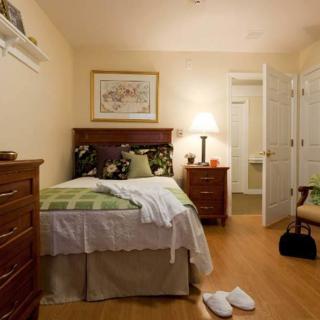
Dining at Cadence At Olney is an enjoyable experience, with meals prepared by our experienced chefs. We accommodate special dietary restrictions ensuring that everyone's nutritional needs are met.

We believe in promoting an active lifestyle among our residents by offering a variety of resident-run activities as well as scheduled daily activities designed to engage and entertain. This creates an inclusive community where residents can socialize and participate in meaningful experiences.

The convenient location of Cadence At Olney allows easy access to nearby parks, pharmacies, physicians, restaurants, and places of worship. Transportation arrangements can be made for medical appointments ensuring that our residents have access to necessary healthcare services.

If you're looking for an inviting assisted living community that offers personalized care in a warm environment surrounded by numerous amenities, Cadence At Olney is the perfect place for you or your loved one.

Nearby Places of Interest

This part of Olney, Maryland offers a diverse range of amenities for seniors considering the area for living. With several CVS and Walgreens pharmacies nearby, access to medication and healthcare supplies is convenient. There are also reputable physicians and hospitals within a short distance, including Montgomery Internal Medicine and Adventist HealthCare Shady Grove Medical Center, ensuring quality healthcare services. Additionally, there are various parks for outdoor recreation such as Rock Creek Regional Park and Falls Road Park. Transportation options like metro stations and car rentals provide easy mobility around the area. The presence of cafes, restaurants, and theaters offer opportunities for socializing and entertainment. Overall, this neighborhood provides a comfortable and convenient lifestyle for seniors in Olney.

Pharmacies

  • CVS Pharmacy (1.1 miles)
  • CVS Pharmacy (3.2 miles)
  • CVS Pharmacy (3.3 miles)
  • CVS Pharmacy (3.9 miles)
  • CVS Pharmacy (5.2 miles)
  • Walgreens (5.4 miles)
  • Walgreens (5.5 miles)

Places of Worship

  • Saint Andrew Kim Catholic Church (1.2 miles)
  • Church of the Redeemer (5.1 miles)
  • Rockville Evangelical Mission (6.1 miles)
  • Christ Congregational Church (8.9 miles)

Physicians

  • Montgomery Internal Medicine (1.2 miles)
  • Potomac Valley Orthopedic (2.2 miles)
  • Melvin S. Stern, MD (6 miles)
  • Occupational Health Consultants (6.9 miles)
  • The Centers For Advanced Orthopaedics (6.9 miles)
  • Potomac Pediatrics (7.1 miles)
  • Kane Howard MD (7.6 miles)

Parks

  • Rock Creek Regional Park (3.6 miles)
  • Georgian Forest Park & Tennis Courts (4.2 miles)
  • Triadelphia Reservoir (5.1 miles)
  • Winding Creek Local Park (5.5 miles)
  • Bohrer Park (6.7 miles)
  • Falls Road Park (7.6 miles)

Restaurants

  • Peter's Grill (4.6 miles)
  • McDonald's (4.8 miles)
  • Taco Bell (5.1 miles)
  • Sichuan Pavilion (5.4 miles)
  • McDonald's (5.6 miles)
  • Silver Diner (6 miles)
  • Dulcinea Bar and Grill (6.4 miles)

Transportation

  • Glenmont Metro Station (5.1 miles)
  • Shady Grove Metro Station (5.2 miles)
  • Rockville Metro Station (5.4 miles)
  • Hertz Rent A Car (5.6 miles)
  • Twinbrook Metro Station (5.7 miles)
  • Grosvenor-Strathmore Metro Station (7.5 miles)
  • Nextcar Gaithersburg South (8 miles)

Cafes

  • Starbucks (5.3 miles)
  • Silver Diner (7 miles)
  • Starbucks (7.1 miles)
  • Starbucks (8 miles)
  • Starbucks (8.1 miles)
  • Starbucks (8.3 miles)
  • Starbucks (9.1 miles)

Theaters

  • AMC DINE-IN Rio Cinemas 18 (7 miles)
  • AMC Montgomery 16 (8.7 miles)

Hospitals

  • Adventist HealthCare Shady Grove Medical Center (7.4 miles)
  • Holy Cross Hospital (8.5 miles)

Frequently Asked Questions

Where is Cadence At Olney?
Does Cadence At Olney provide care for residents with dementia or Alzheimer's disease?
What photos are available for Cadence At Olney in Olney, Maryland?

Nearby Communities

  • Olney Memory Care

    Olney Memory Care

    Olney, MD

    5 from 34 reviews
    $4,500 / month

    pro Specialized memory care with 24/7 supervision and robust programming.

  • Olney Assisted Living

    Olney Assisted Living

    Olney, MD

    4.8 from 70 reviews
    $7,850 / month

    pro Compassionate staff delivering memory-care in a one-level setting with engaging activities and proactive family communication.

  • Best Home for Mom and Dad

    Best Home for Mom and Dad

    Rockville, MD

    5 from 40 reviews
    $3,500 to $4,500 / month

    pro Kamini's dedication and the warm, well-maintained home environment.

  • Cadence at Olney

    Cadence at Olney

    Olney, MD

    3.8 from 6 reviews
    $5,620 to $10,840 / month

    pro Brand-new community with modern amenities and engaging activities.

  • Ammahl Home

    Ammahl Home

    Burtonsville, MD


    pro Proximity to parks, pharmacies, physicians, transportation, and places of worship in a peaceful Burtonsville setting.

  • Ammahl Home For The Elderly

    Ammahl Home For The Elderly

    Olney, MD

    5 from 34 reviews
     

    pro Homelike board-and-care with personalized daily assistance and diabetes-friendly meals.

  • Homecrest

    Homecrest

    Silver Spring, MD

    4.6 from 9 reviews
    $3,000 to $4,000 / month

    pro Clean, welcoming environment with long-tenured, compassionate staff.

  • Layhill Nursing And Rehabilitation Center

    Layhill Nursing And Rehabilitation Center

    Silver Spring, MD

    4.6 from 100 reviews
     

    pro Extensive amenities and around-the-clock care with engaging activities.

  • Bel Pre Healthcare Center

    Bel Pre Healthcare Center

    Silver Spring, MD

    1.6 from 11 reviews
     

    pro Engaging activities and dedicated therapy staff.

Related Resources

  • dementia careMemory Care Pathways: A Holistic Guide to Dementia Support

    "Memory Care Pathways: A Holistic Guide to Dementia Support" outlines the complexities of dementia and its various types, emphasizing early detection, patient-centered care strategies, caregiver support, and long-term care options while addressing legal and financial considerations to enhance the quality of life for individuals with dementia and their families.

  • sundown syndromeComprehending Evening Confusion in Dementia: Causes, Manifestations, and Support

    Sundown syndrome, or sundowning, is a phenomenon in dementia patients characterized by increased confusion and agitation during late afternoon and evening, influenced by factors like disrupted circadian rhythms and fatigue. Effective caregiver strategies include establishing routines and managing environmental light while addressing caregiver stress through support services.

  • delirium vs dementiaDelirium and Dementia: Unraveling the Key Differences
    Delirium is a rapidly onset, reversible cognitive disturbance often caused by acute medical issues, while dementia is a gradual and irreversible decline due to chronic neurodegenerative diseases. Accurate differentiation between the two is essential for appropriate treatment and management in older adults.