

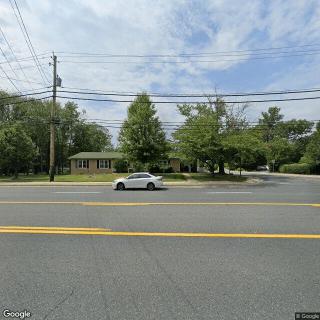
9402 Belair Road, Baltimore, MD 21236
For more information about senior living options: (866) 208-4318
Ma Maison Cottage #2 Costs & Pricing
Ma Maison Cottage #2 offers competitive pricing for both semi-private and private room options, making it an attractive choice for potential residents. The cost for a semi-private room is set at $3,300 per month, which is slightly above the average rate in Baltimore City at $3,116 but remains lower than the Maryland state average of $3,545. For those seeking more privacy, the private room option is priced at $3,700 monthly. This fee presents a favorable alternative to the city's average of $3,729 and considerably undercuts the state average of $4,112. Overall, Ma Maison Cottage #2 provides quality accommodations with costs that reflect a balance between local market rates and the overall value offered within its care environment.
| Floor plans | Ma Maison Cottage #2 | Baltimore city | Maryland |
|---|---|---|---|
| Semi-Private | $3,300 | $3,116 | $3,545 |
| Private | $3,700 | $3,729 | $4,112 |
Assisted Living communities with a similar price nearby
-
from -$100 / mo

Mumsey's Residential Care
$3,200 to $5,400 / month12.0 miles away -
from -$325 / mo
Gneale Home Care
$2,975 / month14.2 miles away -
from +$200 / mo

Greenway Manor
$3,500 to $3,800 / month21.1 miles away -
from +$200 / mo
Hanover Assisted Living
$3,500 to $5,000 / month22.2 miles away -
from +$325 / mo
Brightview Avondell
$3,625 to $5,165 / month10.3 miles away
Overall Review of Ma Maison Cottage #2
Pros
 It was a nice place to see.
- The reviewer was impressed by the residents standing around and doing exercises.
Cons
 They felt it was not the right fit for them.
Review
Ma Maison Cottage #2 in Baltimore, MD is best suited for families seeking an intimate, activity-forward assisted living option where daily life centers on visible movement, social engagement, and a home-like atmosphere. The environment communicates a vibe of warmth and neighborly familiarity, with residents who appear active and connected rather than passive. For families prioritizing authentic, in-person activity over a grand, corporate feel, this community offers a compelling fit. It appears particularly well-suited for those who want to see real signs of life, neighbors greeting one another, participating in light wellness routines, and maintaining gentle, communal movement throughout the day.
Those considering alternatives should note that Ma Maison Cottage #2 may not satisfy every care profile. Individuals or families needing robust medical oversight, complex care levels, or a tightly structured program with extensive on-site therapies may want to explore options with broader clinical offerings. Likewise, those longing for a larger campus with a more standardized, regimented routine or more expansive service lines might find other communities better aligned with expectations. In short, this option leans toward a homier, activity-rich environment rather than a medicalized, feature-laden model.
The most compelling pro evident in the feedback is the lived, active atmosphere. A “nice place to see” paired with residents who stand around and exercise points to a daily rhythm that favors health, social contact, and visible participation. This is a meaningful differentiator for families who worry about stagnation or isolation in assisted living. The scene of residents engaging in movement together not only promotes physical well-being but also signals opportunities for spontaneous conversations, peer support, and reminder that aging bodies can stay active. That immediacy of vitality can't be dismissed when evaluating quality of daily life.
Another strength implied by the impression is the potential for a close-knit, low-pretension community feel. An observer-friendly setting often correlates with accessible staff interactions, easier participation in group activities, and a sense that neighbors genuinely know one another. For families who value a homey environment over a clinical one, these qualitative cues carry real weight. The lack of sprawling density may translate into simpler navigation, easier monitoring of a loved one’s day, and a greater sense of belonging, factors that, when aligned with care needs, greatly enhance daily satisfaction.
The primary con, as stated, is that the community was “not a right fit” for the reviewer. That caveat cannot be dismissed, yet it does not negate the favorable signals noted. The positive attributes, an inviting, active setting and authentic resident engagement, partly offset the mismatch by appealing directly to those who prioritize routine social and physical activity. However, the data is limited: a single 4-star impression with no other corroborating experiences to balance it. Prospective residents should approach with a plan for verification, using tours and direct conversations to confirm whether care levels, safety monitoring, and staff responsiveness meet the specific needs of the future resident.
Practical next steps are clear. Schedule a visit to observe how programming actually unfolds across a typical day, paying close attention to how exercise and social activities are facilitated and how easily staff interact with residents. Ask about the level of daily care available, what happens if health needs change, and who delivers therapies or medical oversight on-site. Request candid conversations with current residents or families about safety, meals, housekeeping, and transportation. If the goal is to nurture independence within a welcoming, active community, Ma Maison Cottage #2 can be a strong contender, but only after confirming that the care framework aligns with the intended level of support and the resident’s daily preferences.
 15 resident community capacity
 Assisted Living
 Board and Care Home
 Cable or satellite TV
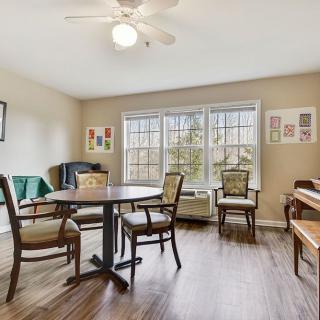
 Dining room
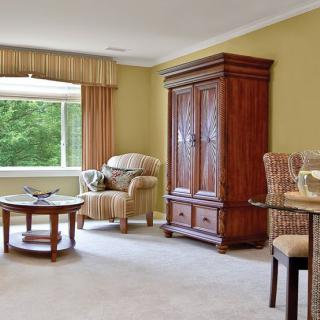
 Fully furnished
 Garden
 Housekeeping services
 Move-in coordination
 Outdoor space
 Private
 Telephone
 Wi-Fi/high-speed internet available
 Baltimore-Washington International (19 miles away)
 24-hour supervision
 Activities of daily living assistance
 Ambulatory care
 Assistance with bathing
 Assistance with dressing
 Assistance with transfers
 Diabetes diet
 Diabetic care
 High acuity care
 Incontinence care
 Meal preparation and service
 Medication management
 Special dietary restrictions
 Transportation arrangement (medical)
 Transportation to doctors appointments

 Assisted Living Expenses and Long-Term Care Insurance: A Comprehensive Exploration
 Securing Financial Support for Assisted Living: A Comprehensive Overview
 Social Security Benefits and Assisted Living: Navigating Options Across the U.S.