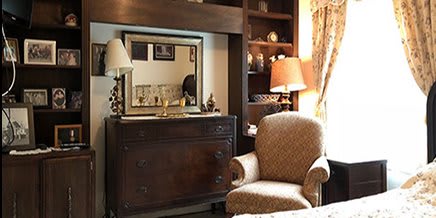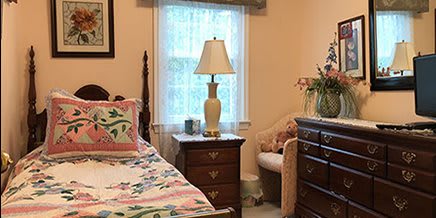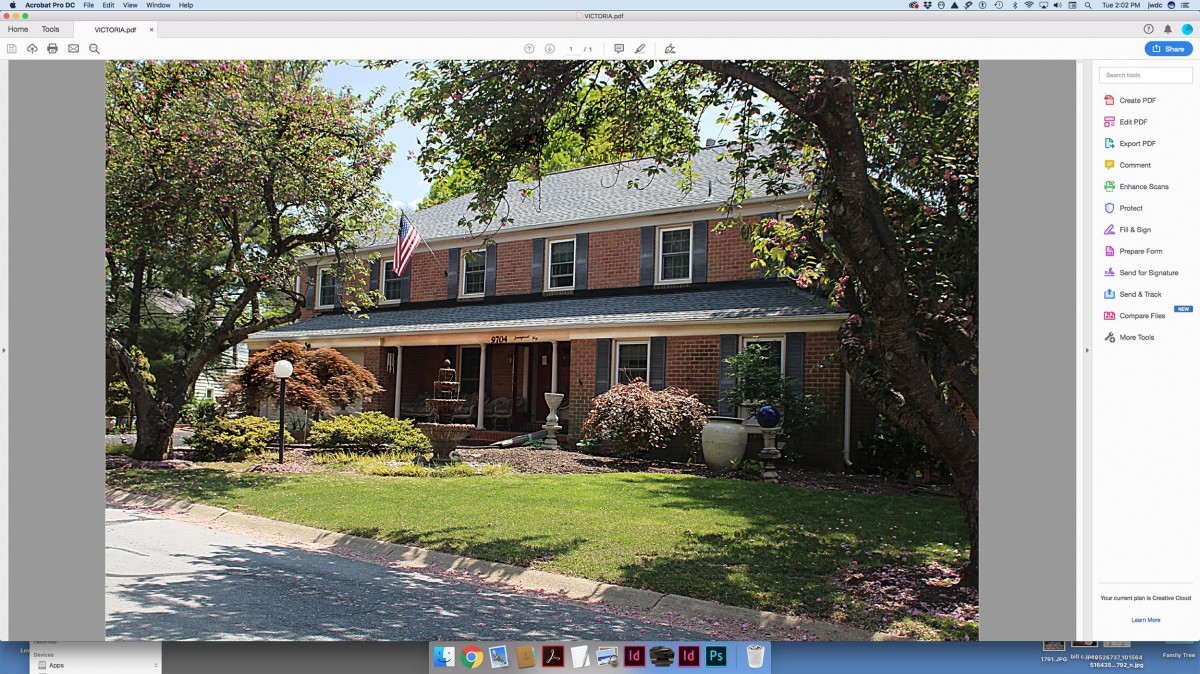
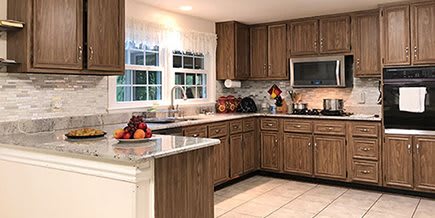
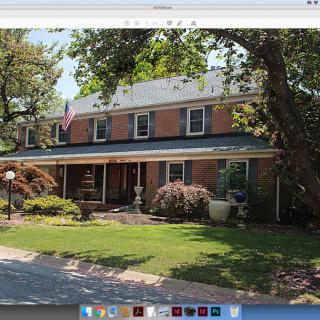


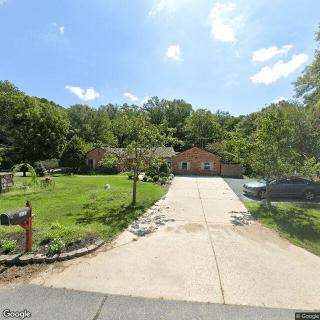
9704 Inaugural Way, Montgomery Village, MD 20886
For more information about senior living options: (866) 208-4318
Victoria Home Costs & Pricing
At Victoria Home, the monthly costs for accommodations reflect a commitment to quality care and comfort. For a semi-private room, residents can expect to pay $5,000, which is notably higher than the average rates in Montgomery County at $4,337 and in Maryland at $3,545. This premium reflects not just the room type but also the tailored services and community environment offered. In contrast, private rooms at Victoria Home are priced at $5,500, slightly exceeding the county's average of $5,009 and Maryland's average of $4,112. While these costs are above regional averages, they underscore Victoria Home's focus on providing exceptional care that prioritizes resident well-being and satisfaction.
| Floor plans | Victoria Home | Montgomery County | Maryland |
|---|---|---|---|
| Semi-Private | $5,000 | $4,337 | $3,545 |
| Private | $5,500 | $5,009 | $4,112 |
Assisted Living communities with a similar price nearby
-
from +$200 / mo

Avalon House On Laburnum Street
$5,200 / month16.6 miles away -
from +$500 / mo

Glen Hill
$5,500 / month11.0 miles away -
About the same
Necitas
$5,000 to $5,500 / month11.7 miles away -
from +$500 / mo

Autumn Hill
$5,500 / month13.8 miles away -
About the same

Parry Home
$5,000 / month13.6 miles away
Overall Review of Victoria Home
Pros
 Victoria Home-Montgomery Village took very good care of the resident.
- The home was easy to work with.
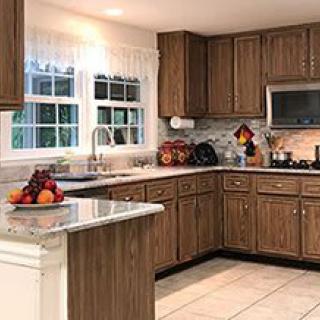
- The home was always clean.
- Both caretakers were friendly, and they lived in the home.
- They offered activities for their clients.
- The smaller environment provided much better care, and every dime was worth it.
- The reviewer would highly recommend Victoria House Montgomery Village and group homes to others.
Cons
 Other owners tried to raise rent $2500 while still under lease.
- Other owners are bad.
- The food wasn't great.
Review
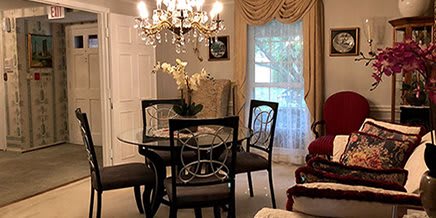
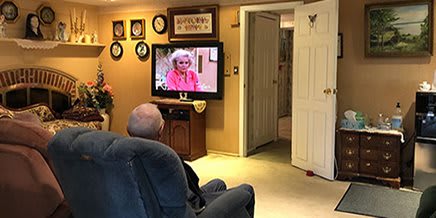
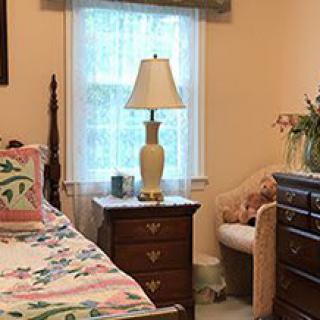
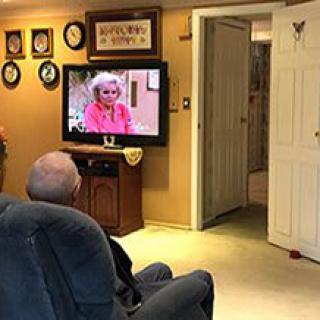
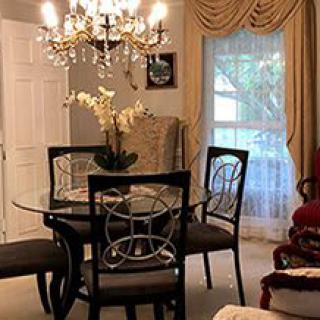
Victoria Home in Montgomery Village is best suited for families seeking a small, home-like setting where an elder can receive attentive, hands-on care from live-in staff. This community shines for residents who value predictability, a warm, familiar atmosphere, and direct oversight from people who actually live in the home. The arrangement creates continuity, caretakers who know the resident’s routine, preferences, and needs, and an environment that feels more like a private residence than a large facility. For families prioritizing personal attention, daily responsiveness, and a sense of belonging, this is a compelling option.
Those who may want to consider alternatives are clear: when medical complexity demands round-the-clock clinical supervision or when a robust menu of therapies, specialized diets, and broad social programming matters, bigger assisted-living communities or traditional nursing homes can be a better fit. A caution highlighted by one reviewer concerns ownership dynamics: other owners reportedly sought substantial rent increases under lease, signaling potential volatility if the management arrangement shifts away from the established operators. Additionally, while meals cover nourishment, they are not described as exceptional, which could matter for residents with picky appetites or special dietary needs. For families seeking a highly structured program, extensive on-site medical services, or chef-driven dining, alternatives deserve serious consideration.
The core advantages of Victoria Home largely offset the downsides. The clean, well-maintained living space and the fact caretakers live on site translate into steady supervision and quick, personalized responses. Easy collaboration with the owner or operator emerges as a practical plus, feeding into smoother move-in processes and ongoing problem-solving. Activities exist for residents who want them, contributing to social engagement without imposing an overcrowded schedule. Most importantly, the smaller environment appears to deliver a sense of safety, generosity of time, and genuine attention that larger settings often struggle to reproduce. When weighed against the cost of traditional nursing homes, the value proposition, more intimate care at a potentially lower price point, holds up well.
Families evaluating a move should pursue concrete, practical checks. Request an in-person meeting with the operator and a tour of the home to observe staff interactions and daily rhythms. Ask for a typical weekly activity calendar and a sample meal plan to gauge whether meals align with the elder’s preferences and nutrition needs. Clarify who handles medical oversight, medication management, and what happens during evenings and weekends, along with a transparent outline of any fees or prospective rent adjustments tied to ownership changes. Ensuring that the live-in caregivers are the same team who will care for the elder provides essential predictability. In short, diligence here translates into confidence about day-to-day life after the transition.
Compared with larger facilities, Victoria Home offers a neighborhood-like vibe, a stronger sense of accountability, and the comfort of a manageable, focused staff-to-resident ratio. Those who prize companionship, routine, and a homey atmosphere may find this setting superior to the impersonal feel of some bigger communities. Yet for elders who require high-touch clinical services, a broader menu of therapeutic options, or highly curated dining experiences, a more expansive option may prove more suitable. The decision should hinge on current care needs, independence level, and how much weight is placed on a truly intimate environment versus the convenience and breadth of services found in larger operations.
Ultimately, the community is a practical match for families who want a warm, intimate residence with committed live-in care and straightforward budgeting. The positives, cleanliness, accessible, personal attention, and a cooperative owner, often outweigh the noted drawbacks around dining preferences and the potential for ownership-related fee changes. Those comfortable with the current management and the personal touch will likely feel confident about daily life here. For others, especially those prioritizing intensive medical oversight or highly structured programming, Victoria Home should be weighed alongside stronger-equipped alternatives to ensure the elder’s needs align with the chosen setting.
 8 resident community capacity
 Assisted Living
 Board and Care Home
 Activities off-site
 Bath tubs
 Beautician on-site
 Cable or satellite TV
 Computer center
 Devotional services off-site
 Dining room
 Fully furnished
 Garden
 Guest parking
 Housekeeping services
 Indoor common areas
 Laundry
 Move-in coordination
 Outdoor common areas
 Party space
 Private
 Private bathrooms
 Respite or short term stays offered
 Security gate
 Telephone
 Wi-Fi/high-speed internet available
 Washington Dulles International (21 miles away)
 Transportation & parking
 24-hour supervision
 Assistance with bathing
 Assistance with dressing
 Assistance with transfers
 Diabetes diet
 Diabetic care
 High acuity care
 Hospice care
 Incontinence care
 Meal preparation and service
 Medication management
 Physical therapy
 Special dietary restrictions
 Transportation arrangement (medical)
 Arts and crafts
 Book club
 Cooking club
 Educational speakers / life long learning
 Fitness programs
 Games
Games Live musical performances
 Wii bowling
 Yoga / chair yoga






 Beyond the Bingo Hall: 50+ Enriching Activities for Seniors in Assisted Living
 Understanding the Distinctions: Assisted Living and Memory Care Explained
 Guiding Elderly Parents Who Refuse Assisted Living: 6 Practical Steps