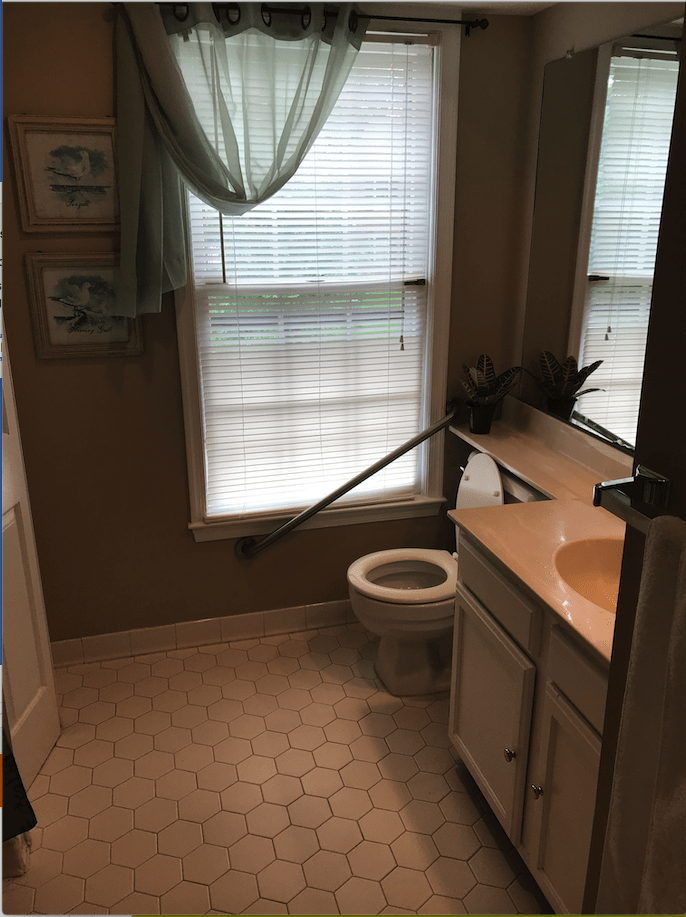
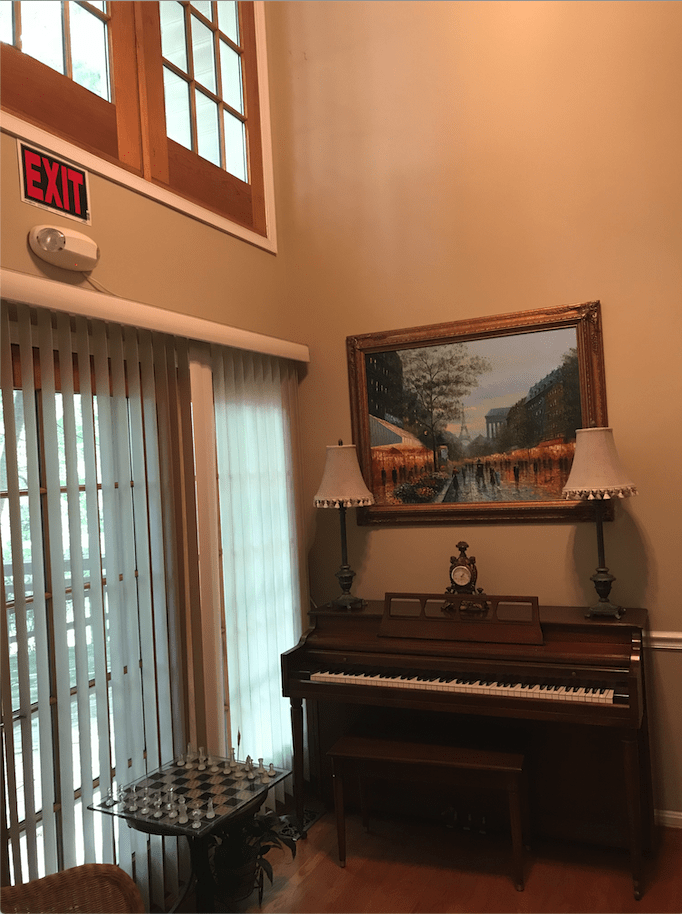
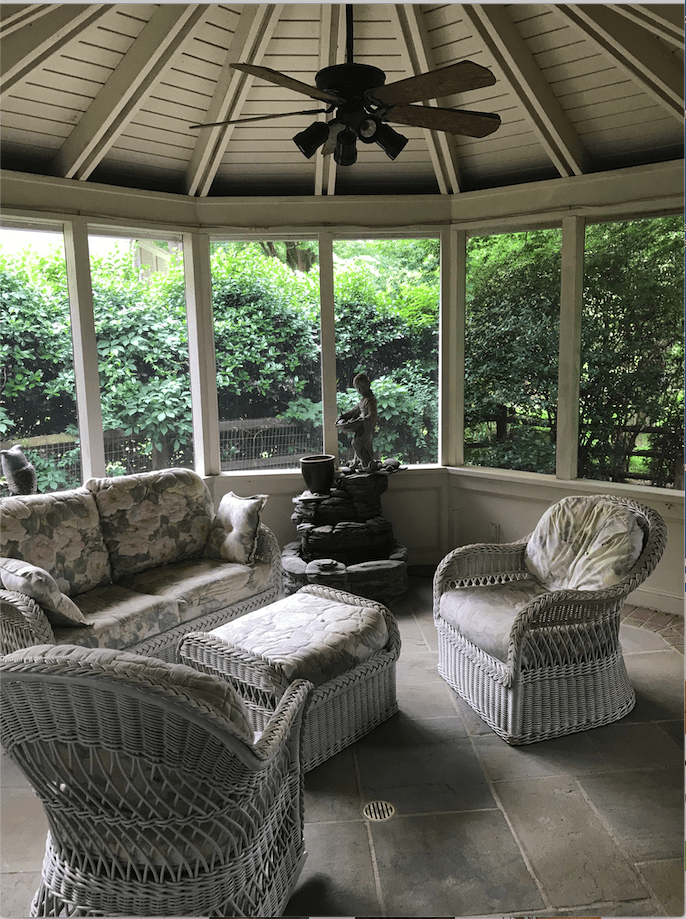
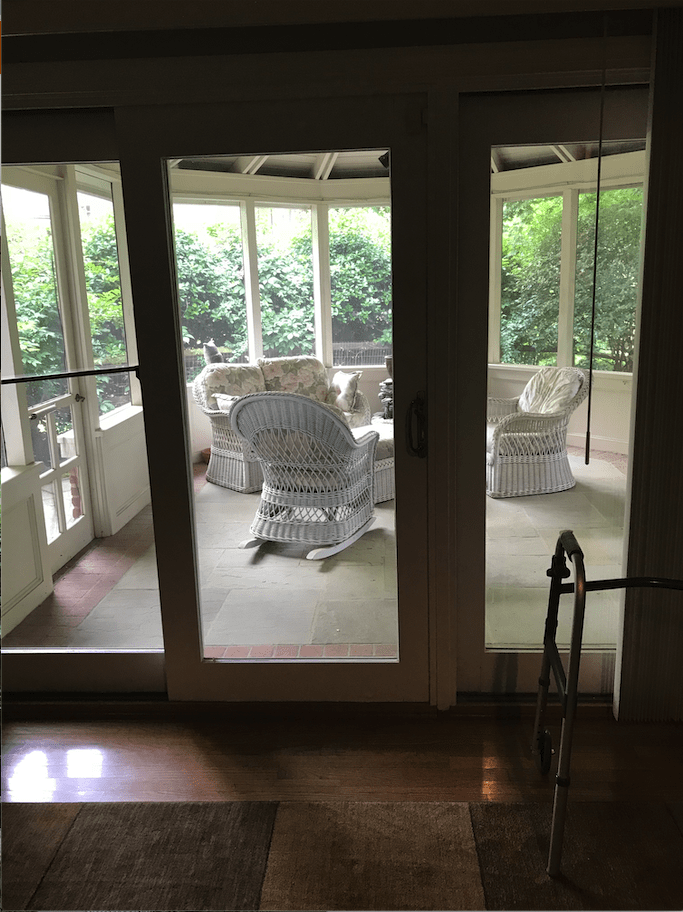
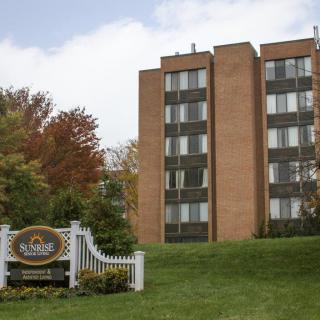
9720 Breckenridge Place, Montgomery Village, MD 20886
For more information about senior living options: (866) 208-4318
Angel Residential Care Providers Costs & Pricing
Angel Residential Care Providers offer competitive pricing for their services, with monthly costs set at $4,000 for semi-private rooms and $5,000 for private accommodations. When compared to the broader context of Montgomery County, these rates are slightly more affordable than the county averages of $4,337 for semi-private and $5,009 for private rooms. In contrast, both options provided by Angel are higher than the state average in Maryland, where semi-private rooms cost about $3,545 and private rooms average around $4,112. This positioning reflects Angel Residential Care Providers' commitment to providing quality care while remaining mindful of local market conditions.
| Floor plans | Angel Residential Care Providers | Montgomery County | Maryland |
|---|---|---|---|
| Semi-Private | $4,000 | $4,337 | $3,545 |
| Private | $5,000 | $5,009 | $4,112 |
Assisted Living communities with a similar price nearby
-
About the same

Catherine's House
$4,000 / month5.8 miles away -
from -$500 / mo
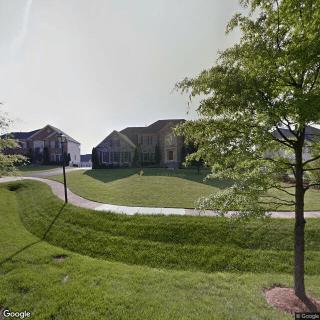
Best Home for Mom and Dad
$3,500 to $4,500 / month7.3 miles away -
About the same
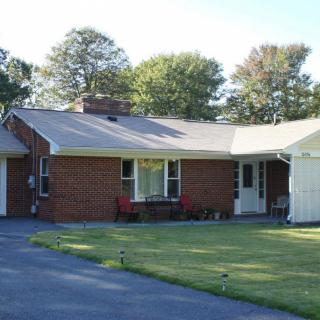
Montgomery Eldercare I
$4,000 to $5,900 / month11.8 miles away -
from -$200 / mo

Montgomery Eldercare II
$3,800 to $5,000 / month12.8 miles away -
from -$500 / mo

Greenway Manor
$3,500 to $3,800 / month21.2 miles away
Overall Review of Angel Residential Care Providers
Pros
 The staff at Angel Residential Care were friendly.
- Communication with the family was good, including texts, emails, and regular family meetings via Zoom.
- The reviewer would recommend Angel Residential Care to others.
Cons
 The reviewer felt there needed to be clearer information about the room that was offered.
- The first-floor room assigned to their loved one turned out to be too small.
Review
Angel Residential Care Providers in Montgomery Village, MD is best suited for families that prize approachable, people-focused care and transparent, multi-channel communication. The community shows strength in the human touch: staff described as friendly and consistently reachable through texts, emails, and regular Zoom family meetings. For families who want to feel attached to their loved one’s daily routine through steady updates and open dialogue, this option delivers a reassuring, hands-on presence. In practical terms, caregivers who value warmth, responsiveness, and a clear line of communication will find this community aligns with their expectations.
That said, there are clear factors that may drive a move to alternatives. A foremost concern is that room size and layout can become a non-starter for some residents. The experience recounted notes that a first-floor room was offered but proved too small for the resident’s needs, which suggests a potential mismatch between preferences for ground-floor access and the available accommodations. For families with a critical requirement for more generous private space, or for a resident who anticipates needing larger, more adaptable living areas on a first floor, other communities may better fit those practical needs. In short, room size and floor-plan options become decisive considerations.
The primary positives, friendly staff and robust family communication, do offset several practical risks, but not uniformly. When a caregiver team feels approachable and reliable, families gain a powerful sense of security: concerns are addressed promptly, daily routines are described with clarity, and family members stay connected through multiple channels. This level of engagement can lessen the emotional toll of moving a loved one into care, reduce surprises, and foster trust in the ongoing care plan. The ability to conduct regular virtual family meetings, with timely updates via email and text, reinforces a collaborative approach to the resident’s well-being, which matters greatly during transitions and ongoing care management.
However, the negative counterweight remains tangible. A too-small first-floor room limits space for personal belongings, mobility aids, or simply the comfort of easier day-to-day living. Even excellent caregiving cannot fully compensate for a misalignment between space needs and what is offered. This isn’t just a matter of personal preference; it can affect daily routines, privacy, and the resident’s sense of autonomy. For families where physical footprint and ease of access on the ground level are non-negotiable, the room constraint could overshadow otherwise commendable staff qualities. This single data point should steer careful, anticipatory planning before committing to a long-term lease.
Practically, a prospective family should take targeted next steps if Angel Residential Care Providers is under consideration. Seek a direct tour and request exact room dimensions for any first-floor options, then compare those measurements to the resident’s current or anticipated needs. Inquire about alternative floor plans or future room arrangements, including whether larger rooms exist on other floors or within different wings. Confirm the schedule and format of family updates, and ensure those channels meet the family’s preferred cadence. Finally, balance the intangible benefits of staff warmth and communication against the concrete constraint of room size to determine whether the positives outweigh the trade-offs.
In conclusion, Angel Residential Care Providers offers a compelling fit for families prioritizing a warmth-centered caregiving team and consistent, proactive communication. Those who can accept or work around a smaller room on a first floor, or who can be flexible about room assignments, will likely experience a smooth, reassuring caregiving relationship. Conversely, families with a firm requirement for larger living spaces or precise floor-level accommodations should explore other communities where room size and layout align more closely with the resident’s long-term comfort and independence. This approach ensures the decision rests on a balanced assessment of people, process, and place.
 5 resident community capacity
 Assisted Living
 Board and Care Home
 Activities on-site
 Air-conditioning
 Bath tubs
 Beautician on-site
 Cable or satellite TV
 Devotional services off-site
 Dining room
 Full kitchen
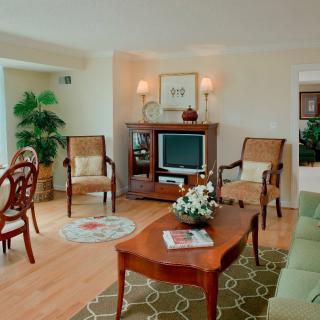
 Fully furnished
 Garden
 Handicap accessible
 Housekeeping services
 Indoor common areas
 Move-in coordination
 Outdoor common areas
 Private
 Private bathrooms
 Respite or short term stays offered
 Telephone
 Wi-Fi/high-speed internet available
 Washington Dulles International (21 miles away)
 24-hour supervision
 Assistance with bathing
 Assistance with dressing
 Assistance with transfers
 Diabetes diet
 Diabetic care
 High acuity care
 Incontinence care
 Meal preparation and service
 Medication management
 Special dietary restrictions
 Transportation arrangement (medical)
 Transportation to doctors appointments
 Day trips and outings
 Educational speakers / life long learning
 Light therapy programs
 Live dance or theater performances
 Live musical performances
 Trivia games



 Understanding the True Cost of Assisted Living in 2025: A Comprehensive Guide
 Understanding Medicaid Coverage for Assisted Living: A Comprehensive Guide
 How and When Medicaid May Cover Assisted Living Costs