At Woodlands Assisted Living, the monthly costs for accommodation are competitively positioned when compared to both Baltimore County and the broader state of Maryland. For a semi-private room, residents can expect to pay $3,295, which is significantly more affordable than the county average of $3,584 and slightly below the state average of $3,545. Studio apartments are priced at $3,995, aligning closely with Baltimore County's rate of $3,654 but slightly above Maryland's higher average of $4,656. However, there is a notable difference for those seeking one-bedroom accommodations; at Woodlands, the cost is $6,895 - substantially exceeding both the county's average of $3,722 and Maryland's average of $3,904. This pricing structure reflects the value and services provided by Woodlands Assisted Living while also demonstrating a strategic approach to meet varying financial needs among prospective residents.
Floor plans
Woodlands Assisted Living
Baltimore County
Maryland
Semi-Private
$3,295
$3,584
$3,545
Studio
$3,995
$3,654
$4,656
1 Bedroom
$6,895
$3,722
$3,904
Skilled Nursing Facilities with a similar price nearby
Residents and families consistently describe caring, responsive staff.
Many reviews focus on staff who feel warm, helpful, and present—families describe peace of mind and staff attention to daily needs. Some residents and visitors also mention staff guiding them during move-in transitions, helping with questions, and keeping residents engaged. A smaller set of reviews raises serious concerns about medical handling and communication, but even those typically discuss staff behavior in detail rather than a lack of effort entirely.
common22 reviews mention this
The building reads as clean
Clean, well-kept spaces show up repeatedly in reviews.
A number of reviewers mention cleanliness right away—freshness, tidy common areas, and rooms that look cared for. Several people also connect cleanliness with how safe and comfortable the community feels. Not all feedback is positive: a few reviews criticize conditions like odors and housekeeping-like problems, including concerns raised with specific examples.
caveat10 reviews mention this
Dining quality draws mixed feedback
Food is discussed often, with both positives and complaints.
Some families say meals are good and that residents like what they’re served, including mentions of healthier options. Others describe limited choices and difficulty accommodating dietary needs, including examples of what they felt were poor meal matches. Overall, dining appears important to day-to-day satisfaction, and the experience varies by resident and situation.
common14 reviews mention this
Activities and social time matter
Residents are described as staying active through scheduled activities.
Reviews frequently mention social opportunities—games, music, chair exercise, and group events—along with staff encouraging participation. A few families also highlight that residents seem happier and more settled because they’re engaged throughout the day. There are also critical reviews that say activities were lacking, which suggests the activity experience may depend on resident preference, timing, or how programs are delivered.
differentiator5 reviews mention this
Care includes therapy support
Care plans are described as involving more than basic assistance.
Some reviewers mention that staff work to meet individual needs and support progress, and a few specifically reference therapists (including physical and occupational therapy) as part of care. The community also provides several care services such as medication management and therapies, aligning with those resident and family observations. A separate set of reviews, however, raises concerns about medication practices and follow-through, so care quality appears to vary by circumstance.
common4 reviews mention this
Pricing is positioned below local benchmarks
Pricing is described as within range for families.
Several reviews mention cost and affordability as part of choosing the community, with some comparing value favorably to other options. The pricing information also indicates units are priced below county and state benchmarks across room types. Even with that, some reviews dispute value relative to the level of care they believe their loved one received.
How we summarize
Counts show how many written reviews mention each theme; a review can touch several themes, and only frequently mentioned themes are displayed.
Features
Housing
1-bedroom apartments
2-bedroom apartments
Studio apartments
Types of Care
Assisted Living
Memory Care
Skilled Nursing Facility
Amenities
Activities off-site
Activities on-site
Air-conditioning
Beautician on-site
Cable or satellite TV
Computer center
Devotional services off-site
Devotional services on-site
Dining room
Financing advice
Garden
General store
Guasts at mealtime
Guest parking
Handicap accessible
Housekeeping services
Indoor common areas
Kitchenette
Laundry
Outdoor common areas
Overnight guests
Party space
Private cleaning services
Resident parking
Respite or short term stays offered
TV room
VA Benefits Consultation
Wheelchair accessible showers
Wi-Fi/high-speed internet available
Transportation
Baltimore-Washington International (16 miles away)
Transportation & parking
Care Services
Ambulatory care
Diabetic care
Hospice care
Incontinence care
Medication management
Physical therapy
Dining
Anytime dining
Guest meals
Low / no sodium
Meals provided
No Sugar
Restaurant style dining
Room service
Special dining programs
Vegan
Vegetarian
Activities
Activities off-site
Art classes
Arts and crafts
Book club
Catholic services
Cooking club
Day trips and outings
Devotional activities offsite
Devotional activities on-site
Educational speakers / life long learning
Fitness programs
Games
Gardening club
Happy hour
Karaoke
Live dance or theater performances
Live musical performances
Other religious services
Protestant services
Religious services
Stories
Wii bowling
Languages Spoken
English
Nearby Places of Interest
This area of Baltimore, Maryland offers a convenient and diverse range of amenities for seniors looking to settle down in a vibrant community. With multiple pharmacies such as Walgreens and CVS nearby, residents can easily access their medication needs. There are also various dining options including Schultz's Crab House and Chick-Fil-A, as well as healthcare facilities like Maryland Vascular Specialists and MedStar Franklin Square Medical Center ensuring easy access to medical care. Additionally, the area provides recreational opportunities with parks like Eastern Regional Park and Honeygo Run Regional Park nearby. Overall, this neighborhood offers a mix of essential services, leisure activities, and places of worship providing a well-rounded environment for senior living.
Pharmacies
Walgreens (0.3 miles)
CVS Pharmacy (0.4 miles)
CVS Pharmacy (1.5 miles)
Walgreens (1.8 miles)
Giant (1.9 miles)
Walgreens (2.5 miles)
Rite Aid (2.9 miles)
Restaurants
Schultz's Crab House (0.9 miles)
Sonic Rosedale (1.7 miles)
The Crazy Tuna Bar & Grille (1.9 miles)
Chick-Fil-A (2.5 miles)
McDonald's (3 miles)
McDonald's (3 miles)
Taco Bell (4.1 miles)
Transportation
Martin State Airport (MTN) (1.6 miles)
Physicians
Maryland Vascular Specialists (1.9 miles)
Asthma, Allergy & Sinus Center (2.1 miles)
Katzen Eye Group (2.2 miles)
Johns Hopkins White Marsh (2.8 miles)
Overlea Personal Physicians (4.2 miles)
Patient First (4.6 miles)
301 Building at Johns Hopkins Bayview Medical Center (5.9 miles)
Hospitals
MedStar Franklin Square Medical Center (1.9 miles)
MedStar Good Samaritan Hospital (7.5 miles)
The Charlotte R. Bloomberg Children's Center at Johns Hopkins Hospital (8.1 miles)
At Woodlands Assisted Living, the monthly costs for accommodation are competitively positioned when compared to both Baltimore County and the broader state of Maryland. For a semi-private room, residents can expect to pay $3,295, which is significantly more affordable than the county average of $3,584 and slightly below the state average of $3,545. Studio apartments are priced at $3,995, aligning closely with Baltimore County's rate of $3,654 but slightly above Maryland's higher average of $4,656. However, there is a notable difference for those seeking one-bedroom accommodations; at Woodlands, the cost is $6,895 - substantially exceeding both the county's average of $3,722 and Maryland's average of $3,904. This pricing structure reflects the value and services provided by Woodlands Assisted Living while also demonstrating a strategic approach to meet varying financial needs among prospective residents.
Woodlands Assisted Living's incontinence care offers a compassionate approach that helps maintain dignity and comfort for residents, minimizing the stress associated with this common challenge in dementia care. Medication management ensures that all prescribed treatments are administered timely and accurately, which is crucial for stabilizing cognitive function and managing symptoms effectively. Additionally, physical therapy plays an essential role in maintaining mobility and physical health, which can positively impact overall well-being and potentially slow cognitive decline. Together, these features create a supportive environment that addresses both the physical and emotional needs of residents with dementia or Alzheimer's disease.
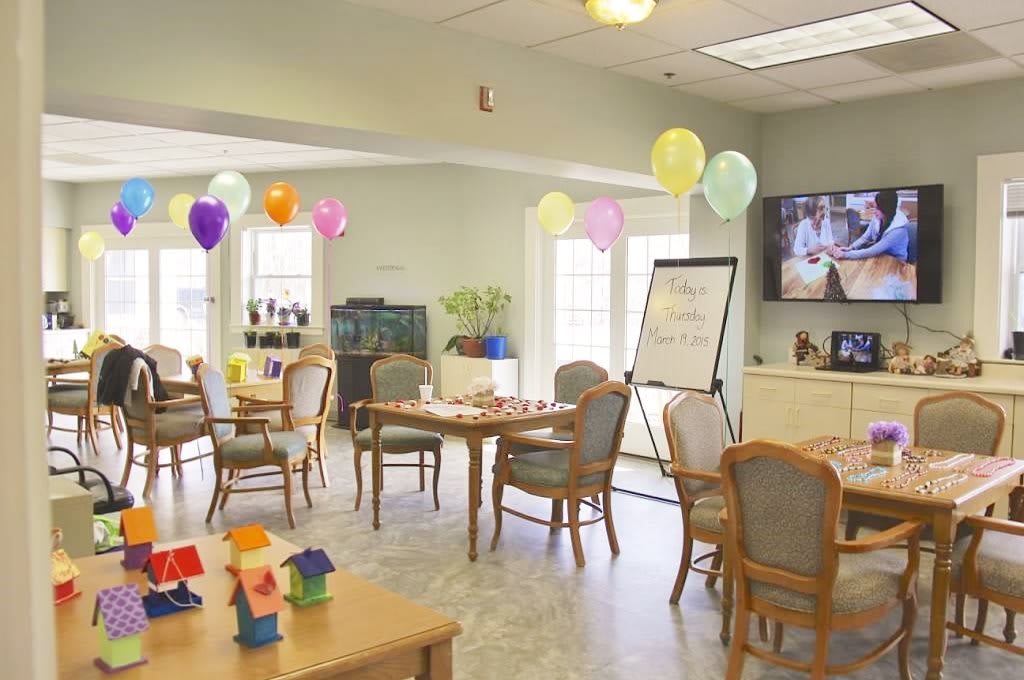
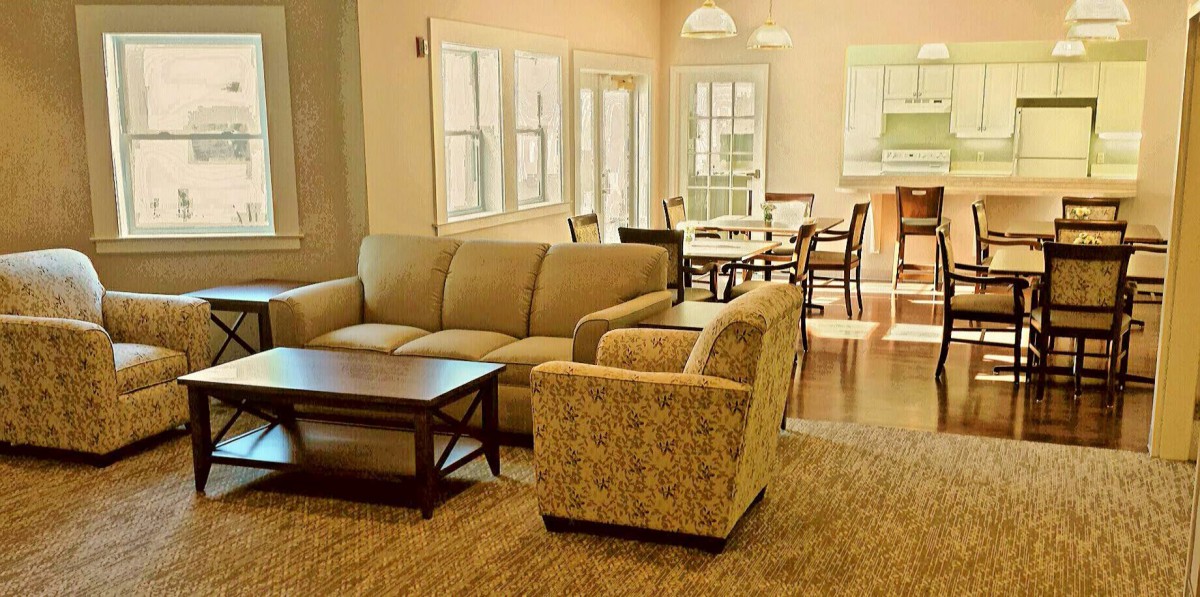
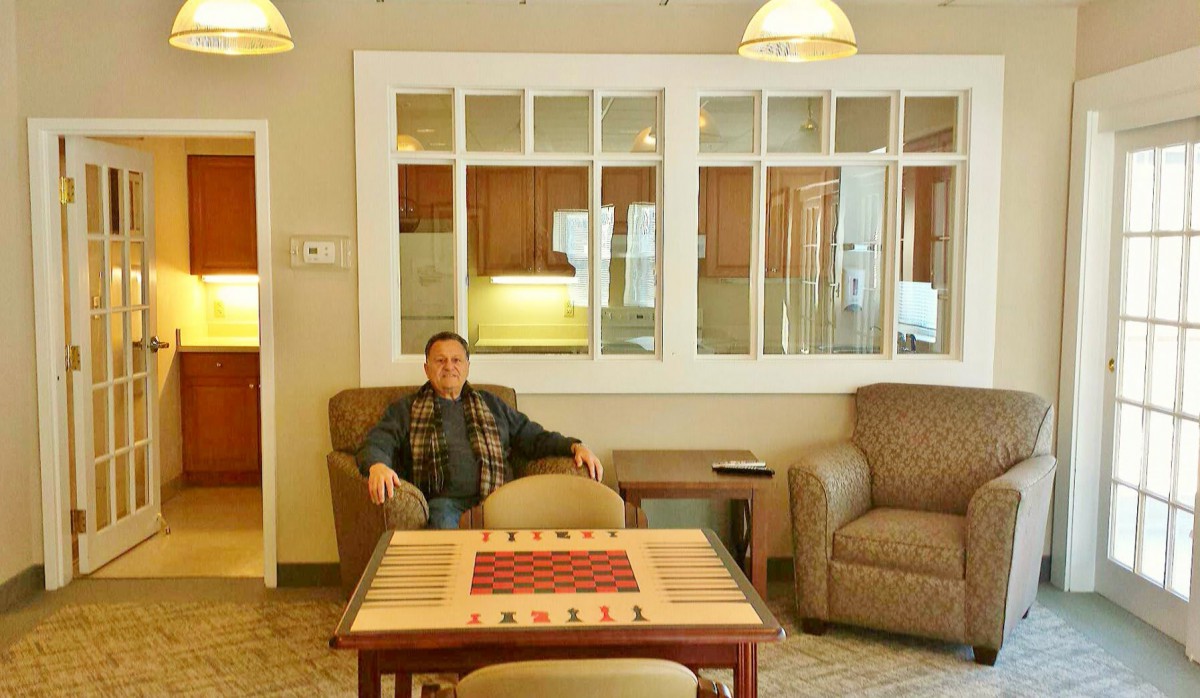
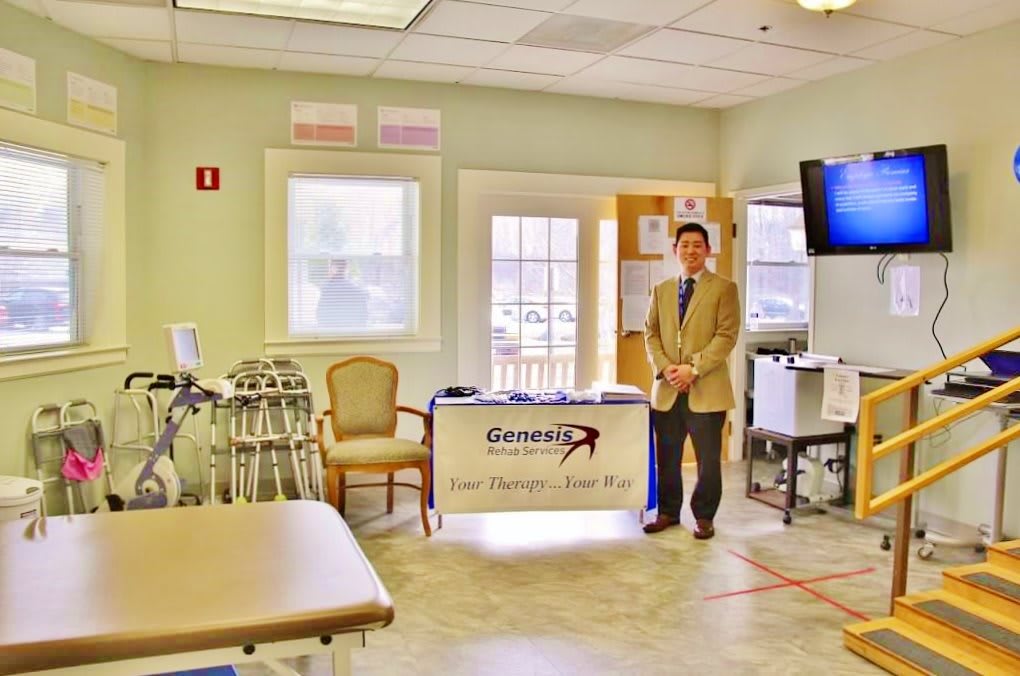
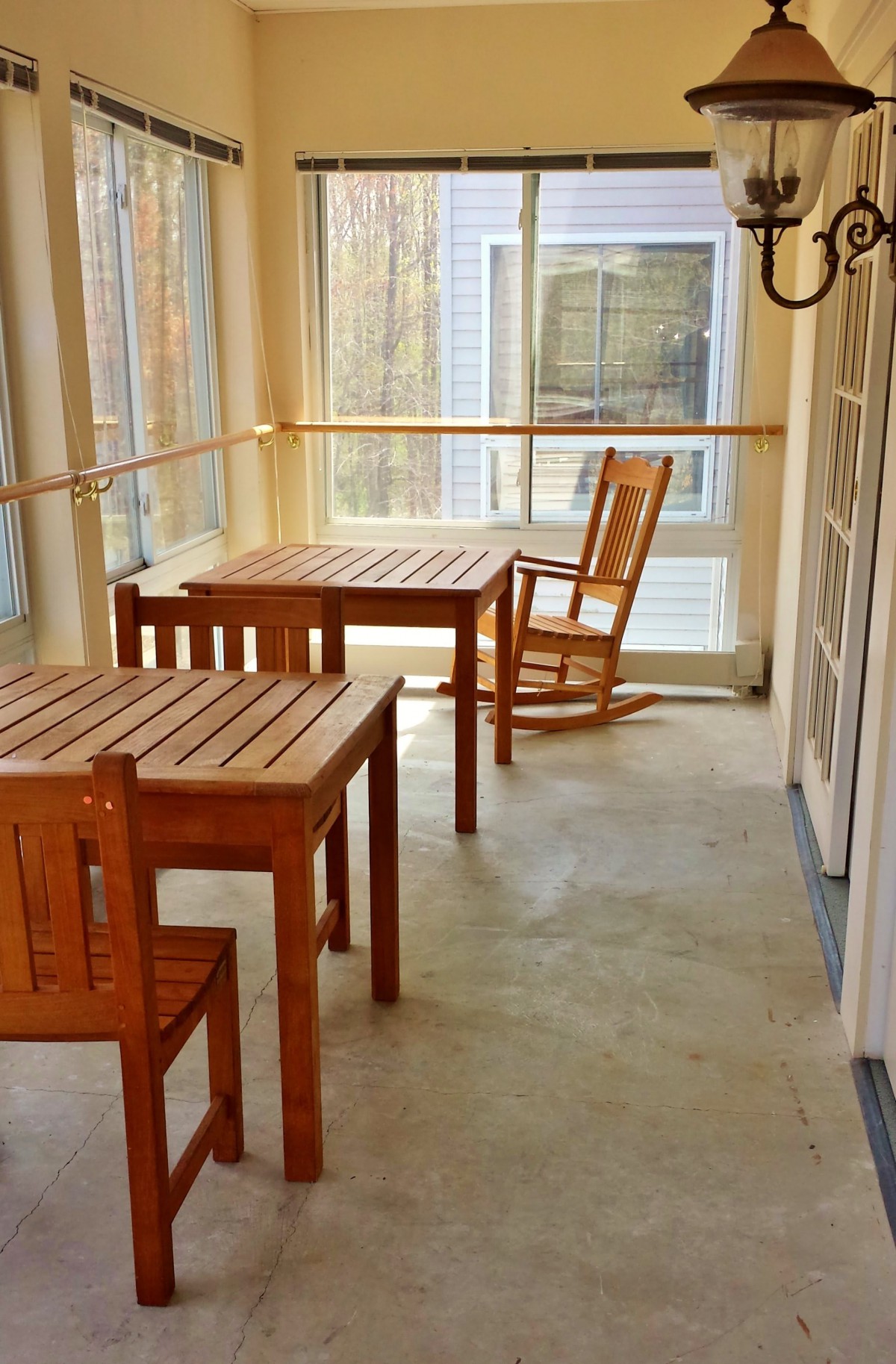
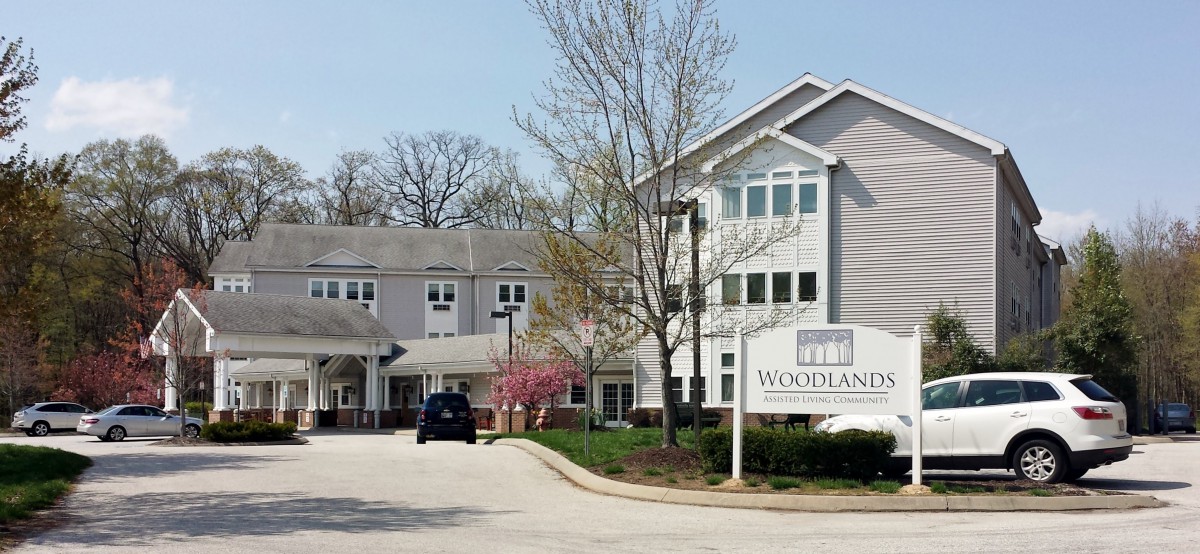
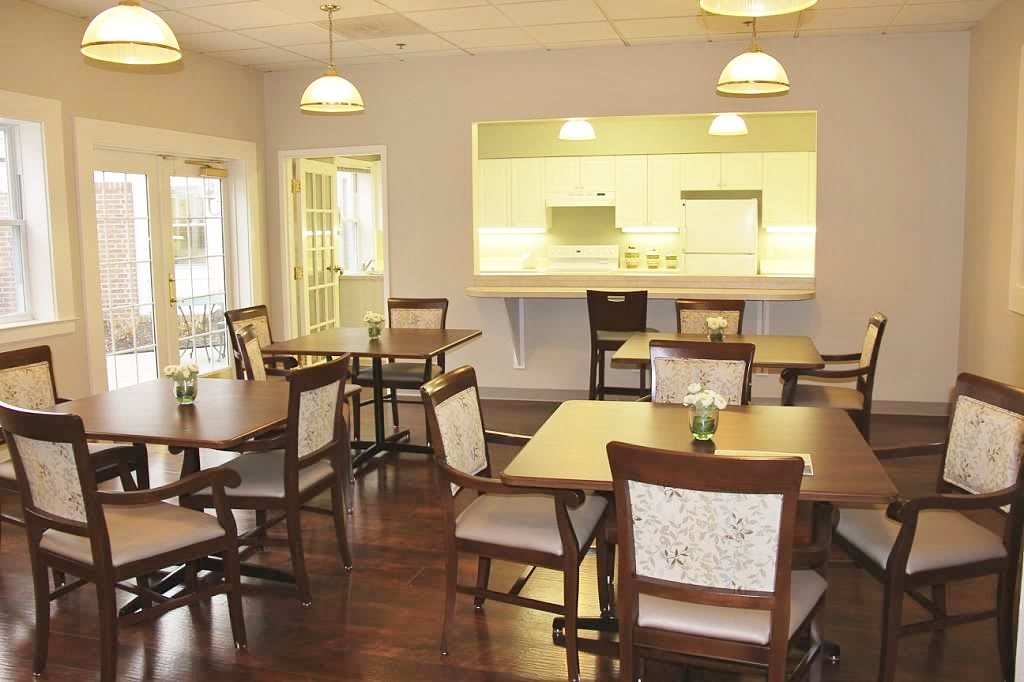
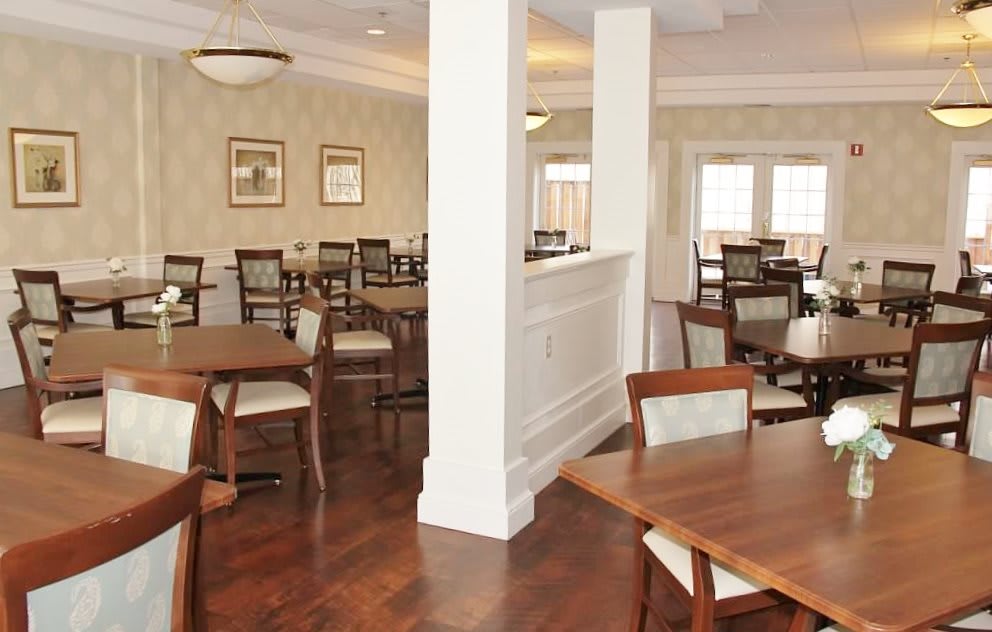
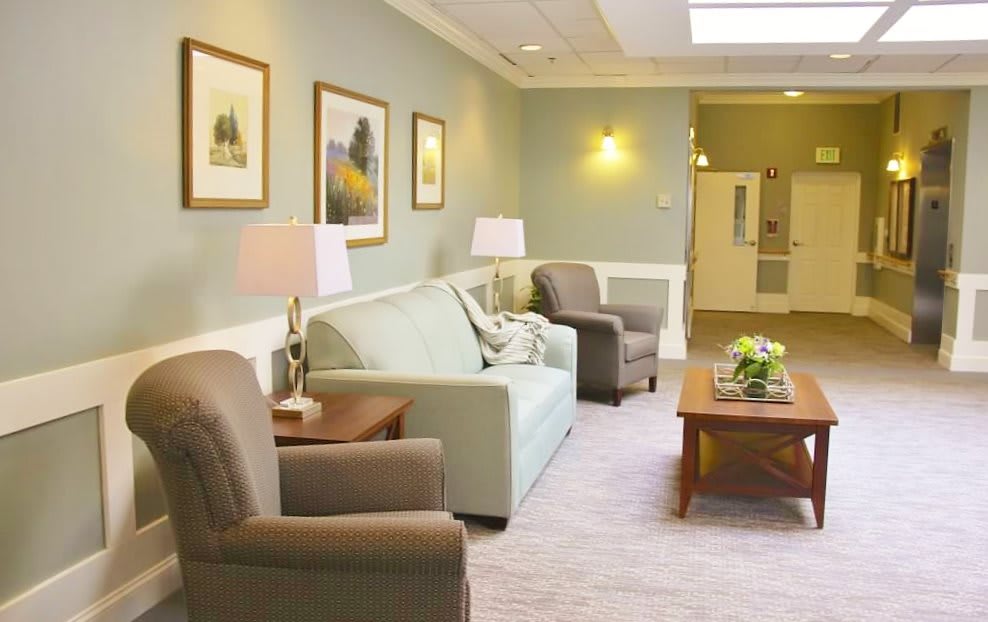
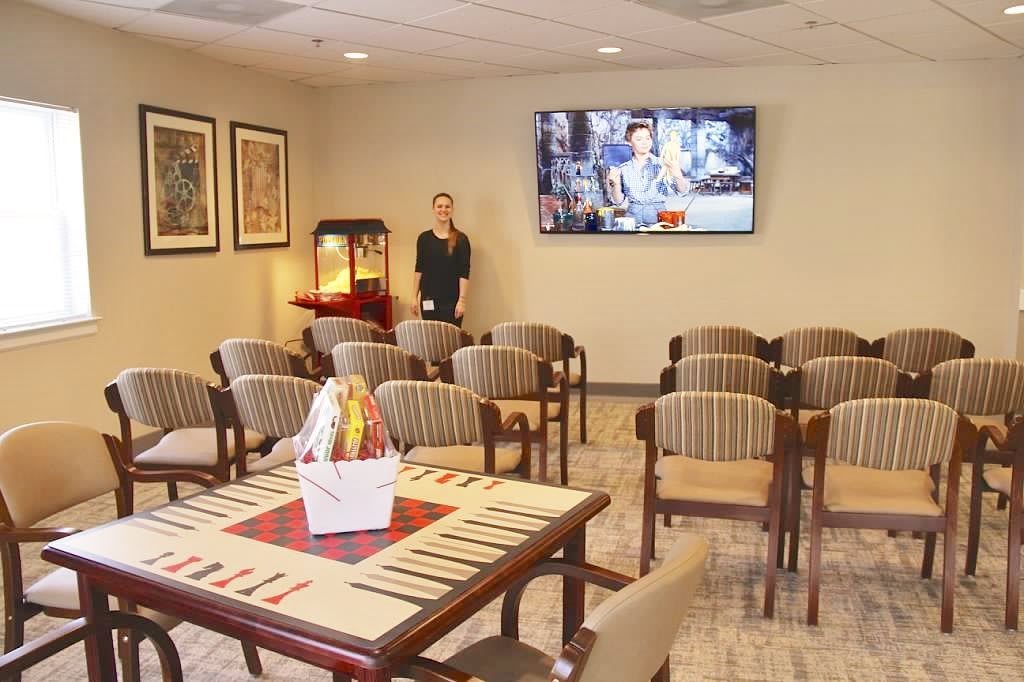
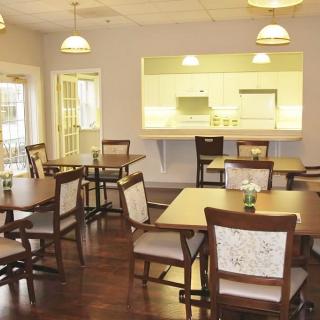
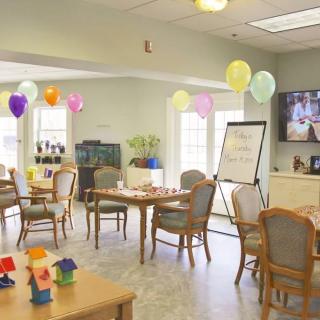
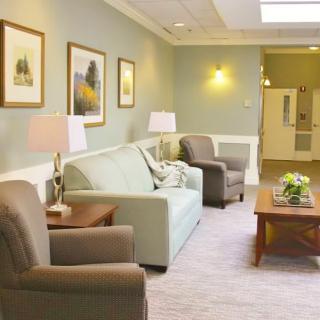
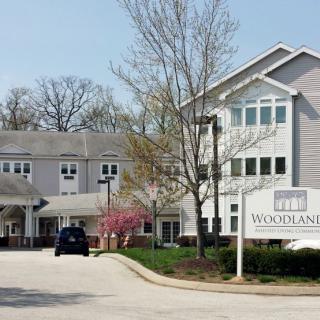
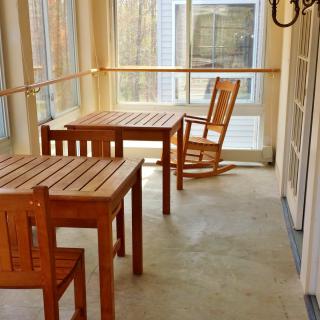
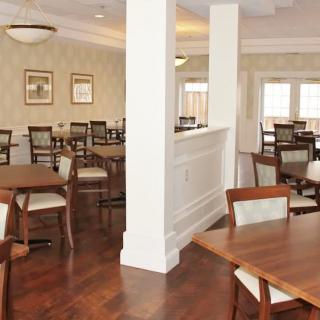
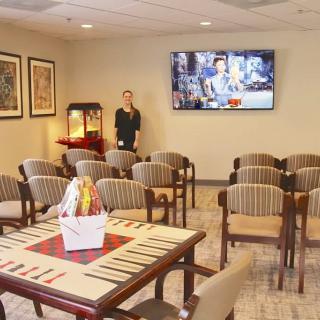
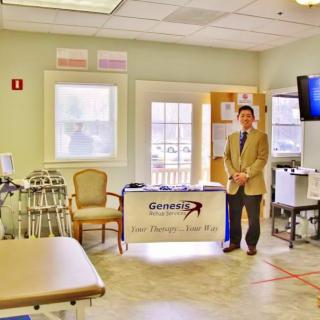
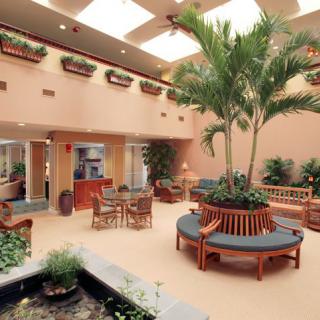
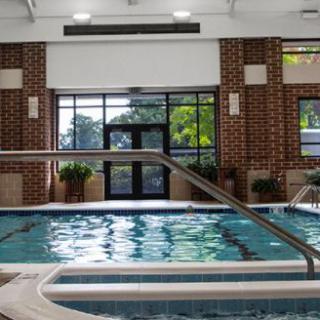
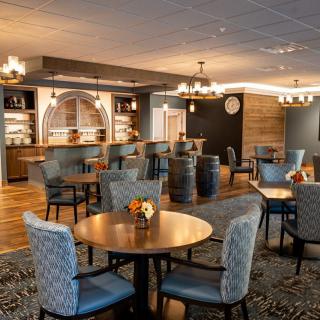
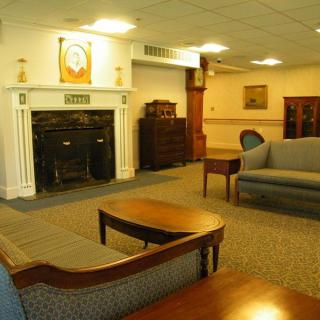
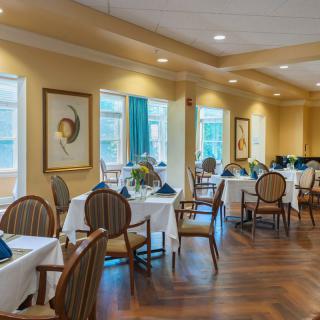
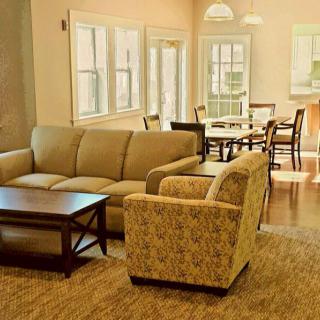
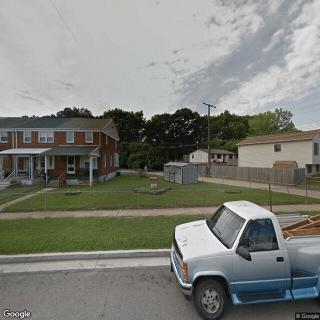
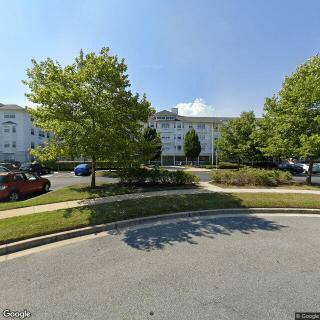
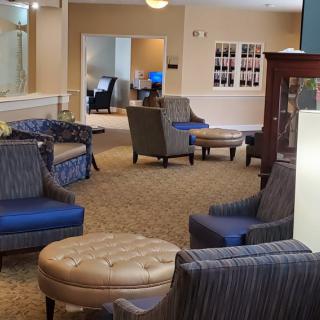
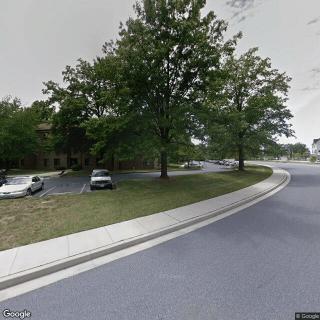
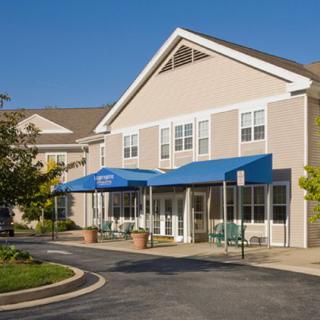
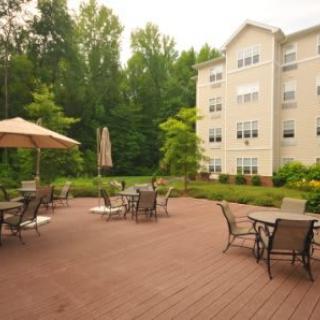
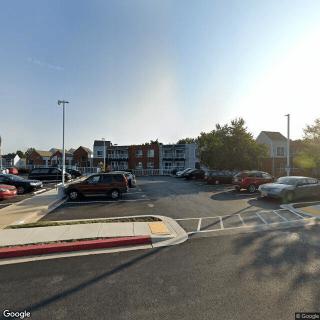
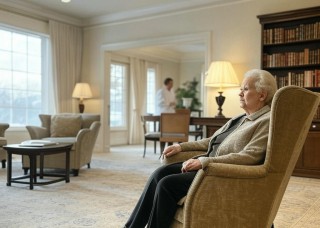
Woodlands Assisted Living on seniors.fyi includes 10 photos including images showing interior, dining, living room, seating area, decor, windows, indoor plants, television, and more.
Nearby Communities
Oakwood Care Center - Baltimore
Baltimore, MD
3.9 from 122 reviews
Friendly staff and convenient location
Heavenly Home
Baltimore, MD
5 from 1 review
$2,400 / month
Clean, welcoming environment with friendly, knowledgeable staff and residents who feel well cared for.
Marlyn Place Assisted Living Facility
Baltimore, MD
$2,200 / month
Affordable private rooms at $2,200/mo, well below local county/state averages.
Park View at Miramar Landing
Baltimore, MD
3 from 9 reviews
$625 to $944 / month
Active senior community with diverse on-site activities and caring residents.
Lighthouse Senior Living at Martin’s Wood LLC for Hopkins Creek
Essex, MD
4.2 from 84 reviews
$3,800 to $4,600 / month
Friendly, attentive staff; clean and spacious facility with engaging activities and on-site dining.
Hopkins Village Elderly
Essex, MD
2.4 from 20 reviews
Strong resident community and stability.
Lighthouse Senior Living at Hopkins Creek
Baltimore, MD
4.3 from 54 reviews
Attentive staff in a clean, warm, home-like environment with engaging activities.
The article presents five subtle indicators of dementia, such as memory lapses and mood swings, to help families assess cognitive decline in loved ones. It emphasizes early detection, open communication, and seeking professional help while providing practical support steps.
Dementia encompasses progressive neurological disorders that impair cognitive functions and can lead to paranoia due to cognitive decline and emotional changes. The article discusses the triggers of paranoia in dementia, caregiver strategies for managing it, and the importance of distinguishing between dementia-related paranoia and other psychiatric conditions.
Memory care activities are essential for improving the quality of life of seniors with cognitive impairments, as they stimulate cognitive function, promote well-being, and encourage social interaction through tailored strategies. These activities combine structured exercises with spontaneous tasks, sensory engagement, physical workouts, creative pursuits, and intergenerational interactions to enhance emotional connection and a sense of purpose.
Get PricingAsk A QuestionSchedule A TourContact Senior Advisor
By clicking submit, you agree to our Partner's Terms of Use. You
also consent to receive calls and texts, which may be autodialed, from our Partner. Your consent is not a condition to
using our Partner's service. Please visit our Partner's Privacy Policy for information about their privacy practices.

 1-bedroom apartments
 Assisted Living
 Memory Care
 Skilled Nursing Facility
 Activities off-site
 Air-conditioning
 Beautician on-site
 Cable or satellite TV
 Computer center
 Devotional services off-site
 Dining room
 Financing advice
 Garden
 General store
 Guest parking
 Handicap accessible
 Housekeeping services
 Indoor common areas
 Kitchenette
 Laundry
 Outdoor common areas
 Overnight guests
 Party space
 Respite or short term stays offered
 Wheelchair accessible showers
 Wi-Fi/high-speed internet available
 Baltimore-Washington International (16 miles away)
 Transportation & parking
 Ambulatory care
 Diabetic care
 Hospice care
 Incontinence care
 Medication management
 Physical therapy
 Anytime dining
 Art classes
 Book club
 Catholic services
 Cooking club
 Day trips and outings
 Educational speakers / life long learning
 Fitness programs
 Games
Games Happy hour
 Karaoke
 Live dance or theater performances
 Live musical performances
 Wii bowling
 English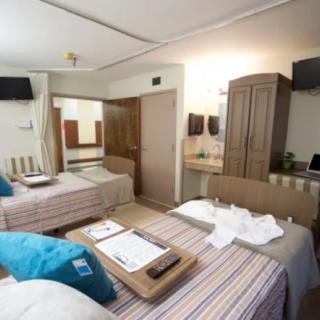
 Friendly staff and convenient location
 Five Subtle Dementia Indicators to Observe: An In-Depth Guide to Understanding “Does My Mom Have Dementia?”
 Dementia, Paranoia, and Caregiver Guidance: Understanding the Connection
 Engaging Memory Care Activities That Enhance Quality of Life