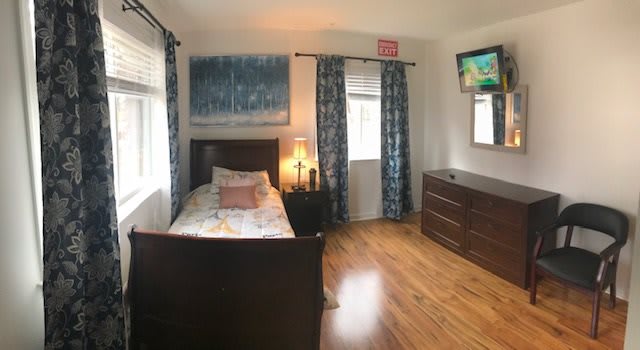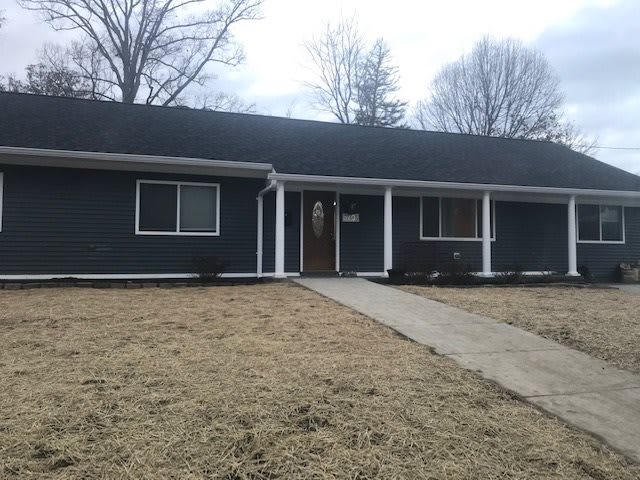
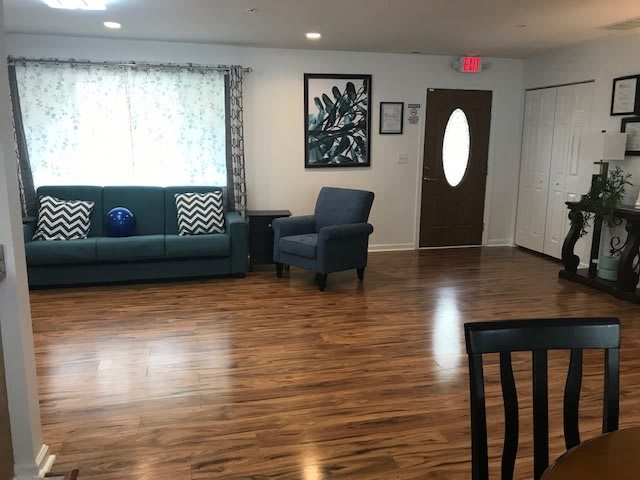
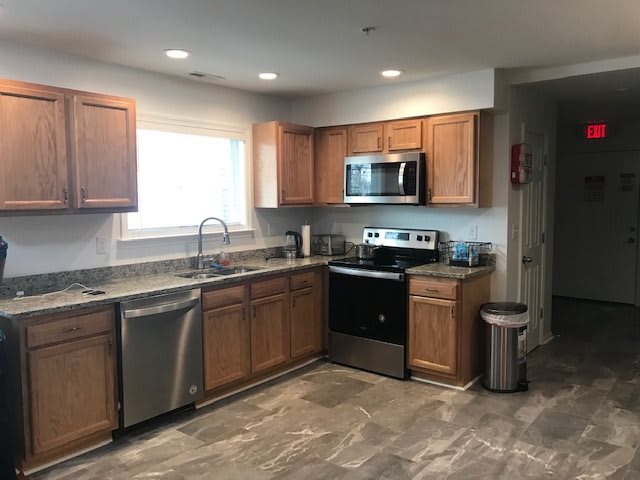
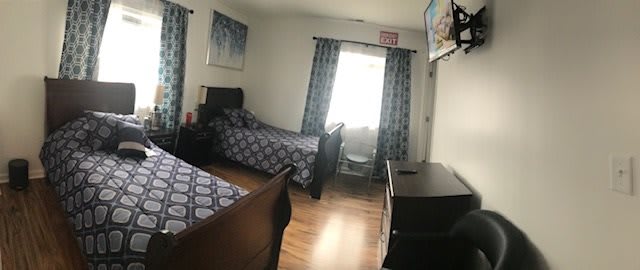
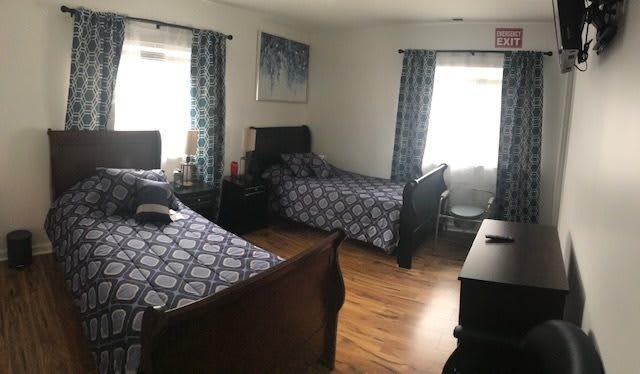
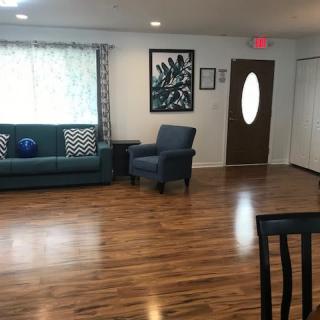
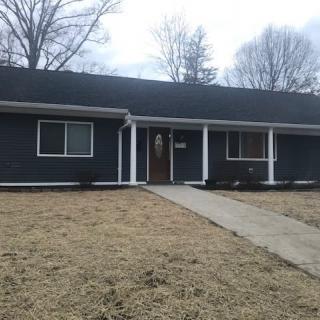
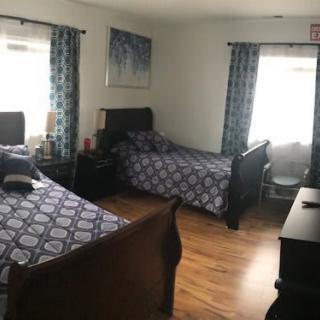
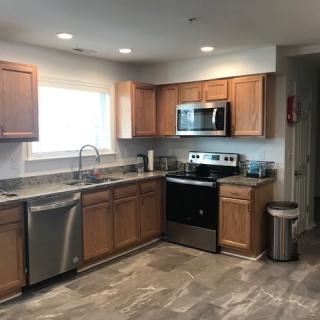

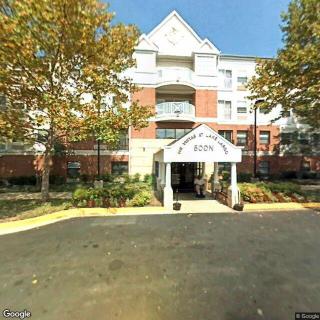
5705 Misty Drive, Lanham, MD 20706
For more information about senior living options: (866) 208-4318
Miracle Hands Care Services Assisted Living Costs & Pricing
Miracle Hands Care Services Assisted Living offers competitive pricing for its residents, particularly when compared to the average costs in Prince George's County and the broader state of Maryland. For instance, their semi-private rooms are available at $2,500 per month, significantly lower than the county's average of $3,058 and the state average of $3,545. Similarly, both one-bedroom and private room options are priced at $3,000 each, again undercutting the county's averages of $3,568 and $3,792 respectively. This cost-effectiveness positions Miracle Hands Care Services as an appealing choice for families seeking quality assisted living options without compromising on affordability in a region where prices tend to be higher.
| Floor plans | Miracle Hands Care Services Assisted Living | Prince George's County | Maryland |
|---|---|---|---|
| Semi-Private | $2,500 | $3,058 | $3,545 |
| 1 Bedroom | $3,000 | $3,568 | $3,904 |
| Private | $3,000 | $3,792 | $4,112 |
Memory care communities with a similar price nearby
-
About the same
Amazing Grace Senior Care
$2,500 to $3,000 / month2.5 miles away -
About the same
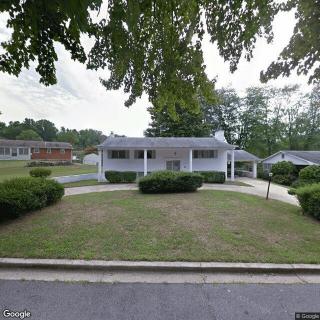
Ovalstone Comfort Home
$2,470 to $3,300 / month7.3 miles away -
from -$400 / mo
Mamie's Loving Care III
$2,100 to $3,000 / month11.4 miles away -
from -$100 / mo

HMG Assisted Living Home
$2,400 to $4,750 / month6.8 miles away -
About the same

Rose's Place
$2,500 to $3,500 / month6.3 miles away
Overall Review of Miracle Hands Care Services Assisted Living
Pros
 She was well cared for.
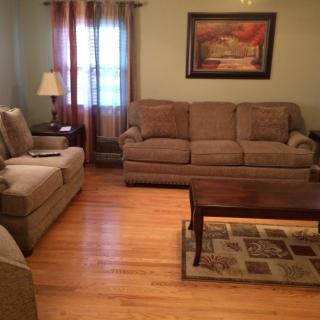
- Miracle Hands is a safe, clean environment, well-staffed and attentive to residents.
- Group activities are encouraged in addition to group dining.
- The staff were pleasant and professional.
- The staff were very friendly and welcoming.
- The facility is immaculate, serves great food, and the staff work well with residents’ needs.
- The facility is nice and very clean, with friendly staff who answer questions about care; it is a one-level community that would be convenient for residents.
Cons
 The reviewer felt that a one-level community would have been nicer for his mom.
Review
Miracle Hands Care Services Assisted Living in Lanham is best suited for seniors who want a warm, hands-on care environment with a strong emphasis on daily engagement, safety, and personal attention. Families balancing safety with independence will find this community appealing, as it combines a clean, well-staffed setting with group activities and shared dining that feel communal rather than clinical. The sentiment from families centers on a core trust: residents are cared for by attentive, friendly professionals who interact with residents in meaningful, hands-on ways. For a loved one who values consistency, routine, and a sense of home, this is a compelling match.
That said, potential residents or families should consider alternatives if the care needs lean toward more intensive or specialized medical oversight. The reviews point to a small, tightly run operation rather than a large campus with extensive medical programming. If a resident requires robust memory-care protocols, an on-site medical team with broad hospital affiliations, or a continuum of care that includes extensive skilled nursing, exploring larger communities or facilities with established dementia care programs may be prudent. Likewise, if pricing transparency, detailed admission criteria, or expansive social and therapeutic offerings are a priority, other options could offer clearer benchmarks.
The strongest positives here are behavioral and environmental: the environment is described as immaculate and safe, with staff who are not only professional but genuinely welcoming. Caregivers are characterized as attentive to health flags and responsive to changing needs, and family members repeatedly credit staff with going beyond routine care to advocate for residents’ well-being. The one-on-one attentiveness shows up in daily interactions and in moments where staff take decisive action to address health concerns, illustrating a culture where residents’ welfare is prioritized over mere routine. The combination of cleanliness, reliable staffing, and consistent warmth creates a foundation where residents can feel secure and engaged.
Those advantages offset several potential drawbacks by translating into tangible, everyday benefits. A clean, well-maintained setting reduces infection risk and supports comfort, while group activities and shared dining promote social connection, which is crucial for mood and cognitive vitality. The presence and involvement of the owner, along with a hands-on staff ethos, can reassure families that the care philosophy remains person-centered rather than impersonal. Even where medical acuity isn’t spelled out in policy literature, anecdotes of proactive medical advocacy, such as recognizing when hospital care is needed, demonstrate a culture ready to escalate care when necessary. In short, practical care quality and relational warmth compensate for information gaps about specific medical programs.
For families evaluating Miracle Hands, a practical decision framework helps translate these strengths into a concrete choice. Schedule a visit and observe interactions across shifts to gauge staffing consistency. Ask direct questions about memory-care capabilities, therapy options, and how health changes are managed during evenings and weekends. Request a tour of the dining and activity spaces to confirm that the pace of group events aligns with a loved one’s energy level, and inquire about transport arrangements for medical appointments. Finally, obtain a clear sense of the cost structure, what is included, and what would trigger additional charges. With these checks, the decision becomes whether a warm, proactive, home-like setting fits the resident’s current and near-future needs.
In the end, Miracle Hands stands out for families seeking a practical, emotionally reassuring assisted-living option where care is delivered with deliberate hands-on attention in a clean, safe, and socially active environment. It suits residents who thrive on regular staff interaction, value communal dining and activities, and appreciate a facility that actively advocates for medical needs when they arise. Those seeking more extensive memory-care programming, larger campuses, or a broader medical-services continuum may rightly look elsewhere. For a loved one oriented toward daily engagement, personal warmth, and dependable care in a one-level setting, this community offers a compelling, credible fit.
 5 resident community capacity
 Assisted Living
 Board and Care Home
 Memory Care
 Activities off-site
 Bath tubs
 Cable or satellite TV
 Devotional services off-site
 Dining room
 Fully furnished
 Garden
 Housekeeping services
 Indoor common areas
 Move-in coordination
 Outdoor common areas
 Private
 Private bathrooms
 Respite or short term stays offered
 Telephone
 Wheelchair accessible showers
 Wi-Fi/high-speed internet available
 Ronald Reagan Washington National (12 miles away)
 24-hour supervision
 Ambulatory care
 Assistance with bathing
 Assistance with dressing
 Assistance with transfers
 Diabetes diet
 Diabetic care
 High acuity care
 Incontinence care
 Meal preparation and service
 Medication management
 Special dietary restrictions
 Transportation arrangement (medical)
 Transportation to doctors appointments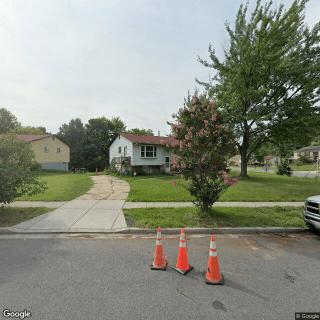


 Understanding the Distinctions: Assisted Living and Memory Care Explained
 How to Communicate with a Loved One Living with Dementia: 10 Supportive Strategies
 Comprehensive Guide to VA Nursing Homes: A Crucial Long-Term Care Resource for Veterans