
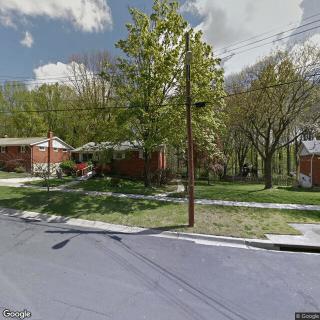
11308 Newport Mill Road, Kensington, MD 20895
For more information about senior living options: (866) 208-4318
Overall Review of Nana's Care Assisted Living Facility
Cons
 The reviewer described the two weeks there as the worst two weeks of their life.
- Everything was described as second- and third-rate.
- The two staff members who cooked and cleaned were not always able to speak English well enough to communicate when needed.
- The food was poor, perhaps better than nothing.
- Meals sometimes included barely cooked hot dogs.
- Dinner was consistently overcooked, stringy chicken with minute rice and leftover frozen vegetables, sometimes with Jell-O or ice cream.
- The reviewer had to order food for delivery because it was expensive but necessary.
- Breakfast was served at 8am with a loud TV on, consisting only of oatmeal and orange juice.
- That was all that was offered, which felt sad.
- No one talked.
- The reviewer did not know how long the other residents would stay or anything about them.
- The reviewer was placed there by a county social worker after their house was condemned following more than four years there.
- The experience was described as a nightmare.
- The reviewer felt they were supposed to be grateful but were not.
- It is hard to believe this is what Montgomery County, Maryland provides.
Review
Nana’s Care Assisted Living Facility in Kensington is best suited for a very cost-conscious placement where the resident can tolerate a lean care program, limited staff language capability, and minimal opportunities for social engagement. The profile that emerges from the experiences shared suggests a short-term or transitional use rather than a robust, long-term home. A county social worker placed one reviewer here after housing instability, which signals that this option may be used, out of necessity, when other resources are strained and a family has to accept a basic, low-frills environment. For families pursuing stability, meaningful activity, and dependable communication, this community likely falls short.
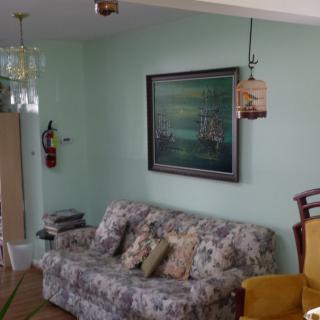
Pros for families weighing Nana’s Care must be weighed against clear, persistent drawbacks. There is a basic operational footprint: a kitchen and housekeeping function exists, and residents do receive daily meals on a schedule. The presence of staff who perform core tasks, cooking and cleaning, means life does not stop entirely within these walls. Yet the observable strengths are fragile and easily overwhelmed by the quality of care concerns raised by residents and observers. In practical terms, the facility offers the bare minimum of daily structure, but that structure comes with meaningful trade-offs that should not be overlooked when evaluating fit.
The most troubling failures relate to communication, nourishment, and social life. The two staff members described as cooking and cleaning were not consistently able to speak English well enough to communicate essential needs, concerns, or preferences. Food quality stands out as a pronounced problem: meals described as overcooked, limited in variety, and prepared with ingredients that feel repetitive and uninspired. One account notes a routine of “same dinner” with minimal effort to diversify, and the breakfast routine is regimented to the point of dullness, with an early morning TV on a loud loop. The sense of social engagement appears scant, residents seem emotionally isolated, conversations sparse, and relationships among residents not well developed. Taken together, these elements create a living environment that feels impersonal and emotionally unstimulating.
On balance, the asking price must be compared with the lived experience. The confluence of language barriers, food quality concerns, and isolation tends to exacerbate the drawbacks of a small-scale operation that lacks robust programming. For a family evaluating options, these cons are not minor inconveniences; they are central to daily life and overall well-being. The potential upside, an inexpensive, predictable routine with basic care, can dissolve quickly if meals remain subpar, staff communication remains ineffective, and opportunities for meaningful interaction do not materialize. In practical terms, the key pros do not meaningfully offset the most significant cons, unless a very specific set of constraints exists and management can unequivocally demonstrate meaningful improvements.
For those still considering Nana’s, a pragmatic game plan matters. If remaining under consideration, demand explicit responses on staffing: what is the daily caregiver-to-resident ratio, how many staff speak English fluently, and what steps are taken when a resident’s dietary needs or preferences are not being met? Request a current, sample menu and a plan for improving meal quality, including access to alternative meal options. Inquire about social programming, resident activities, and opportunities for regular one-on-one social interaction. If possible, arrange a trial period or sit-in observation to gauge whether staff communication improves and whether residents appear engaged and comfortable. The presence of a 5-star review in the mix should prompt careful probing rather than complacent acceptance.
Ultimately, families facing a choice between Nana’s and alternatives should anchor their decision in two questions: can the resident thrive on a basic, low-cost framework with limited social life and variable meal quality, or does the situation demand a facility with stronger staffing, clearer communication, and more engaging daily programs? If the answer leans toward the former, proceed with clear expectations and ongoing oversight. If not, widen the search to other Kensington options that offer sustainable nutrition, English-speaking staff, and a programmatic approach to daily living. In the end, the decision should prioritize safety, nourishment, and meaningful connection, not just proximity or price.
 5 resident community capacity
 Assisted Living
 Cable or satellite TV
 Dining room
 Fully furnished
 Garden
 Housekeeping services
 Move-in coordination
 Outdoor space
 Telephone
 Wi-Fi/high-speed internet available
 Ronald Reagan Washington National (13 miles away)
 24-hour supervision
 Activities of daily living assistance
 Assistance with bathing
 Assistance with dressing
 Assistance with transfers
 Diabetes diet
 Meal preparation and service
 Medication management
 Special dietary restrictions
 Transportation arrangement (medical)
 Transportation to doctors appointments
 All-inclusive care with meals, housekeeping, transportation, and furnished apartments.





 An Extensive Exploration of the VA Aid and Attendance Benefit
 Senior Transition Services: Understanding Their Role, Cost, and Importance
 Exploring the Path to Senior Living: A Comprehensive Look at Independent Living and Assisted Living