
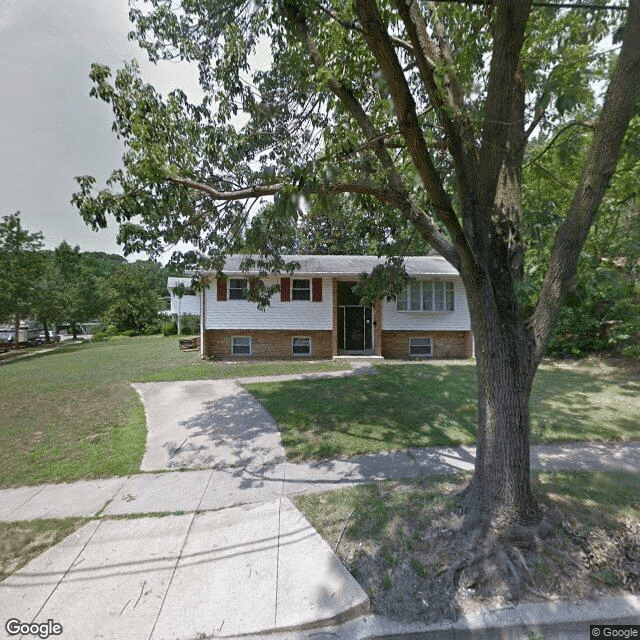
7300 Sara Street, New Carrollton, MD 20784
For more information about senior living options: (866) 208-4318
Golden Age Assisted Living Costs & Pricing
Golden Age Assisted Living offers a compelling value for those seeking care, with monthly costs significantly lower than both Prince George's County and the broader state of Maryland. For instance, the price for a private room is set at $2,500, which starkly contrasts with the county average of $3,792 and the state average of $4,112. Similarly, their semi-private rooms are also priced at an attractive $2,500, compared to $3,058 in Prince George's County and $3,545 statewide. This pricing structure highlights Golden Age Assisted Living's commitment to providing affordable options without compromising the quality of care for its residents.
| Floor plans | Golden Age Assisted Living | Prince George's County | Maryland |
|---|---|---|---|
| Private | $2,500 | $3,792 | $4,112 |
| Semi-Private | $2,500 | $3,058 | $3,545 |
Assisted Living communities with a similar price nearby
-
from +$475 / mo
Gneale Home Care
$2,975 / month24.4 miles away -
from +$200 / mo
Lifesprings Eldercare II
$2,700 to $3,100 / month11.5 miles away -
About the same

Amazing Grace Senior Care
$2,500 to $3,000 / month2.5 miles away -
from +$100 / mo
My Parent's Place
$2,600 to $3,000 / month15.6 miles away -
About the same
Ovalstone Comfort Home
$2,470 to $3,300 / month8.6 miles away
Overall Review of Golden Age Assisted Living
Pros
 The staff is patient and friendly, taking the time to explain everything and answer all questions.
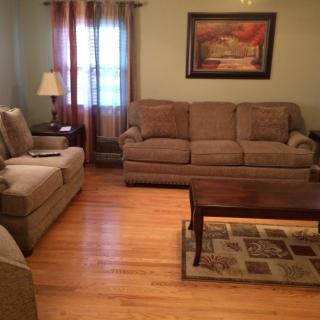
- The facility is clean and neat, with a home-like atmosphere.
- The team is phenomenal.
- Carlotta treats people like family.
Review
Golden Age Assisted Living in New Carrollton, Maryland is best suited for seniors who prize a warm, home-like environment where care feels personal and staff take time to explain every detail. The reviews point to an atmosphere that resembles family living more than a clinical facility, with residents and families benefiting from people who deliberately slow down to answer questions, lay out care plans, and make explanations clear. This community appears to be a comfortable fit for those who value calm consistency, straightforward communication, and a setting where staff presence translates into a sense of belonging. For families seeking relief from institutional rigidity, Golden Age offers the unmistakable advantage of approachable, human-centered care.
Yet, this will not be the first stop for every family. Those who require intensive medical oversight, dementia-specific programming, or a broad spectrum of on-site services may want to consider alternatives. The reviews do not outline formal medical staffing levels, specialized memory care, or a large menu of clinical treatments. Prospective residents who expect a busy activity slate, robust rehabilitation services, or highly structured daily schedules may find a mismatch with a small, intimate setting. In short, the strongest fit emerges where warmth, clarity, and a home environment are the top priorities, not where comprehensive medical infrastructure dominates the experience.
The key strengths of Golden Age, patient, friendly staff; willingness to explain and answer questions; and a clean, neat, home-like atmosphere, operate in concert to offset typical anxieties families carry about transitions. One reviewer notes the staff’s ability to take time with explanations, which reduces confusion and builds trust during what can be a stressful process. The other praises a team that feels “phenomenal,” with Carlotta singled out for treating people like family. Taken together, these elements create a tangible sense of security: residents appear to be known individually, not as nameless entries on a care roster. In practical terms, that means families can feel confident that day-to-day routines will be communicated with candor and that the environment will be orderly and approachable.
However, the absence of explicit information about care levels, medical oversight, or dementia-specific resources means several questions remain unanswered. Without detail on whether the facility provides on-site therapy, nursing care, or memory-care programming, there is a legitimate need to verify how plans translate into real-world support for a resident’s changing needs. The limited number of published reviews further amplifies the importance of direct due diligence. The warmth and home-like vibe offset some concerns about impersonal, large-scale care, but they cannot substitute a confirmed care framework or a clear understanding of pricing, payment terms, and what exact services are included. A prudent decision will weigh these gaps against the evident human touch.
For families weighing next steps, practical evaluation in person is essential. Schedule a tour to observe interactions between staff and residents, and ask to meet the caregiver team who would be most involved in day-to-day life. inquire about the resident-to-staff ratio, daily routines, meal service, and transportation options, as well as how care plans are developed, updated, and audited. Confirm whether memory care or higher levels of clinical support are available on-site or through vetted partnerships, and obtain a transparent sense of costs, what is included, and what would require additional fees. Such due diligence will reveal whether Golden Age’s strengths align precisely with the resident’s needs, or if another community with a broader clinical footprint would be a better match.
Ultimately, Golden Age Assisted Living stands out for seniors who value a grounded, familial ambiance and a team that communicates with patience and warmth. It is a compelling choice for families seeking reassurance that care is personal, staff are approachable, and the environment feels like home. For those whose top priority is advanced medical oversight, dementia-specialized programming, or a bustling activity calendar, alternatives with a larger clinical footprint may offer a more suitable fit. A well-timed visit, candid questions, and clear expectations will determine whether this community becomes the right long-term home or if another setting better aligns with the resident’s care trajectory and lifestyle preferences.
 5 resident community capacity
 Assisted Living
 Board and Care Home
 Dogs allowed
 Activities off-site
 Bath tubs
 Cable or satellite TV
 Devotional services off-site
 Dining room
 Fully furnished
 Garden
 Housekeeping services
 Indoor common areas
 Move-in coordination
 Outdoor common areas
 Private
 Telephone
 Wi-Fi/high-speed internet available
 Ronald Reagan Washington National (11 miles away)
 24-hour supervision
 Ambulatory care
 Assistance with bathing
 Assistance with dressing
 Assistance with transfers
 Diabetes diet
 Diabetic care
 High acuity care
 Incontinence care
 Meal preparation and service
 Medication management
 Special dietary restrictions
 Transportation arrangement (medical)
 Transportation to doctors appointments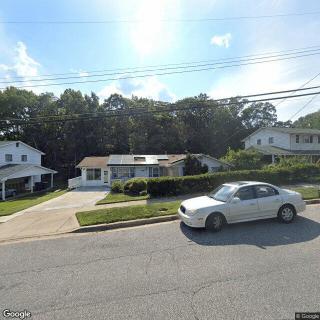



 Is Assisted Living Deductible on Your Taxes? Understanding the Complexities of Assisted Living Expenses and Deductions
 Assisted Living Support for Veterans: A Complete and Detailed Overview
 Exploring the Contrasts Between Assisted Living and Skilled Nursing