

6710 Parkwood Street, Hyattsville, MD 20784
For more information about senior living options: (866) 208-4318
Amazing Grace Senior Care Costs & Pricing
Amazing Grace Senior Care offers competitive pricing for its services, positioning itself as an appealing option for families seeking quality care for their loved ones. The facility charges $2,500 per month for a semi-private room, which is notably lower than the average cost in Prince George's County at $3,058 and significantly below Maryland's average of $3,545. For private rooms, Amazing Grace Senior Care's fee of $2,700 similarly undercuts both the county's average of $3,792 and the state's average of $4,112. Additionally, their studio accommodations are priced at $3,000 per month, providing significant savings compared to the county and state averages of $4,428 and $4,656 respectively. This pricing structure not only highlights Amazing Grace Senior Care's commitment to affordability but also underscores the value it offers within the broader context of senior care options in the region.
| Floor plans | Amazing Grace Senior Care | Prince George's County | Maryland |
|---|---|---|---|
| Semi-Private | $2,500 | $3,058 | $3,545 |
| Private | $2,700 | $3,792 | $4,112 |
| Studio | $3,000 | $4,428 | $4,656 |
Memory care communities with a similar price nearby
-
About the same
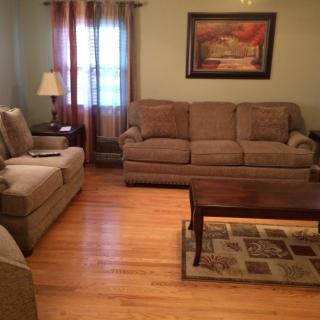
Ovalstone Comfort Home
$2,470 to $3,300 / month9.7 miles away -
from -$400 / mo
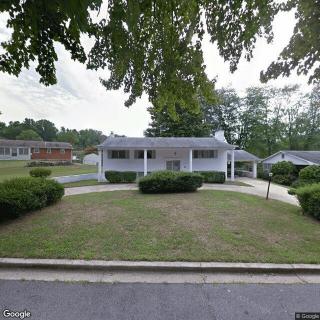
Mamie's Loving Care III
$2,100 to $3,000 / month9.4 miles away -
from -$100 / mo

HMG Assisted Living Home
$2,400 to $4,750 / month8.5 miles away -
About the same

Rose's Place
$2,500 to $3,500 / month6.2 miles away -
from +$462 / mo
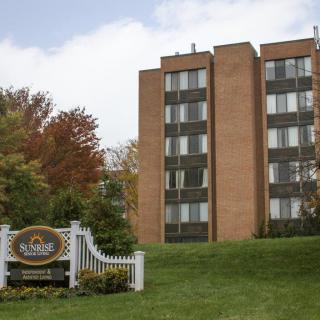
Sunrise at Montgomery Village
$2,962 to $6,270 / month23.4 miles away
Overall Review of Amazing Grace Senior Care
Pros
 The owners, Joyce and Dave, are very active in both homes and greet residents every morning.
- They treat the residence like family, with a caring and nurturing staff.
- The meals are home-cooked and dietary needs are thoughtfully accommodated.
- The facility is beautifully renovated, spotless, and feels like a welcoming home.
- The staff provide personal attention, keep a daily diary, and share photos with families.
- Residents are happy, well cared for, and families gain peace of mind.
- The atmosphere fosters companionship and dignity, with staff available and dedicated.
- A second facility in Bel Air carries the same compassionate, family-centered spirit.
Cons
 The reviewer says that choosing an assisted living for a loved one is the most difficult and hardest decision, and that they chose the wrong facility the first time.
- The reviewer cautions others to figure out exactly what they have to provide for a family member paying out of pocket.
Review
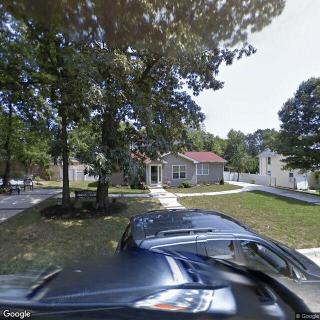
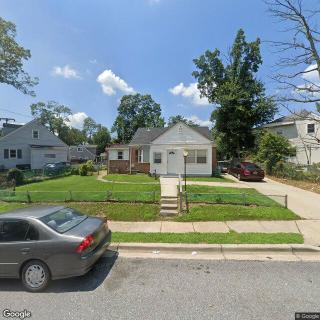
Amazing Grace Senior Care in Hyattsville is best for families seeking a true home-like, intimate assisted living experience where residents are treated like family and care feels highly personalized. The community sits in a renovated, early–19th-century mansion that preserves a warm, residential atmosphere rather than a clinical silhouette. Residents live in private rooms, meals are prepared on site, and the setting emphasizes comfort, privacy, and routine. What stands out most is the hands-on leadership from Joyce and Dave Apperson, with the owners actively present every day and deeply invested in every resident’s well-being. The staff mirrors that devotion, showing steady, locally rooted care that translates into meaningful daily experience for residents.
Those evaluating alternatives should consider options that deliver more formal medical oversight, larger campuses, or specialized memory-care programs. For seniors who require around-the-clock nursing supervision, a high nurse-to-resident ratio, or a structured dementia program with on-site specialists, a bigger facility or a dedicated memory-care focused community may be a better fit. Similarly, families needing extensive on-site rehabilitation services, more expansive social programming, or a broader array of clinical amenities might find other options more scalable. Amazing Grace shines precisely where intimacy, flexibility, and personal attention matter most; it may not be the ideal match for residents with intensive clinical needs or a desire for the resources of a larger campus.
The strongest pros, private rooms, home-cooked meals with dietary accommodations, and a staff that genuinely adapts to individual needs, closely offset the absence of a large, clinical footprint. The home setting, coupled with careful staff-to-resident interaction, means care is finely tuneable: help with bathing, medication management, and daily routines arrives with a degree of calm and familiarity that reduces anxiety for residents and relief for families. The daily diary and family-friendly touchpoints, texted photos, updates, and open access to the care team, offer transparency that is rare in smaller homes. This intimate environment also reduces the sense of being “lost in the crowd,” a common concern in larger facilities, and the on-site leadership ensures a consistent, accountable standard of care.
While the intimate model is a genuine strength, it does imply certain trade-offs. Pros offset potential gaps when families value continuity, predictability, and personal warmth; they may tilt the decision away from places that offer extensive on-site therapy suites, multiple independent activity coordinators, or a broad network of medical specialists. In practice, Amazing Grace’s offerings, local, attentive staff, flexible activity choices, and a home-like schedule, deliver substantial peace of mind for many families. The concern to monitor is whether a resident’s medical needs evolve beyond the facility’s capacity to coordinate aggressive, hospital-level interventions or highly specialized memory-care programming. For families with evolving clinical complexity, it becomes essential to confirm the facility’s plan for escalation, and to verify what, if any, partnerships exist with nearby medical providers.
On the practical front, care quality is reinforced by concrete details that matter in daily life. The setting’s renovation is not cosmetic; it translates into safety and comfort with accessible spaces and well-maintained rooms. Meals are described as tasty and customizable, with attentive dietary consideration, the gluten-free needs in one story highlight the kitchen’s responsiveness. Laundry, clothing care, and item tracking show a level of attentiveness to personal belongings that reduces family worry about cherished items getting misplaced. The leadership’s nursing background adds credibility to clinical routines, and the fact that Joyce and Dave are present daily, plus a second location now in Bel Air, signals both continuity and growth, a reassuring sign for families contemplating long-term placement.
For families navigating the decision, the takeaway is practical and focused: Amazing Grace is a compelling choice for seniors who want a dignified, affectionate home environment with deeply involved owners, a steady, local team, and transparent, predictable pricing. It is especially strong for those who value regular, candid communication with families, the ability to drop by and visit without barriers, and a setting that feels like a nurturing home rather than a hospital. Prospective residents should still assess whether their medical needs can be adequately supported within this smaller, home-based framework, and should request a clear picture of care planning, escalation protocols, and access to any specialists or rehabilitation services on site or nearby. The facility’s second-site expansion should be a confidence-builder, signaling resilience and ongoing commitment to the model that has earned strong endorsement from current residents and their families.
In sum, Amazing Grace Senior Care serves a distinct niche: a warm, family-style environment where staff know residents well, care plans are individualized, and family involvement is welcomed and facilitated. For families prioritizing atmosphere, personalization, and peace of mind over scale and clinical intensity, this option delivers compelling value with a high level of satisfaction reflected in long-tenured staff and sustained resident happiness. Those whose loved ones require intensive medical management or highly specialized memory-care programming should, however, compare alternatives that offer broader clinical capacity. A recommended next step is a guided visit and a clear discussion about care escalation, pricing inclusions, and daily life routines, conversations Joyce and Dave welcome as part of the process to ensure the placement truly aligns with long-term needs and preferences.
 4 resident community capacity
 Assisted Living
 Board and Care Home
 Memory Care
 Activities on-site
 Cable or satellite TV
 Devotional services off-site
 Dining room
 Fully furnished
 Garden
 Housekeeping services
 Indoor common areas
 Move-in coordination
 Outdoor space
 Private
 Telephone
 Wi-Fi/high-speed internet available
 Ronald Reagan Washington National (9 miles away)
 24-hour supervision
 Ambulatory care
 Assistance with bathing
 Assistance with dressing
 Assistance with transfers
 Diabetes diet
 Diabetic care
 Meal preparation and service
 Medication management
 Special dietary restrictions
 Transportation arrangement (medical)
 Transportation to doctors appointments



 Five Subtle Dementia Indicators to Observe: An In-Depth Guide to Understanding “Does My Mom Have Dementia?”
 Dementia, Paranoia, and Caregiver Guidance: Understanding the Connection
 Engaging Memory Care Activities That Enhance Quality of Life