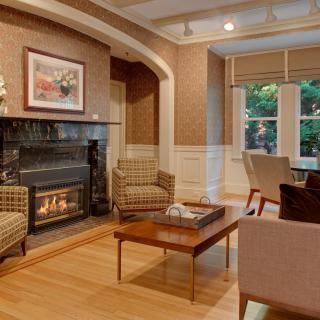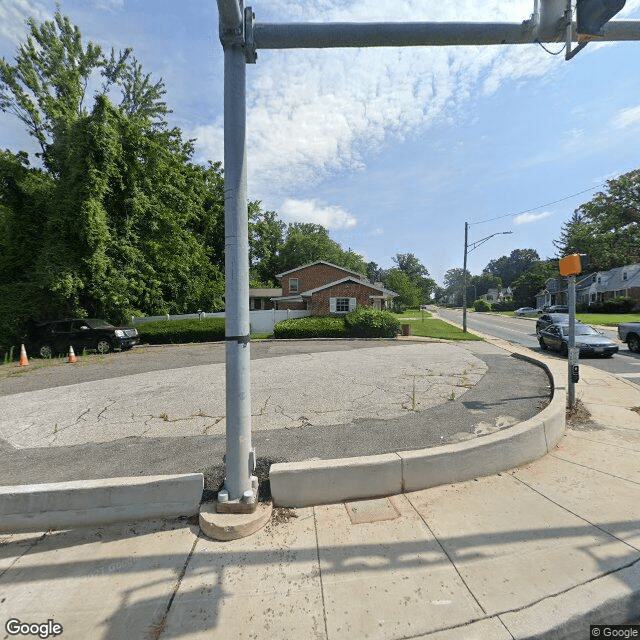
A & W Assisted Living in Baltimore, MD

Save
A & W Assisted Living

A & W Assisted Living in Baltimore, MD

Information last verified:

6600 Liberty Rd, Baltimore, MD 21207

For more information about senior living options: (844) 490-3973

3.7 from 3 reviews
5 stars
2
4 stars
0
3 stars
0
2 stars
0
1 stars
1

Overall Review of A & W Assisted Living

Pros

  • pro The location is great.
  • pro The staff are excellent.
  • pro It is a great place.

Cons

  • pro The staff were extremely rude, aggressive, and disrespectful.
  • pro The mother was not properly cared for.
  • pro The mother attempted to extract her own feces from her rectum due to severe constipation.
  • pro Feces were lodged under the mother’s fingernails while she was feeding herself.
  • pro The owner was ready to remove the mother if a complaint was made.
  • pro The staff were disrespectful to the reviewer and other family members.
  • pro A staff member appeared to be high and nodded off during a chore.
  • pro The reviewer would not recommend this facility to watch over a dead animal.

Review

A&W Assisted Living in Baltimore is best suited for families that need convenient access to city amenities and want a facility where the initial impression of attentive staff can be observed, provided there is rigorous ongoing oversight from family members or a trusted adviser. The Liberty Road location is frequently highlighted as a clear strength, offering familiarity and ease of visit for relatives who want to stop in on short notice. When care is running smoothly, residents appear engaged, and staff members can be responsive to routine needs such as meals, errands, and mobility assistance. This setting can work for residents who do not require intensive medical supervision or specialized memory care, and for families who are prepared to establish explicit care plans and to monitor care delivery continually. In essence, the strongest fit is a resident whose needs align with daily living support and social engagement in a reachable, urban-suburban corridor.

Explicitly, those who should consider alternatives include residents with significant medical complexity or behavioral challenges, including dementia requiring structured, 24/7 supervision, complex medication regimens, or high fall risk. Families that cannot commit to frequent on-site visits, rapid escalation of concerns, and ongoing staff coaching should look elsewhere. The most serious red flags in the reported experiences point to a disconnection between claimed care standards and actual practice, and to a management posture that reacts defensively rather than transparently when concerns arise. For such needs, a community with stronger incident tracking, higher staffing consistency, and proven accountability practices would be a safer match. In short, this is not an ideal option for anyone seeking a tightly managed, consistently high-quality level of care without close, ongoing family involvement.

On the plus side, the facility’s location and some staff impressions carry weight. The praise about an “excellent staff” and a general sense of a well-run environment in some shifts suggests that the team can deliver basic daily assistance with warmth and reliability. The best-case view is a resident who benefits from attentive aides, a calm routine, and dependable meal service in a setting that's easy to navigate. Yet these positives are undercut by the most troubling reports: a resident mother allegedly left inadequately cared for, severe constipation, self-harm attempts with feces, and a troubling impression of staff neglect. The owner’s reluctance to hear family concerns and a reputation among some staff for inattentiveness or impairment further erode confidence. When care lapses escalate into medical concerns, and when management appears defensive, the favorable aspects simply cannot fully offset the risk exposure.

Families evaluating this community should insist on concrete assurances. Observe staff interactions during visits, request a detailed care plan with medication management, bowel and continence protocols, feeding assistance, and daily activity schedules. Ask for staffing ratios, turnover rates, and the process for escalating concerns to a supervisor. Request copies of incident reports and follow-up actions. Check licensing history and look for third-party reviews or recent survey results that corroborate improvements. A practical approach includes setting up a trial period or paid transition that guarantees ongoing assessment from a family liaison or independent care manager who can track outcomes and intervene quickly if problems recur.

As part of a broader decision framework, compare A&W with other Baltimore-area options that emphasize robust oversight, transparent communication, and stronger safety cultures. Prioritize communities with clear family communication channels, on-site nursing support, and documented quality metrics. Look for operators that publish regular care dashboards, offer consistent staffing, and provide proactive injury and safety protocols. If the goal is to avoid repeated red flags, concentrate on facilities with proven reputations for handling concerns promptly, not defensively. The evaluation should weigh personal experiences against measurable indicators: frequency of complaint responses, status of outstanding issues, and evidence that previous incidents led to lasting improvements rather than stonewalling.

In the end, A&W Assisted Living appears to be a mixed option whose location and some staff strengths can meet basic day-to-day expectations, but whose reported care failures and managerial defensiveness make it a high-risk choice for residents with substantial care needs. The prudent course is to approach with cautious optimism, but with rigorous, ongoing oversight and a clear exit plan if care quality cannot be verified and sustained. For families unwilling to tolerate ambiguity or potential neglect, alternatives that deliver consistent accountability and demonstrable safety should be prioritized. For others who can anchor care with disciplined monitoring, a visit that tests real-time responsiveness and staff continuity may reveal a workable fit, yet only after supplying a robust set of assurances that quality will not be compromised.

Features

Housing

  • 7 resident community capacity 7 resident community capacity

Types of Care

  • Assisted Living Assisted LivingAssisted living facilities provide crucial support and care for seniors who may need help with daily tasks such as medication management, bathing, and meal preparation. These communities offer a safe and comfortable environment where seniors can maintain their independence while receiving the assistance they need to thrive in their golden years.
  • Board and Care Home Board and Care HomeBoard and care homes provide a smaller, more intimate setting for seniors who require assistance with daily tasks but do not need the level of care offered by a nursing home. They offer personalized care, meals, and social activities in a homelike environment, ensuring that seniors receive individualized attention and support in their golden years.

Amenities

  • Cable or satellite TV Cable or satellite TVCable or satellite TV is important for seniors because it provides entertainment, news, and companionship, helping to combat loneliness and boredom. It also offers a wide range of programming options tailored to different interests and preferences.
  • Dining room Dining roomDining rooms are important for seniors as they provide a space for socialization, connection, and nutritious meals. They offer opportunities for residents to bond over shared meals, foster a sense of community, and promote healthy eating habits. Dining rooms also ensure that seniors have access to well-balanced meals tailored to their dietary needs and preferences.
  • Fully furnished Fully furnishedFully furnished senior living communities are important for seniors because they provide convenience, comfort, and a hassle-free moving experience. Seniors can easily settle into their new living space without the stress of having to buy and move furniture. This allows them to focus on enjoying their new home and community.
  • Garden GardenGardens are important for seniors as they provide a peaceful and therapeutic environment for relaxation, physical activity, and socialization. Being in nature has been shown to reduce stress, improve mood, and promote overall well-being. Gardens also offer opportunities for seniors to engage in gardening activities, which can improve mobility, flexibility, and cognitive function. Additionally, gardens create a sense of community and connection with others who share a passion for plants and outdoor spaces.
  • Housekeeping services Housekeeping servicesHousekeeping services are important for seniors because they help maintain a clean and safe living environment, promote independence, and reduce the risk of accidents or illnesses. Additionally, having assistance with household chores can alleviate physical strain and allow seniors to focus on other aspects of their well-being.
  • Move-in coordination Move-in coordinationMove-in coordination is important for seniors because it helps ease the transition into their new living environment. It ensures that all logistics, such as packing, organizing movers, and setting up utilities are taken care of, allowing seniors to focus on settling in and adjusting to their new home. Having a smooth move-in process can alleviate stress and anxiety, making the transition smoother and more enjoyable for seniors.
  • Outdoor space Outdoor spaceOutdoor spaces are important for seniors as they provide opportunities for physical activity, social interaction, exposure to natural light and fresh air, and a sense of connection to nature. Having access to outdoor spaces can improve overall well-being and quality of life for older adults living in senior communities.
  • Telephone TelephoneTelephones are important for seniors as they provide a lifeline for communication with loved ones, emergency services, and healthcare providers. They offer a sense of security and independence, enabling seniors to stay connected and access assistance when needed.
  • Wi-Fi/high-speed internet available Wi-Fi/high-speed internet availableWi-Fi/high-speed internet is important for seniors to stay connected with loved ones, access online resources, and participate in virtual activities to combat feelings of loneliness and isolation. It also allows them to easily manage healthcare needs, access entertainment, and engage in lifelong learning opportunities.

Transportation

  • Baltimore-Washington International (12 miles away) Baltimore-Washington International (12 miles away)

Care Services

  • 24-hour supervision 24-hour supervision24-hour supervision is important for seniors to ensure their safety, well-being, and access to immediate assistance in case of emergencies or health issues. This constant support provides peace of mind for both seniors and their loved ones, allowing them to age in place with dignity and security.
  • Activities of daily living assistance Activities of daily living assistanceActivities of daily living assistance are important for seniors because they provide essential support with tasks such as eating, bathing, dressing, and mobility. This assistance helps seniors maintain their independence, dignity, and overall quality of life as they age.
  • Assistance with bathing Assistance with bathingAssistance with bathing is crucial for seniors as it helps maintain personal hygiene, prevents infections, and ensures their overall well-being and comfort. It also provides a sense of dignity and independence for seniors who may struggle with this task on their own.
  • Assistance with dressing Assistance with dressingAssistance with dressing is important for seniors because it helps maintain their independence, promotes personal hygiene, prevents accidents and injuries, and improves overall quality of life. This service ensures that seniors can continue to dress comfortably and confidently, despite any physical limitations they may have.
  • Assistance with transfers Assistance with transfersAssistance with transfers is crucial for seniors as it helps prevent falls and injuries, maintains their independence, and ensures they can safely navigate their living environment. It also provides peace of mind for both seniors and their loved ones.
  • Coordination with health care providers Coordination with health care providersCoordination with health care providers is crucial for seniors to ensure proper medical care, medication management, and overall well-being. This collaboration helps prevent overlapping treatments, track progress more effectively, and provide comprehensive support tailored to individual needs.
  • Diabetes diet Diabetes dietA diabetes diet is crucial for seniors as it helps manage blood sugar levels, reduce risks of complications, and improve overall health and well-being. By following a balanced and nutritious diet tailored to their specific needs, seniors can better control their diabetes and enhance their quality of life.
  • Meal preparation and service Meal preparation and serviceMeal preparation and service are crucial for seniors as they may have limited mobility or energy to cook nutritious meals. Having access to healthy and convenient food options can ensure they are getting the proper nutrition needed to maintain their overall health and well-being.
  • Medication management Medication managementMedication management is crucial for seniors to ensure they are taking the right medications at the correct dosages and times. This helps prevent adverse drug interactions, reduces the risk of medication errors, and promotes overall health and well-being. Proactive management also allows for adjustments as needed based on changing health conditions or new prescriptions.
  • Special dietary restrictions Special dietary restrictionsSpecial dietary restrictions are important for seniors because age-related changes in metabolism and health conditions can make it difficult for their bodies to process certain foods. By following a diet tailored to their specific needs, seniors can maintain their overall health and well-being, manage chronic conditions, and reduce the risk of complications such as malnutrition or food interactions with medications.
  • Transportation arrangement (medical) Transportation arrangement (medical)Transportation arrangements for medical purposes are essential for seniors as they may have difficulty driving themselves to appointments or accessing public transportation. Having reliable and safe transportation options ensures that seniors can receive timely medical care and maintain their health and well-being.
  • Transportation to doctors appointments Transportation to doctors appointmentsTransportation to doctors' appointments is crucial for seniors as it ensures they have access to necessary medical care and support for their health needs. Without reliable transportation, seniors may struggle to attend important appointments, leading to potential delays in treatment and health complications. Providing transportation services helps seniors maintain their overall well-being and quality of life.

Dining

  • Diabetes diet Diabetes dietA diabetes diet is crucial for seniors as it helps manage blood sugar levels, reduce risks of complications, and improve overall health and well-being. By following a balanced and nutritious diet tailored to their specific needs, seniors can better control their diabetes and enhance their quality of life.
  • Special dietary restrictions Special dietary restrictionsSpecial dietary restrictions are important for seniors because age-related changes in metabolism and health conditions can make it difficult for their bodies to process certain foods. By following a diet tailored to their specific needs, seniors can maintain their overall health and well-being, manage chronic conditions, and reduce the risk of complications such as malnutrition or food interactions with medications.

Activities

  • Community-sponsored activities Community-sponsored activitiesCommunity-sponsored activities are important for seniors as they provide opportunities for social interaction, mental stimulation, and physical activity. These activities can help improve overall well-being, combat loneliness and isolation, and promote a sense of belonging and purpose among older adults.
  • Scheduled daily activities Scheduled daily activitiesScheduled daily activities are important for seniors because they provide structure, socialization, mental stimulation, and physical activity. Engaging in regular activities can improve overall well-being and quality of life for seniors living in a community setting.

Description

A & W Assisted Living in Baltimore, MD is a vibrant and convenient community for seniors seeking high-quality care and support. Located in a bustling neighborhood, residents have access to a variety of amenities and services right at their doorstep.

For those looking to satisfy their caffeine cravings or enjoy a pleasant brunch with friends, there are several cafes just a stone's throw away. These cozy establishments provide the perfect setting for socializing and enjoying delicious beverages or snacks.

Nature enthusiasts will delight in the fact that there are two parks nearby. Residents can take leisurely walks amidst greenery, breathe in fresh air, or simply find serene spots to relax and unwind. These parks offer plenty of opportunities to connect with nature and indulge in outdoor activities.

Healthcare needs are well catered for with an abundance of pharmacies and physicians available nearby. With 16 pharmacies in close proximity, residents can easily obtain prescriptions or seek advice on medications when needed. Additionally, having nine physicians nearby ensures that medical care is readily accessible should any health concerns arise.

Food lovers will not be disappointed as there are seven restaurants close by offering diverse cuisines and dining experiences. Whether residents prefer fine dining or casual eateries, they can explore various culinary options while enjoying the company of family or new friends from the community.

Lastly, living near two hospitals provides peace of mind for both residents and their families. In case of emergencies or medical attention beyond regular check-ups, quick access to these healthcare facilities ensures prompt and efficient care.

At A & W Assisted Living in Baltimore, MD seniors can relish in the convenience of having numerous amenities and services within reach. Coupled with quality care provided by attentive staff members, this community offers comfort, convenience, and security for all its residents.

Nearby Places of Interest

This part of Baltimore, Maryland offers a variety of amenities within a reasonable distance, making it a convenient and accessible location for seniors. With several restaurants, cafes, and pharmacies nearby, seniors can easily find dining options and access necessary medications. The presence of reputable physicians and hospitals in the area also ensures quality healthcare services are readily available. Additionally, the proximity to parks such as Lake Roland and Patapsco Valley State Park provides opportunities for outdoor recreation and relaxation. For entertainment, there is a theater nearby as well as convenient transportation options with Penn Station within reach. Overall, this area offers a blend of convenience, healthcare facilities, recreational opportunities, and easy access to amenities that can cater to the needs of senior residents.

Restaurants

  • Corinthian Lounge & Restaurant (1.5 miles)
  • McDonald's (2.1 miles)
  • McDonald's (2.8 miles)
  • Chick-Fil-A (3.7 miles)
  • Mt. Washington Tavern (4.2 miles)
  • Pepe's (4.5 miles)
  • Tom's Sports Tavern (5 miles)

Physicians

  • Omni Eye Specialists (1.6 miles)
  • University of Maryland Rehabilitation & Orthopaedic Institute (2 miles)
  • Dr Kelman Office (3.2 miles)
  • St Paul Place Specialist OB GYN (3.2 miles)
  • Baltimore Heart Associates (3.3 miles)
  • Brenner, Arnold, Md - Brenner & Mitnick (3.5 miles)
  • Dr Pearlman Office (4.2 miles)

Pharmacies

  • Walgreens (1.8 miles)
  • Seven Mile Market (1.8 miles)
  • Walgreens (2.1 miles)
  • CVS Pharmacy (2.2 miles)
  • Walgreens (2.4 miles)
  • Walgreens (2.4 miles)
  • Walgreens (2.5 miles)

Hospitals

  • Sinai Hospital Of Baltimore (3.3 miles)
  • Lifebridge Health Campus Service (3.4 miles)
  • Spring Grove Hospital Center (5.3 miles)
  • MedStar Union Memorial Hospital (5.8 miles)
  • UMMC Midtown Campus (6.2 miles)
  • Johns Hopkins Medicine at Green Spring Station (6.2 miles)
  • GBMC (6.3 miles)

Parks

  • Lake Roland (4.5 miles)
  • Patapsco Valley State Park (4.8 miles)
  • Meadowood Regional Park (6 miles)
  • Rodgers Forge Tot Lot (6.1 miles)

Cafes

  • Miss Shirley's Cafe, Roland Park (4.9 miles)
  • Panera Bread (5.6 miles)
  • Starbucks (6.2 miles)
  • Ceremony Coffee Roasters (6.4 miles)
  • Dooby's (6.4 miles)

Places of Worship

  • Brown Memorial Woodbrook Presbyterian Church (5.7 miles)

Theaters

  • AMC Owings Mills 17 (5.9 miles)

Transportation

  • Penn Station (6.2 miles)

Frequently Asked Questions

Where is A & W Assisted Living?

Nearby Communities

  • Trusted Home Care

    Trusted Home Care

    Baltimore, MD

    4.9 from 10 reviews
     

    pro Intimate 3-resident community with 24/7 supervision, ADL support, and diabetes-friendly dining.

  • Sherry Minor Group Assisted Living

    Sherry Minor Group Assisted Living

    Woodlawn, MD

    5 from 1 review
     

    pro Specialized diabetes/high-acuity care with easy access to healthcare and parks.

  • Augsburg Lutheran Home Of Maryland

    Augsburg Lutheran Home Of Maryland

    Gwynn Oak, MD

    3.4 from 54 reviews
     

    pro CCRC with 24/7 supervision, on-site care, and restaurant-style dining.

  • Cassie's Corner

    Cassie's Corner

    Baltimore, MD


    pro Comprehensive care with diabetes-friendly meals and pleasant common spaces.

  • Arise Assisted Living

    Arise Assisted Living

    Baltimore, MD


    pro Intimate, personalized care with comprehensive services and comfortable, furnished accommodations.

  • Crystal Manor Assisted Living

    Crystal Manor Assisted Living

    Baltimore, MD

    5 from 1 review
     

    pro Small, personalized setting with 24/7 supervision and diabetes-friendly meals

  • Augsburg Village

    Augsburg Village

    Baltimore, MD

    3.7 from 82 reviews
    $1,344 to $3,600 / month

    pro Well-laid-out community with abundant activities and friendly, attentive staff; beautiful surroundings.

  • Park View at Woodlawn

    Park View at Woodlawn

    Baltimore, MD

    5 from 6 reviews
    $500 to $4,145 / month

    pro Indoor and outdoor common areas with proximity to healthcare and amenities.

  • Aventura at the Heights

    Aventura at the Heights

    Pikesville, MD

    4.3 from 41 reviews
    $3,995 to $4,995 / month

    pro Friendly, attentive staff in a clean, home-like setting.

Related Resources

  • when to move from assisted living to memory careWhen to Transition from Assisted Living to Memory Care: Key Indicators, Steps, and Finding the Right Community

    Transitioning from assisted living to memory care is driven by an individual's cognitive decline and specific needs, requiring careful evaluation of indicators like increased confusion and wandering. The process involves consulting medical professionals, researching suitable communities, considering financial and legal aspects, and ensuring effective communication for personalized care plans.

  • assisted living vs memory careAssisted Living and Memory Care: Understanding Their Core Differences

    Assisted living provides moderate support for seniors seeking independence, while memory care offers specialized support for individuals with dementia or cognitive impairments through structured routines and trained staff. Key differences include care approaches, environment security measures, staff training levels, activity types, and cost considerations.

  • assisted living activitiesBeyond the Bingo Hall: 50+ Enriching Activities for Seniors in Assisted Living

    Assisted living communities offer diverse activities beyond traditional games to enhance seniors' physical health, cognitive well-being, emotional enrichment, and social connections, including fitness classes, creative expression, and intergenerational interactions. These enriching programs foster community bonds and support residents' independence and happiness.