
1032 Annapolis Road, Gambrills, MD 21054
For more information about senior living options: (866) 208-4318
Overall Review of Kris-Leigh Assisted Living At Gambrills I
Pros
 The residents are lively.
- The food is better than anticipated.
- Overall, the community is happy with everything.
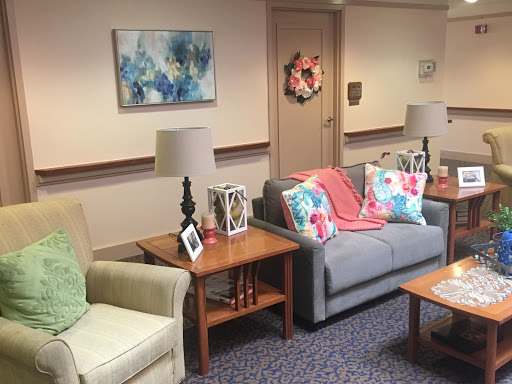
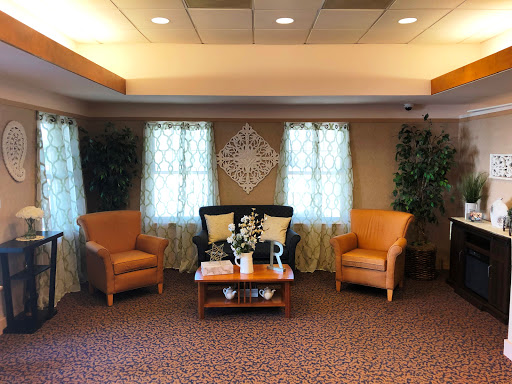
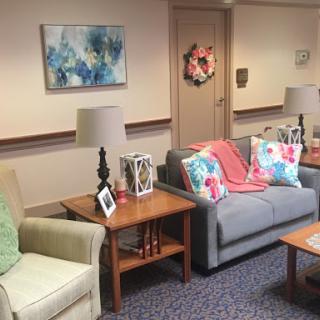
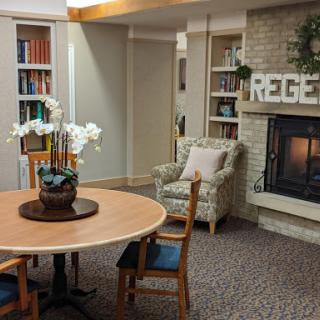
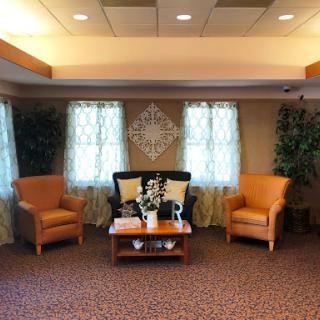
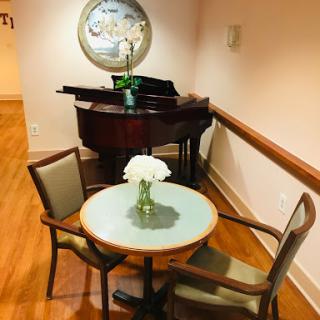
- The facility seems very nice.
- The residents are active and have a busy social life.
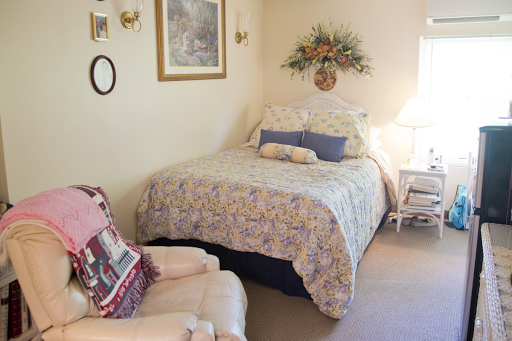
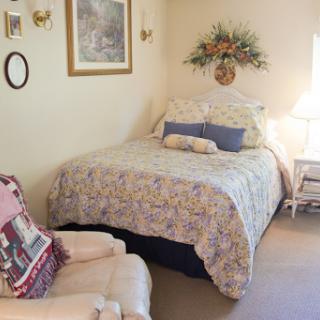
- The rooms are adequate.
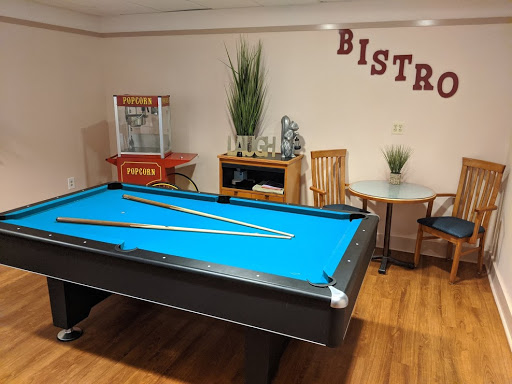
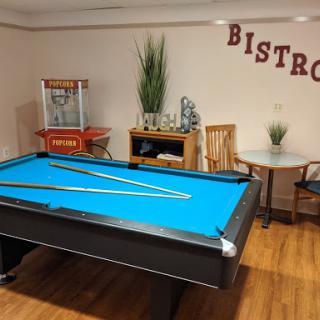
- There are many activities.
Cons
 The facility is HORRIBLE and not worth recommending; never send anyone there.
- The management is the worst and there is no communication.
- The staff doctor is terrible and never returns calls.
- The rooms and common areas smell of urine and feces, with dirty, stained carpets and furniture.
- The staff are not properly trained to handle Alzheimer’s/Dementia patients and are chronically short staffed.
- Some staff focus on personal cell phone calls instead of attending to residents, leaving some residents without needed help with eating.
- The food is terrible and residents have nothing to do but watch TV all day.
- The company has widespread quality problems, including bed bugs, black mold, and residents sometimes going without heat or air conditioning.
Review
Kris-Leigh Assisted Living at Gambrills I is best suited for families that want an active, socially engaged community with surprisingly good dining and adequate private spaces, and are prepared to be the eyes and ears of oversight. The setting can deliver a lively resident life and meaningful daily interaction, along with meals that exceed expectations for an assisted living environment. It is a fit for residents who thrive on routine social activity and do not require intensive, hands-on clinical management every hour of the day.
That said, serious consideration should be given to alternatives for families whose priorities include consistently reliable operations, transparent communication, and rigorous cleanliness standards. Residents with advanced dementia or behavior needs, those requiring frequent medical interventions, or households unwilling to devote substantial time to advocacy will likely encounter ongoing frustration here. The combination of under-staffing and uneven management oversight amplifies risk for delays, miscommunication, and gaps in care that can be unacceptable for at-risk loved ones.
The strongest positives are clear: a resident population that appears active and engaged, a calendar of events that fosters interaction, and a kitchen producing meals rated as better-than-expected by some families. Rooms are described as adequate, and the social milieu can provide meaningful companionship and stimulation. These elements address quality of life in a tangible way and can make a difference for families prioritizing an enriched daily experience over clinical pedigree. Yet the value of these pros hinges on reliable operations, something many reviews question.
However, the most serious concerns consistently cited revolve around management and staffing. Reports of communication breakdowns, slow or missing responses from the on-site medical lead, and a sense that leadership does not walk the floor or engage with residents create a backdrop of uncertainty. Under-staffing, reports of staff being pulled in too many directions, and caregivers who feel overworked translate into inconsistent assistance with activities of daily living, eating, and mobility. Cleanliness and odor issues compound the risk, as do troubling claims about maintenance of the physical plant and access to outdoor spaces. In short, the positives can be meaningful, but they do not reliably compensate for the core operational flaws observed by multiple families.
When evaluating, families should press for concrete assurances on supervision, staffing ratios, and accountability. Look for a tour that includes a direct conversation with the administrator and the lead nurse, request a recent incident log, and ask how care plans are communicated to families. Probe the cleanliness standards, housekeeping schedules, and any remediation plans for odors, furnishings, or carpet condition. If dementia care is required, seek evidence of staff training, person-centered approaches, and a clear protocol for escalation. A trial period or clearly defined monthly family update can help separate promises from day-to-day reality.
The decision comes down to risk tolerance and engagement level. If a family can commit to active, ongoing oversight, visiting frequently, demanding prompt follow-through, and insisting on measurable quality indicators, Kris-Leigh Gambrills can deliver a socially vibrant environment and solid dining experiences that enhance daily life. If, instead, the priority is consistent, spotless operations with reliable clinical oversight and seamless communication, this community is likely to disappoint. In that case, seeking alternatives with stronger governance, higher staffing stability, and a demonstrable track record of proactive resident care is advised.
 16 resident community capacity
 Studio apartments
 Assisted Living
 Board and Care Home
 Memory Care
 Respite Care
 Cable or satellite TV
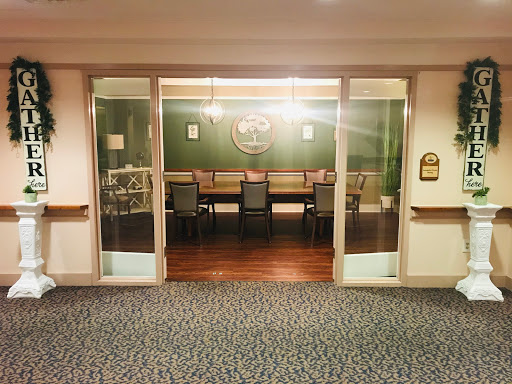
 Dining room
 Fully furnished
 Garden
 Housekeeping services
 Laundry
 Move-in coordination
 Outdoor space
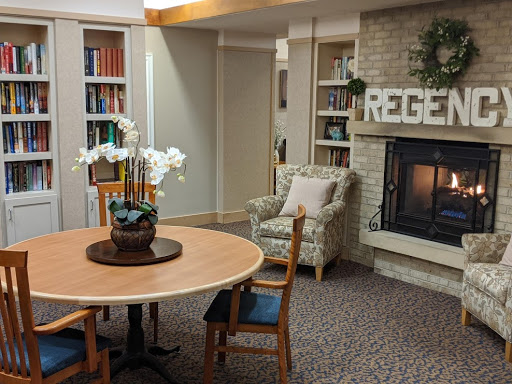
 Small library
 Telephone
 Baltimore-Washington International (7 miles away)
 24-hour supervision
 Activities of daily living assistance
 Assistance with bathing
 Assistance with dressing
 Assistance with transfers
 Diabetes diet
 Meal preparation and service
 Medication management
 Mental wellness program
 Physical therapy
 Special dietary restrictions
 Religious services
 English



 How to Communicate with a Loved One Living with Dementia: 10 Supportive Strategies
 Comprehensive Guide to VA Nursing Homes: A Crucial Long-Term Care Resource for Veterans
 Estimating the Expenses of At-Home Dementia Care: A Detailed Exploration