
19940 Chesley Knoll Drive, Gaithersburg, MD 20879
For more information about senior living options: (866) 208-4318
Overall Review of Deborah Assisted Living Services
Pros
 The staff are warm, attentive, and genuinely care about the residents.
- There is a strong sense of community with engaging activities and welcoming spaces to socialize.
- The dining experience and food quality are consistently praised.
- Residents feel safe and well cared for, with caregivers who know them by name.
- A wide array of activities and regular field trips keeps residents engaged and active.
- The team—including caregivers, administrators, and security staff—takes personal interest in residents and their families.
- The environment feels like home, warm and welcoming, with families feeling reassured and connected.
- The facility celebrates residents and offers meaningful opportunities for engagement and personal expression.
Cons
 She had a terrible experience there.
- The orderly's attitude frightened her.
- She lay there in pain all night.
- The reviewer suspects the orderly took the pain pill and sold it.
- The reviewer would never take her back to Asbury.
Review
Deborah Assisted Living Services in Gaithersburg is best suited for ongoing-care families who prize a warm, engaged environment where staff attentiveness and resident interaction drive daily life. The community that emerges from the reviewed Gaithersburg options emphasizes a strong caregiving team, abundant activities, high-quality dining, and a genuine sense of belonging among residents. For families seeking a place that feels like a true community rather than a sterile corridor, Deborah’s likely appeal lies in its potential to deliver consistent support, familiarity, and daily opportunities for social connection that keep seniors mentally and emotionally engaged.
Those considering alternatives will want to scrutinize two areas in particular. First, the need for highly controlled rehab or specialized medical oversight can be a decisive factor. A number of families highlighted instances where care lapses or concerns about medication handling and staff conduct arose in similar settings. While these reports are not universal, they underscore the necessity of clear accountability, rigorous staff training, and transparent incident reporting. Second, some residents benefit from a quieter, less bustling setting or a smaller footprint where independence is easier to preserve; in such cases, a different model with more predictable routines may be preferable.
On the positive side, the strongest signals point to a staff-driven culture and a robust activity ecosystem. Families repeatedly describe warm, attentive caregivers who genuinely connect with residents, turning care into relationships rather than tasks. The breadth and regularity of activities, ranging from social gatherings and trips to art, games, and theme events, create meaningful days and reduce isolation. Dining often emerges as a highlight, with residents praising quality meals and varied menus. In such environments, the care team becomes an extension of family, which translates into peace of mind for loved ones who cannot be present every day.
The most salient drawbacks in these reviewed communities center on isolated safety or care incidents and occasional concerns about staff responsiveness. A troubling report involving a medication administration lapse and a negative interaction with a caregiver serves as a reminder that even top-tier-sounding facilities can encounter problematic moments. Those considering Deborah should use due diligence to probe for concrete safeguards: how medication is managed and double-checked, what escalation protocols exist for concerns, and how staff are supervised and refreshed on resident safety. Understanding incident history and the cadence of corrective training is essential before choosing a setting.
When the strong advantages are weighed against these potential risks, the scale often tips toward choosing options that demonstrate relentless staff accountability and a proven culture of resident-centric care. The compelling pros, deep staff engagement, plentiful and structured activities, high-quality dining, and a palpable sense of community, can largely offset the rare but real concerns with robust governance and transparent communication. Prospective families should demand visibility into staffing ratios, caregiver continuity, and red-flag reporting processes, and should request detailed itineraries for activity calendars and dementia-appropriate programming to ensure alignment with the resident’s needs.
In the end, Deborah Assisted Living Services should be prioritized for families seeking a lively, people-first community in Gaithersburg where residents are known by name, daily life is rich with purposeful activity, and there is confidence that caregivers will be attentive and kind. It is not the sole choice for every situation, especially when a resident’s needs center on ultra-tight medication control, highly specialized rehab, or a preference for a smaller, quieter setting. To move confidently forward, families should schedule multiple tours, speak directly with caregivers, request recent incident and staffing data, and, if possible, arrange a trial stay or respite to observe day-to-day operations, responsiveness, and resident satisfaction firsthand.
 6 resident community capacity
 Assisted Living
 Cable or satellite TV
 Dining room
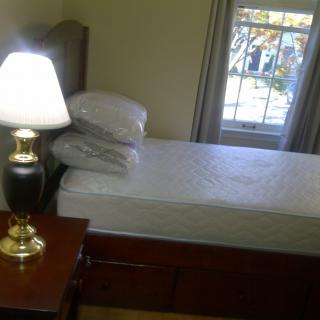
 Fully furnished
 Garden
 Housekeeping services
 Move-in coordination
 Outdoor space
 Telephone
 Wi-Fi/high-speed internet available
 Washington Dulles International (22 miles away)
 24-hour supervision
 Activities of daily living assistance
 Assistance with bathing
 Assistance with dressing
 Assistance with transfers
 Diabetes diet
 Meal preparation and service
 Medication management
 Special dietary restrictions
 Transportation arrangement (medical)
 Transportation to doctors appointments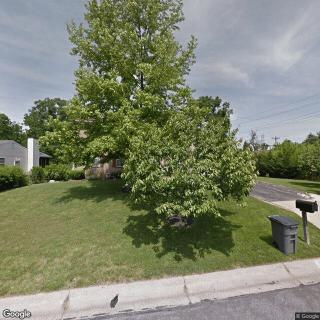



 Assisted Living and Memory Care: Understanding Their Core Differences
 Beyond the Bingo Hall: 50+ Enriching Activities for Seniors in Assisted Living
 Understanding the Distinctions: Assisted Living and Memory Care Explained