
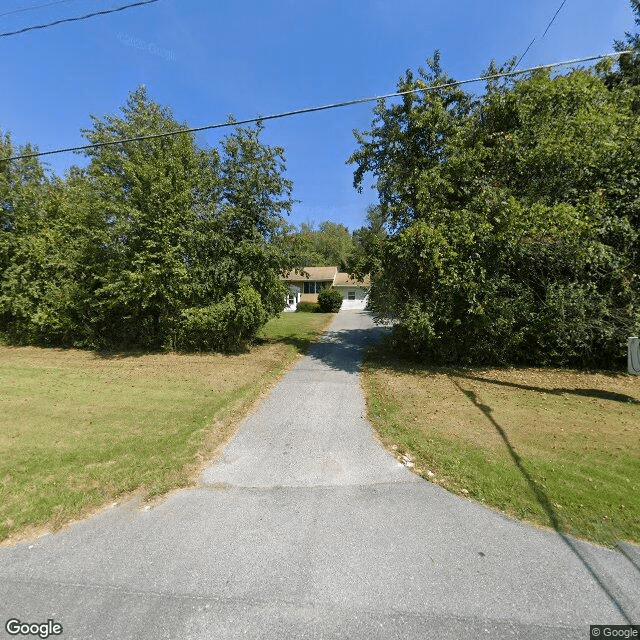
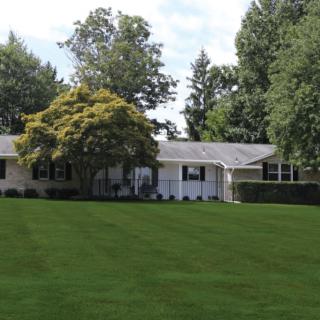
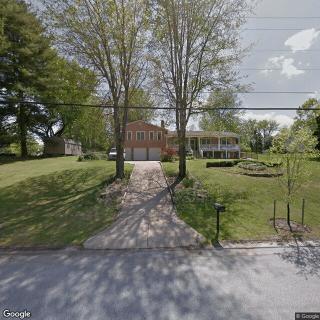
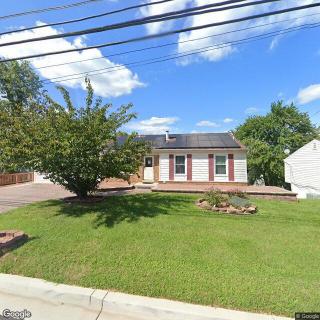
12026 Scaggsville Road, Fulton, MD 20759
For more information about senior living options: (866) 208-4318
Total Home Costs & Pricing
Total Home offers a competitive pricing structure for various room types when compared to Howard County and the broader state of Maryland. For a semi-private room, Total Home charges $2,200, significantly lower than Howard County's $3,865 and Maryland's average of $3,545. Similarly, the cost for a private room at Total Home is set at $2,500, which is also more affordable than Howard County's price of $4,003 and Maryland's average of $4,112. For those seeking a one-bedroom accommodation, Total Home provides this option for $3,000 - again undercutting Howard County's rate of $3,818 and Maryland's average of $3,904. Overall, these pricing advantages make Total Home an appealing choice for individuals seeking quality care in a budget-friendly environment.
| Floor plans | Total Home | Howard County | Maryland |
|---|---|---|---|
| Semi-Private | $2,200 | $3,865 | $3,545 |
| Private | $2,500 | $4,003 | $4,112 |
| 1 Bedroom | $3,000 | $3,818 | $3,904 |
Memory care communities with a similar price nearby
-
from +$300 / mo
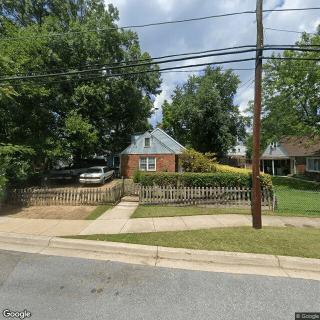
Amazing Grace Senior Care
$2,500 to $3,000 / month15.6 miles away -
from +$270 / mo
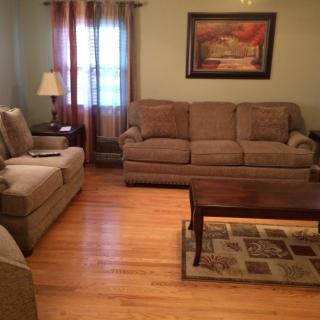
Ovalstone Comfort Home
$2,470 to $3,300 / month15.5 miles away -
from -$100 / mo

Mamie's Loving Care III
$2,100 to $3,000 / month24.6 miles away -
from -$200 / mo
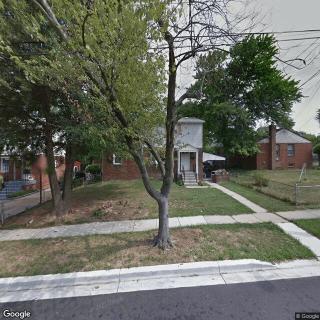
Senior's Place
$2,000 to $2,500 / month9.9 miles away -
from +$200 / mo

HMG Assisted Living Home
$2,400 to $4,750 / month19.0 miles away
Overall Review of Total Home
Pros
 The service is reliable and trustworthy.
- They are highly recommended to anyone in need.
- Miller Electric Gate Repair is the go-to company for gate-related issues.
- The home has a nice deck and yard.
Cons
 Regina was not there for the appointment.
- The home was not very clean.
- The home was not wheelchair accessible.
- The reviewer did not like the home at all.
- The place was filthy, gross, dirty, and ugly.
- There was only one staff member for eight residents.
- There was no memory care.
- The interior needs lots of work, including a small upstairs bathroom and rooms.
- There were smokers in the house who smoked on the deck.
- They did not think it would be a good fit for their father.
Review
This community is best suited for families seeking a small, home‑like setting where proximity to Fulton amenities and outdoor space are meaningful pluses, and where the resident can manage with minimal but reliable supervision. It works for someone who is relatively independent, does not require memory care, and can tolerate a modest, older interior with limited accessibility features. The appeal hinges on a cozy, close-to-home vibe and a decked outdoor area, rather than on modern facilities or robust programming. Prospective residents should recognize that this is not a polished, high-surveillance environment; it is a basic, small-scale option that trades on location and atmosphere rather than on Up-to-date infrastructure or 24/7 care routines.
Those who may want to consider alternatives are families prioritizing cleanliness, safety, and professional care staffing. If memory care is ever needed, or if strong safety monitoring and a higher caregiver-to-resident ratio are non-negotiable, this home is not suitable. Families requiring wheelchair-accessible design and fully updated interiors should look elsewhere, as the property is a split-level with limited accessibility and interior maintenance needs. The absence of memory care programming, coupled with only one staff member for eight residents, signals that neighbors with higher acuity or needs for daily, structured assistance may find this fit precarious. For anyone seeking formal activity schedules, medical oversight, or modern amenities, other options deserve serious consideration.
The limited but real positives center on location and outdoor space. A close-to-home setting can simplify family visits and provide a pleasant outdoor environment with a deck and yard that are appealing for light, supervised activities in good weather. However, those advantages are overshadowed by the more consequential drawbacks: interiors that require significant cleaning and maintenance, and a building layout that does not support easy mobility for those who use a wheelchair or have balance concerns. In short, the outdoor appeal is real, but the living space itself does not compensate for the ongoing cleanliness and safety gaps that many families need addressed before a long-term placement.
The most pressing concerns are structural and operational. The home reportedly lacks adequate staffing, offering only one caregiver for eight residents, with no dedicated memory care option available. This staffing gap raises legitimate safety questions about supervision, especially for residents who may wander, have behavioral needs, or require prompt assistance. Interior conditions are described as dirty and in need of work, with a small upstairs bathroom and cramped rooms that can feel confining for anyone needing more space or accessibility. The presence of smokers who use the deck adds another layer of concern for health and comfort, particularly for residents with respiratory issues. Taken together, these factors create a high-risk profile for families seeking predictable daily care and ease of movement.
For families evaluating a visit, a practical checklist is essential: verify daily caregiver coverage hours and whether additional staff are available during peak times; inspect cleanliness and odor, and request a tour of all living areas, including a look at how a resident with mobility needs navigates the space; ask about accessibility modifications, fall-prevention features, and potential barriers in hallways or bathrooms; confirm the actual resident age range and acuity, since the oldest noted in reviews is around 65, and no memory care is offered; and discuss smoking policies and how outdoor spaces are maintained and supervised. Also, seek candid feedback from current residents and families about consistency of care, response times, and how emergencies are managed. If any of these checks reveal ongoing lapses, it is prudent to widen the search rather than commit.
Bottom line: Total Home represents a very specific, low‑overhead option that can only satisfy a narrow slice of families, those who prize location and a cottage‑like atmosphere and who can tolerate limited staffing, older interiors, and no memory care. For most families seeking reliable daily care, clean and updated surroundings, robust supervision, and accessible design, alternatives are strongly recommended. This community may function as a short-term or transitional arrangement for a highly independent resident with minimal needs, but it is unlikely to meet the expectations of families prioritizing safety, cleanliness, and comprehensive care in the long run. A careful, in-person evaluation is essential, but the current combination of interior conditions, staffing realities, and accessibility gaps points toward exploring other options first.
 8 resident community capacity
 Assisted Living
 Board and Care Home
 Memory Care
 Activities on-site
 Bath tubs
 Cable or satellite TV
 Devotional services on-site
 Dining room
 Fully furnished
 Garden
 Housekeeping services
 Indoor common areas
 Move-in coordination
 Outdoor common areas
 Private
 Private bathrooms
 Respite or short term stays offered
 Telephone
 Wi-Fi/high-speed internet available
 Baltimore-Washington International (14 miles away)
 24-hour supervision
 Ambulatory care
 Assistance with bathing
 Assistance with dressing
 Assistance with transfers
 Diabetes diet
 Diabetic care
 High acuity care
 Meal preparation and service
 Medication management
 Special dietary restrictions
 Transportation arrangement (medical)
 Transportation to doctors appointments
 Christian services

 Delving into the Inner World of Dementia: Insights into Thoughts and Awareness
 Five Subtle Dementia Indicators to Observe: An In-Depth Guide to Understanding “Does My Mom Have Dementia?”
 Dementia, Paranoia, and Caregiver Guidance: Understanding the Connection