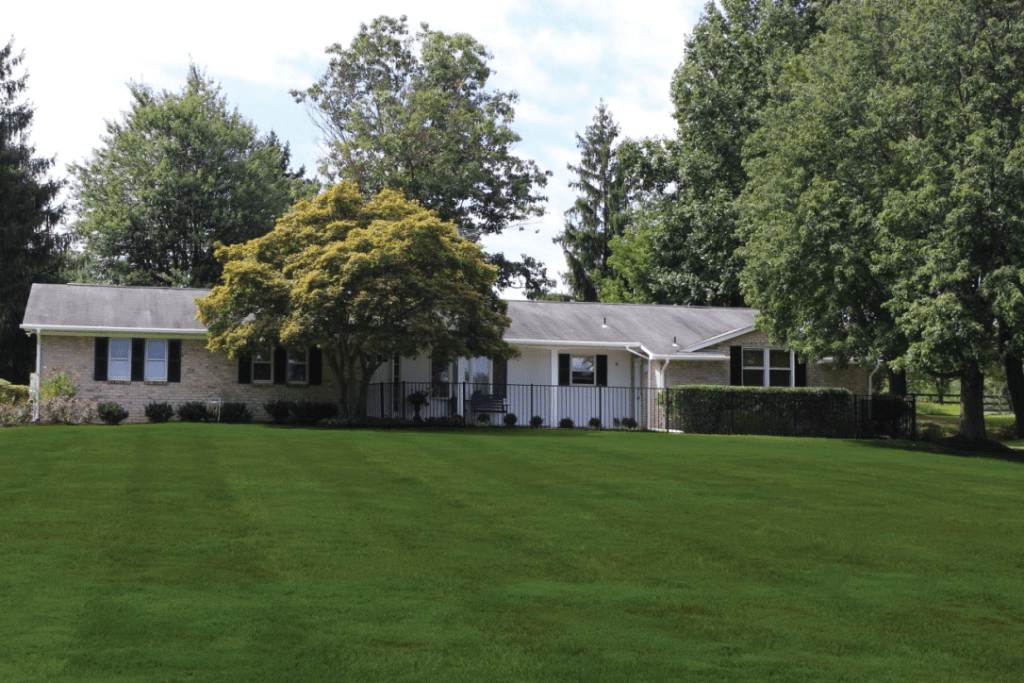
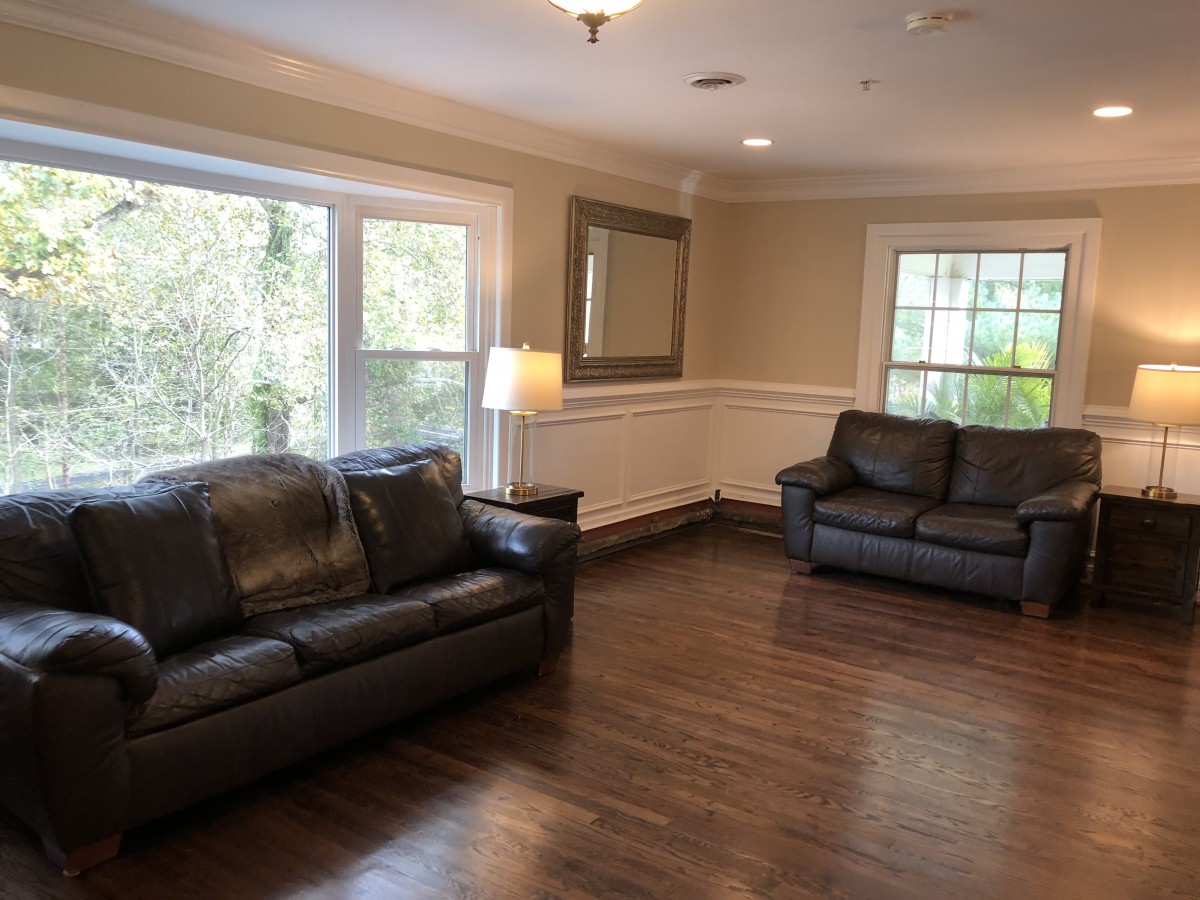
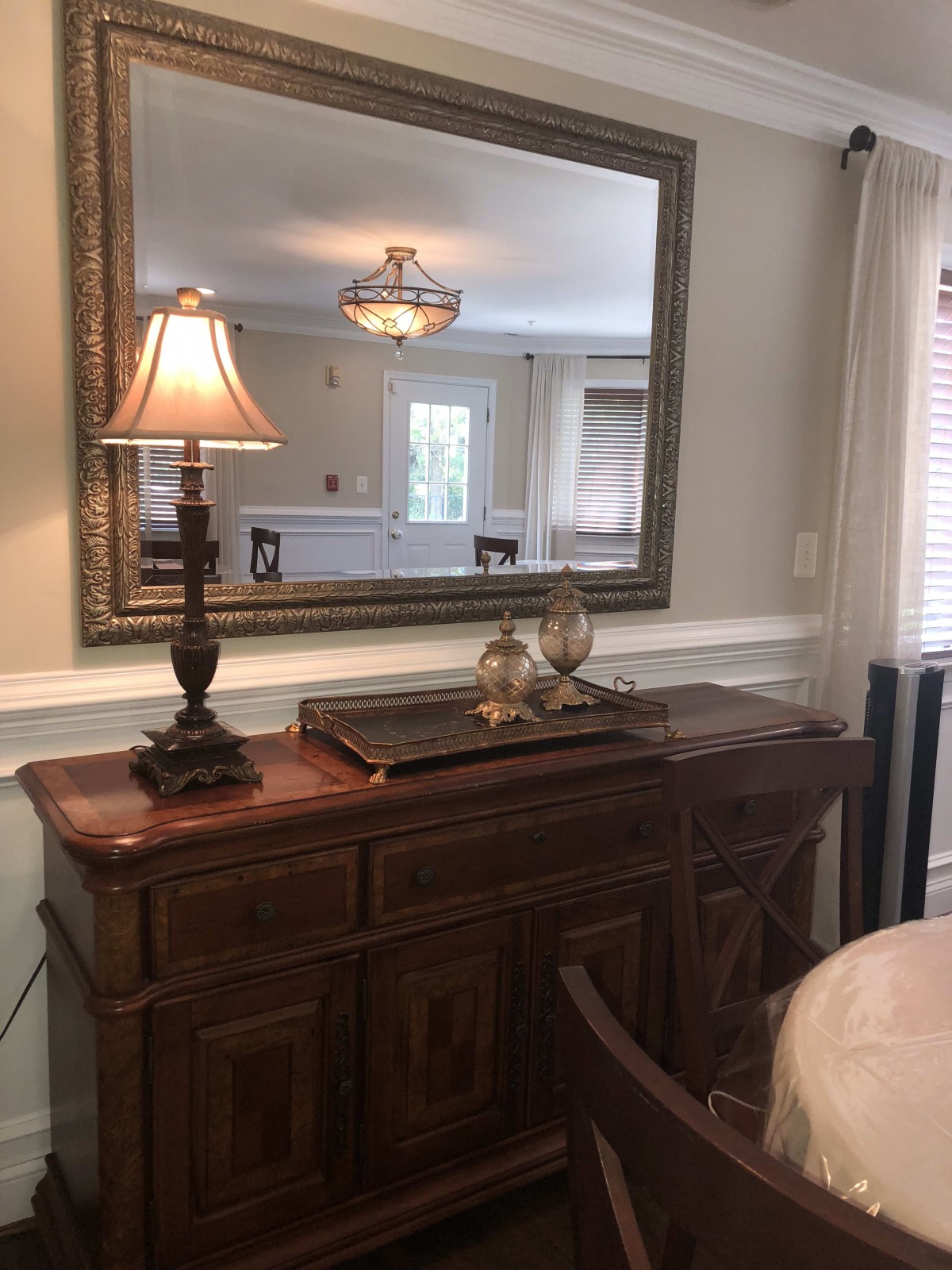
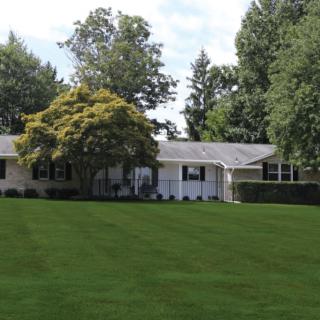
12401 Lime Kiln Road, Fulton, MD 20759
For more information about senior living options: (866) 208-4318
Autumn Hill Costs & Pricing
Autumn Hill's monthly cost for a semi-private room stands at $5,500, which is notably higher than both the average in Howard County ($3,865) and across the state of Maryland ($3,545). This significant price difference may reflect the specialized services, amenities, and overall quality of care that Autumn Hill offers its residents. While the costs are elevated compared to regional averages, many families are willing to invest in such environments for the enhanced support and comfort they provide. Understanding these financial dynamics can help prospective residents and their families make informed decisions about long-term care options that best suit their needs.
| Floor plans | Autumn Hill | Howard County | Maryland |
|---|---|---|---|
| Semi-Private | $5,500 | $3,865 | $3,545 |
Memory care communities with a similar price nearby
-
from -$550 / mo
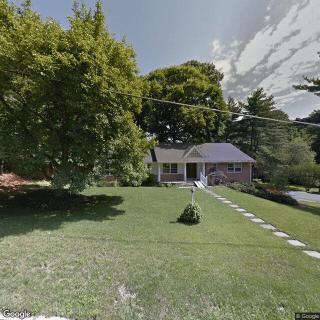
Avalon House on Laburnum Street
$4,950 / month18.2 miles away -
from -$1000 / mo
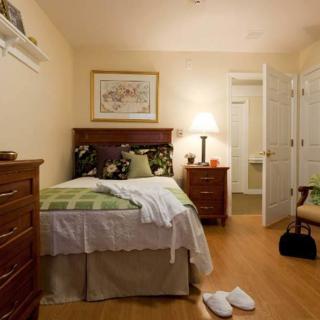
Olney Memory Care
$4,500 / month6.9 miles away -
from -$300 / mo
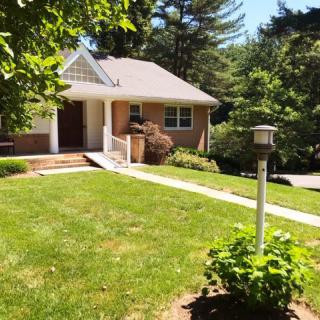
Avalon House On Laburnum Street
$5,200 / month18.2 miles away -
About the same
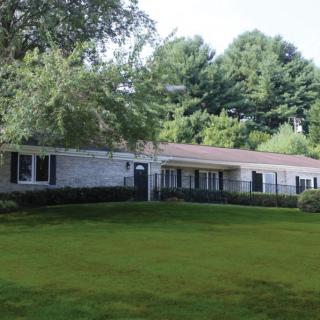
Glen Hill
$5,500 / month6.5 miles away -
from -$500 / mo
Necitas
$5,000 to $5,500 / month5.8 miles away
Overall Review of Autumn Hill
Pros
 Autumn Hill's staff consistently goes above and beyond to support loved ones dealing with memory and reasoning challenges.
- Victoria and John are described as genuine, compassionate leaders whose dedication shines through in Autumn Hill.
- The aides, medical staff, and clinical providers at Autumn Hill are empathetic, professional, and proactive.
- Residents feel safe, happy, and well cared for under Autumn Hill's attentive care.
- Families are grateful for the open communication and compassionate end-of-life care provided at Autumn Hill.
- Autumn Hill has restored faith in senior care through capable, caring, and attentive service.
- The experience at Autumn Hill enables families to have peace of mind and share meaningful time with their loved ones.
Review
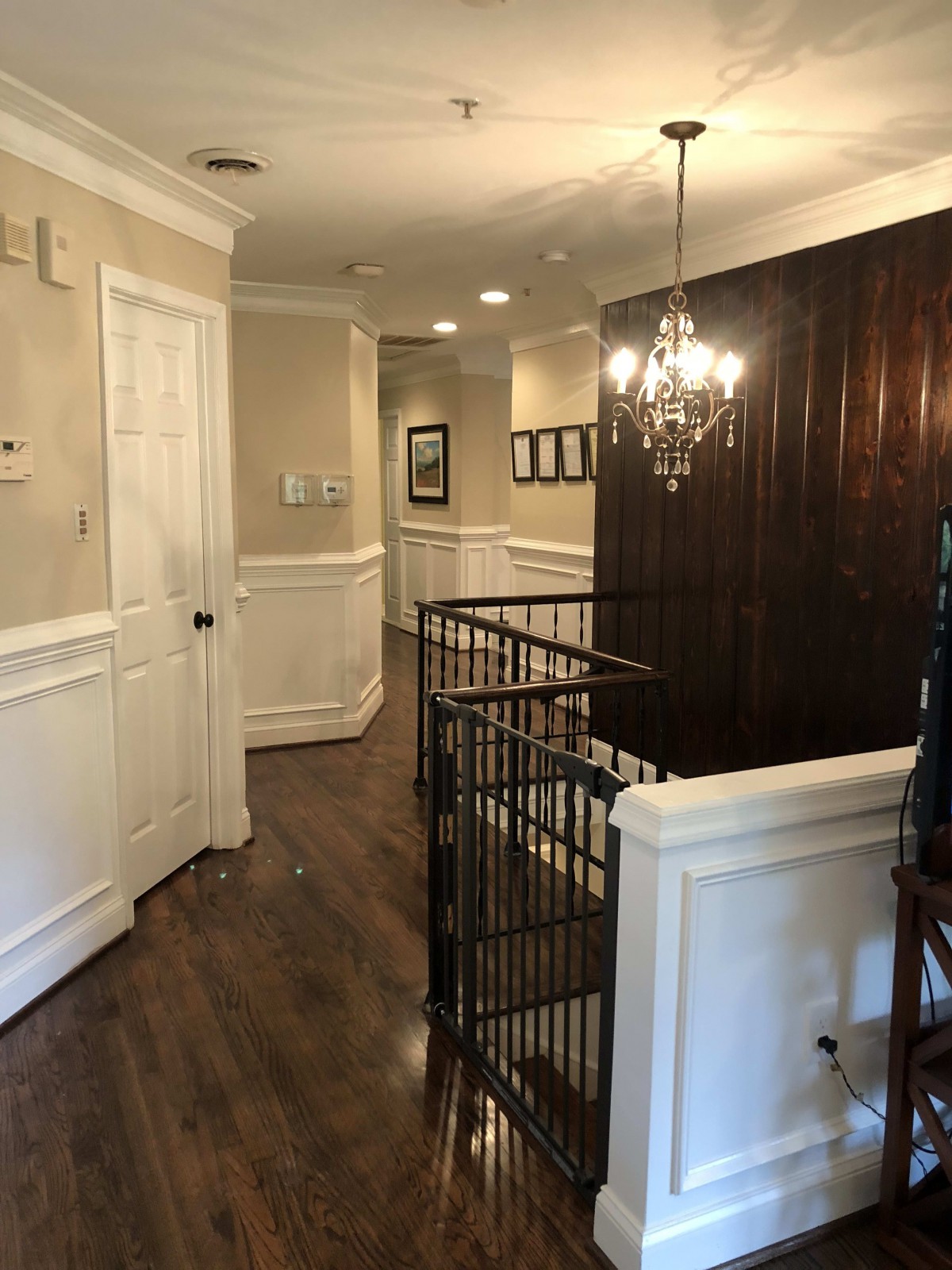
Autumn Hill in Fulton, MD is best suited for families seeking a high-touch, memory-care‑savvy setting where owners are deeply involved and daily life centers on safety, warmth, and personal connection. The community shines when a loved one is navigating memory or reasoning challenges and needs a caregiving team that can translate concern into tangible, proactive care. Reviews repeatedly highlight that residents feel safe, attended to, and genuinely cared for, a combination that matters most when stakes include cognitive decline, frailty, and the wish to maintain dignity in everyday moments. This is the kind of environment where staff-scale relationships translate into reliable routines, consistent monitoring, and peace of mind for families.
For those with different priorities, alternatives deserve consideration. Families seeking more clinical intensity or larger, hospital-style medical oversight may find a smaller, family-owned operation less suited to meet high-acuity needs. Similarly, communities that emphasize expansive programming beyond a tightly knit care team could be a better fit for residents who want a broader network of activities and more formalized handling of complex conditions. Autumn Hill’s strength is intimate, human-centered care; when a loved one requires 24/7, on-site physicians and a wide array of specialized therapies, a larger or more medically oriented setting may be preferable.
The strongest pros at Autumn Hill revolve around people first. Owners Victoria and John Sessler, along with the residential and clinical teams, are repeatedly described as genuine, compassionate, and proactive. Residents are described as safe, well-loved, and consistently attended to, with staff praised as “rock stars” for their kindness, attentiveness, and professionalism. The care model emphasizes open communication with families, ensuring that transitions, daily changes, and health issues are discussed clearly. End-of-life care is highlighted as extraordinarily loving and dignified, giving families real comfort during difficult moments and solid closure after years of caregiving.
These advantages offset several potential gaps by delivering outcomes that families value most: trusted hands at the helm, proactive care for diabetes and frailty, and a culture that treats memory impairment with respect and competence. The intimate setting translates into close supervision and rapid responsiveness, which often reduces anxiety for caregivers worried about fluctuating conditions or sudden changes. While Autumn Hill may not replicate the clinical intensity of a large skilled-nursing facility, the demonstrated commitment to safety, detailed monitoring, and timely family updates suggests a robust level of daily medical nuance that many families prize when choosing a place for ongoing memory or end-of-life support.
Evidence of lasting impact appears in long-term care stories and repeated expressions of gratitude. Families describe a restorative effect on a loved one’s health and mood after moving to Autumn Hill, with careful diabetes management and vigilant attention to evolving frailty. The consistency of care, spanning aides, medical staff, and the owner team, creates a reliable rhythm that families can lean into during transitions, hopes, and concerns. The trust cultivated through ongoing, transparent communication is a recurring theme, providing a sense that the residence is not merely a backdrop but an active partner in the loved one’s well-being.
When evaluating whether Autumn Hill is the right fit, focus on the match between expectations and what the community delivers. Prospective residents should prioritize a home-like atmosphere, strong staff-resident relationships, and clear, ongoing family communication. Plan visits with questions about staff-to-resident ratios, the day-to-day care plan for memory impairment, and how end-of-life preferences are honored. If a loved one thrives on a highly personalized approach with steady, compassionate guidance from an owner-led team, Autumn Hill stands out as a top choice. If instead preference is a larger, more medically expansive setting, alternatives should be weighed carefully for medical complexity and scale. In practical terms, Autumn Hill is a compelling option for families prioritizing trust, warmth, and hands-on care for memory-related needs and end-of-life moments.
 16 resident community capacity
 Assisted Living
 Board and Care Home
 Memory Care
 Activities on-site
 Cable or satellite TV
 Devotional services on-site
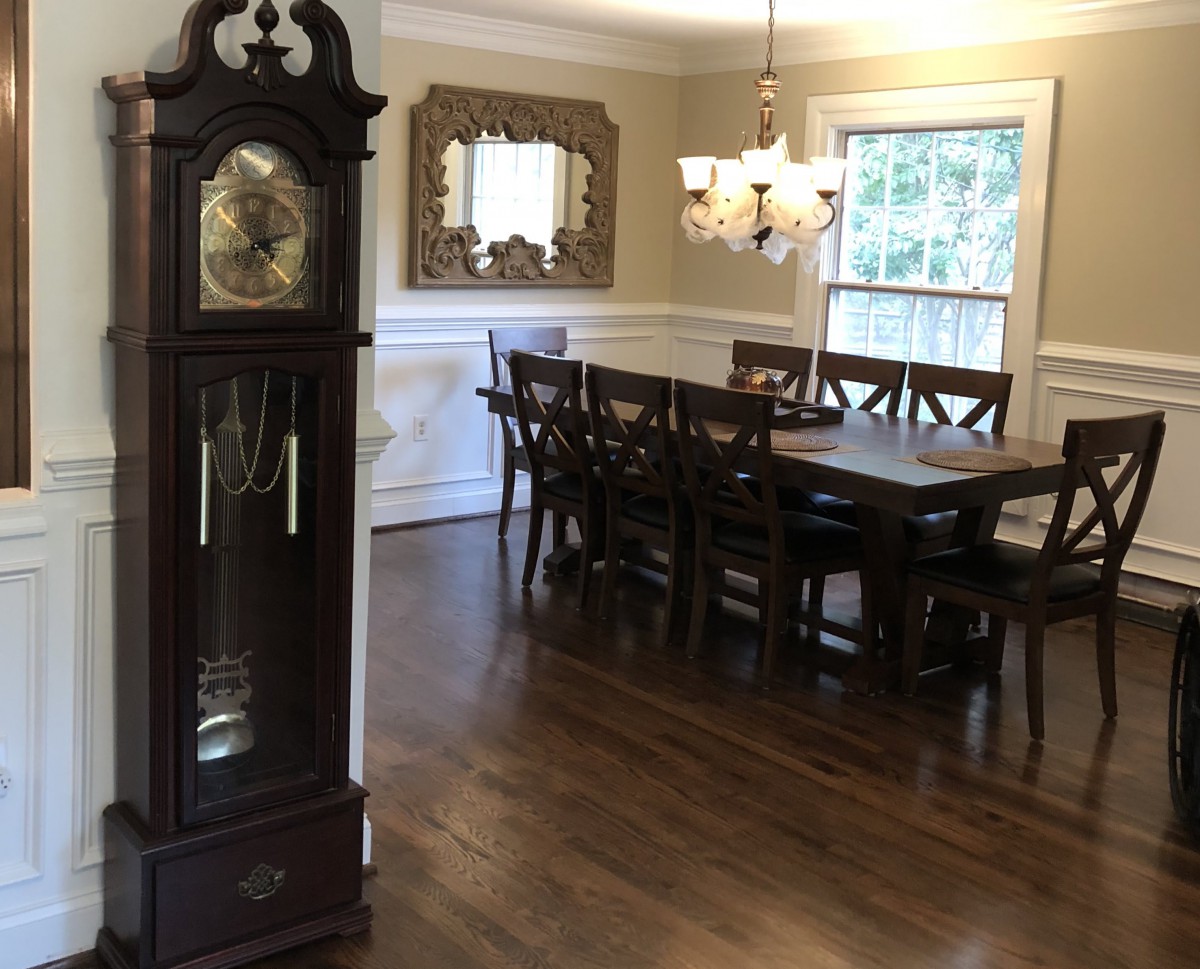
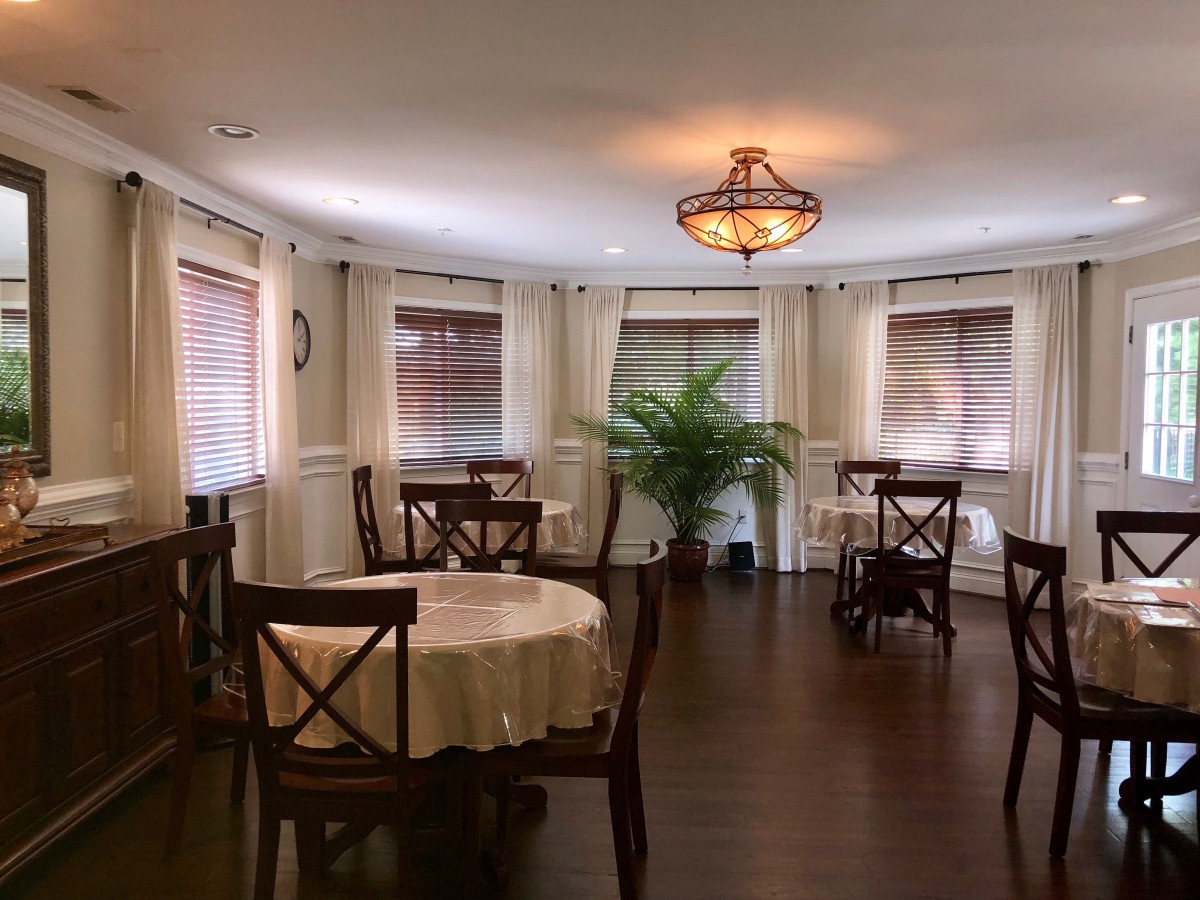
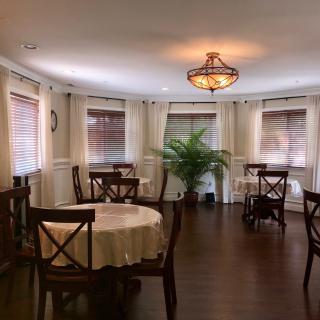
 Dining room
 Fully furnished
 Garden
 Ground floor units
 Housekeeping services
 Indoor common areas
 Move-in coordination
 Outdoor common areas
 Telephone
 Wheelchair accessible showers
 Wi-Fi/high-speed internet available
 Baltimore-Washington International (15 miles away)
 24-hour supervision
 Assistance with bathing
 Assistance with dressing
 Assistance with transfers
 Diabetes diet
 Diabetic care
 Incontinence care
 Meal preparation and service
 Medication management
 Special dietary restrictions
 Transportation arrangement (medical)
 Transportation to doctors appointments
 BBQs or picnics
 Birthday parties
 Happy hour
 Karaoke
 Live dance or theater performances
 Live musical performances
 Wii bowling

 Understanding Dementia Through Its Seven Stages: A Comprehensive Look at Progression and Expectations
 Safeguarding Your Memory Through the Golden Years: Eight Ways to Preserve Cognitive Health
 Comprehensive Insights into Activities of Daily Living (ADLs) and Their Assessment