


9100 Fathers Legacy, Ellicott City, MD 21042
For more information about senior living options: (866) 208-4318

Overall Review of Lutheran Village At Miller Grant
Pros
 Residents truly enjoy the place, with numerous activities and a friendly, caring community.
- The location is beautiful and offers plenty of amenities.
- Leadership is exceptional, demonstrated by strong servant leadership.
- The facility is described as top shelf by residents.
- The Miller’s Grant experience is described as great, including lovely independent living and outstanding care in assisted living.
- The community is a great place to retire.
- The homes are beautiful in a quiet, friendly neighborhood.
- The computer store offers fantastic prices on refurbished computers, and the owner spends substantial time helping customers.
Cons
 MG was not true to its advertised transitional living model.
- There is a severe shortage of assisted living spaces at MG.
- Residents were left in a holding pattern while a parent was in rehab.
- The only viable option presented was 24-hour caregiver assistance at an extra $40,000 per month, which is unsustainable.
- There are woefully few long-term care spaces at MG.
- MG's social services offered no help with the process.
- The facility appears unprepared for residents' physical decline.
- The price point makes MG unaffordable for many.
Review
Lutheran Village at Miller Grant is best suited for active seniors who want a vibrant, amenity-rich retirement environment and whose plans assume independence for the near term. The campus shines in social life and programming, with a clear sense of community and servant leadership that keeps residents connected and engaged. It works particularly well for those who value on-site activities, friendly staff, and a polished, attractive setting. Prospective residents should not assume this will automatically serve as a seamless bridge to long-term care if health declines; the community’s current structure is more oriented toward independent living and short-term transitions rather than guaranteed, scalable care.
Those who may want to consider alternatives are seniors who anticipate a need for assisted living or skilled nursing soon, or families seeking guaranteed, timely placement as health deteriorates. The most significant red flag is the shortage of assisted living and long-term care spaces, which has created real difficulty in moving residents who need increased support. Families have faced lengthy wait times and difficult trade-offs, with some residents effectively stranded in limbo while care arrangements and hospital transitions unfold. For anyone counting on predictable, affordable access to higher levels of care, Miller Grant’s current capacity gaps are a critical risk.
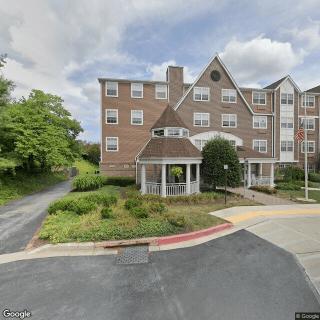
On the plus side, the community’s strengths are substantial and tangible. The environment is aesthetically pleasing, with “tons of amenities” and a sense of security in a well-run campus. Residents and families repeatedly note a genuine, caring climate and capable leadership, which translates into strong day-to-day quality of life and meaningful programming. In practice, when a resident does transition to assisted living within Miller Grant, the care described is outstanding, staffed teams deliver attentive, respectful support that many families value deeply. These positives make the campus an excellent home for those who can remain in independent or supported living without urgent mobility limits.
Yet the main drawbacks temper the enthusiastic view. The chokepoints are acute: insufficient availability of assisted living and long-term care spaces, coupled with the high cost and administrative friction of arranging 24-hour caregiver support when needed. For families facing health declines, the financial and logistical burden can become unsustainably large, an issue starkly illustrated by experiences where families were told the only option to stay was expensive, around-the-clock private care, or frequent, disruptive moves to other facilities. Social services at the campus were described as unhelpful in navigating these transitions, leaving families to scramble for solutions during crises.
Decision-makers should have a clear checklist before committing. Verify the current capacity and wait times for assisted living and any guaranteed placement policies for long-term care, and obtain a transparent, all-in cost breakdown that includes potential 24-hour caregiver requirements. Assess how the campus handles transitions between levels of care, including the likelihood of staying within Miller Grant versus relocating, and what supports exist to minimize disruption for residents with declining health. Also weigh whether the value proposition, strong social life and leadership, high-quality care in AL when available, and a beautiful, active campus, aligns with the anticipated trajectory of the specific family member’s needs and the financial plan.
In the end, Miller Grant delivers a compelling lifestyle for active seniors who prize community, programming, and quality-of-life amenities, with a track record of positive experiences for residents who stay within independent living or successfully transition to on-site assisted living when capacity exists. However, the facility’s effectiveness as a long-term care solution is tempered by shortages, cost pressures, and uneven ease of access to necessary higher levels of care. For families focused on predictable, affordable access to care if health declines, alternatives should be seriously evaluated. For those who can fit the right level of independent or on-site assisted living and value the culture and atmosphere, Miller Grant remains a strong option worth pursuing, provided current capacity and cost dynamics are confirmed up front.
 36 resident community capacity
 Assisted Living
 Beauty salon
 Cable or satellite TV
 Dining room
 Fully furnished
 Garden
 Housekeeping services
 Kitchenette
 Move-in coordination
 Outdoor space
 Telephone
 Wi-Fi/high-speed internet available
 Baltimore-Washington International (11 miles away)
 24-hour call system
 Activities of daily living assistance
 Assistance with bathing
 Assistance with dressing
 Assistance with transfers
 Diabetes diet
 Meal preparation and service
 Medication management
 Mental wellness program
 Special dietary restrictions
 Transportation arrangement (medical)
 Transportation to doctors appointments



 How and When Medicaid May Cover Assisted Living Costs
 A Detailed Exploration of Assisted Living Medicaid Waivers Across the United States
 Comprehensive Residential Support and Assisted Living Solutions for Individuals with Disabilities