
10102 Country Club Road, Cumberland, MD 21502
For more information about senior living options: (866) 208-4318
Overall Review of Willowbrook Square
Pros
 The rehab was great.
- The staff are very nice and caring.
- The stay was fabulous, with top-notch food, and it is highly recommended.
- The facility was a nice place to stay and receive treatment.
- The staff are pleasant, caring, and loving; the place is truly wonderful.
- The teachers and staff are great, and they include parents every step of the way.
- The Jefferson School is a great alternative for kids with autism and mental illness.
- Massey Rehab is one of the best rehabs around.
Cons
 One reviewer would not consider it a place to visit unless their loved one currently resides there.
Review
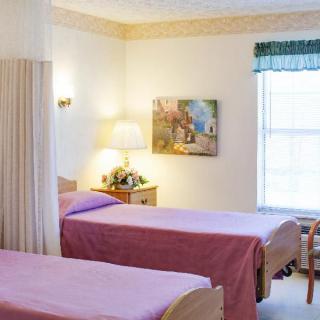
Willowbrook Square in Cumberland, MD is best suited for seniors who need structured, professional rehab services embedded in a therapy-focused environment, with staff oversight that is consistently described as caring and accessible. This is not merely an apartment-style assisted living; the setting and the reviewed experiences point to a facility that can support recovery, ongoing therapy, and medical oversight when needed. Families seeking a home-like atmosphere with light medical support and a heavy emphasis on social programming may find the fit less ideal, and should consider alternatives that prioritize independent living and memory-care design without the hospital-like intensity.
Those who may want to consider alternatives fall into a few clear categories. First, seniors whose primary goal is a warm, homey living environment with robust social activities and minimal clinical oversight should look at traditional assisted living communities with strong memory-care options. Second, families prioritizing long-term homelike routines, consistent social engagement, and less emphasis on on-site rehab may prefer a facility where medical services are more discreetly integrated rather than central to daily life. Third, for elders who require specialized memory-care programming or a calmer, non-clinical atmosphere, a community explicitly marketed as a memory care or life-plan option may deliver a more predictable daily rhythm.
The strongest positives in Willowbrook Square are the staff and the rehabilitation framework. Reviews repeatedly highlight kind, attentive, and personable caregivers, with many residents and families noting genuine warmth and responsiveness. The rehab component is a clear strength, underscored by praise for effective therapy and the perceived quality of treatment programs. When recovery or transitional support is the priority, whether after surgery or during ongoing therapy, these assets translate into meaningful daily benefits, such as guided routines, consistent monitoring, and timely assistance that can support progress and safety.
Yet the same hospital-tinged environment that can be a strength for rehab also represents the principal trade-off. The reviews reveal a setting that’s sometimes perceived as clinical or hospital-like, which may feel less comfortable for families seeking a more traditional senior-living vibe. There are references, some historical in tone, that imply a broader medical or psychiatric orientation. For families wanting a setting that emphasizes independent living, social programming, and a homelike atmosphere without frequent clinical interventions, these factors may dampen satisfaction and long-term appeal.
To make a well-grounded decision, focus on practical trade-offs. If the primary objective is high-quality rehabilitation with dependable staff support during recovery periods, Willowbrook Square delivers value that can justify the intensity. The on-site rehab culture and established care routines help ensure accountability, consistent communication with families, and clarity about progress. However, if the plan centers on sustained independent living with expansive social programming, lighter medical oversight, and a true home-style ambience, alternatives that position medical services as a complement rather than the centerpiece will likely serve better.
Prospective residents and families should verify several specifics before deciding. Inquire about the exact mix of medical services versus therapeutic programming, and ask for a clear daily schedule that outlines therapy, meals, activities, and quiet time. Seek current staff-to-resident ratios, the availability of on-site therapists, and the process for escalating care if medical needs evolve. Tour the facility with questions about room setups, meal quality, and social programming, and request reference calls with current residents or families who recently navigated a rehab-to-living transition. Understanding how family involvement is integrated, through regular updates, meetings, and transparent care planning, will also illuminate whether Willowbrook Square aligns with expectations.
In the end, Willowbrook Square stands out for its strong staff and rehab-oriented strengths, making it a compelling option for those whose priority is structured therapeutic care and reliable oversight. For families prioritizing a more conventional, home-like assisted living experience with broad social engagement and less clinical intensity, exploring alternatives is prudent. A disciplined due diligence process, centered on care philosophy, daily life rhythms, and the precise balance of therapy and independence, will reveal whether Willowbrook Square can be the right fit or if another community better matches the senior’s long-term living goals.
 22 resident community capacity
 Assisted Living
 Beauty salon
 Cable or satellite TV
 Dining room
 Fully furnished
 Garden
 Housekeeping services
 Kitchenette
 Move-in coordination
 Outdoor space
 Restaurant-style dining
 Small library
 Telephone
 Wi-Fi/high-speed internet available
 24-hour call system
 Activities of daily living assistance
 Assistance with bathing
 Assistance with dressing
 Assistance with transfers
 Diabetes diet
 Medication management
 Mental wellness program
 Special dietary restrictions






 Medicare Coverage for Assisted Living: An In-Depth Exploration
 Choosing the Right Senior Care: A Detailed Exploration of Assisted Living and Nursing Homes
 Understanding the True Cost of Assisted Living in 2025: A Comprehensive Guide