
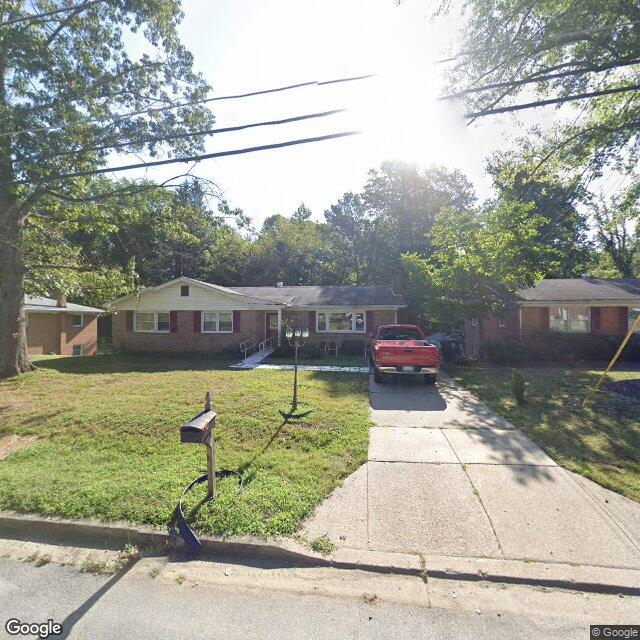
7029 Groveton Drive, Clinton, MD 20735
For more information about senior living options: (866) 208-4318
Peaceful Life Crestview Manor Costs & Pricing
Peaceful Life Crestview Manor positions itself as an attractive option for those seeking assisted living in the region, particularly considering its competitive pricing compared to the broader market. For semi-private rooms, residents can expect a monthly fee of $1,500, which is significantly lower than both the county average of $3,058 and the state average of $3,545. Similarly, private room accommodations at Crestview Manor are available for $3,000 per month, offering substantial savings relative to Prince George's County where similar rooms cost about $3,792, and Maryland's statewide average of $4,112. This pricing strategy not only underscores Peaceful Life's commitment to affordability but also highlights its potential appeal to families searching for quality care without breaking the bank.
| Floor plans | Peaceful Life Crestview Manor | Prince George's County | Maryland |
|---|---|---|---|
| Semi-Private | $1,500 | $3,058 | $3,545 |
| Private | $3,000 | $3,792 | $4,112 |
Assisted Living communities with a similar price nearby
-
About the same
Peaceful Life Rambling Hills
$1,500 to $3,000 / month9.9 miles away -
About the same

Fields of Favor
$1,500 to $3,000 / month9.3 miles away -
About the same
Jesus is Tender Loving Care
$1,500 to $2,000 / month7.3 miles away -
About the same
Peaceful Life
$1,500 to $3,000 / month9.8 miles away
Overall Review of Peaceful Life Crestview Manor
Pros
 It is a wonderful home for seniors.
- The staff are amazing and provide excellent care.
- It is highly recommended for anyone.
- The facility is very nice and clean, with informative and helpful staff.
Cons
 The reviewer wouldn't recommend it.
- There are too many things to list.
Review
Peaceful Life Crestview Manor in Clinton is best suited for families prioritizing a warm, home-like atmosphere where the caregiving team is highlighted as the core strength. The reviews consistently point to staff who are attentive, compassionate, and actively engaging with seniors, paired with a clean, tidy living environment. For families who want reassurance that daily care will be delivered with warmth and clarity, this community delivers on those fronts. It is less compelling for those who insist on highly structured programs, aggressive clinical oversight, or unwavering, uniform performance across every shift; in such cases, consideration of alternatives may be warranted.
The strongest positives center on the caregiving team and the physical ambiance. Reports describe staff as amazing, helpful, informative, and consistently focused on residents’ well-being. The facility itself comes across as very nice and clean, which reinforces a sense of dignity and safety in daily life. When families seek comfort in reliable day-to-day caregiving and straightforward communication, Crestview Manor tends to satisfy those expectations. The combination of a considerate staff and a well-kept environment supports predictable routines, which is a meaningful advantage for many seniors who prize consistency and a friendly, approachable culture.
Yet a single, starkly negative review looms as a cautionary hinge. “Too many things to list. Just wouldn’t recommend it” signals that frank dissatisfaction exists among at least some observers. Without specifics, it is difficult to pinpoint exact fault lines, but the takeaway is clear: potential residents should probe deeply into operational consistency, responsiveness, and the way concerns are handled. The absence of detail in the critique makes due diligence essential. Prospective families ought to hear from current residents and family members about everyday experiences, and should demand concrete examples of how issues are resolved, how care plans are monitored, and how staffing levels fluctuate across shifts.
When weighing the pros against the cons, the balance tilts toward Crestview Manor’s caregiving quality and clean, welcoming environment, provided those elements align with the resident’s needs and family expectations. The strong praise for staff and the evident attention to cleanliness offer meaningful offsets to concerns raised in the negative review, particularly for seniors who thrive on personal connections with caregivers and a stable daily rhythm. However, the weight of a highly negative impression cannot be dismissed; it warrants careful follow-up questions and a close look at current operating realities before committing.
For families considering alternatives, a useful frame is to test for more consistent, transparent operations and to gather data on what “excellent care” truly looks like day-to-day. Seek communities with multiple, corroborated positive reviews and a track record of consistent communication and problem-solving. Request current state inspection reports, staffing data, and turnover rates to gauge stability. If memory care, complex medical needs, or highly scheduled programming are priorities, compare those capabilities explicitly and observe how the staff execute care plans in real time during tours.
In practical terms, the evaluation plan should focus on actionable details. Schedule a visit with frontline caregivers to observe interactions and ask for a breakdown of average staff-to-resident ratios by shift. Request a sample week’s activity calendar, meal menus, and a walk-through of safety features and maintenance responsiveness. Inquire about the process for updating care plans, documenting changes, and communicating with family members. Finally, request direct references from current residents or families and follow up on those conversations to corroborate the community’s strengths while clarifying any lingering questions about the concerns raised by the negative review.
 8 resident community capacity
 Assisted Living
 Board and Care Home
 Activities off-site
 Bath tubs
 Cable or satellite TV
 Devotional services off-site
 Dining room
 Fully furnished
 Garden
 Housekeeping services
 Indoor common areas
 Move-in coordination
 Outdoor common areas
 Private
 Private bathrooms
 Respite or short term stays offered
 Telephone
 Wi-Fi/high-speed internet available
 Ronald Reagan Washington National (11 miles away)
 24-hour supervision
 Assistance with bathing
 Assistance with dressing
 Assistance with transfers
 Diabetes diet
 Diabetic care
 High acuity care
 Incontinence care
 Meal preparation and service
 Medication management
 Special dietary restrictions
 Transportation arrangement (medical)
 Transportation to doctors appointments
 Christian services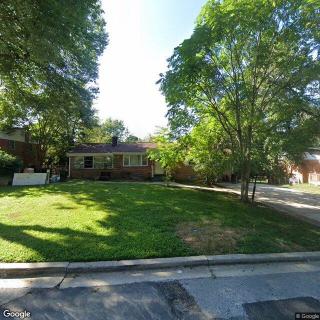
 When to Transition from Assisted Living to Memory Care: Key Indicators, Steps, and Finding the Right Community
 Assisted Living and Memory Care: Understanding Their Core Differences
 Beyond the Bingo Hall: 50+ Enriching Activities for Seniors in Assisted Living