
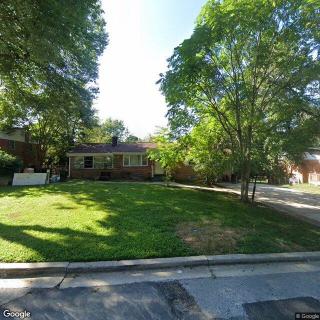
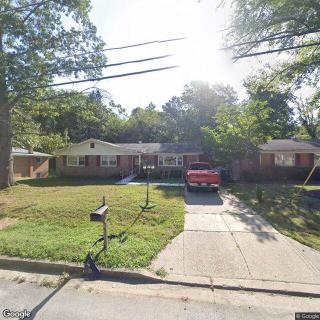
11316 Shirl Court, Clinton, MD 20735
For more information about senior living options: (866) 208-4318
Caring Hands Assisted Living Providers Costs & Pricing
Caring Hands Assisted Living Providers offer competitive pricing for their services, positioning themselves as a valuable option within the assisted living landscape of Prince George's County and Maryland overall. For a semi-private room, residents can expect a monthly cost of $3,500, which is slightly above the county's average of $3,058 but remains below the state average of $3,545. Conversely, for those seeking more privacy with a private room, Caring Hands charges $4,000 per month - this is modestly lower than Maryland's state average of $4,112 while being higher than the local county rate of $3,792. These figures suggest that while Caring Hands may be priced slightly above local averages for semi-private accommodations, they remain competitive for private rooms when considering the broader context of Maryland's assisted living market.
| Floor plans | Caring Hands Assisted Living Providers | Prince George's County | Maryland |
|---|---|---|---|
| Semi-Private | $3,500 | $3,058 | $3,545 |
| Private | $4,000 | $3,792 | $4,112 |
Assisted Living communities with a similar price nearby
-
from +$300 / mo

Montgomery Eldercare II
$3,800 to $5,000 / month24.6 miles away -
from +$300 / mo
A C E
$3,800 / month19.4 miles away -
About the same
Unique Care Assisted Living
$3,500 to $4,000 / month18.3 miles away -
from +$300 / mo
Good Samaritan I
$3,800 to $4,500 / month21.3 miles away -
from -$500 / mo
Elsie's Place
$3,000 to $3,500 / month15.2 miles away
Overall Review of Caring Hands Assisted Living Providers
Pros
 Caring Hands is praised for the cleanliness of the home.
- The staff are amazing and friendly.
- The staff are more than willing to satisfy both family members and residents.
- The reviewers would definitely recommend Caring Hands to others.
Review
Caring Hands Assisted Living Providers in Clinton, MD is best suited for families that prize a pristine, home-like atmosphere paired with genuinely attentive staff who prioritize both residents and family members. The community earns trust through a clean, well-kept setting and a team that greets tours with warmth and practicality. Residents who thrive in intimate, small-house environments will notice how caregivers remember names, routines, and preferences, creating a sense of belonging from day one. The strongest signal from the feedback is that the staff are consistently friendly, responsive, and willing to go the extra mile to satisfy both sides of the caregiving equation. In short, this is a setting where daily life feels comfortable, predictable, and human-centred.
Still, it is important to be precise about who may want to consider alternatives. Families with higher needs for medical oversight, complex care plans, or specialized programming, such as memory care, intensive rehab, or broad on-site therapies, may find other communities better aligned with those requirements. If a community-wide calendar of structured activities, diverse therapy options, or clearly defined tiers of care are non-negotiable, this option should be weighed against peers that publish those details upfront. Likewise, if budgeting clarity and transparent pricing, including potential add-ons, are critical decision drivers, more information will be needed before moving forward.
The core pros, cleanliness, a warm, home-like vibe, and staff who genuinely anticipate and respond to both resident and family needs, form a strong counterbalance to the lack of deeper, publicly shared programmatic information. A spotless environment reduces daily friction and promotes comfort, while a team that is described as “amazing” and a pleasure to interact with lowers the emotional and logistical burden on families during transitions. This combination also enhances peace of mind for relatives who fear that routine care could be neglected; when the staff signal reliability and kindness, many uncertainties about daily life are mitigated. Yet the absence of detailed data on care levels, activities, meals, and safety protocols means prospective residents must probe further to confirm alignment with medical and lifestyle expectations.
To translate impressions into a confident decision, prospective families should request specifics that reveal the community’s true capacity to meet individual care needs. Inquire about levels of care offered (assistance with activities of daily living, medication management, 24/7 on-site staff, and access to healthcare partners), and seek a written outline of a typical day. Ask for current staff-to-resident ratios, turnover rates, and the process for updating families about changes in health status or care plans. Request sample menus and activity calendars to gauge engagement opportunities, and discuss possibilities for trial stays or short-term arrangements to test compatibility. These details will clarify whether the warmth and cleanliness translate into the robust, reliable support required.
Ultimately, Caring Hands shines for families who want a trustworthy, clean, and personable setting where staff are eager to accommodate and reassure. It is a compelling choice for seniors whose primary needs are companionship, gentle daily routines, and a respectful, homey environment. For those whose priorities include extensive medical oversight, specialized memory care, or a broad spectrum of on-site services, alternatives with clearly defined care tiers and published metrics will likely serve better. The decision should rest on a precise match between the resident’s health needs and the community’s documented capabilities; when alignment is found, the recommendation is to move swiftly toward a formal tour and a test period to confirm the fit. In the right circumstances, Caring Hands offers a strong, practical path to safer, more comfortable living.
 5 resident community capacity
 Assisted Living
 Board and Care Home
 Activities on-site
 Cable or satellite TV
 Dining room
 Fully furnished
 Garden
 Housekeeping services
 Indoor common areas
 Move-in coordination
 Outdoor common areas
 Private
 Telephone
 Wheelchair accessible showers
 Wi-Fi/high-speed internet available
 Ronald Reagan Washington National (11 miles away)
 24-hour supervision
 Ambulatory care
 Assistance with bathing
 Assistance with dressing
 Assistance with transfers
 Diabetes diet
 Diabetic care
 High acuity care
 Incontinence care
 Meal preparation and service
 Medication management
 Special dietary restrictions
 Transportation arrangement (medical)
 Transportation to doctors appointments
 Understanding the True Cost of Assisted Living in 2025: A Comprehensive Guide
 Understanding Medicaid Coverage for Assisted Living: A Comprehensive Guide
 How and When Medicaid May Cover Assisted Living Costs