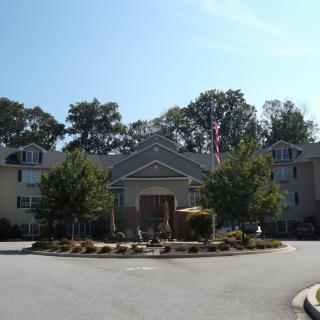
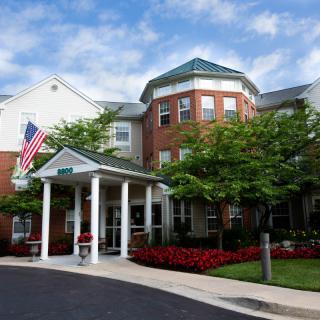
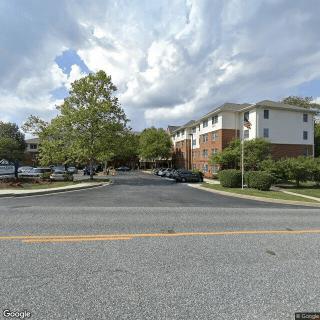
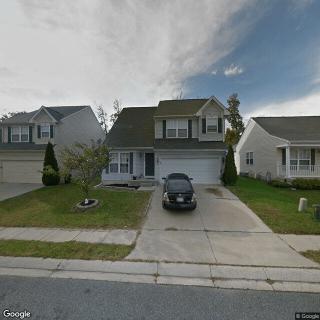
Churchville Meadows in Churchville, MD

211 Hopewell Road, Churchville, MD 21028

For more information about senior living options: (844) 490-3973

4.4 from 7 reviews
5 stars
6
4 stars
0
3 stars
0
2 stars
0
1 stars
1

Assisted Living Board and Care Home

Churchville Meadows Costs & Pricing

At Churchville Meadows, the monthly cost for a private room is set at $5,000, which is notably higher than the averages seen in both Harford County and the broader Maryland region. In Harford County, the average monthly rate for similar accommodations stands at $3,819, while across Maryland, it is approximately $4,112. This positions Churchville Meadows as a premium option within the local market, likely reflecting enhanced services or amenities that justify the elevated pricing. Prospective residents and their families may want to consider what additional value or unique offerings might accompany this higher cost when exploring their options.

Floor plansChurchville MeadowsHarford CountyMaryland
Private$5,000$3,819$4,112

What level of care are you interested in?

Assisted Living

Memory Care

Independent Living

Skilled Nursing Facility

Continuing Care Retirement Community (CCRC)CCRC

Other


Request a tour at Churchville Meadows

    Overall Review of Churchville Meadows

    Pros

    • pro The place is wonderful, with gardens growing fruit, vegetables, and flowers.
    • pro The owner, Theresa, is a nurse who cares tremendously.
    • pro The staff is very welcoming and kind.
    • pro The atmosphere is smaller, which helps residents build a family-like community.
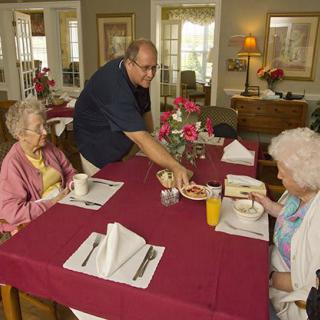
    • pro The meals are good, and healthy dishes are served.
    • pro Residents enjoy engaging activities, including trips to the movies.
    • pro It offers good value for money; what you get is great.

    Cons

    • pro They shouldn't waste their time or money on this place.
    • pro A phone call would reveal the truth about it.

    Review

    Churchville Meadows is best suited for seniors who want a small, home-like setting where care feels personal and hands-on. The community leans into a homelike atmosphere built around the hands-on attention of Theresa, the owner who is a nurse by training. The property features gardens producing fruit, vegetables, and flowers, which signals a slower, nurturing pace and opportunities for residents to engage with meaningful activities outdoors. This is not a large campus with a parade of amenities; it is a compact, intimate environment where residents can expect frequent interaction, a sense of belonging, and daily routines that feel like a tightly run household more than a clinical operation.

    Families considering alternatives should note that this is not the right fit for everyone. For seniors who require robust, formal medical oversight, highly structured memory care, or a large, bustling social calendar, larger communities with specialized staff and more visible clinical programs may be a better match. One reviewer's stark warning about wasting time and money points to potential gaps in transparency or communication that can leave families uneasy when first evaluating care. If dependable, highly documented processes, check-ins, and a broad slate of on-site services are non-negotiable, this may not be the optimum choice.

    The strongest pro set here centers on authentic care and a low-stress environment. The nurse-owner dynamic translates into frequent, attentive contact and a caregiving philosophy that feels grounded in medical know-how rather than purely transactional service. The small, family-like atmosphere helps residents build meaningful relationships, an outcome echoed by reports of residents feeling happy, content, and connected. Add to that a steady flow of activities - movies, outings, and a variety of in-house engagements - and the value equation shifts: residents are not merely housed, they are engaged, with new experiences that can enhance mood and daily purpose. The food, described as healthy and well-liked, supplements that sense of well-being, making the overall experience feel cohesive and affordable.

    To capitalize on what works, families should structure a visit around concrete questions and tests. Observe how communication feels when meeting Theresa and any frontline staff: is the pace, tone, and clarity reassuring? Request a sample activity calendar to gauge everyday life beyond a single visit. Taste-test meals or observe meal times to confirm consistency and nutrition. Inquire about how outings are organized, transportation options, and how medical needs, medications, and emergencies are handled day-to-day. Confirm what happens if a resident's needs intensify, and whether there is a clear roadmap for escalating care or coordinating with outside providers. This firsthand verification often reveals more than glossy brochures.

    In practical terms, Churchville Meadows excels for seniors who prize a tight-knit community, genuine caregiver involvement, and cost-conscious living without sacrificing warmth and daily engagement. It is a compelling choice for independent-minded elders who still want light assistance, regular social activity, and a kitchen that emphasizes healthier choices. Those who require more extensive clinical oversight, memory-care programming, or a more expansive lifestyle offering may find the advantages of a larger, more resource-rich community more aligned with their needs. The decision hinges on whether the resident's preference for intimacy and personal attention outweighs the desire for formalized care structures and scale. For the right match, a trusted, nurse-led, garden-fresh environment offers undeniable value and a strong sense of home.

    Features

    Housing

    • 2 resident community capacity 2 resident community capacity

    Types of Care

    • Assisted Living Assisted LivingAssisted living facilities provide crucial support and care for seniors who may need help with daily tasks such as medication management, bathing, and meal preparation. These communities offer a safe and comfortable environment where seniors can maintain their independence while receiving the assistance they need to thrive in their golden years.
    • Board and Care Home Board and Care HomeBoard and care homes provide a smaller, more intimate setting for seniors who require assistance with daily tasks but do not need the level of care offered by a nursing home. They offer personalized care, meals, and social activities in a homelike environment, ensuring that seniors receive individualized attention and support in their golden years.

    Pets

    • Cats allowed Cats allowed"Pet friendly" senior living communities are important for seniors because pets provide companionship, reduce feelings of loneliness and depression, promote physical activity and mental stimulation, and offer a sense of purpose and responsibility. Pets can improve overall well-being and quality of life for seniors in many ways.
    • Dogs allowed Dogs allowed"Pet friendly" senior living communities are important for seniors because pets provide companionship, reduce feelings of loneliness and depression, promote physical activity and mental stimulation, and offer a sense of purpose and responsibility. Pets can improve overall well-being and quality of life for seniors in many ways.

    Amenities

    • Cable or satellite TV Cable or satellite TVCable or satellite TV is important for seniors because it provides entertainment, news, and companionship, helping to combat loneliness and boredom. It also offers a wide range of programming options tailored to different interests and preferences.
    • Devotional services off-site Devotional services off-siteDevotional services off-site are important for seniors as they provide spiritual nourishment, social engagement, and a sense of community outside of the senior living facility. This can enhance overall well-being and help combat feelings of isolation and loneliness often experienced by older adults.
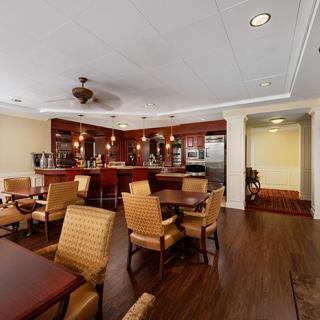
    • Dining room Dining roomDining rooms are important for seniors as they provide a space for socialization, connection, and nutritious meals. They offer opportunities for residents to bond over shared meals, foster a sense of community, and promote healthy eating habits. Dining rooms also ensure that seniors have access to well-balanced meals tailored to their dietary needs and preferences.
    • Fully furnished Fully furnishedFully furnished senior living communities are important for seniors because they provide convenience, comfort, and a hassle-free moving experience. Seniors can easily settle into their new living space without the stress of having to buy and move furniture. This allows them to focus on enjoying their new home and community.
    • Garden GardenGardens are important for seniors as they provide a peaceful and therapeutic environment for relaxation, physical activity, and socialization. Being in nature has been shown to reduce stress, improve mood, and promote overall well-being. Gardens also offer opportunities for seniors to engage in gardening activities, which can improve mobility, flexibility, and cognitive function. Additionally, gardens create a sense of community and connection with others who share a passion for plants and outdoor spaces.
    • Housekeeping services Housekeeping servicesHousekeeping services are important for seniors because they help maintain a clean and safe living environment, promote independence, and reduce the risk of accidents or illnesses. Additionally, having assistance with household chores can alleviate physical strain and allow seniors to focus on other aspects of their well-being.
    • Move-in coordination Move-in coordinationMove-in coordination is important for seniors because it helps ease the transition into their new living environment. It ensures that all logistics, such as packing, organizing movers, and setting up utilities are taken care of, allowing seniors to focus on settling in and adjusting to their new home. Having a smooth move-in process can alleviate stress and anxiety, making the transition smoother and more enjoyable for seniors.
    • Outdoor space Outdoor spaceOutdoor spaces are important for seniors as they provide opportunities for physical activity, social interaction, exposure to natural light and fresh air, and a sense of connection to nature. Having access to outdoor spaces can improve overall well-being and quality of life for older adults living in senior communities.
    • Private PrivatePrivacy is important for seniors as it allows them to maintain their independence, dignity, and sense of control over their own lives. It also gives them the space and freedom to relax, reflect, and engage in activities that bring them joy and fulfillment. Creating private spaces within senior living facilities is crucial for promoting overall well-being and quality of life.
    • Private bathrooms Private bathroomsPrivate bathrooms are important for seniors in senior living communities because they provide independence, dignity, and comfort. Having a private bathroom allows seniors to maintain their personal hygiene routines without the need for assistance, promoting a sense of autonomy and privacy. Additionally, private bathrooms help prevent the spread of infections and provide a safe and clean environment for seniors to navigate safely.
    • Telephone TelephoneTelephones are important for seniors as they provide a lifeline for communication with loved ones, emergency services, and healthcare providers. They offer a sense of security and independence, enabling seniors to stay connected and access assistance when needed.
    • Wi-Fi/high-speed internet available Wi-Fi/high-speed internet availableWi-Fi/high-speed internet is important for seniors to stay connected with loved ones, access online resources, and participate in virtual activities to combat feelings of loneliness and isolation. It also allows them to easily manage healthcare needs, access entertainment, and engage in lifelong learning opportunities.

    Care Services

    • 24-hour supervision 24-hour supervision24-hour supervision is important for seniors to ensure their safety, well-being, and access to immediate assistance in case of emergencies or health issues. This constant support provides peace of mind for both seniors and their loved ones, allowing them to age in place with dignity and security.
    • Activities of daily living assistance Activities of daily living assistanceActivities of daily living assistance are important for seniors because they provide essential support with tasks such as eating, bathing, dressing, and mobility. This assistance helps seniors maintain their independence, dignity, and overall quality of life as they age.
    • Ambulatory care Ambulatory care"Ambulatory care services provide essential medical support and treatment to seniors without requiring hospitalization, allowing them to maintain their independence and quality of life while managing chronic conditions or receiving routine medical care."
    • Assistance with bathing Assistance with bathingAssistance with bathing is crucial for seniors as it helps maintain personal hygiene, prevents infections, and ensures their overall well-being and comfort. It also provides a sense of dignity and independence for seniors who may struggle with this task on their own.
    • Assistance with dressing Assistance with dressingAssistance with dressing is important for seniors because it helps maintain their independence, promotes personal hygiene, prevents accidents and injuries, and improves overall quality of life. This service ensures that seniors can continue to dress comfortably and confidently, despite any physical limitations they may have.
    • Assistance with transfers Assistance with transfersAssistance with transfers is crucial for seniors as it helps prevent falls and injuries, maintains their independence, and ensures they can safely navigate their living environment. It also provides peace of mind for both seniors and their loved ones.
    • Coordination with health care providers Coordination with health care providersCoordination with health care providers is crucial for seniors to ensure proper medical care, medication management, and overall well-being. This collaboration helps prevent overlapping treatments, track progress more effectively, and provide comprehensive support tailored to individual needs.
    • Diabetes diet Diabetes dietA diabetes diet is crucial for seniors as it helps manage blood sugar levels, reduce risks of complications, and improve overall health and well-being. By following a balanced and nutritious diet tailored to their specific needs, seniors can better control their diabetes and enhance their quality of life.
    • Meal preparation and service Meal preparation and serviceMeal preparation and service are crucial for seniors as they may have limited mobility or energy to cook nutritious meals. Having access to healthy and convenient food options can ensure they are getting the proper nutrition needed to maintain their overall health and well-being.
    • Medication management Medication managementMedication management is crucial for seniors to ensure they are taking the right medications at the correct dosages and times. This helps prevent adverse drug interactions, reduces the risk of medication errors, and promotes overall health and well-being. Proactive management also allows for adjustments as needed based on changing health conditions or new prescriptions.
    • Special dietary restrictions Special dietary restrictionsSpecial dietary restrictions are important for seniors because age-related changes in metabolism and health conditions can make it difficult for their bodies to process certain foods. By following a diet tailored to their specific needs, seniors can maintain their overall health and well-being, manage chronic conditions, and reduce the risk of complications such as malnutrition or food interactions with medications.
    • Transportation arrangement (medical) Transportation arrangement (medical)Transportation arrangements for medical purposes are essential for seniors as they may have difficulty driving themselves to appointments or accessing public transportation. Having reliable and safe transportation options ensures that seniors can receive timely medical care and maintain their health and well-being.
    • Transportation to doctors appointments Transportation to doctors appointmentsTransportation to doctors' appointments is crucial for seniors as it ensures they have access to necessary medical care and support for their health needs. Without reliable transportation, seniors may struggle to attend important appointments, leading to potential delays in treatment and health complications. Providing transportation services helps seniors maintain their overall well-being and quality of life.

    Dining

    • Diabetes diet Diabetes dietA diabetes diet is crucial for seniors as it helps manage blood sugar levels, reduce risks of complications, and improve overall health and well-being. By following a balanced and nutritious diet tailored to their specific needs, seniors can better control their diabetes and enhance their quality of life.
    • Special dietary restrictions Special dietary restrictionsSpecial dietary restrictions are important for seniors because age-related changes in metabolism and health conditions can make it difficult for their bodies to process certain foods. By following a diet tailored to their specific needs, seniors can maintain their overall health and well-being, manage chronic conditions, and reduce the risk of complications such as malnutrition or food interactions with medications.

    Activities

    • Community-sponsored activities Community-sponsored activitiesCommunity-sponsored activities are important for seniors as they provide opportunities for social interaction, mental stimulation, and physical activity. These activities can help improve overall well-being, combat loneliness and isolation, and promote a sense of belonging and purpose among older adults.
    • Devotional activities offsite Devotional activities offsiteDevotional activities offsite are important for seniors because they provide social engagement, spiritual growth, and a sense of community outside of their living environment. This can improve overall well-being, mental health, and combat feelings of isolation or loneliness.
    • Scheduled daily activities Scheduled daily activitiesScheduled daily activities are important for seniors because they provide structure, socialization, mental stimulation, and physical activity. Engaging in regular activities can improve overall well-being and quality of life for seniors living in a community setting.

    Description

    Churchville Meadows in Churchville, MD is a warm and inviting assisted living community that offers exceptional care and comfortable living for seniors. Our board and care home provides personalized assistance with daily activities such as bathing, dressing, and transfers, ensuring that each resident receives the support they need while maintaining their independence.

    Our dedicated staff coordinates with health care providers to ensure comprehensive care for our residents, including medication management and diabetes diet assistance. We prioritize the well-being of our residents by offering special dietary restrictions options for meals prepared and served in our dining room.

    At Churchville Meadows, we believe in promoting an active lifestyle for our residents. Scheduled daily activities and devotional services off-site are available to engage residents socially and spiritually. In addition, our beautiful outdoor space and garden provide a tranquil setting for relaxation or enjoying nature.

    We understand the importance of maintaining connections to the community, which is why we offer transportation arrangements for medical appointments as well as easy access to nearby cafes, parks, pharmacies, physicians, restaurants, and other amenities.

    Residents at Churchville Meadows can enjoy fully furnished private rooms with private bathrooms equipped with telephone lines and Wi-Fi/high-speed internet for their convenience. Our housekeeping services ensure a clean and tidy living environment.

    We prioritize the comfort and satisfaction of each resident at Churchville Meadows. With move-in coordination provided, we strive to make the transition into our community as smooth as possible. Experience peace of mind knowing that your loved ones are receiving top-quality care in a compassionate environment at Churchville Meadows in Churchville, MD.

    Nearby Places of Interest

    Restaurants

    • Arctic Circle Restaurant (2.6 miles)
    • IHOP (3.3 miles)
    • Wendy's (3.4 miles)
    • Applebee's (3.4 miles)
    • McDonald's (3.4 miles)
    • Chick-Fil-A (3.5 miles)
    • The Greene Turtle (3.5 miles)

    Physicians

    • MyEyeDr (3.4 miles)
    • Physicians Pain Care (3.4 miles)
    • Mid-Atlantic Surgery Pavilion (3.5 miles)
    • Orsa Corporation (4 miles)
    • Kamrudin Mithani (5.4 miles)
    • Health Care For Children (5.5 miles)
    • Benjamin Yanchung Lee (5.7 miles)

    Pharmacies

    • Walgreens (3.4 miles)
    • Klein's Supermarkets (3.4 miles)
    • Johnson Family Pharmacy (4.5 miles)
    • Darlington Pharmacy (4.8 miles)
    • Rite Aid (5 miles)
    • CVS Pharmacy (5.1 miles)
    • Lyons Pharmacy (5.8 miles)

    Cafes

    • Starbucks (3.6 miles)

    Transportation

    • Aberdeen MARC/Amtrak Station (4.8 miles)

    Parks

    • Port Deposit Park (4.9 miles)
    • Millard Tydings Memorial Park (6 miles)
    • Colonial Acres Playground (7.4 miles)
    • Rockfield Park (8 miles)

    Hospitals

    • University of Maryland Harford Memorial Hospital: Emergency Room (5.9 miles)
    • MedStar Health at Bel Air Medical Campus (6.6 miles)
    • Upper Chesapeake Hospital (6.9 miles)
    • Upper Chesapeake Medical Center (7 miles)
    • Perry Point VA Medical Center (7.3 miles)
    • Open MRI & Imaging at Principio (7.9 miles)

    Frequently Asked Questions

    How much does it cost to live at Churchville Meadows in Churchville, MD?
    Where is Churchville Meadows?
    Does Churchville Meadows allow residents to have pets?

    Nearby Communities

    • Seeds of Compassion ALF

      Seeds of Compassion ALF

      Aberdeen, MD

      5 from 12 reviews
      $2,400 / month

      pro Warm, compassionate staff in a home-like setting that supports memory care.

    • Geneva's Place

      Geneva's Place

      Aberdeen, MD


      pro Comprehensive assisted living with diabetes-friendly dining, 24-hour oversight, and engaging daily activities in a convenient Aberdeen location.

    • Being There Senior Care of Harford County

      Being There Senior Care of Harford County

      Churchville, MD

      3.3 from 7 reviews
       

      pro Warm, welcoming environment with round?the?clock compassionate care and engaging activities.

    • Covenant Care Assisted Living

      Covenant Care Assisted Living

      Aberdeen, MD


      pro Fully furnished, personalized care with comprehensive services (ADL assistance, medication management), meals, and transportation.

    • Dacota Paradise Assisted Living

      Dacota Paradise Assisted Living

      Aberdeen, MD

      5 from 10 reviews
       

      pro Personalized, around-the-clock care in a small board-and-care setting.

    • The Dacota

      The Dacota

      Aberdeen, MD


      pro Small, personalized care with 24-hour supervision and comprehensive support.

    • Jacob's Well Assisted Living Home

      Jacob's Well Assisted Living Home

      Bel Air, MD

      3.5 from 28 reviews
       

      pro Beautiful grounds and a warm, home-like atmosphere with attentive staff and good meals.

    • Park View at Box Hill

      Park View at Box Hill

      Abingdon, MD

      3.5 from 15 reviews
      $970 to $1,165 / month

      pro Friendly community with active activities, compassionate staff, and affordable 1- and 2-bedroom options.

    • Maric Care Service Inc.

      Maric Care Service Inc.

      Edgewood, MD


      pro Great proximity to pharmacies, physicians, restaurants, theaters, and hospitals.

    Related Resources

    • activities of daily livingComprehensive Insights into Activities of Daily Living (ADLs) and Their Assessment

      Activities of Daily Living (ADLs) are fundamental tasks vital for an individual's independence, particularly in older adults over 85, and include functions like bathing and dressing; assessing ADLs alongside Instrumental Activities of Daily Living (IADLs) helps determine the level of required assistance due to age-related health challenges. Tailored support plans, involving family and community resources, are essential for maintaining dignity and autonomy in assisted living environments.

    • elderly parent refuses assisted livingGuiding Elderly Parents Who Refuse Assisted Living: 6 Practical Steps

      Family caregivers face emotional, legal, and practical challenges when elderly parents refuse assisted living, often due to fears of losing autonomy. Open conversations and professional assessments can help address these concerns while exploring alternatives and ensuring safety, potentially leading to legal guardianship if necessary.

    • luxury assisted livingYour Comprehensive Guide to Luxury Assisted Living: Elevated Facilities, Amenities, and Costs

      Luxury assisted living offers high-quality senior care in a resort-like environment that combines essential medical support, gourmet dining, and personalized services to enhance residents' independence and well-being. These upscale facilities emphasize holistic health and community-building through customized care plans and social activities, catering to the growing demand for enriched senior living experiences despite higher costs.


    Get Pricing Ask A Question Schedule A Tour Contact Senior Advisor