
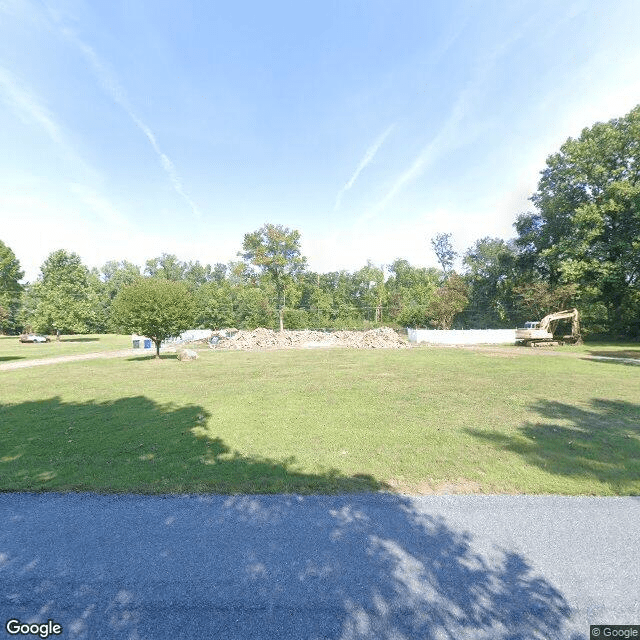
1317 N Stepney Rd, Aberdeen, MD 21001
To contact a resident: (410) 734-6359
For more information about senior living options: (866) 208-4318
Seeds of Compassion ALF Costs & Pricing
At Seeds of Compassion Assisted Living Facility (ALF), the monthly cost for a private room is $2,400, which represents a competitive and attractive option compared to both Harford County and the broader state of Maryland. In Harford County, the average monthly rate for a similar private room is approximately $3,819, while across Maryland, that figure increases to around $4,112. This significant price difference not only underscores Seeds of Compassion's commitment to affordability but also highlights its value proposition in providing quality care without compromising on service. Families seeking supportive living arrangements will find Seeds of Compassion offers a financially accessible alternative that prioritizes resident well-being.
| Floor plans | Seeds of Compassion ALF | Harford County | Maryland |
|---|---|---|---|
| Private | $2,400 | $3,819 | $4,112 |
Senior living communities with a similar price nearby
-
from -$400 / mo

Young at Heart Assisted Living
$2,000 to $2,500 / month8.3 miles away -
from +$300 / mo
Angels Among Us
$2,700 to $7,000 / month13.4 miles away -
from -$442 / mo

Glen Meadows
$1,958 to $3,220 / month17.0 miles away -
from +$400 / mo

Manor Care Health Services - Ruxton
$2,800 to $3,200 / month23.7 miles away -
from +$100 / mo

Nichols Senior Care
$2,500 / month9.3 miles away
Overall Review of Seeds of Compassion ALF
Pros
 The staff at Dacota Assisted Living is wonderful and genuinely cares about the residents, providing care with compassion and empathy.
- They communicate excellently with families, giving peace of mind that loved ones are well taken care of.
- The home has a warm and loving feel, with residents who are like friends and family to each other.
- The staff get to know each resident well and tailor care to what works best, including dementia care needs.
- Mark and the staff treat residents with love and respect and can spot and promptly handle any issues.
- Homemade meals are prepared every day.
- The owner and staff are very caring and attentive to every resident.
- The house is cozy and festively decorated for holidays, with residents kept clean and comfortable.
- The home feels like a family-like place that treats residents as part of a caring community.
Review
Seeds of Compassion ALF in Aberdeen is best suited for families seeking a small, intimate, home‑like setting where memory‑care needs are met with genuine warmth and highly personalized attention. The community’s hallmark is a tight-knit atmosphere: a ten‑resident home, cozy decor, and a staff that feels more like an extended family than a formal care team. Families pursuing peace of mind through visible caregiver relationships will find comfort here, because staff members are described as loving, patient, and consistently present. The environment promotes safety, with residents who feel “like family” and caregivers who know each person’s routines, triggers, and preferences. For seniors who prize homemade meals, frequent daily interaction, and open, unhurried visits, this is a particularly strong match.
That said, alternatives should be considered for those with very high medical needs or a desire for a larger, more program-driven campus. If a resident requires intensive nursing oversight, extensive rehabilitation services, or a broad range of on‑site amenities and activities, a bigger assisted living or a memory‑care community may better align with those requirements. The reviews convey a sense of a small, caregiver‑driven operation rather than a full‑scale medical complex, which implies that residents needing frequent professional medical interventions beyond what a small team can reliably provide might want to explore other options. Families balancing accessibility, variety of programming, and crisis responsiveness may opt for a facility with broader medical resources.
The core strengths of Seeds of Compassion appear in the daily caregiving philosophy. The staff is repeatedly described as wonderful, compassionate, and attentive to every resident. The owner’s hands‑on approach, paired with a small team that knows each person well, enables quick recognition of changes in health or mood and prompts timely responses. Communication with families is cited as excellent, delivering peace of mind through regular updates and open lines of contact. Residents benefit from homemade meals, a clean and cozy living space, and a festive, welcoming ambiance that reinforces a sense of belonging. For memory‑care needs, caregivers are praised for tailoring routines to individuals and maintaining a sense of dignity and continuity.
The favorable attributes do not exist in a vacuum; they offset the natural limits of a small operation. The intimate staff‑to‑resident ratio means issues are spotted early and addressed with a high degree of familiarity. The same closeness that feels protective can reduce the feeling of anonymity common in larger communities, which translates into safer daily living and more precise care plans for dementia or memory concerns. The downside, less formalized medical oversight and potentially fewer specialized services, slides into a workable trade‑off because the personnel’s attentiveness and consistent presence deliver a level of reassurance that larger facilities often struggle to match. In short, the strengths of a personal, home‑like setting counterbalance the absence of a broad care menu.
Another strong point is the practical, visitable nature of the community. Families can drop in at almost any time, and the environment remains relaxed and welcoming, not sterile or impersonal. Cleanliness, resident attire, and the overall upkeep are repeatedly affirmed, reinforcing confidence that daily living is orderly and well‑regulated. The anecdotes around hospice care and memory‑care experiences underscore a capacity for compassionate, “beyond‑the‑call” care when needed. The combination of in‑house meals, familiar faces, and a comforting atmosphere makes the setting appealing for seniors who value predictability, emotional safety, and consistent, relational caregiving over a more clinical, event‑driven experience.
Ultimately, Seeds of Compassion ALF represents a thoughtful, well‑fitted choice for families prioritizing intimate, relationship‑driven care within a home‑like framework. It excels for residents who thrive on personal connections, predictable routines, and strong day‑to‑day supervision from a devoted staff and owner. For families whose priorities include large‑scale activities, expansive medical services, or highly specialized nursing staffing, alternatives with broader resources may serve better. Visiting in person will clarify fit: observe the pace of daily life, the staff’s familiarity with each resident, and how well the space supports the resident’s current and anticipated needs. The decision should hinge on whether warmth and individualized attention trump the appeal of a larger, more resource‑rich setting.
 Cats allowed
 Dogs allowed
 Activities off-site
 Bath tubs
 Beautician on-site
 Devotional services off-site
 Indoor common areas
 Outdoor common areas
 Private bathrooms
 Respite or short term stays offered
 Wheelchair accessible showers
 Diabetic care
 High acuity care
 Incontinence care
 Medication management
 Meals provided
 Home Health Care Demystified: A Comprehensive Guide for Families and Caregivers
 Seniors and Modern Transportation: Exploring Uber, Lyft, and Other Ride-Hailing Options
 Comprehensive Guide to Qualifying for Home Health Care Services