
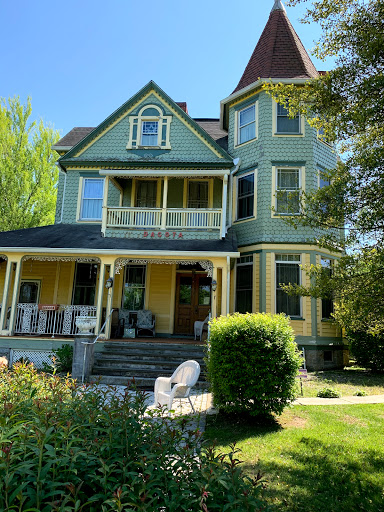
468 West Bel Air Avenue, Aberdeen, MD 21001
For more information about senior living options: (866) 208-4318

Overall Review of The Dacota
Pros
 The staff at Dacota Assisted Living is wonderful, caring, and genuinely compassionate.
- The home offers a warm, cozy, family-like atmosphere where residents are treated as family.
- The staff know each resident well and provide individualized care tailored to their needs.
- Families have peace of mind thanks to excellent communication and attentive care.
- The facility is clean, neat, and homey, with homemade meals provided every day.
- The owner and staff are loving, respectful, and attentive to every resident.
- Residents feel safe, content, and well cared for in a small, personable setting.
- The community feels like a close-knit family, with staff and residents forming strong bonds.
Review
This community is best suited for families seeking a true home-like, intimate assisted-living experience where a loved one can get remarkably hands-on, compassionate care in a small, clearly intimate setting. The Dacota functions with about 10 residents, creating a warm, familial atmosphere where staff know each resident well, notice changes quickly, and tailor care to individual rhythms. It is especially appealing for seniors who benefit from constant personal attention, dementia-appropriate routines, and meals that feel home-cooked rather than institutional. For families prioritizing easy, uninterrupted access to their loved one, the ability to stop in at any time without notice, and peace of mind from close daily contact with caregivers, this is an excellent match.
Those considering alternatives should note that a small, deeply personalized home like The Dacota may not be the right fit for every situation. Families needing a broad menu of on-site therapies, extensive recreational programming, or rigorous medical oversight might find larger communities with more staff, more specialized departments, and more transportation options preferable. If a resident requires high-acuity medical care, complex rehabilitation, or a wider array of structured activities and outings, another facility with greater scale could better meet those demands. In short, the appeal here is the intimacy and attentiveness; the trade-off is the breadth of services and options.
The strongest pros center on care that feels almost familial in its consistency and heart. Staff are described as loving, kind, and genuinely dedicated, with owners who live the mission and stay engaged with residents’ daily lives. Because the home is small, every caregiver can monitor both physical and cognitive changes with speed and precision, allowing issues to be addressed promptly. The environment consistently emphasizes dignity and respect, with residents kept clean, comfortably dressed, and well-fed on homemade meals. The sense of safety and belonging, residents becoming like family to one another, contributes significantly to emotional well-being, which is a crucial ingredient for quality of life in assisted living.
The few potential drawbacks are largely a matter of scale rather than a criticism of care. A smaller operation inherently offers fewer built-in social programs, fewer simultaneous activities, and less redundancy in staffing at a glance. For families seeking constant, varied programming, or ongoing access to an on-site medical team with a wide range of specialists, this setting may feel limited. The reviews do not highlight operational lapses, yet the practical implication of a 10-resident house is a tighter calendar and fewer unique social avenues compared with larger campuses.
These advantages effectively offset the trade-offs for many families, because the overriding need, trustworthy, attentive, hands-on care in a loving environment, meets almost every expectation. The intimate size translates into meticulous monitoring, rapid response to both medical and behavioral needs, and a comforting continuity of familiar faces. The homey atmosphere, the consistent homemade meals, and the observable pride in cleanliness and decor create a reassuring backdrop for daily living, especially for residents with memory challenges or end-of-life needs. The ability to visit freely and the personal warmth of the staff amplify that sense of security, making it easier for families to entrust daily caregiving to the team.
Bottom line: The Dacota is a strong recommendation for families prioritizing a deeply personal, low-traffic home setting where care feels more like family than facility. It excels for dementia care, hospice scenarios, and residents who thrive on routine, warmth, and direct access to caregivers who truly know their histories. It may be less compelling for those who require a broader spectrum of medical services, highly active social calendars, or large-scale amenities. Prospective families should plan a visit with questions about care planning, staff-to-resident ratios, and opportunities to observe daily routines and meal service. If those align with the loved one’s needs, The Dacota offers a compelling, confidently managed path to dignified, cherished daily living.
 10 resident community capacity
 Assisted Living
 Board and Care Home
 Cable or satellite TV
 Dining room
 Fully furnished
 Garden
 Housekeeping services
 Move-in coordination
 Outdoor space
 Telephone
 Wi-Fi/high-speed internet available
 24-hour supervision
 Activities of daily living assistance
 Assistance with bathing
 Assistance with dressing
 Assistance with transfers
 Diabetes diet
 Meal preparation and service
 Medication management
 Special dietary restrictions
 Transportation arrangement (medical)
 Transportation to doctors appointments



 Senior Transition Services: Understanding Their Role, Cost, and Importance
 Exploring the Path to Senior Living: A Comprehensive Look at Independent Living and Assisted Living
 Is Assisted Living Deductible on Your Taxes? Understanding the Complexities of Assisted Living Expenses and Deductions