
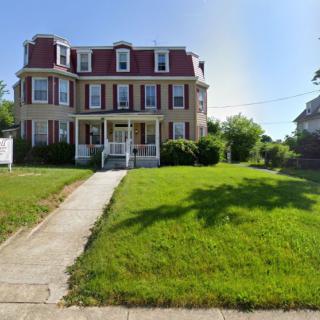
452 West Bel Air Avenue, Aberdeen, MD 21001
For more information about senior living options: (866) 208-4318
Overall Review of Hummingbird Manor Assisted Living Inn
Pros
 The staff are wonderful and genuinely care for residents with compassion and empathy.
- The facility provides excellent communication with families, giving peace of mind about care.
- The home has a warm, loving atmosphere where residents feel like family.
- The staff know each resident well and tailor care to individual needs.
- Meals are homemade every day, prepared nutritiously.
- The owner and staff treat residents with love and respect.
- The small size helps staff spot issues promptly and provide attentive care.
- The environment is cozy and festively decorated for holidays.
- Residents are kept clean, well dressed, and well cared for in a tidy setting.
- Visitors can stop by anytime without needing to call ahead.
Review
This community is best suited for seniors who thrive in a small, home-like atmosphere with deeply personalized care. The feedback portrays a ten-resident setting in Aberdeen where staff know each resident well and deliver care with genuine compassion, steady communication, and a practical, safety-minded approach. Families report peace of mind knowing caregivers understand dementia-related needs and can tailor routines accordingly. The “family feel” is more than sentiment, it translates into quick issue spotting, predictable daily rhythms, and meaningful social connections among residents. For a loved one who benefits from familiar faces, consistent routines, and a strong sense of belonging, this intimate model delivers tangible emotional and practical value.
Those considering alternatives should note that this kind of setting may not be ideal for families seeking broad social programming, abundant on-site amenities, or hospital-level medical oversight. The small house format emphasizes intimacy over spectacle, which can mean fewer organized activities, outings, or formal programming than a larger community offers. Families must confirm the extent of on-call medical support and how physicians’ orders are implemented day-to-day. While the environment feels nurturing, the trade-off is a lighter formal care structure. If a robust activity calendar and extensive medical staffing are priorities, other options may better meet those expectations.
Key advantages center on personalized attention and a consistently attentive caregiving team. With a limit of roughly 10 residents, staff can monitor health changes promptly, adapt care plans quickly, and engage residents in routines that reflect individual preferences. Home-cooked meals every day, a clean and welcoming environment, and a festive, homey atmosphere contribute substantially to comfort and dignity. Family members consistently praise open, non-intrusive communication and the ability to visit without dialing ahead. The main trade-off is the intimate scale itself: social options can be limited and medical resources leaner than in larger facilities. Yet the depth of relationships and daily reliability often outweigh these gaps for those who value security and belonging.
To decide wisely, practical due diligence is essential. Inquire about total resident capacity, current staff-to-resident ratios per shift, and who coordinates medical needs and medication administration. Ask how dietary requirements are accommodated beyond general menus and whether a licensed nurse is on site or on call. Explore how care plans are developed with family input, how frequently they are revised, and how emergencies are managed after hours. Observe staff interactions during a visit for signs of patience, attentiveness, and cognizant oversight. Confirm visitation policies and the degree of family involvement, which is frequently highlighted as a strength. Request recent references and a guided tour to assess whether the home-like environment truly aligns with promised warmth.
On balance, this model is a compelling choice for families prioritizing safety, predictable routines, and emotional security. The best-fit resident is someone who cherishes a close-knit community, values homemade meals, and trusts staff who know their history and preferences. For seniors who feel neglected or overwhelmed in impersonal, large settings, the reassurance of daily, individualized attention can be decisive. Those seeking a richer social calendar or more on-site medical services should explore larger, resource-rich options. The authenticity of care, the consistency of staff, the cleanliness, and the pervasive sense of home, often outweighs the absence of glossy amenities. The decision hinges on choosing a place where care feels personal, dependable, and deeply human.
In conclusion, the strongest recommendation goes to families seeking a sanctuary-like residence where residents are treated as individuals and caregivers communicate openly. The small size translates into tangible peace of mind: rapid problem-solving, genuine warmth, and daily routines that honor dignity and independence. The people and culture described in these experiences create an environment that can ease transitions and sustain autonomy for someone navigating cognitive or physical limitations. Prospective buyers should prioritize an in-person visit to assess compatibility with the loved one’s temperament and needs, and confirm that the on-site team can adapt as those needs evolve. If warmth, trust, and personalized attention matter most, this intimate Aberdeen option stands out among available choices.
 15 resident community capacity
 Assisted Living
 Board and Care Home
 Cable or satellite TV
 Dining room
 Fully furnished
 Garden
 Housekeeping services
 Move-in coordination
 Outdoor space
 Telephone
 Wi-Fi/high-speed internet available
 24-hour supervision
 Activities of daily living assistance
 Assistance with bathing
 Assistance with dressing
 Assistance with transfers
 Diabetes diet
 Meal preparation and service
 Medication management
 Special dietary restrictions
 Transportation arrangement (medical)
 Transportation to doctors appointments



 Is Assisted Living Deductible on Your Taxes? Understanding the Complexities of Assisted Living Expenses and Deductions
 Assisted Living Support for Veterans: A Complete and Detailed Overview
 Exploring the Contrasts Between Assisted Living and Skilled Nursing