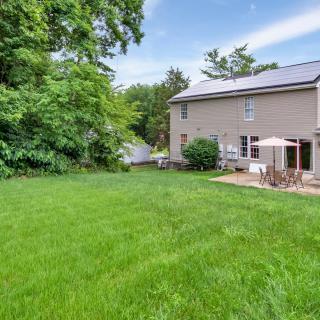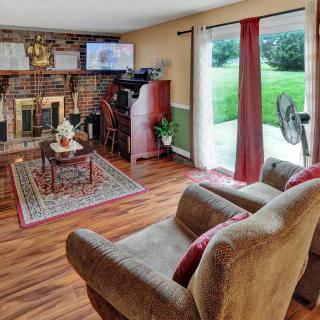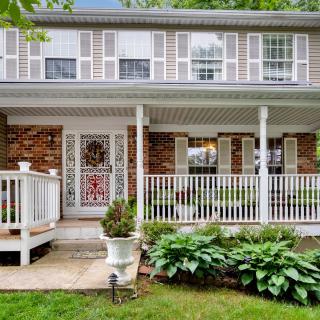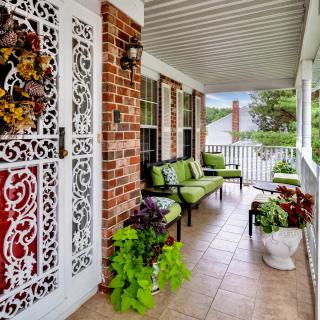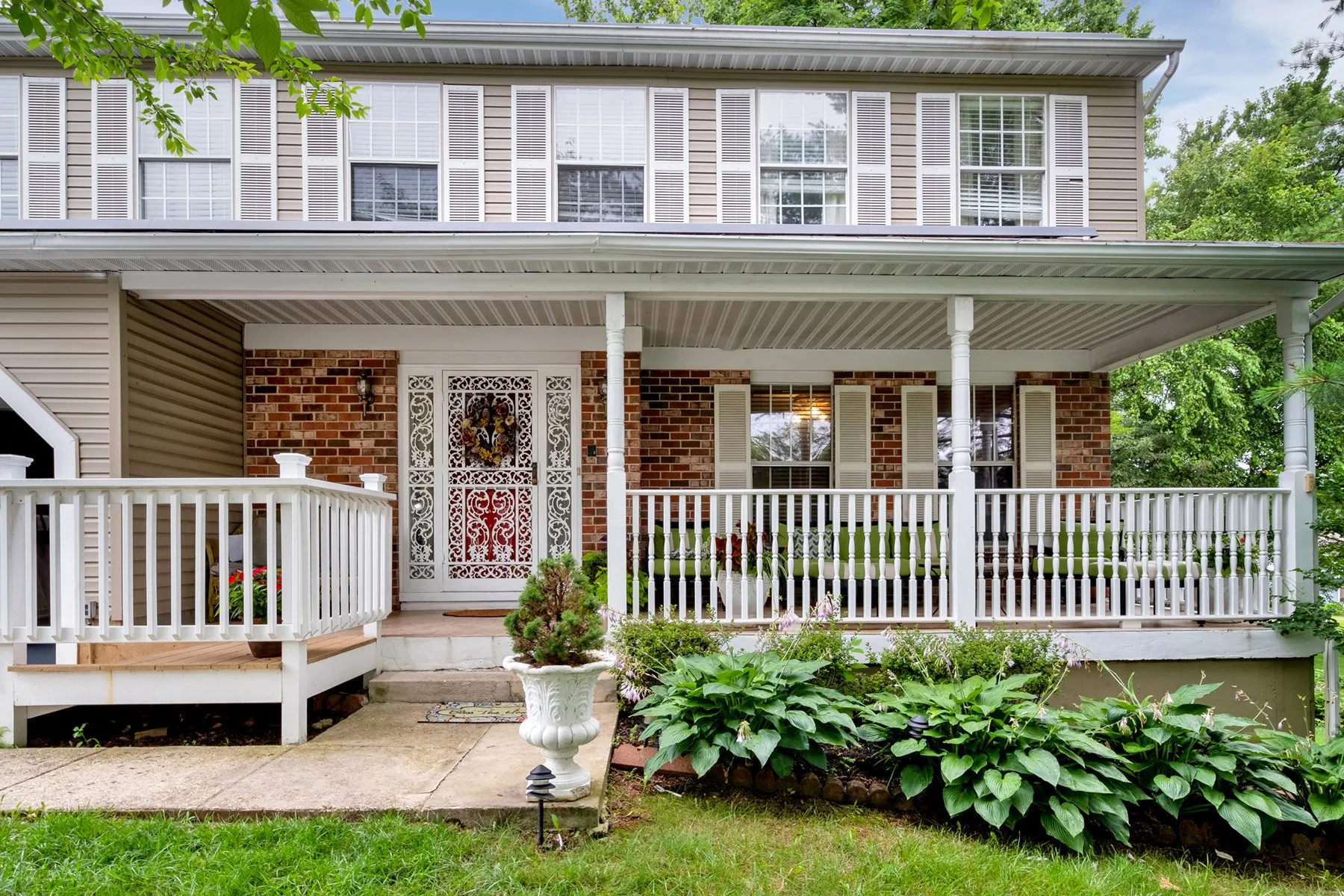
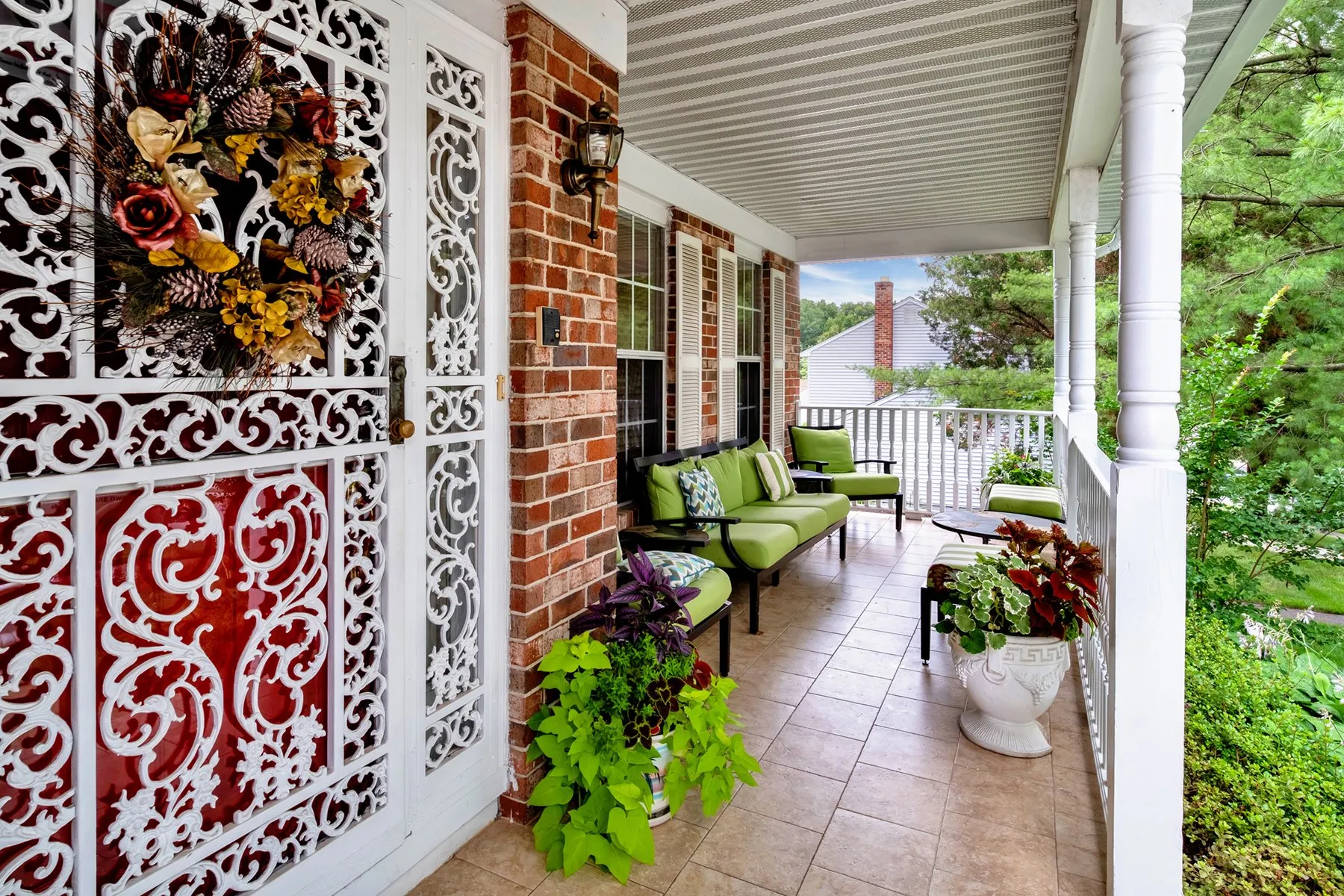
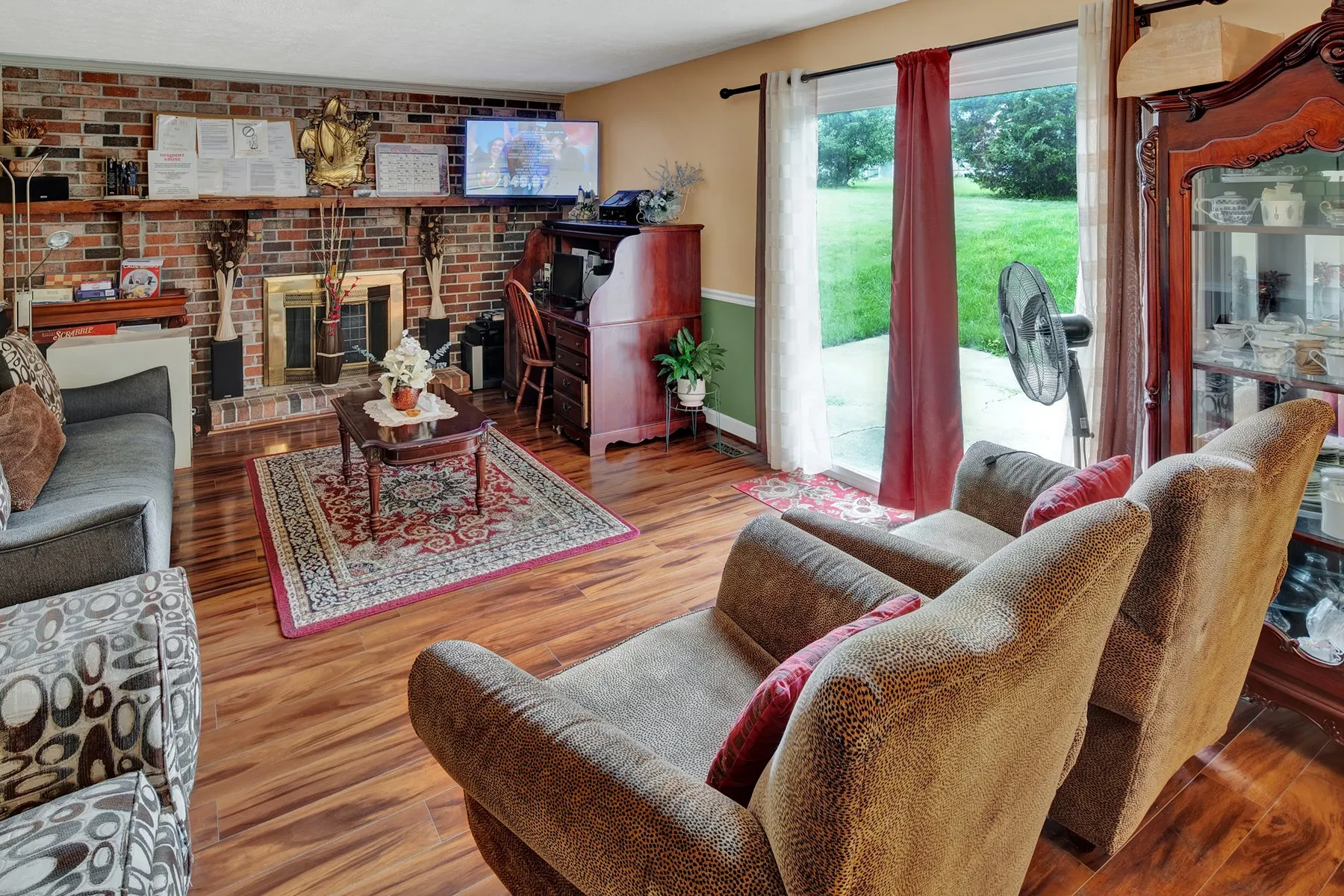
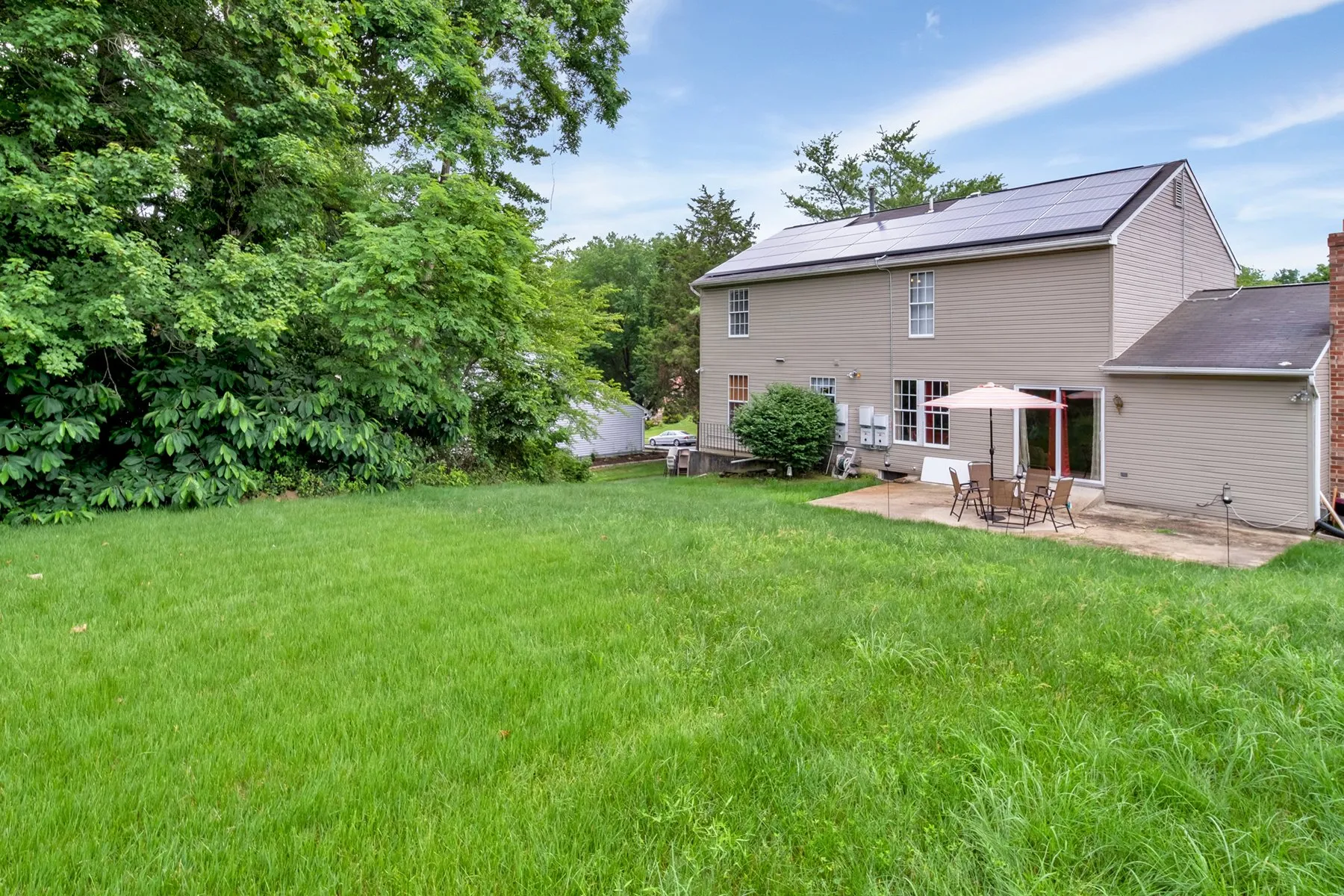
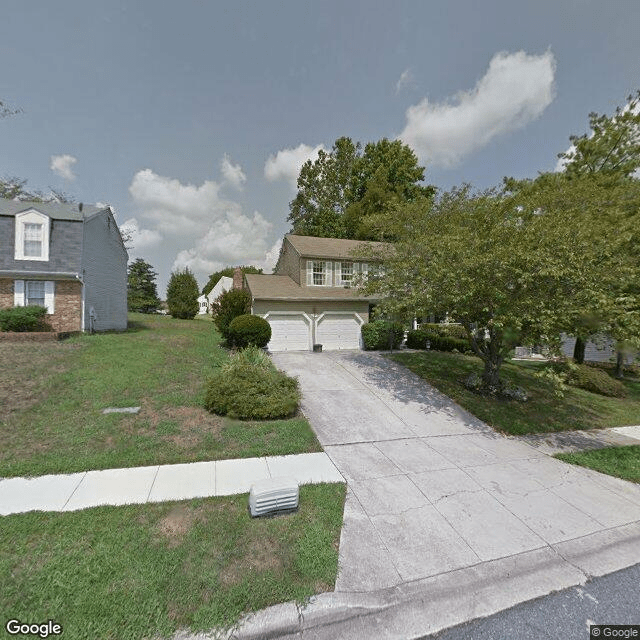
804 Cypress Point Circle, Mitchellville, MD 20721
For more information about senior living options: (866) 208-4318
Springtime Home IV Costs & Pricing
Springtime Home IV presents a competitive pricing structure for its room types when compared to the broader market in Prince George's County and the state of Maryland. For instance, the semi-private rooms are offered at $2,800 per month, which is notably lower than the county average of $3,058 and the state average of $3,545. Similarly, the studio accommodations are priced at $3,500, well below both Prince George's County's average of $4,428 and Maryland's average of $4,656. Private rooms also reflect this trend, with Springtime Home IV charging $3,500 compared to county and state averages of $3,792 and $4,112 respectively. Overall, Springtime Home IV not only provides appealing living arrangements but does so with a pricing strategy that offers significant savings relative to regional standards.
| Floor plans | Springtime Home IV | Prince George's County | Maryland |
|---|---|---|---|
| Semi-Private | $2,800 | $3,058 | $3,545 |
| Studio | $3,500 | $4,428 | $4,656 |
| Private | $3,500 | $3,792 | $4,112 |
Memory care communities with a similar price nearby
-
from -$300 / mo

Amazing Grace Senior Care
$2,500 to $3,000 / month5.2 miles away -
from -$330 / mo
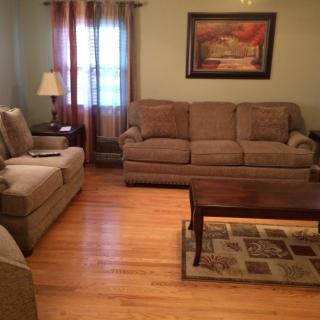
Ovalstone Comfort Home
$2,470 to $3,300 / month7.5 miles away -
from +$550 / mo

Paul Spring Retirement Community
$3,350 to $7,180 / month16.7 miles away -
from +$200 / mo
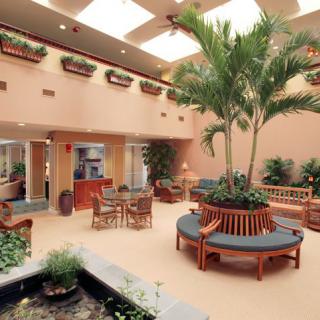
Residences at Vantage Point CCRC
$3,000 to $4,709 / month22.3 miles away -
from +$200 / mo
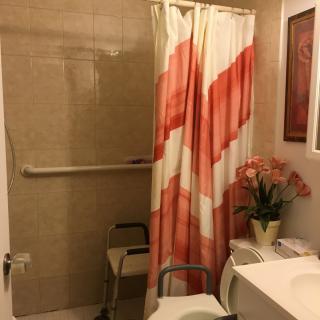
Elder Estates, LLC
$3,000 to $3,250 / month6.1 miles away
Overall Review of Springtime Home IV
Pros
 The reviewer experienced excellent care, knowledge, and professionalism at the facility.
- The facility is very clean and the staff are friendly, with lots of activities.
- It feels like a home away from home, with excellent care from professional staff including a board-certified physician and on-call RNs 24/7.
- A prospective resident’s mother found a one-bedroom she really liked; it was clean and nice, Ron was very kind and answered all questions, and the smaller community allows more one-on-one time to get to know residents.
- It is nice for a semi-private bed resident who appreciates quiet.
Review
Springtime Home IV in Mitchellville is best suited for seniors who prize a home-like atmosphere paired with strong medical oversight and highly personalized attention. The community’s strengths lean toward a clean, calm environment where staff are described as friendly and professional, and where a robust activity calendar keeps residents engaged without the chaos of a large campus. It serves residents who value intimate, one-on-one interaction with caregivers and clinicians, including access to a board-certified physician and registered nurses on call around the clock. For families, this translates into reliable oversight and a sense that a resident’s needs will be understood and addressed with care rather than mere routine.
Those who should consider alternatives are individuals seeking a bustling, high-energy senior living scene with dozens of peers and a broad assortment of amenities. The reviews emphasize a smaller community with fewer residents, which naturally limits the scale of social opportunities and the variety of on-site activities. Prospective residents with higher-acuity needs, specialized memory care, or a desire for multiple apartment layouts and spacious common areas may find a bigger campus more suitable. Availability of units, particularly one-bedroom configurations, can also shape the decision, so immediacy matters.
On balance, the positives are concrete and well-supported by the experiences shared. Care is portrayed as excellent, with knowledge and professionalism that residents can rely on; the staff’s warmth enhances daily life and reduces stress for families. Cleanliness is repeatedly noted, and the facility’s maintenance supports a dignified living environment. The presence of a board-certified physician and 24/7 RN coverage means medical concerns receive timely attention, a critical factor for families with ongoing care needs. An active program of activities further helps residents stay engaged, providing structure without sacrificing the sense of a comfortable, homey setting.
These strengths offset the main trade-off of size. A smaller community translates into more frequent, meaningful interactions, the kind of one-on-one time that can make care feel personal rather than transactional. With fewer residents, staff can tailor routines, monitor health, and adjust plans quickly. The medical oversight complements the intimate setting, so families do not have to choose between social opportunities and clinical reliability. In short, the combination of attentive care, responsive clinicians, and a home-like milieu creates a compelling balance for those prioritizing quality over quantity.
Still, it is wise to verify a few practical details before committing. Confirm current availability of unit types and the pace at which new residents are admitted. Inquire about the calendar of activities to ensure it aligns with personal interests, and ask how the calendar scales for quieter residents who value downtime as much as socializing. Request an introduction to the caregiving team and, if possible, a tour of the facility to experience the atmosphere personally. Discuss pricing, included services, and what happens if care needs escalate; the documented on-call medical support is strong, but clarity on escalation paths matters.
Overall, Springtime Home IV is a strong match for seniors who want dependable medical oversight, a respectful, home-like setting, and targeted, individualized attention in a smaller community. The trade-off, less social bustle and fewer housing options, will be worthwhile for families prioritizing peace of mind and hands-on care. For those who crave a livelier campus, or require a broader continuum of care and newer amenities, alternatives with larger populations deserve consideration. When the choice hinges on daily reliability, compassionate staff, and a quiet but engaged lifestyle, this community stands out as a prudent, practical option.
 8 resident community capacity
 Assisted Living
 Board and Care Home
 Memory Care
 Cable or satellite TV
 Dining room
 Fully furnished
 Garden
 Housekeeping services
 Move-in coordination
 Outdoor space
 Private
 Private bathrooms
 Telephone
 Wi-Fi/high-speed internet available
 Ronald Reagan Washington National (13 miles away)
 24-hour supervision
 Activities of daily living assistance
 Assistance with bathing
 Assistance with dressing
 Assistance with transfers
 Diabetes diet
 Diabetic care
 High acuity care
 Meal preparation and service
 Medication management
 Special dietary restrictions
 Transportation arrangement (medical)
 Transportation to doctors appointments
 Christian services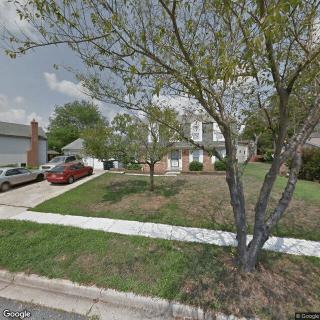




 Estimating the Expenses of At-Home Dementia Care: A Detailed Exploration
 Comprehensive Insights on the Late Stages of Dementia: What to Expect and How to Provide Care
 Medications Associated with Dementia Risk: A Comprehensive Overview