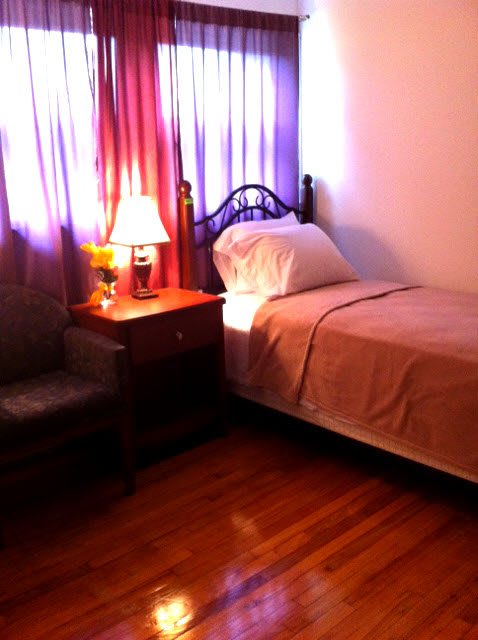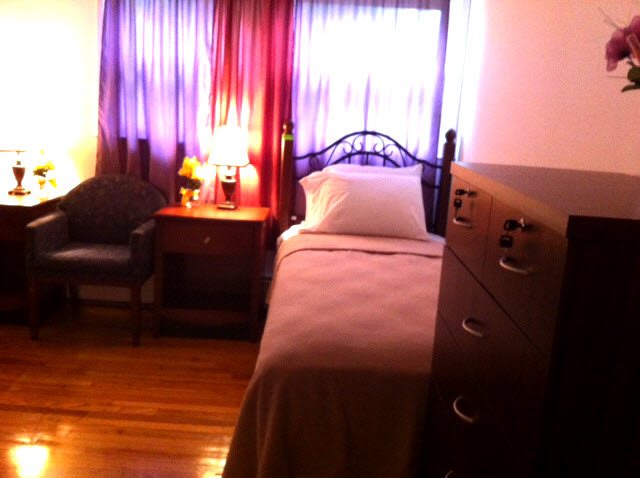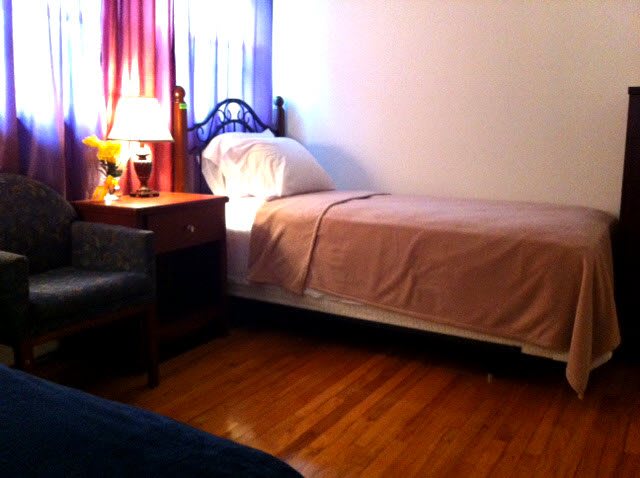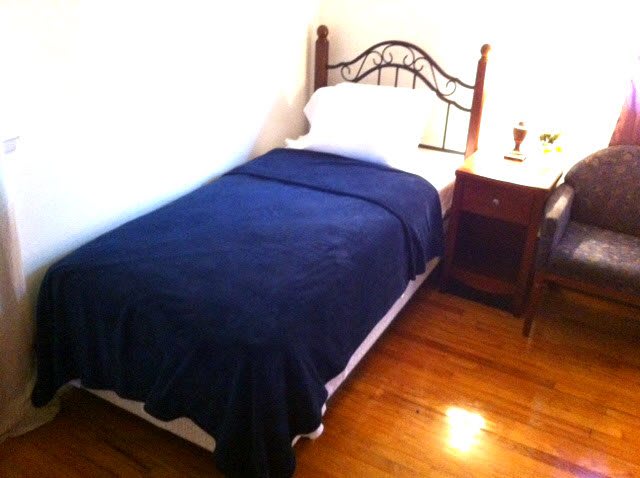
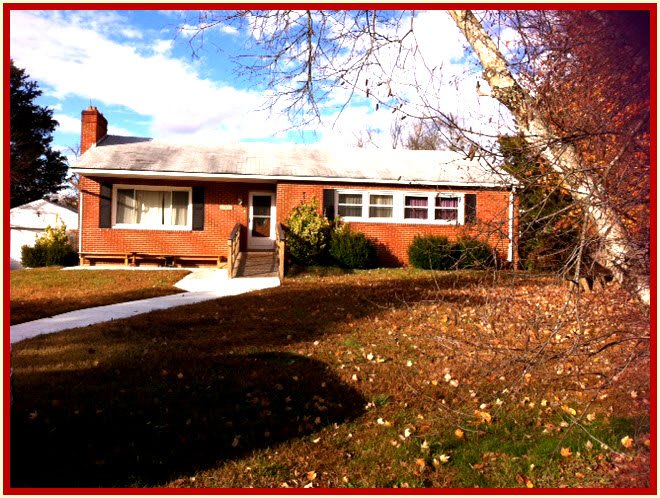


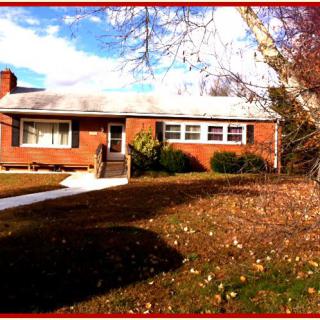

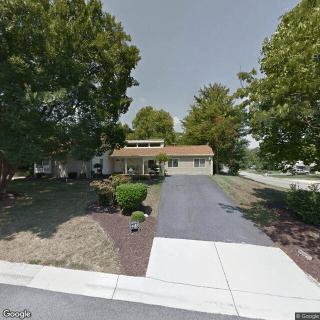
15400 Mount Oak Road, Bowie, MD 20716
For more information about senior living options: (866) 208-4318
HMG Assisted Living Home Costs & Pricing
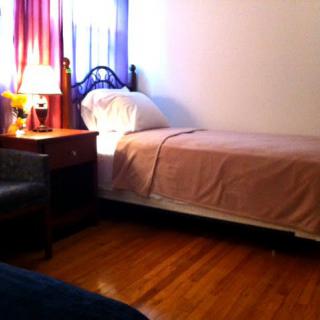
HMG Assisted Living Home offers a variety of accommodation options at competitive pricing compared to both Prince George's County and the broader Maryland state averages. The cost for their semi-private rooms stands at $2,400 per month, significantly lower than the county's average of $3,058 and the state's average of $3,545. For those seeking more privacy, HMG provides private rooms for $2,900 per month, again offering substantial savings over the county's prevailing rate of $3,792 and Maryland's average of $4,112. Additionally, their one-bedroom units are priced at $4,750 - this is notably higher than the county's average of $3,568 and the state's rate of $3,904. Overall, HMG Assisted Living Home presents an attractive option for individuals looking for affordable assisted living solutions without compromising on quality care.
| Floor plans | HMG Assisted Living Home | Prince George's County | Maryland |
|---|---|---|---|
| Semi-Private | $2,400 | $3,058 | $3,545 |
| Private | $2,900 | $3,792 | $4,112 |
| 1 Bedroom | $4,750 | $3,568 | $3,904 |
Memory care communities with a similar price nearby
-
from -$400 / mo
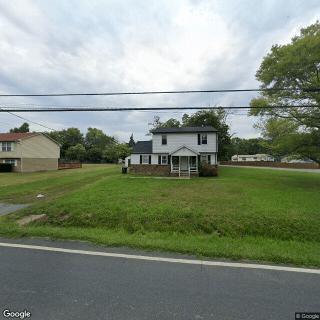
Eby Health Services II
$2,000 to $3,000 / month17.7 miles away -
from +$100 / mo
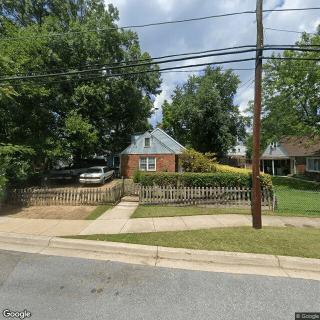
Amazing Grace Senior Care
$2,500 to $3,000 / month8.5 miles away -
About the same
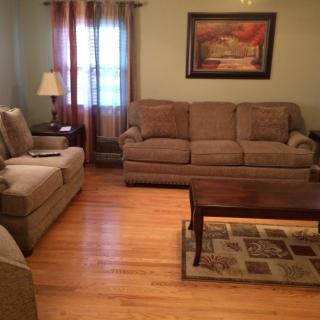
Ovalstone Comfort Home
$2,470 to $3,300 / month4.7 miles away -
from -$300 / mo
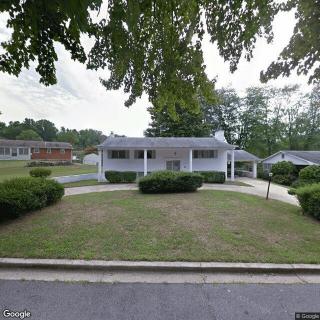
Mamie's Loving Care III
$2,100 to $3,000 / month13.9 miles away -
from -$400 / mo
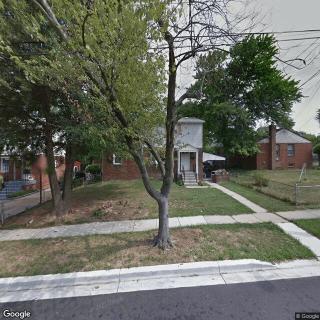
Senior's Place
$2,000 to $2,500 / month11.4 miles away
Overall Review of HMG Assisted Living Home
Pros
 The staff's compassion, kindness, and dedication shine through in every interaction.
- Their care has been truly lifesaving for families.
- Yvonne and Graham's attentiveness with appointments is outstanding.
- The activities team engages residents and brings joy to their day.
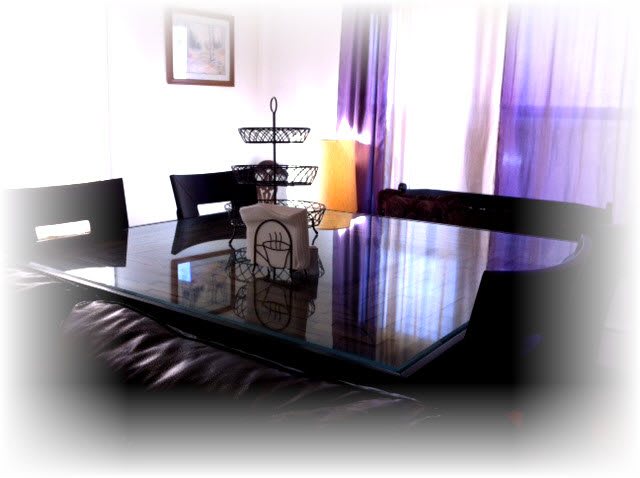
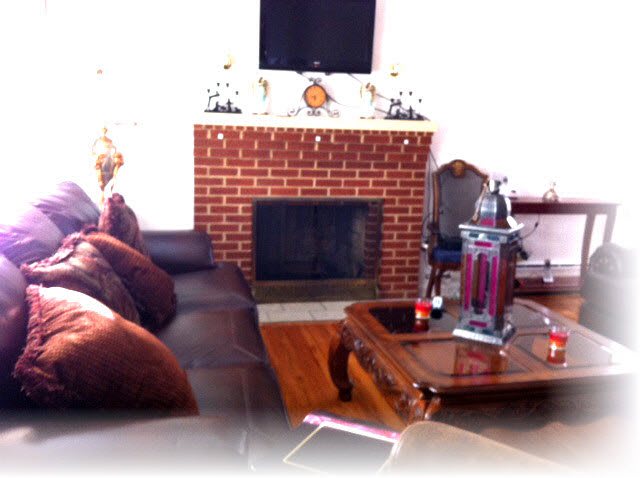
- Bowie Spring is a wonderful, clean, organized, and cozy environment that feels like home.
- The staff tailor care to each resident's needs with professionalism and care.
Cons
 The place is awful.
- The facility is not suitable for safety and compassionate, dignified care.
- The staff are lazy, and the owner/nurse is never present and very hard to contact.
- The staff treat residents like potted plants.
- There are no activities or interactions with residents.
- The meals are canned and lack nutritional value.
- In the last six weeks, the staff did not help her out of bed despite her pain and showed no interest in relieving it.
- The staff does not seem to be trained.
- The staff moved her while she screamed in pain and did not acknowledge her screams.
- Communication with the staff was difficult due to language barriers.
Review
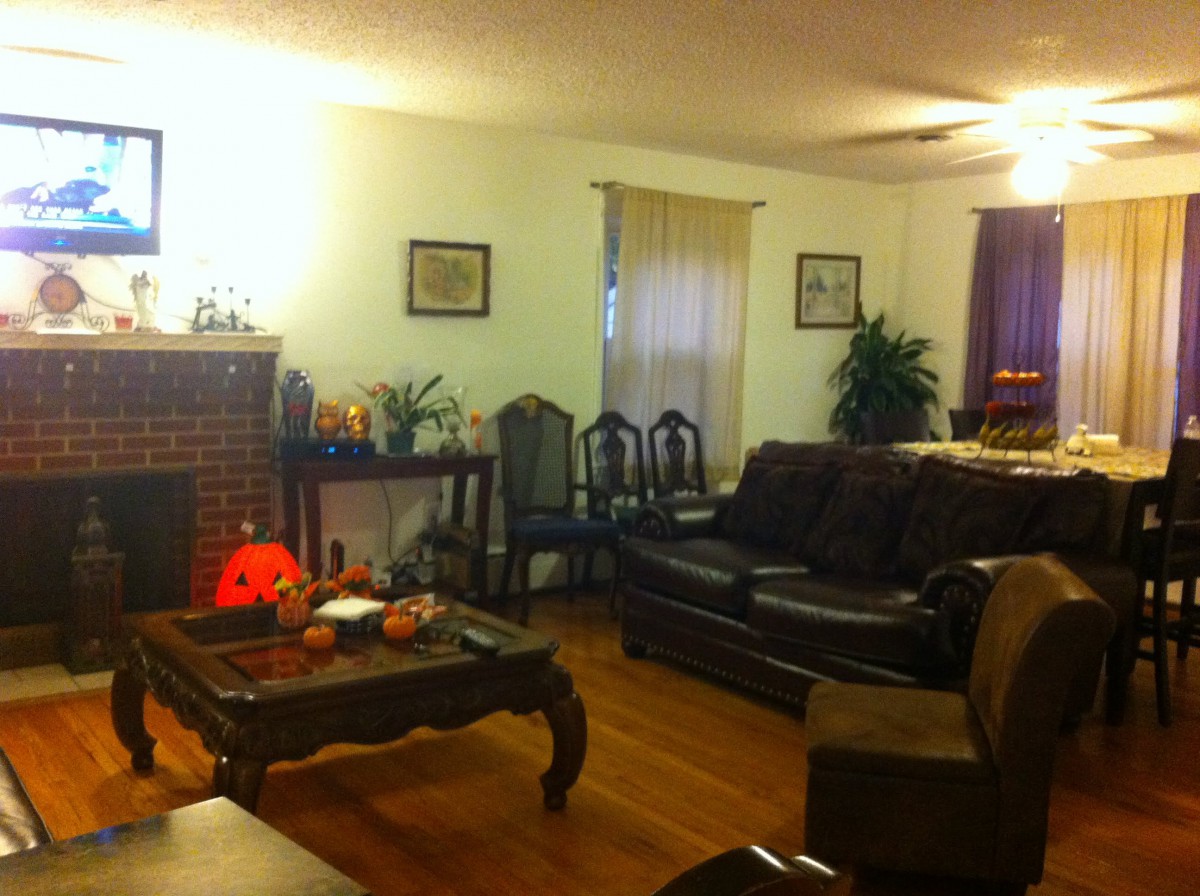
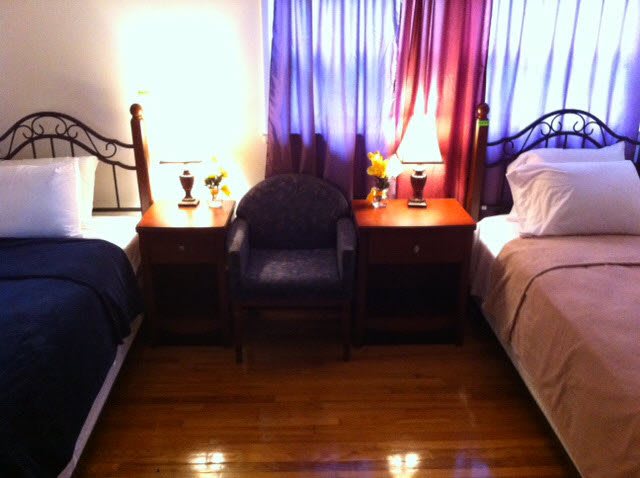
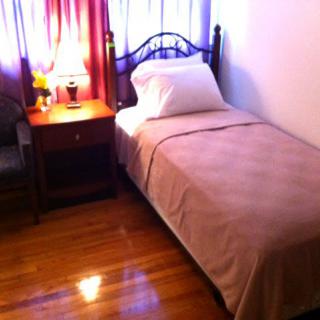
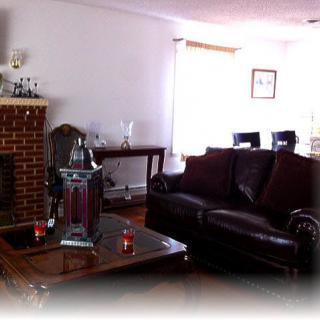
This Bowie-area community is best suited for families that want a warm, home-like setting where seniors, especially those with memory-care needs or complex daily routines, receive deeply personalized, compassionate attention from an owner-led team. The model here works best for residents who thrive on intimate, family-style care, predictable daily rhythms, and flexible visitation that keeps family members deeply involved. Those prioritizing a tactile, front-porch atmosphere over a large, clinical campus will find the strongest alignment. For families seeking robust on-site nursing leadership, larger-scale programming, or around-the-clock medical acuity, alternatives with more formal clinical resources may be a better fit.
Alternatives should be considered by any family prioritizing 24/7 nursing oversight, aggressive clinical management, or highly structured activity schedules. If the resident’s condition requires high-intensity medical interventions, frequent physician on-site presence, or a campus with extensive medical amenities, a bigger assisted-living or a nursing facility might deliver more predictable clinical coverage. Parents or guardians who want a facility with a more expansive, factory-like activity calendar or who fear potential gaps in staffing consistency may also look elsewhere. In short, when medical complexity outpaces what a small, hands-on home can reliably sustain, exploring other options becomes prudent.
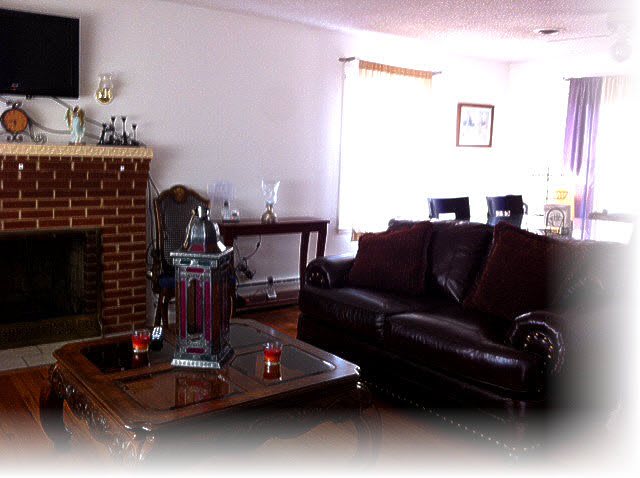
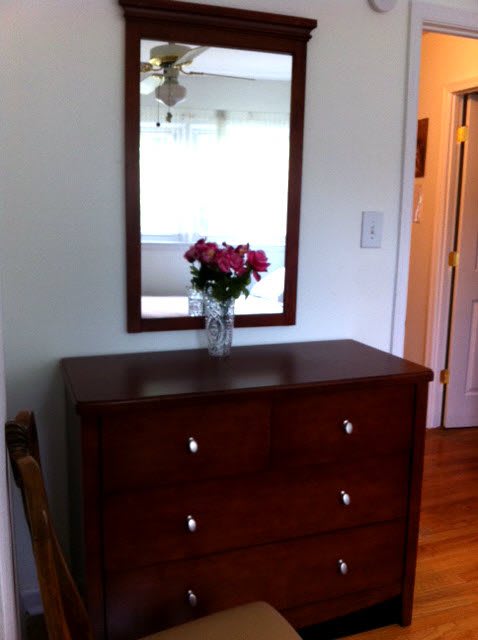
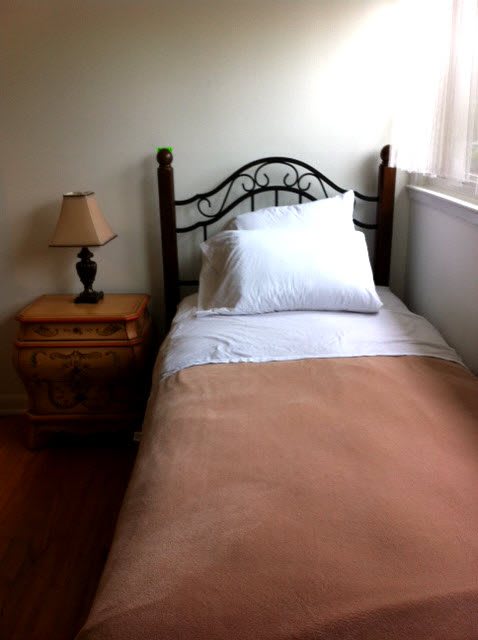
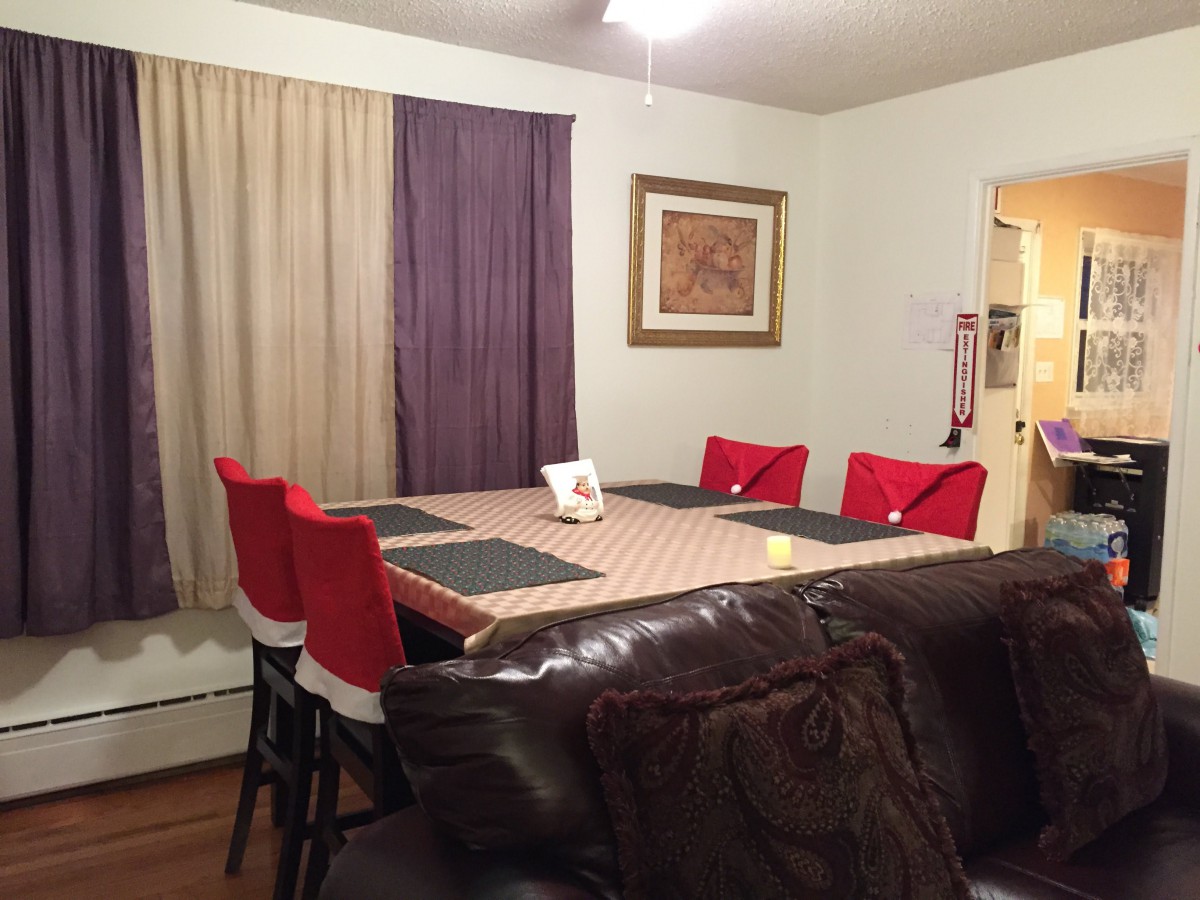
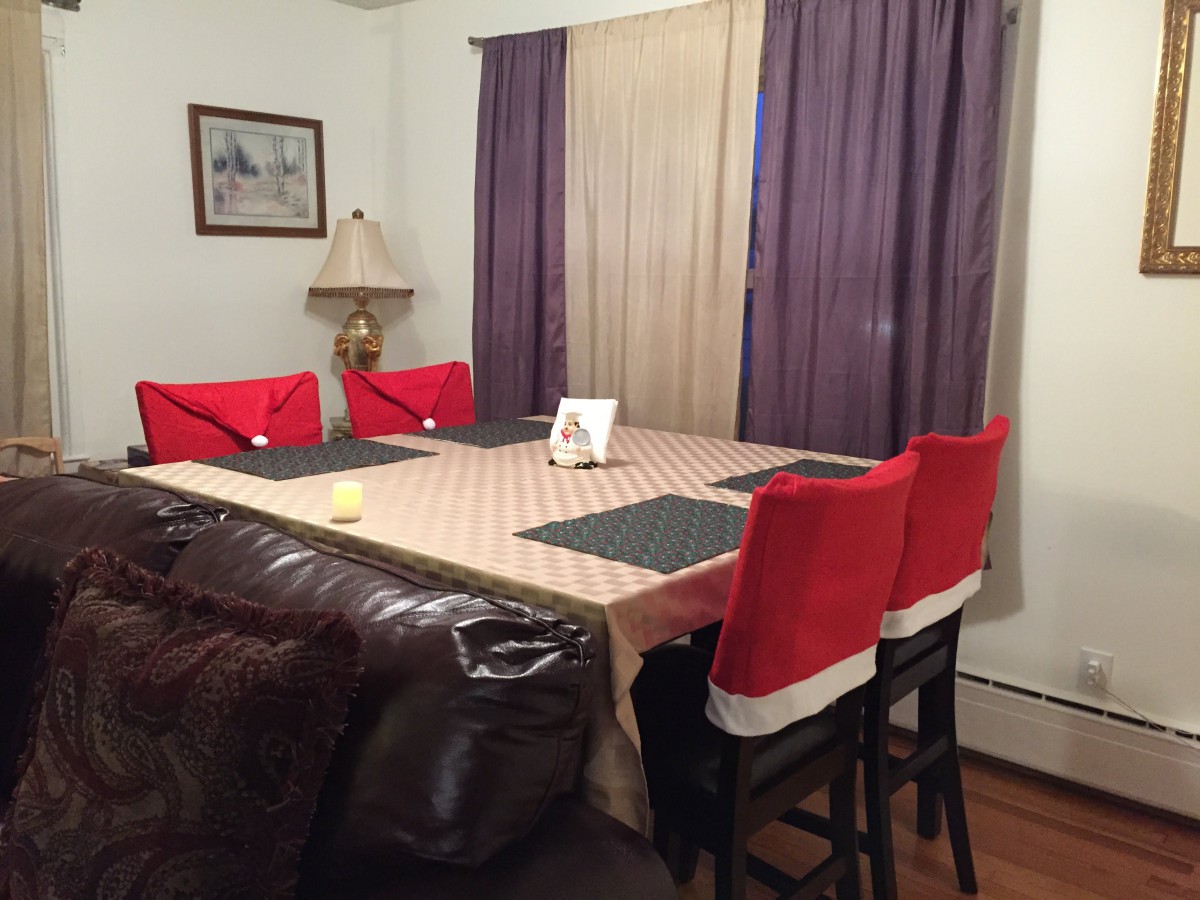
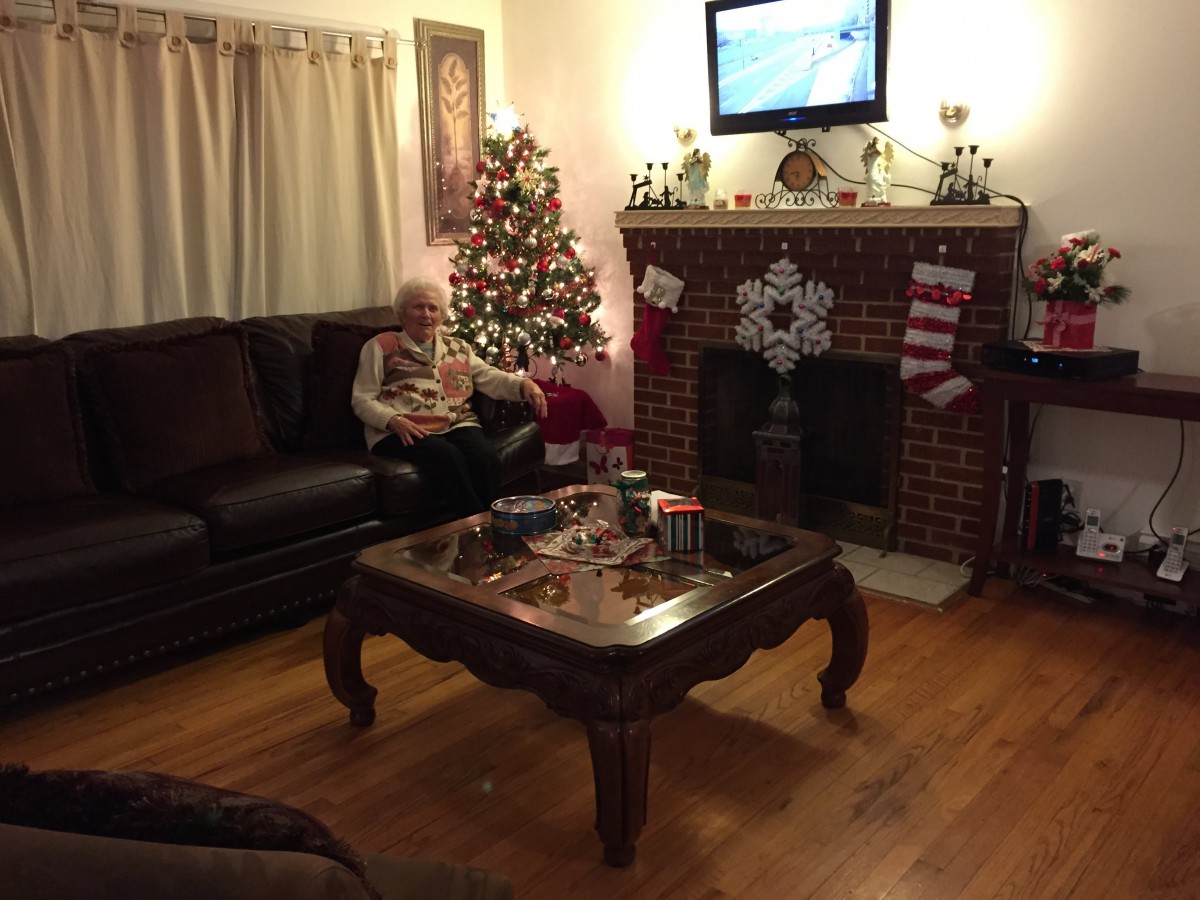
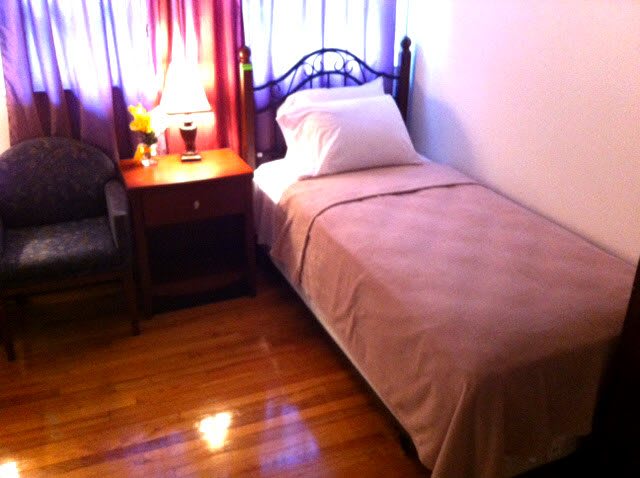
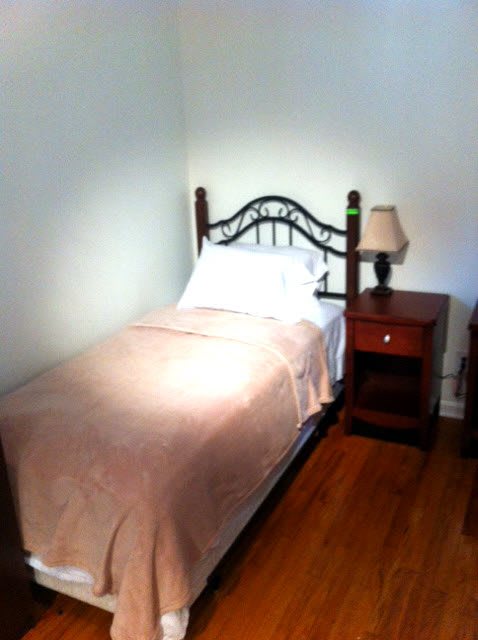
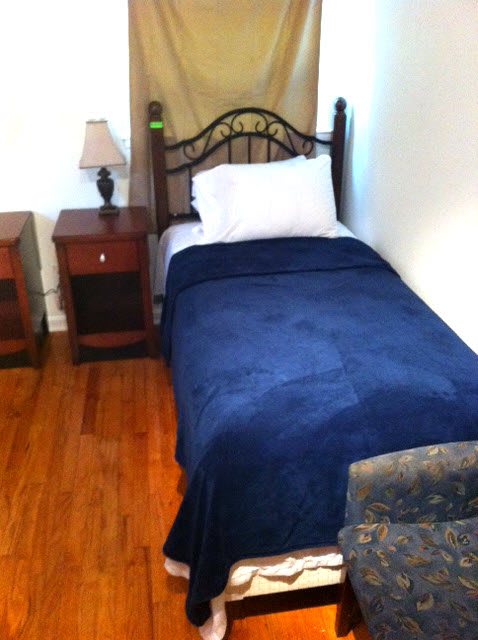
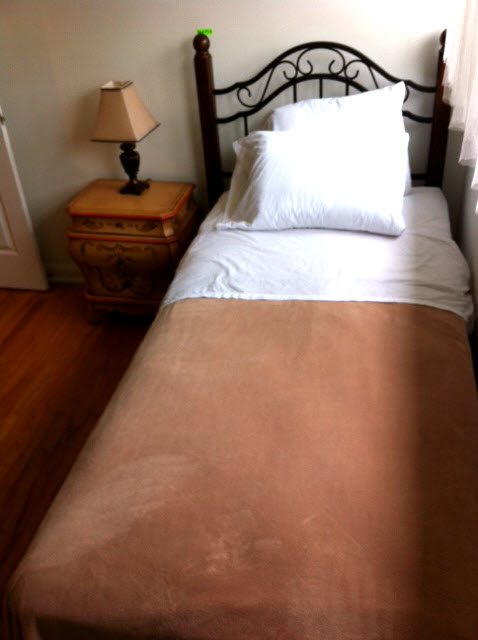
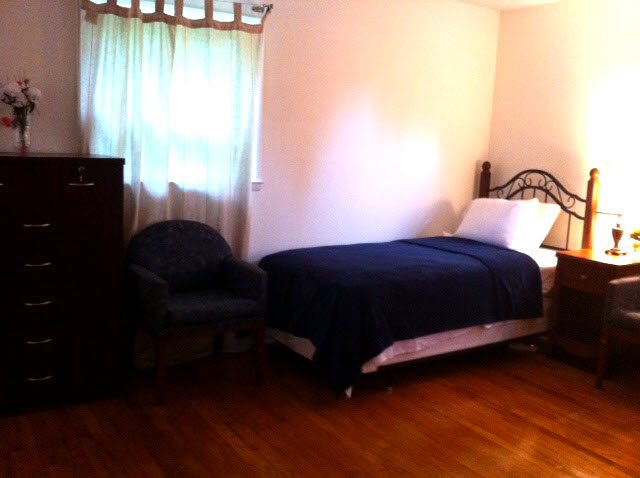
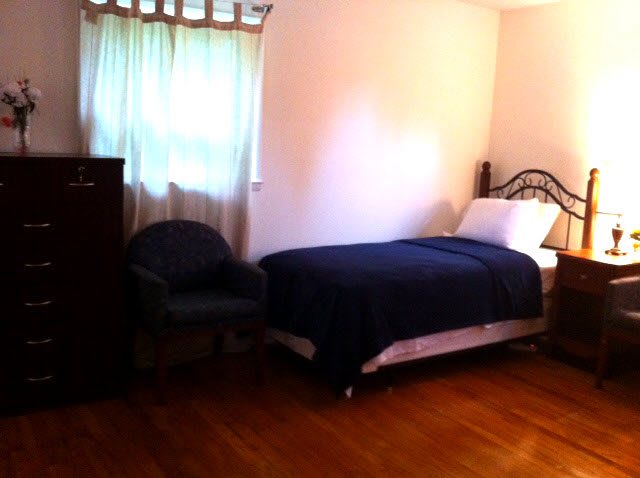
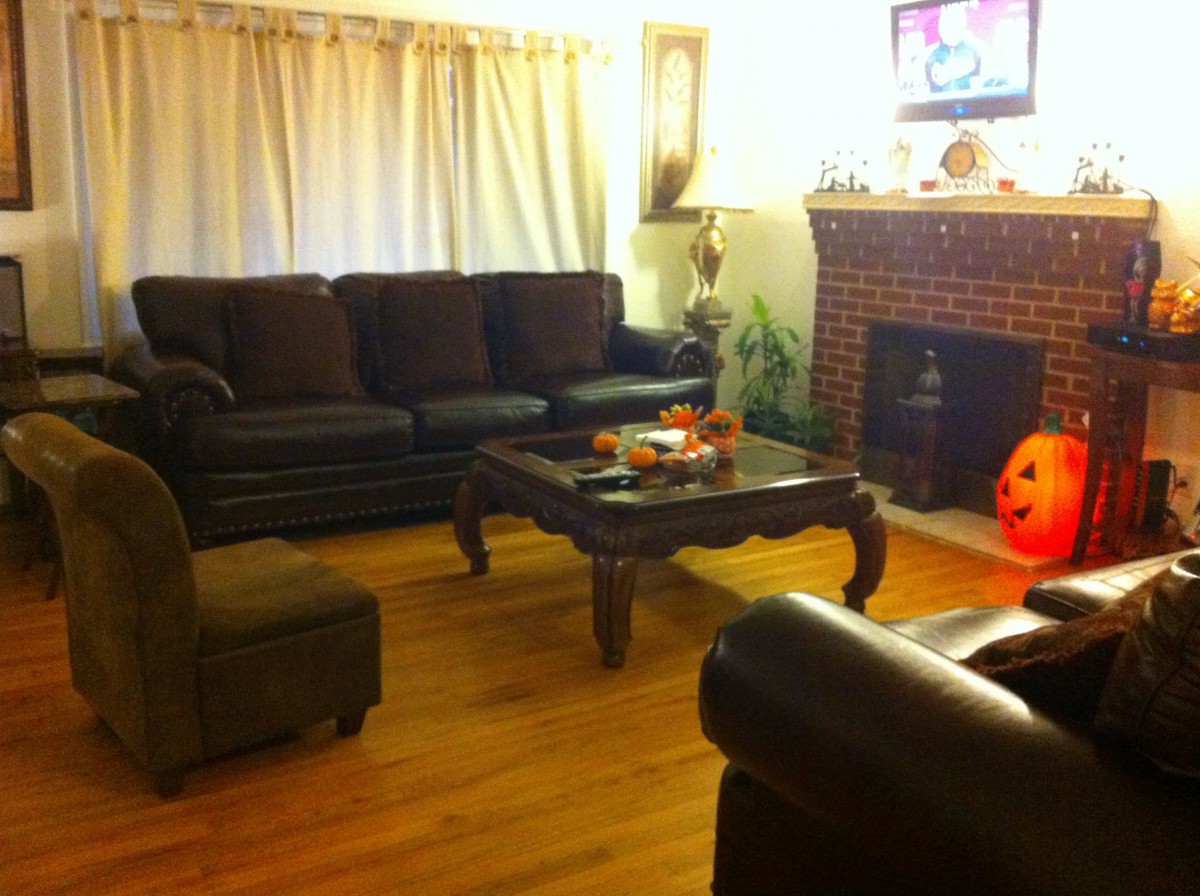
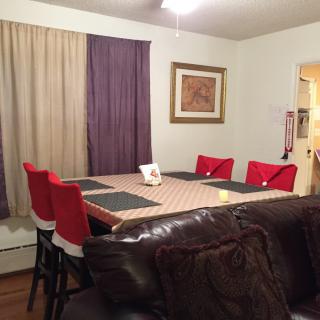
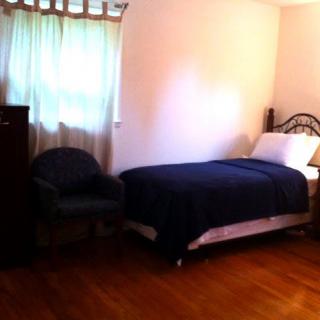
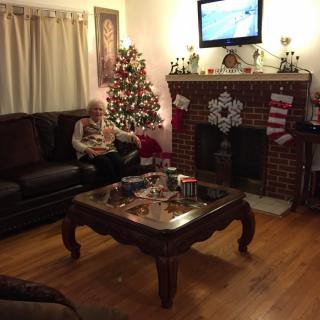
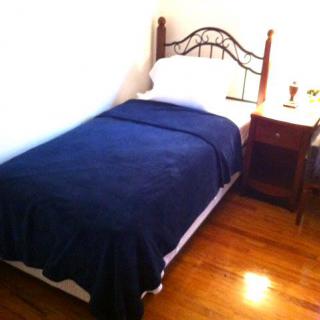
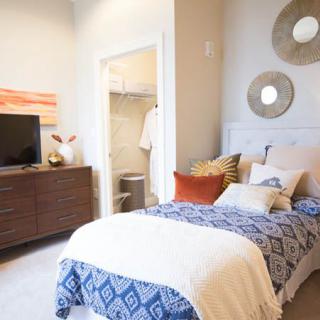
On the upside, the community consistently earns praise for staff warmth, genuine compassion, and a palpable sense of family. Caregivers are described as attentive, patient, and dedicated, with owners who stay visibly involved in day-to-day operations. Flexible visiting hours reduce the friction of family involvement, enabling relatives to participate in appointments, meals, and routine care without rigid constraints. Dementia- and memory-care needs are addressed with individualized attention, and residents often experience meaningful engagement through in-room activities and thoughtfully prepared meals. The atmosphere is repeatedly characterized as safe, clean, and welcoming, with well-appointed, comfortable rooms that emphasize a home-like feel.
The strongest protective factor here is the combination of intimate staffing and proactive leadership. When an owner-operator team is present, Ms. Graham and the involved caregiving staff, care plans tend to be executed with continuity and accountability. The ability to tailor activities and routines to each resident, coupled with a focus on emotional and social well-being, translates into long-standing placements and positive family reflections. In cases where memory care is central, the small-house model can foster trust, reduce agitation, and support consistent caregiver-resident relationships that often translate into higher-quality daily living compared with larger settings.
Yet one star denotes a reality that cannot be ignored. A single, highly critical review portrays a starkly different experience: accusations of safety lapses, insufficient activities, subpar nutrition, and insufficient responsiveness from staff and administration. That perspective, while isolated amid an overwhelmingly positive chorus, serves as a caution flag. It highlights the unavoidable truth that in any small, home-like setting, consistency of staffing, accessibility of leadership, and reliable medical oversight must be verified in real time. Prospective families should treat this as a prompt to perform thorough due diligence rather than a reason to dismiss the community outright.
Ultimately, the decision hinges on aligning expectations with the care model. If a resident needs a nurturing, neighborly environment with highly visible ownership, strong family involvement, and memory-care-focused programming, this Bowie community is exceptionally compelling. The trade-off is the potential for variability in clinical oversight and daily staffing patterns typical of smaller homes. The prudent course is to schedule a multihour visit, observe caregiver-resident interactions during peak activity periods, request a candid discussion about staffing ratios and on-call medical support, and meet current residents and families. Confirm medication management processes, meal quality, and activity options before committing. In the right match, the upside far outweighs the risk.
 5 resident community capacity
 Assisted Living
 Board and Care Home
 Memory Care
 Activities off-site
 Beautician on-site
 Cable or satellite TV
 Devotional services off-site
 Dining room
 Fully furnished
 Garden
 Guest parking
 Housekeeping services
 Indoor common areas
 Laundry
 Move-in coordination
 Outdoor common areas
 Private
 Private bathrooms
 Respite or short term stays offered
 Telephone
 Wheelchair accessible showers
 Wi-Fi/high-speed internet available
 Ronald Reagan Washington National (17 miles away)
 Transportation & parking
 24-hour supervision
 Ambulatory care
 Assistance with bathing
 Assistance with dressing
 Assistance with transfers
 Diabetes diet
 Diabetic care
 Incontinence care
 Meal preparation and service
 Medication management
 Special dietary restrictions
 Transportation arrangement (medical)
 Arts and crafts
 Book club
 Cooking club
 Educational speakers / life long learning
 Fitness programs
 Games
Games Live musical performances
 Tai Chi
 Wii bowling


 Illuminating Insights About Alzheimer's Disease: Ten Crucial Realities
 A Thorough Discussion of Medications Potentially Linked to Dementia Risk
 Why Do Dementia Patients Sleep So Much? Understanding Oversleeping, Stages, and Care Approaches