Collington Life Care Community offers competitive pricing for its residential options compared to the broader market of Prince George's County and the state of Maryland. For a studio apartment, Collington charges $2,906 monthly, significantly lower than the county's average of $4,428 and the state average of $4,656. The 1-bedroom option at Collington is priced at $3,516, which is quite comparable to Prince George's County's rate of $3,568 but still less than the state's average of $3,904. Conversely, the 2-bedroom accommodations present a different scenario; while Collington's cost of $4,206 exceeds both the county's average of $3,193 and the state's average of $3,497. Overall, Collington's pricing reflects a distinctive value proposition in certain room types while remaining competitive in others within this regional context.
Floor plans
Collington Life Care Community
Prince George's County
Maryland
Studio
$2,906
$4,428
$4,656
1 Bedroom
$3,516
$3,568
$3,904
2 Bedrooms
$4,206
$3,193
$3,497
Memory care communities with a similar price nearby
Meals and dining get both strong praise and occasional complaints.
Several residents describe the meals as excellent or restaurant-like, including opportunities to choose meals in advance and accommodating dietary needs. Some reviews also mention that food is tasty but can be mild for people who want more spice. There are also a few negative dining experiences, including slow service and reports of being served a limited or depleted buffet.
common27 reviews mention this
Staff care shows up often
Residents and families frequently describe staff as caring and responsive.
Across many reviews, residents and family members say staff are caring, attentive, and supportive, with help that makes them feel safe and not alone. Multiple people mention responsiveness to questions and staying in communication, along with medical or nursing support during rehab or transitions. A smaller number of reviews criticize care quality or professionalism, including concerns about direct patient care and management response.
differentiator20 reviews mention this
Nature and activities stand out
The campus setting and activities are a major draw for residents.
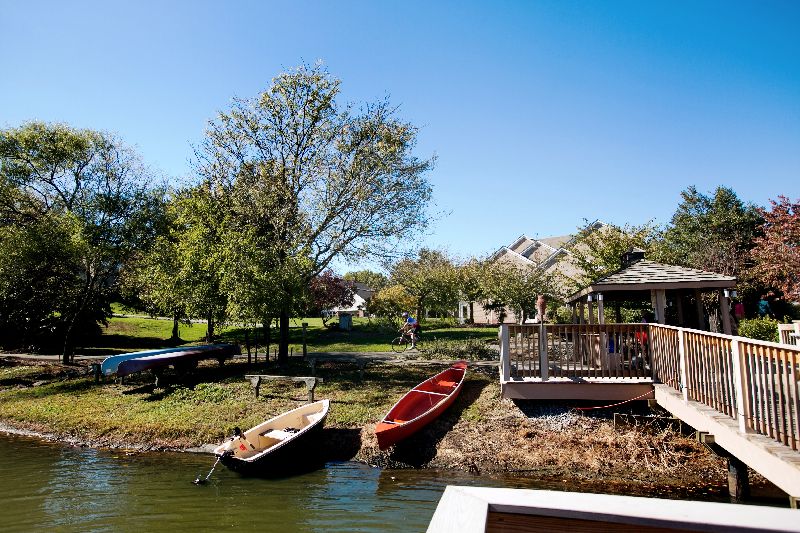
Many reviewers highlight the expansive grounds, walking trails, ponds, and spaces for gardening or enjoying nature. Residents also describe steady activity options such as exercise classes, live music, games/crafts, and community gatherings. On the amenities side, the community provides a range of scheduled daily activities, games, fitness programs, and religious or devotional activities, aligning with what residents say they can keep busy with.
caveat4 reviews mention this
Pricing feels expensive to some
Some families find the overall cost too high for them.
A few reviews directly call out that the community is expensive or that a buy-in and ongoing monthly fees change the decision. One review ties affordability to being more willing to consider the community earlier, while another focuses on price as a downside even when care and environment are described positively. In pricing terms, the listed range is below county and state figures across studio, one-bedroom, and two-bedroom units.
caveat6 reviews mention this
Care can be a deal-breaker
Some reviews express serious concerns about care for complex situations.
While many families praise support during rehab or later-year needs, several reviews describe problems when a situation felt more complicated. Reported issues include being denied or told there were no options, plus concerns about nursing or care supervision during rehab and bedside support. These critiques also contrast with reviews that describe round-the-clock care and stronger support once a loved one is placed in the right unit.
How we summarize
Counts show how many written reviews mention each theme; a review can touch several themes, and only frequently mentioned themes are displayed.
Features
Housing
22 resident community capacity
Types of Care
Assisted Living
Continuing Care Retirement Community (CCRC)
Independent Living
Memory Care
Respite Care
Amenities
Activities on-site
Beautician on-site
Beauty salon
Cable or satellite TV
Devotional services off-site
Dining room
Financial aid
Financing advice
Fully furnished
Garden
Home sale assistance
Housekeeping services
Indoor common areas
Kitchenette
Laundry
Move-in coordination
Outdoor space
Party space
Private bathrooms
Security gate
TV room
VA Benefits Consultation
Wi-Fi/high-speed internet available
Transportation
Ronald Reagan Washington National (13 miles away)
Baltimore-Washington International (19 miles away)
Community operated transportation
Transportation arrangement
Transportation arrangement (non-medical)
Care Services
24-hour call system
24-hour supervision
Activities of daily living assistance
Ambulatory care
Assistance with bathing
Assistance with dressing
Assistance with transfers
Diabetes diet
Diabetic care
Meal preparation and service
Medication management
Special dietary restrictions
Dining
Diabetes diet
Meals provided
Special dietary restrictions
Activities
Activities on-site
Community-sponsored activities
Devotional activities offsite
Fitness programs
Games
Live musical performances
Religious services
Resident-run activities
Scheduled daily activities
Languages Spoken
English
Videos
Nearby Places of Interest
This part of Bowie, Maryland offers a convenient and accessible location with a variety of amenities nearby. There are several cafes such as Starbucks and Vigilante Coffee, as well as a range of dining options including Jasper's, McDonald's, Golden Corral, and Chick-Fil-A. Medical services are also easily accessible with multiple physicians' offices and pharmacies in the vicinity. The area is well-equipped with parks for outdoor recreation, including Watkins Regional Park and Allen Pond Park. For transportation needs, there are several metro stations within a few miles for easy travel around the city. In terms of healthcare, there are hospitals nearby such as Bowie Health Center-Emergency Medical Care and Riverside Medical District Heights. Additionally, there are places of worship available for spiritual support such as the Christian Community Presbyterian Church and College Park United Methodist Church. Overall, this area provides a combination of convenience, accessibility, and community resources that may be appealing to seniors considering living in Bowie.
Cafes
Starbucks (1.2 miles)
Starbucks (3.4 miles)
Starbucks (3.9 miles)
Starbucks (4.6 miles)
Vigilante Coffee (6.6 miles)
Restaurants
Jasper's (1.2 miles)
McDonald's (1.6 miles)
Golden Corral (1.8 miles)
McDonald's (2.2 miles)
Six Flags America (3 miles)
McDonald's (3.3 miles)
Chick-Fil-A (3.9 miles)
Physicians
Dr Jenkin's Office (1.2 miles)
Dr Vanessa Allen (3.2 miles)
Ford Medical Associates (4.8 miles)
Rochelle Hardy Md (4.8 miles)
TLC Pediatrics (5.1 miles)
Maryland Primary Care Physicians (5.8 miles)
MyEyeDr (5.8 miles)
Pharmacies
Kaiser Pharmacy (1.3 miles)
Wegmans (1.5 miles)
Walgreens (1.5 miles)
CVS Pharmacy (1.7 miles)
CVS Pharmacy (2.1 miles)
CVS Pharmacy (2.4 miles)
CVS Pharmacy (3.4 miles)
Parks
Watkins Regional Park (2.9 miles)
Allen Pond Park (4.7 miles)
Mellwood Park (7.5 miles)
Duvall Playground (7.7 miles)
L'Enfant Square (8.6 miles)
Lincoln Park (9.2 miles)
Transportation
New Carrollton Amtrak Station (3.1 miles)
Benning Road Metro Station (6.5 miles)
College Park - University of Maryland Metro Station (6.8 miles)
Greenbelt Metro Station (7.7 miles)
Greenbelt Station (7.7 miles)
Prince George's Plaza Metro Station (7.7 miles)
West Hyattsville Metro Station (8.1 miles)
Hospitals
Bowie Health Center-Emergency Medical Care (4.6 miles)
Riverside Medical District Heights (6.2 miles)
Places of Worship
Christian Community Presbyterian Church (5.7 miles)
Collington Life Care Community offers competitive pricing for its residential options compared to the broader market of Prince George's County and the state of Maryland. For a studio apartment, Collington charges $2,906 monthly, significantly lower than the county's average of $4,428 and the state average of $4,656. The 1-bedroom option at Collington is priced at $3,516, which is quite comparable to Prince George's County's rate of $3,568 but still less than the state's average of $3,904. Conversely, the 2-bedroom accommodations present a different scenario; while Collington's cost of $4,206 exceeds both the county's average of $3,193 and the state's average of $3,497. Overall, Collington's pricing reflects a distinctive value proposition in certain room types while remaining competitive in others within this regional context.
Collington Life Care Community's comprehensive features are designed to support residents with dementia or Alzheimer's disease in a nurturing environment. Assistance with dressing not only promotes dignity but also helps residents maintain a sense of routine, which can alleviate confusion. Medication management ensures that residents receive their prescribed treatments on time, reducing the risk of health complications. Thoughtfully prepared meals cater to nutritional needs and preferences, fostering both physical health and social interaction during mealtimes. Support with activities of daily living enables residents to engage in familiar tasks while receiving the guidance they need, enhancing their independence and confidence. Assistance with bathing promotes hygiene while addressing any safety concerns associated with cognitive decline. Help with transfers ensures mobility and reduces the risk of falls, while 24-hour supervision provides peace of mind for families, ensuring that trained staff is always available to respond to emergencies or provide comfort whenever required. Together, these features create a safe and supportive atmosphere that enhances the quality of life for individuals facing cognitive challenges.
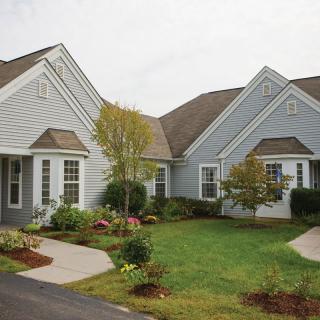
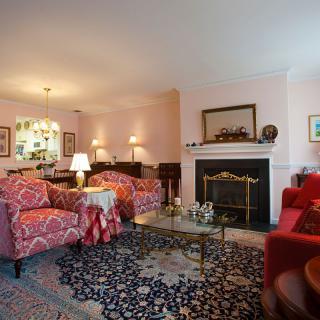
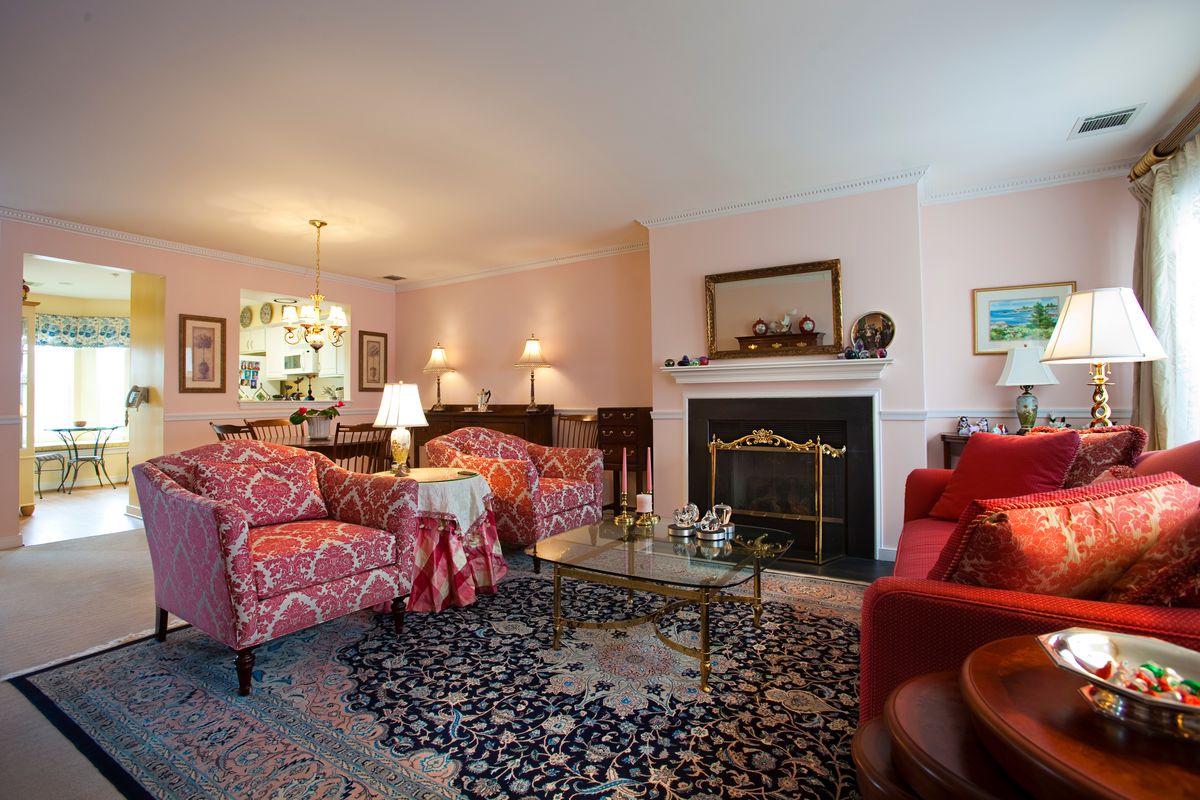
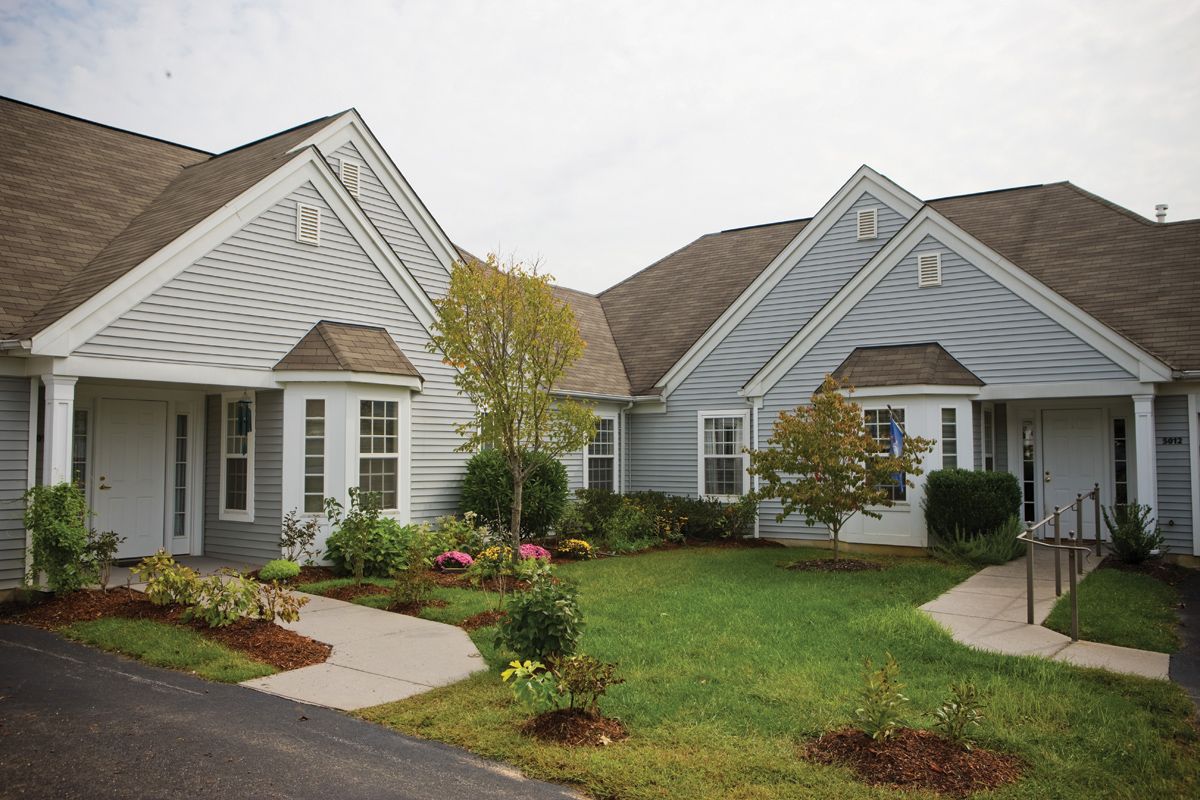
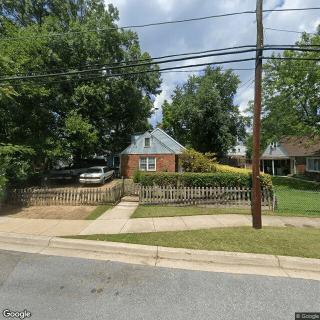
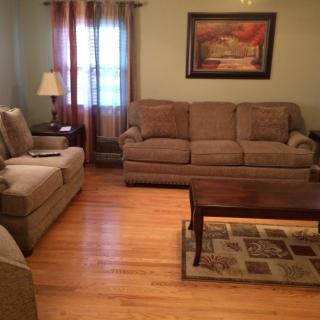
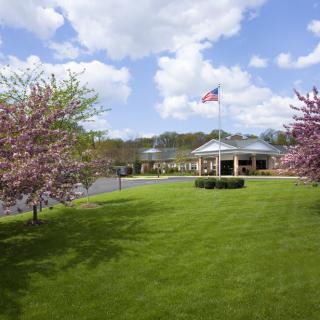
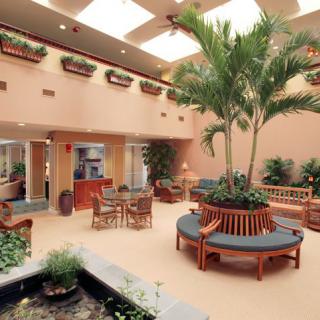
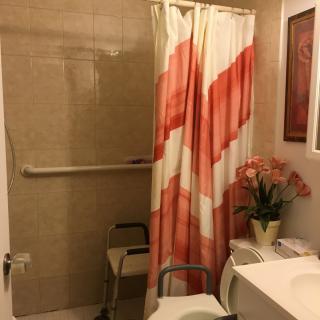
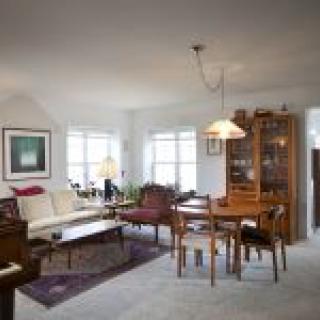
Collington Life Care Community on seniors.fyi includes 5 photos including images showing living room, landscaping, architecture, windows, piano, exterior, fireplace, rug, and more.
Nearby Communities
A & D Comfort Zone II
Bowie, MD
3.7 from 6 reviews
Specialized memory care with personalized support.
Sure Health Assisted Living
Bowie, MD
4.6 from 17 reviews
$2,500 to $3,500 / month
Affordable base price with personalized, on-site care in a small, homelike setting.
Guardian Angel Home Health - Bowie, MD
Bowie, MD
5 from 9 reviews
Excellent access to healthcare, dining, and parks.
A+ Senior Living
Bowie, MD
Comprehensive assisted living with 24/7 supervision, ADL support, meals, and coordinated healthcare.
First Healthcare Network
Bowie, MD
4.9 from 120 reviews
Right at Home of Largo
Largo, MD
5 from 3 reviews
Excellent care in a convenient location with nearby amenities.
The Vistas at Lake Largo
Largo, MD
3.8 from 38 reviews
$904 to $1,073 / month
Attractive exterior with positive initial staff interactions and solid 2-bedroom options.
The Sky Bridge at Town Center
Largo, MD
4.8 from 117 reviews
Comprehensive care options (including memory care) with 24/7 supervision and on-site dining/amenities.
Jericho Residences
Landover, MD
3.8 from 84 reviews
$1,325 to $4,940 / month
Spacious, clean apartments with an active 55+ community and on-site amenities (gym, dining, washers in-unit) plus social programs.
Dementia, influenced by aging and certain medications, may be exacerbated by drug classes such as anticholinergics, benzodiazepines, and antipsychotics, which are associated with cognitive impairment. Regular medication reviews by healthcare professionals are crucial for older adults to manage risks and optimize cognitive health.
Dementia often results in disrupted sleep patterns, leading to excessive daytime sleeping due to factors like brain damage affecting circadian rhythms, medication side effects, and lack of structure in daily activities. Caregivers must monitor these changes closely, as oversleeping can increase risks such as malnutrition or dehydration, and provide necessary support and routines to enhance patient engagement and well-being.
The transition from assisted living to skilled nursing care is often prompted by complex medical needs that assisted living cannot meet, with key indicators including frequent health declines, increased falls, severe memory issues, and caregiver burnout. Families should recognize these signs early to discuss options with healthcare providers and prepare for the emotional and logistical aspects of moving to a facility that offers comprehensive medical support.
Get PricingAsk A QuestionSchedule A TourContact Senior Advisor
By clicking submit, you agree to our Partner's Terms of Use. You
also consent to receive calls and texts, which may be autodialed, from our Partner. Your consent is not a condition to
using our Partner's service. Please visit our Partner's Privacy Policy for information about their privacy practices.



 22 resident community capacity
 Assisted Living
 Continuing Care Retirement Community (CCRC)
 Independent Living
 Memory Care
 Respite Care
 Activities on-site
 Beautician on-site
 Cable or satellite TV
 Devotional services off-site
 Dining room
 Financial aid
 Fully furnished
 Garden
 Housekeeping services
 Indoor common areas
 Kitchenette
 Laundry
 Move-in coordination
 Outdoor space
 Party space
 Private bathrooms
 Security gate
 Wi-Fi/high-speed internet available
 Ronald Reagan Washington National (13 miles away)
 Community operated transportation
 24-hour call system
 Ambulatory care
 Assistance with bathing
 Assistance with dressing
 Assistance with transfers
 Diabetes diet
 Diabetic care
 Meal preparation and service
 Medication management
 Special dietary restrictions
 Fitness programs
 Games
Games Live musical performances
 English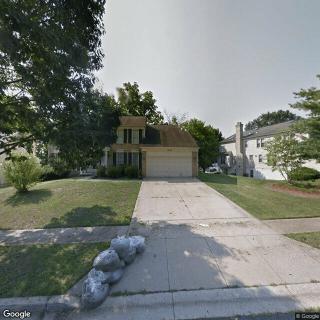
 Specialized memory care with personalized support.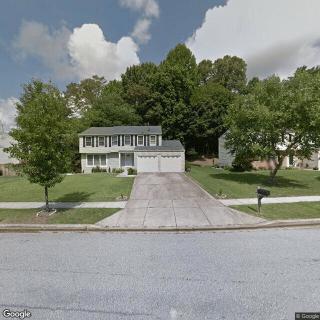


 A Thorough Discussion of Medications Potentially Linked to Dementia Risk
 Why Do Dementia Patients Sleep So Much? Understanding Oversleeping, Stages, and Care Approaches
 8 Key Indicators That Suggest It May Be Time to Transition from Assisted Living to Skilled Nursing Care