Commonwealth Senior Living at Bel Air Costs & Pricing
At Commonwealth Senior Living at Bel Air, the monthly costs for accommodations reflect a range that caters to various needs and preferences. For a semi-private room, residents can expect to pay between $3,390 and $4,920, which is competitive when compared to the average cost of $3,357 in Harford County and $3,545 across Maryland. Those seeking more privacy may opt for a private room, with costs ranging from $4,530 to $6,180 - higher than the county's average of $3,819 and the state average of $4,112. This pricing structure indicates that while Commonwealth Senior Living at Bel Air is positioned on the higher end of the market spectrum, it also provides tailored services and amenities designed to enhance the quality of life for its residents.
Floor plans
Commonwealth Senior Living at Bel Air
Harford County
Maryland
Semi-Private
$3,390 to $4,920
$3,357
$3,545
Private
$4,530 to $6,180
$3,819
$4,112
Memory care communities with a similar price nearby
from +$145 / mo
Brightview Perry Hall
4.7 from 131 reviews
$3,535 to $6,340 / month
10.9 miles away
from +$190 / mo
Brightview White Marsh
4.5 from 146 reviews
$3,580 to $6,865 / month
14.5 miles away
from +$105 / mo
Brightview Mays Chapel Ridge
4.5 from 100 reviews
$3,495 to $6,635 / month
17.1 miles away
from -$240 / mo
Integrity Esther's Place at Harford
4.4 from 47 reviews
$3,150 to $3,450 / month
19.8 miles away
from +$410 / mo
Lighthouse Senior Living at Martin’s Wood LLC for Hopkins Creek
Overall Review of Commonwealth Senior Living at Bel Air
common34 reviews mention this
Staff care and responsiveness stand out
Residents and families consistently describe staff as caring, patient, and responsive.
Many reviews emphasize that staff treat residents like family and follow through when needs come up. Several residents and family members specifically mention timely help, frequent communication, and staff knowing the person they’re caring for. Even when reviews are critical, they still focus on how staff and leadership communicate and handle day-to-day care. Overall, the caregiving tone described is supportive and personal.
common22 reviews mention this
Clean, well kept environment
Clean rooms and common areas are a recurring point in reviews.
Multiple reviews highlight a consistently clean facility, including clean rooms and well-maintained common spaces. Several people also comment on the environment feeling comfortable and home-like rather than institutional. A few reviewers note there are no unpleasant odors, reinforcing the cleanliness theme. This cleanliness is mentioned alongside how professional the staff appear and how easy it feels to visit.
differentiator6 reviews mention this
Food quality and flexible dining
Dining is a frequent focus, with residents and families pointing to good-tasting meals.
Reviewers repeatedly mention that meals are satisfying, including comments about good food and flexible options when preferences change. Some families describe room service-like support or the ability to request alternatives if something isn’t to taste. Several reviews also connect dining to overall comfort, including improved intake compared with other settings. One negative review criticizes food quality and portions, but most food mentions are positive.
common6 reviews mention this
Activities help residents stay engaged
Families describe regular activities and programs that keep residents involved.
Many reviews mention that residents have scheduled activities and opportunities to socialize. Families describe day-to-day engagement like group activities and community events, with some highlighting music, games, and art or group participation. A few reviewers specifically mention that residents improved socially after moving in. While one review says outings did not happen as planned, the overall theme is that there is a steady calendar of things to do.
common4 reviews mention this
Memory care includes a dedicated unit
Memory care is mentioned in reviews, including programming for dementia needs.
Several reviews discuss memory care experiences, including residents with dementia being supported in a dedicated unit. Families describe ongoing activities suited to memory care residents, with examples like music, quizzes, and other group programs. One review also references a memory care waitlist when calling for information, framing availability as a practical limitation for families reaching out.
caveat3 reviews mention this
Pricing feels high for some families
Some families say the monthly cost is very high compared with options they considered.
Reviews repeatedly frame pricing as a concern, with at least a few families saying the community is more expensive than alternatives. One reviewer also notes cost limitations related to Medicaid acceptance if funds run out. At the same time, another review balances that by describing the value for the price as better than several other places they toured. This creates a mixed cost picture: many find it worth it, but the price level is still a recurring caution.
How we summarize
Counts show how many written reviews mention each theme; a review can touch several themes, and only frequently mentioned themes are displayed.
Features
Housing
Studio apartments
Types of Care
Assisted Living
Memory Care
Respite Care
Pets
Cats allowed
Dogs allowed
Amenities
Activities on-site
Air-conditioning
Beautician on-site
Beauty salon
Cable or satellite TV
Cafe
Devotional services on-site
Dining room
Financing advice
Fully furnished
Garden
Guasts at mealtime
Guest parking
Housekeeping services
Indoor common areas
Kitchenette
Laundry
Move-in coordination
Outdoor common areas
Outdoor space
Party space
Pet friendly
Respite or short term stays offered
Restaurant-style dining
Small library
TV room
Telephone
VA Benefits Consultation
Wi-Fi/high-speed internet available
Transportation
Transportation & parking
Care Services
24-hour call system
24-hour supervision
Activities of daily living assistance
Ambulatory care
Assistance with bathing
Assistance with dressing
Assistance with transfers
Coordination with health care providers
Diabetes diet
Diabetic care
High acuity care
Hospice care
Incontinence care
Meal preparation and service
Medication management
Mental wellness program
Mild cognitive impairment
Physical therapy
Special dietary restrictions
Specialized memory care programming
Transportation arrangement (medical)
Transportation to doctors appointments
Dining
Diabetes diet
Guest meals
Meals provided
Special dietary restrictions
Special dining programs
Activities
Activities off-site
Activities on-site
Arts and crafts
Catholic services
Community-sponsored activities
Cooking club
Devotional activities on-site
Fitness programs
Games
Happy hour
Holiday parties
Live musical performances
Protestant services
Religious services
Reminiscence programs
Resident-run activities
Scheduled daily activities
Sensory-based programs
Stories
Visiting chaplain or priest
Languages Spoken
English
Nearby Places of Interest
This part of Bel Air, Maryland offers a convenient and diverse range of amenities for seniors considering living in the area. With multiple dining options including McDonald's, Waffle House, and Independent Brewing Company, there is something to suit every taste. The proximity of pharmacies such as CVS Pharmacy and Rite Aid ensures easy access to medication and healthcare needs. Nearby physicians and medical facilities like Pediatric Partners and Upper Chesapeake Medical Center provide quality healthcare services within a short distance. In addition, the presence of parks like Rockfield Park offers opportunities for outdoor recreation and relaxation. Overall, this neighborhood provides a well-rounded community with essential services for seniors looking to settle in a vibrant and accessible location.
Restaurants
McDonald's (0.1 miles)
Waffle House (1.1 miles)
Chick-Fil-A (1.2 miles)
Independent Brewing Company (1.3 miles)
Pizza Hut (1.7 miles)
Sean Bolan's Irish Pub (1.8 miles)
Vagabond Sandwich Company (1.8 miles)
Pharmacies
CVS Pharmacy (0.3 miles)
Rite Aid (0.3 miles)
Harford Pharmacy (1.1 miles)
Harford Pharmacy (1.2 miles)
Walgreens (1.3 miles)
Walgreens (1.4 miles)
Kleins Family Markets (1.5 miles)
Physicians
Murias DR Richard (0.4 miles)
Pediatric Partners (0.5 miles)
North Park Center (0.5 miles)
North Park Pediatrics (0.5 miles)
Tinney Family Medicine (1.2 miles)
Dr Steven W. Dannenfelser, MD (1.3 miles)
Surg Center of Bel Air (1.8 miles)
Parks
Rockfield Park (2.1 miles)
Colonial Acres Playground (3 miles)
Cafes
Starbucks (2.2 miles)
Starbucks (4.5 miles)
Panera Bread (6.8 miles)
Hospitals
Upper Chesapeake Medical Center (2.8 miles)
MedStar Health at Bel Air Medical Campus (3.3 miles)
At Commonwealth Senior Living at Bel Air, the monthly costs for accommodations reflect a range that caters to various needs and preferences. For a semi-private room, residents can expect to pay between $3,390 and $4,920, which is competitive when compared to the average cost of $3,357 in Harford County and $3,545 across Maryland. Those seeking more privacy may opt for a private room, with costs ranging from $4,530 to $6,180 - higher than the county's average of $3,819 and the state average of $4,112. This pricing structure indicates that while Commonwealth Senior Living at Bel Air is positioned on the higher end of the market spectrum, it also provides tailored services and amenities designed to enhance the quality of life for its residents.
Commonwealth Senior Living at Bel Air offers a comprehensive suite of features tailored to support residents with dementia and Alzheimer's disease, fostering both their safety and well-being. The 24-hour supervision ensures that residents are continually monitored, providing immediate assistance in case of any emergencies or needs. Activities of daily living assistance, including help with bathing, dressing, and transfers, empowers residents to maintain dignity while receiving the necessary support for personal care. Coordination with healthcare providers facilitates seamless medical management, ensuring that each individual's health needs are met holistically. Incontinence care and meal preparation provide essential comfort and nourishment tailored to specific dietary requirements. Medication management and physical therapy help maintain health stability, while specialized memory care programming addresses cognitive challenges uniquely faced by individuals at various stages of memory impairment. Additionally, sensory-based programs and a mental wellness approach engage the residents' minds positively, enhancing their overall quality of life. Transportation arrangements for medical appointments further demonstrate a commitment to comprehensive care, keeping residents connected to necessary healthcare resources.
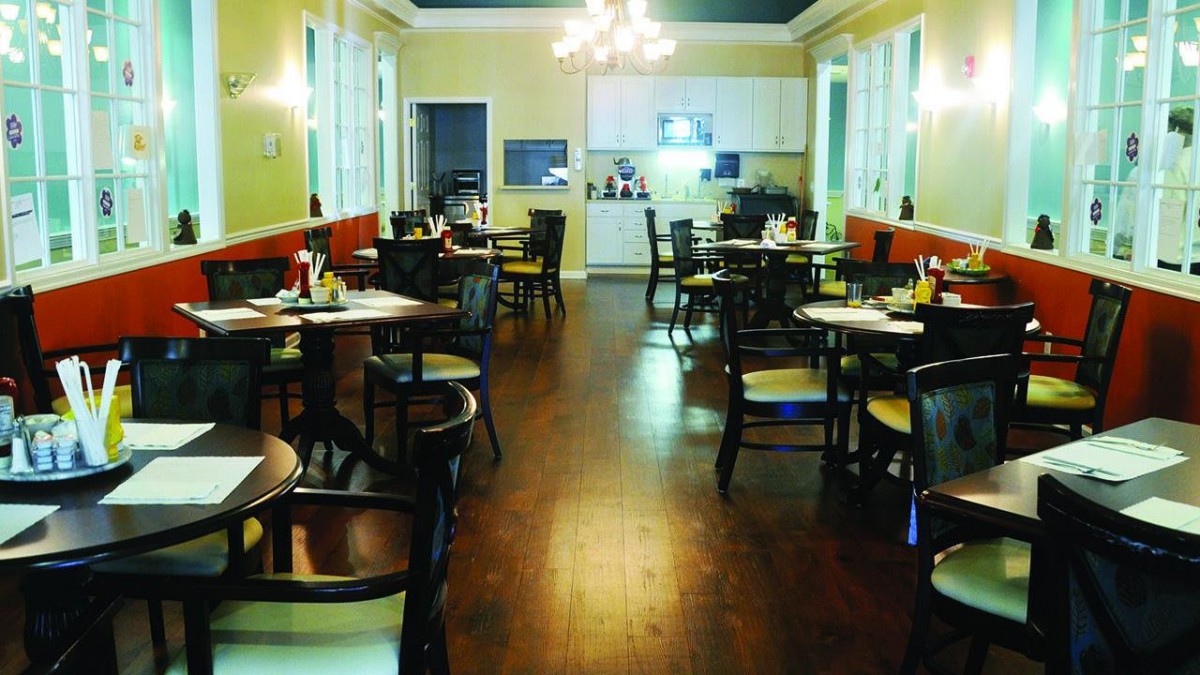
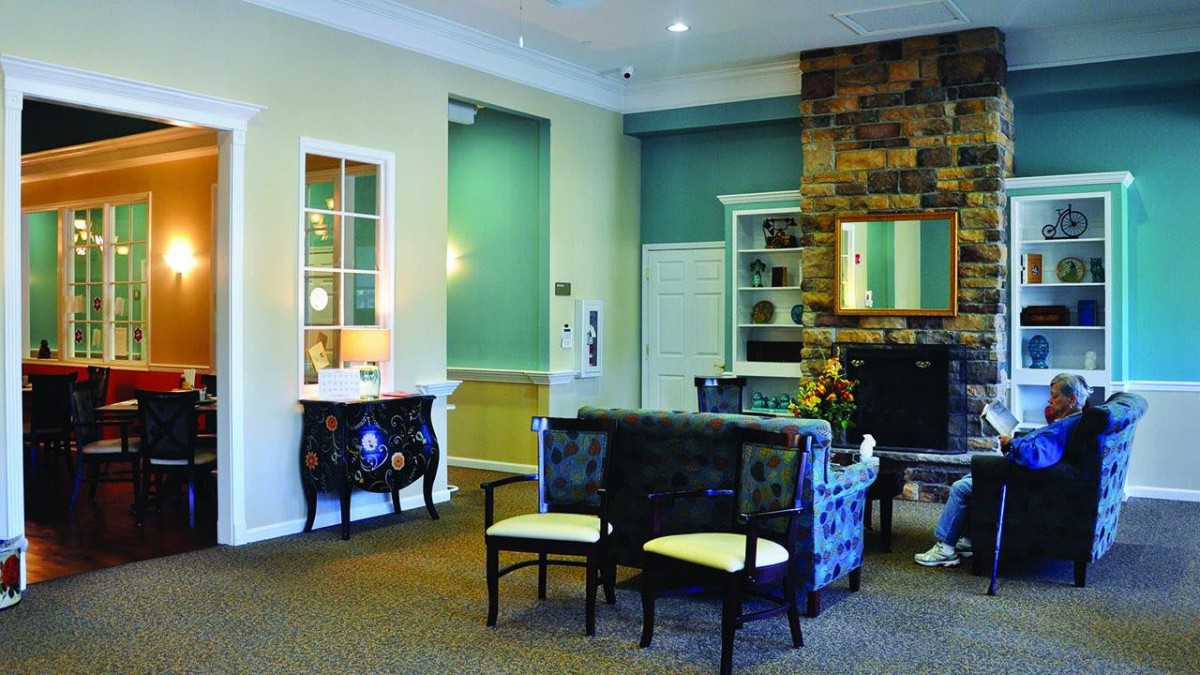
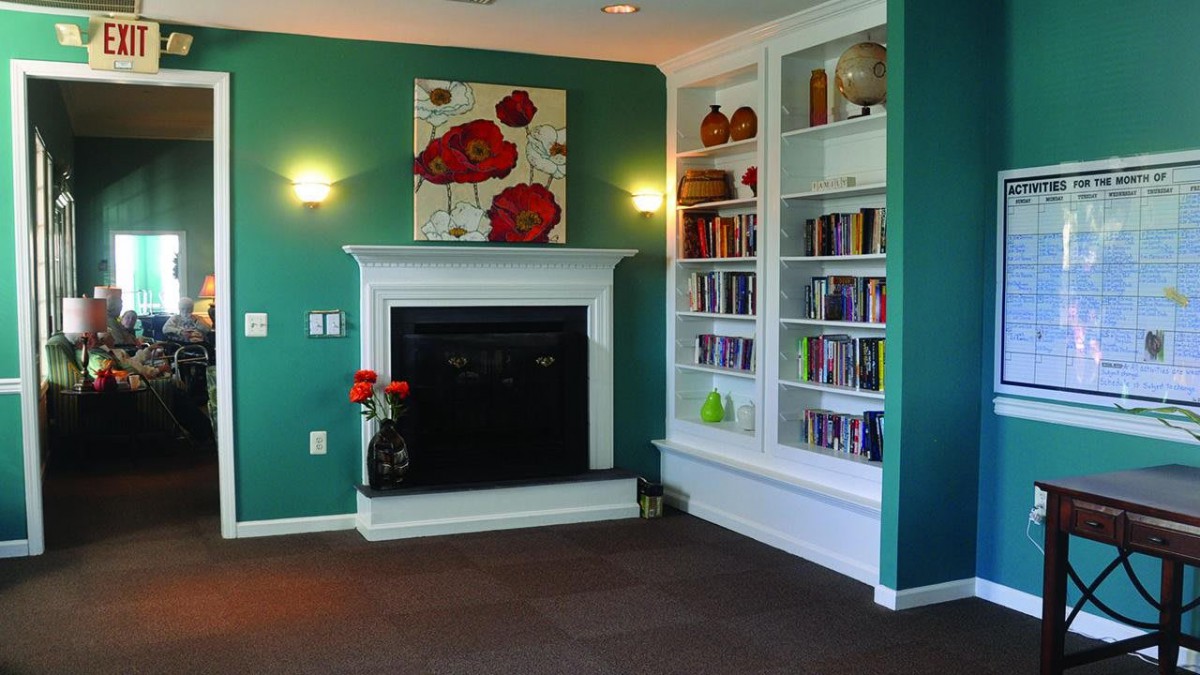
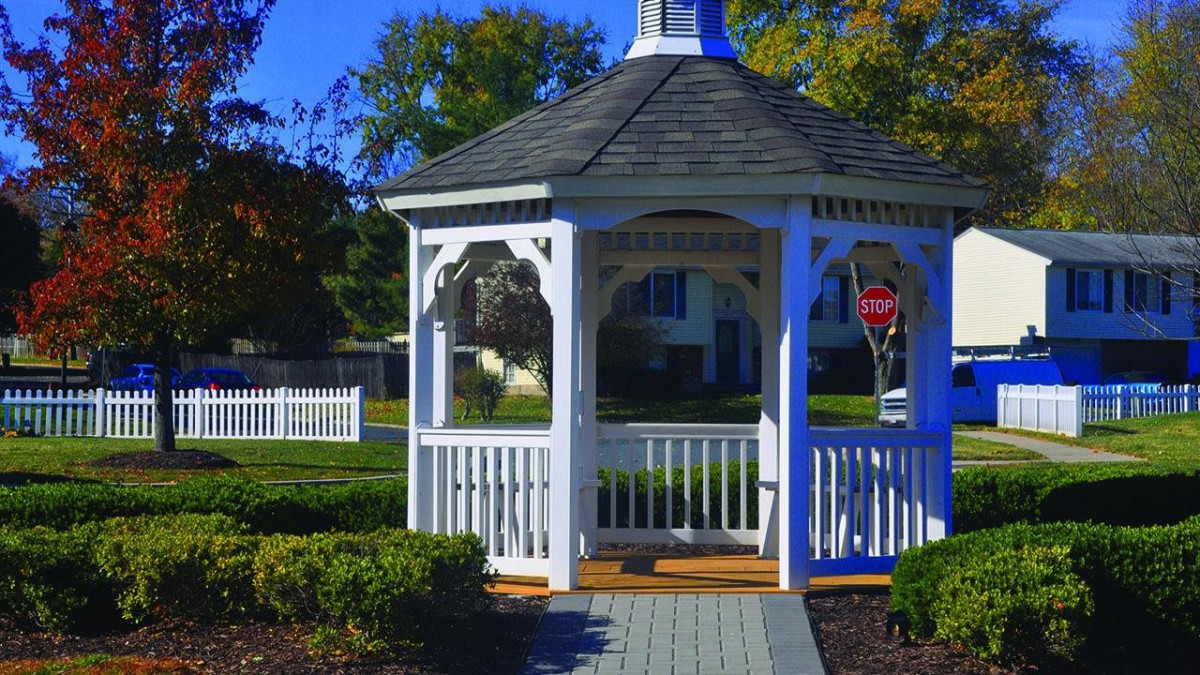
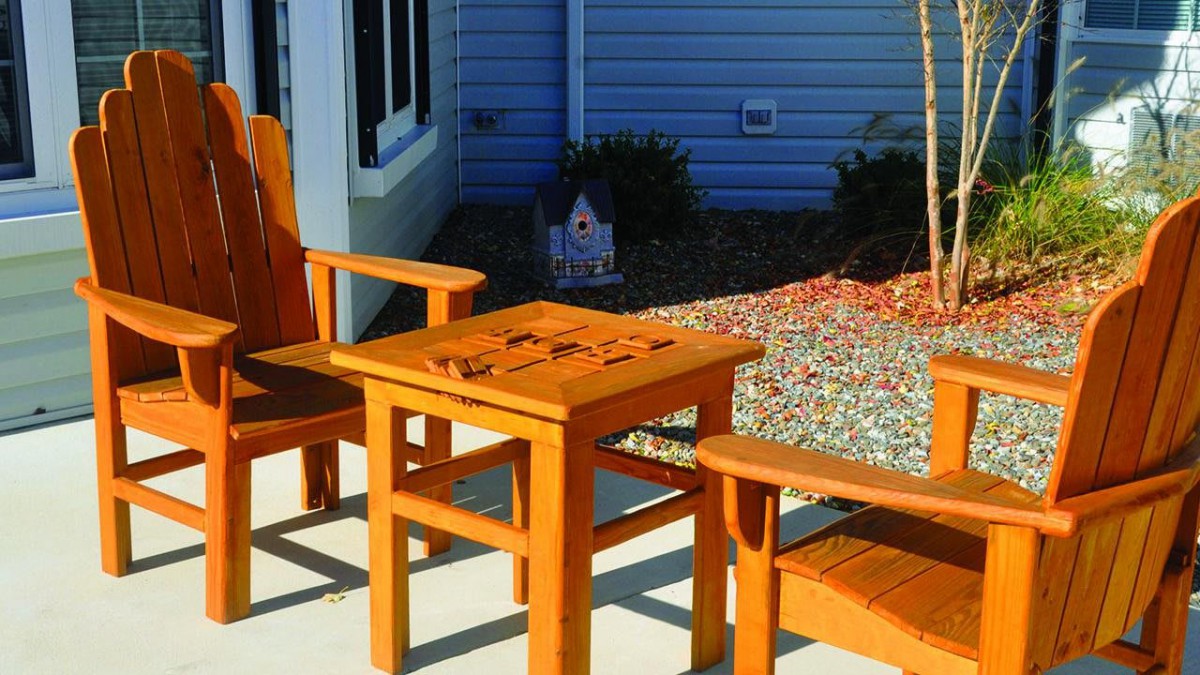
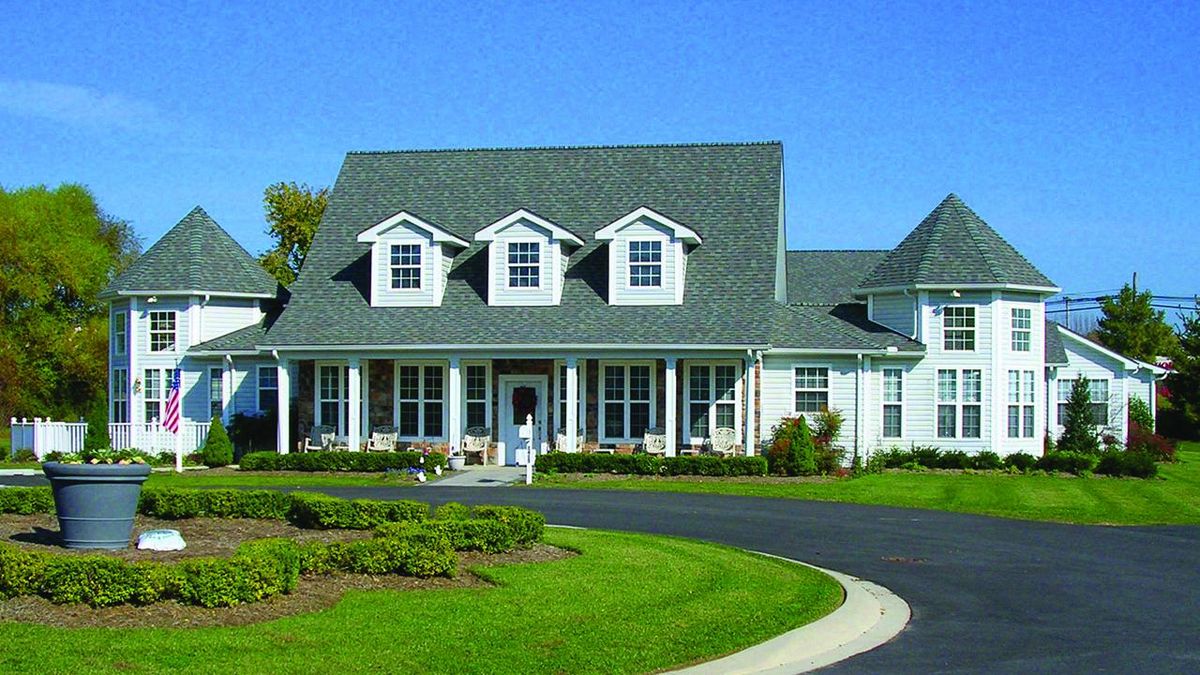
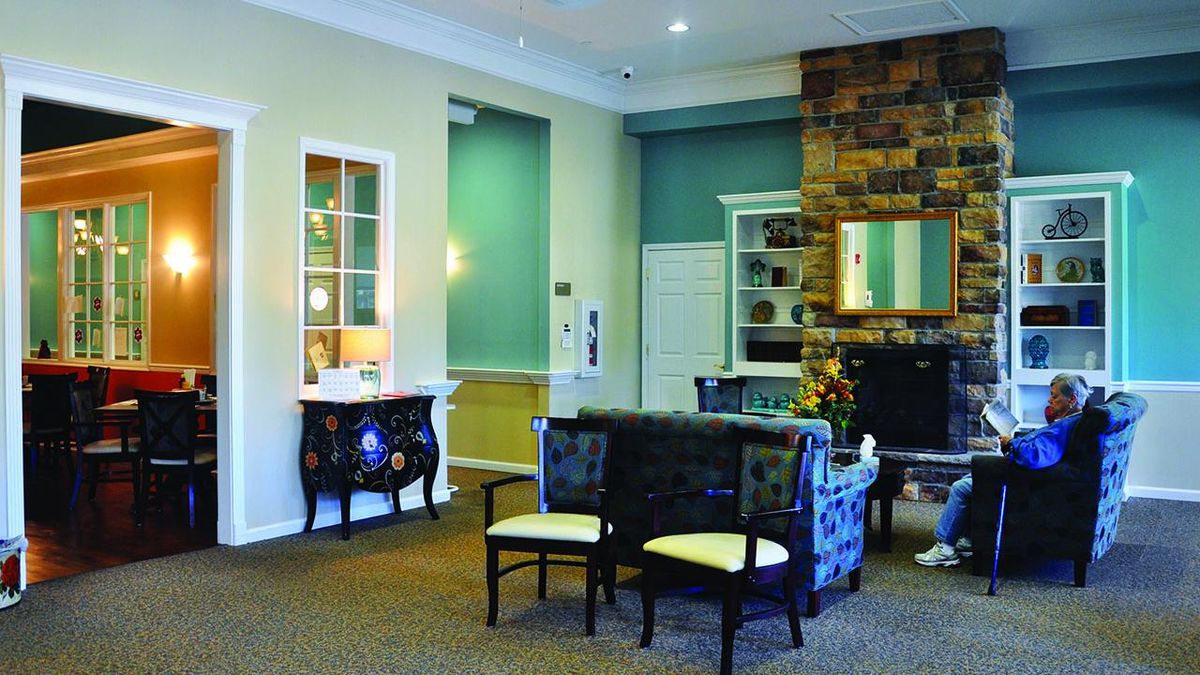
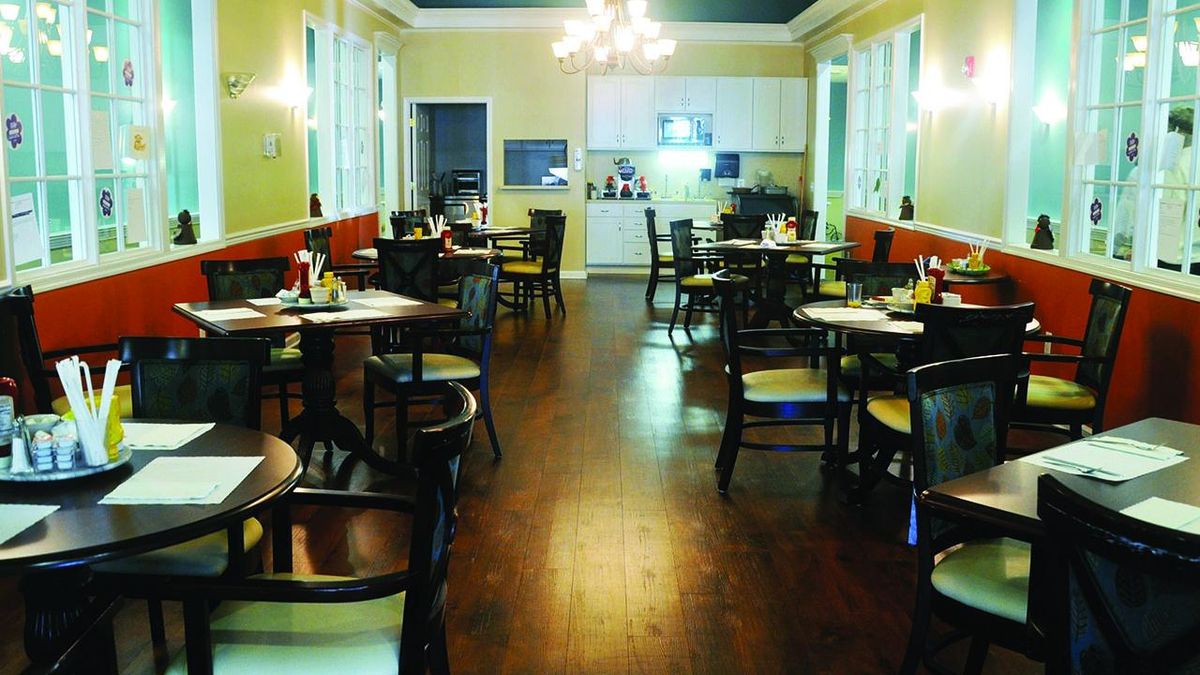
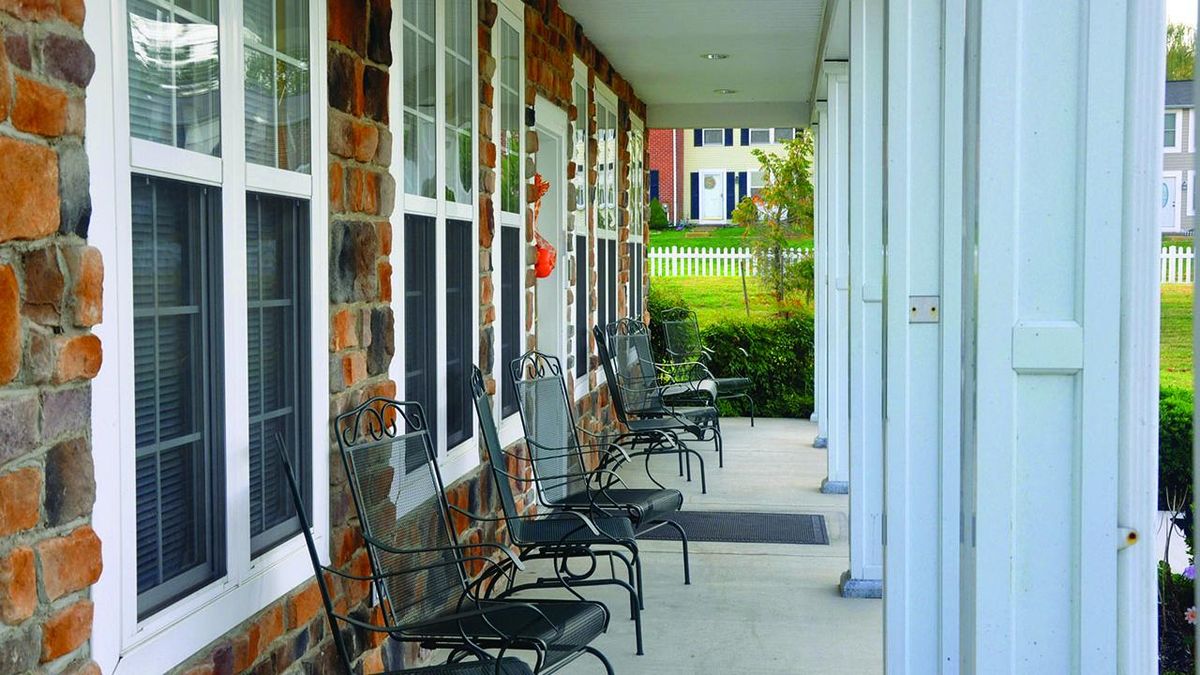
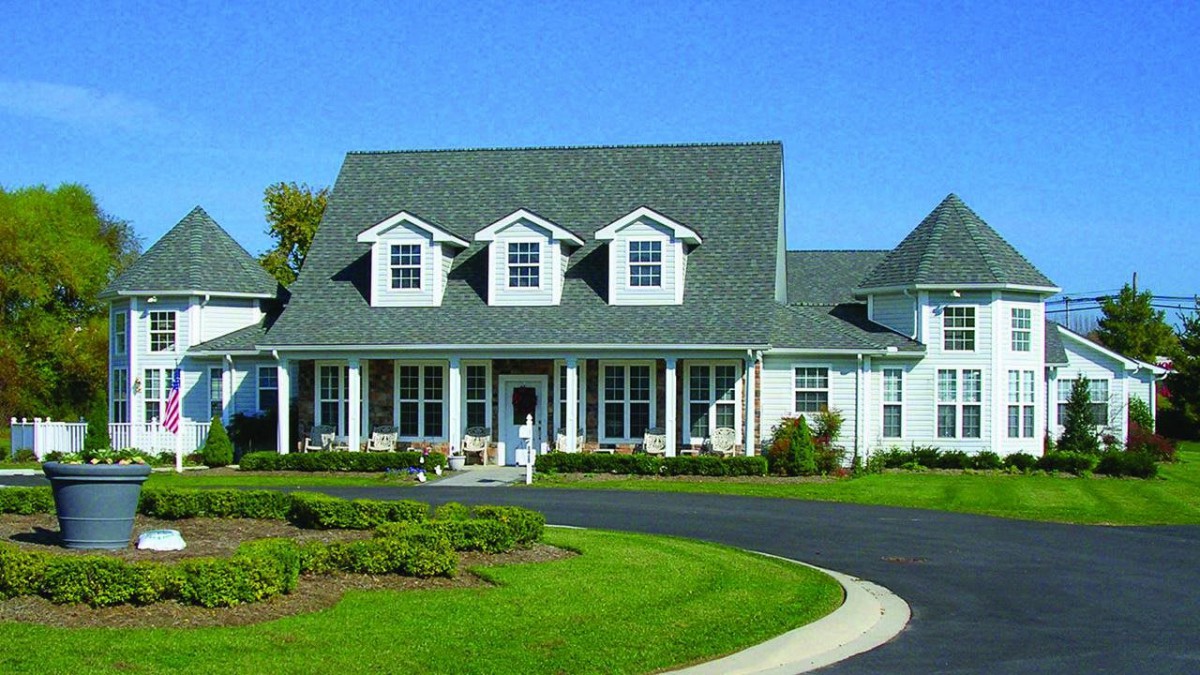
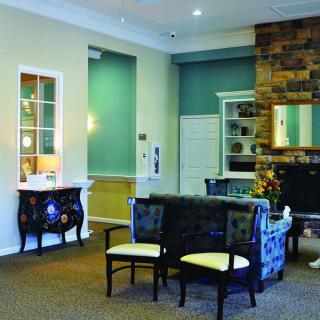
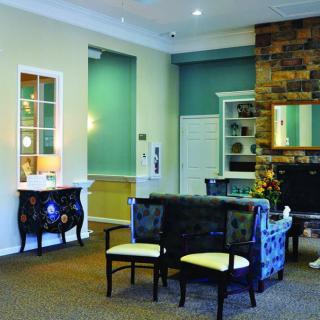
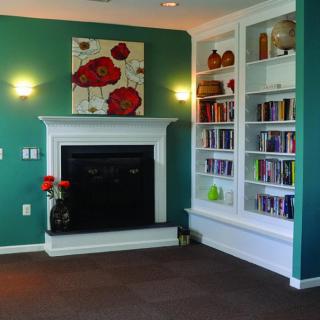
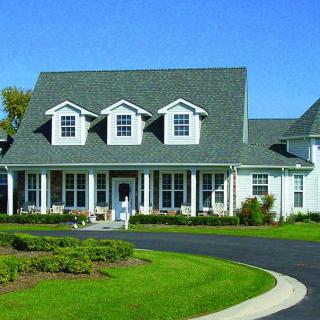
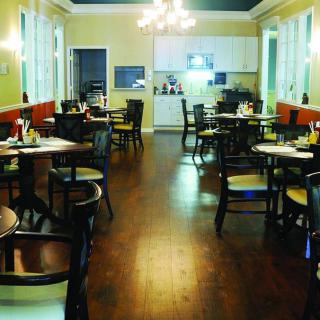
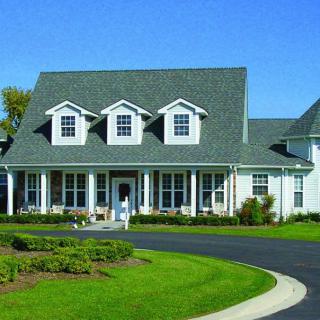
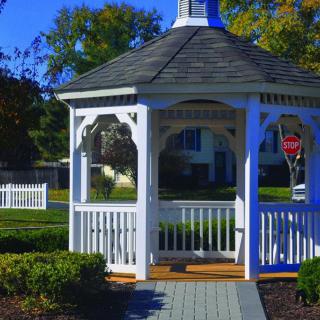
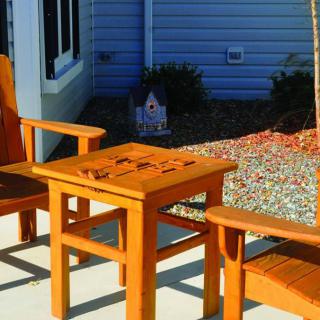
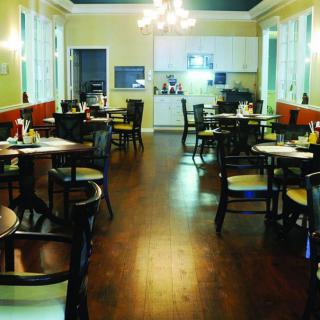
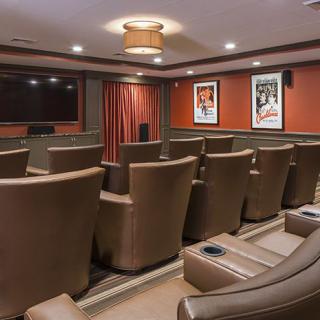
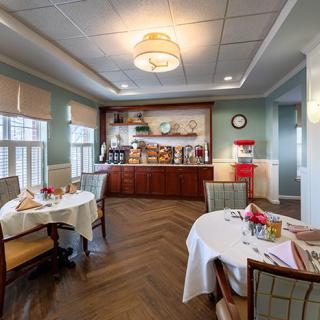
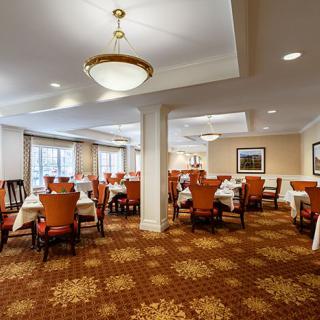
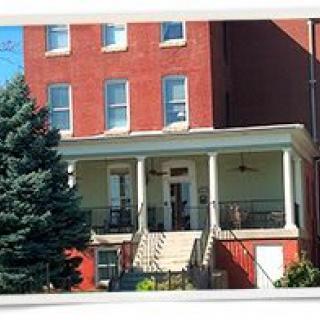
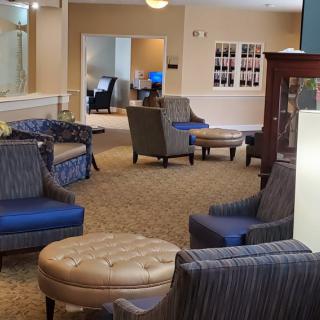
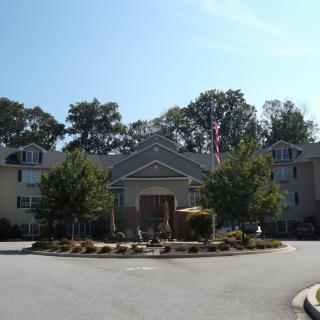
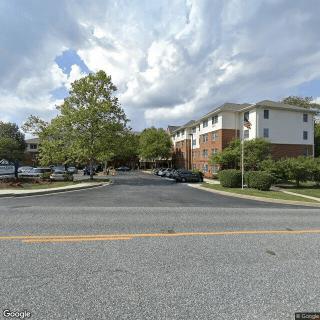
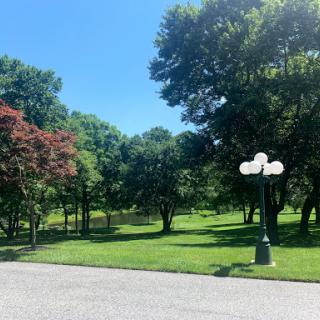
Commonwealth Senior Living at Bel Air on seniors.fyi includes 13 photos including images showing interior, landscaping, dining, architecture, fireplace, living room, decor, chandelier, and more.
Nearby Communities
Greenfield Senior Living At Bel Air 2
Bel Air, MD
4.9 from 75 reviews
Small, intimate 16-bed setting with comprehensive care and on-site amenities.
Forest Hill Health And Rehabilitation Center
Forest Hill, MD
3.9 from 112 reviews
Extensive amenities and comprehensive care services.
Amazing Grace Assisted Living Inc
Bel Air, MD
Diabetic care and on-site activities.
Forest Hill Heights
Forest Hill, MD
4.3 from 41 reviews
$5,375 to $6,411 / month
Caring staff with engaging activities in a clean, welcoming environment.
Hart Heritage Estates
Forest Hill, MD
4.7 from 125 reviews
$5,500 / month
Caring staff in a warm, well-maintained setting with engaging activities.
Caring Connection, Inc.
Bel Air, MD
1 from 1 review
Convenient location with easy access to amenities, healthcare, dining, and recreation.
Jacob's Well Assisted Living Home
Bel Air, MD
3.8 from 36 reviews
Beautiful grounds and a warm, home-like atmosphere with attentive staff and good meals.
Park View at Box Hill
Abingdon, MD
3.5 from 15 reviews
$970 to $1,165 / month
Friendly community with active activities, compassionate staff, and affordable 1- and 2-bedroom options.
Hart Heritage Estates Assisted Living of Street
Street, MD
4.4 from 8 reviews
$5,500 / month
Clean, attractive facility with caring, professional staff.
Sundown syndrome, or sundowning, is a phenomenon in dementia patients characterized by increased confusion and agitation during late afternoon and evening, influenced by factors like disrupted circadian rhythms and fatigue. Effective caregiver strategies include establishing routines and managing environmental light while addressing caregiver stress through support services.
Delirium is a rapidly onset, reversible cognitive disturbance often caused by acute medical issues, while dementia is a gradual and irreversible decline due to chronic neurodegenerative diseases. Accurate differentiation between the two is essential for appropriate treatment and management in older adults.
Dementia, including Alzheimer’s disease, is often mischaracterized in terms of lethality as it leads to complications that can be fatal rather than being a direct cause of death; it causes a progressive decline in cognitive and physical health, making patients vulnerable to infections and other health crises. Effective management of nutrition, hydration, and communication is crucial in patient care, with palliative care becoming vital in advanced stages to enhance comfort and quality of life while caregivers play a key role amidst the challenges posed by the disease.
Get PricingAsk A QuestionSchedule A TourContact Senior Advisor
By clicking submit, you agree to our Partner's Terms of Use. You
also consent to receive calls and texts, which may be autodialed, from our Partner. Your consent is not a condition to
using our Partner's service. Please visit our Partner's Privacy Policy for information about their privacy practices.

 Studio apartments
 Assisted Living
 Memory Care
 Respite Care
 Cats allowed
 Dogs allowed
 Activities on-site
 Air-conditioning
 Beautician on-site
 Cable or satellite TV
 Cafe
Cafe Devotional services on-site
 Dining room
 Financing advice
 Fully furnished
 Garden
 Guest parking
 Housekeeping services
 Indoor common areas
 Kitchenette
 Laundry
 Move-in coordination
 Outdoor common areas
 Party space
 Pet friendly
 Restaurant-style dining
 Small library
 Telephone
 Wi-Fi/high-speed internet available
 Transportation & parking
 24-hour call system
 Ambulatory care
 Assistance with bathing
 Assistance with dressing
 Assistance with transfers
 Diabetes diet
 Diabetic care
 High acuity care
 Hospice care
 Incontinence care
 Medication management
 Mental wellness program
 Physical therapy
 Special dietary restrictions
 Transportation arrangement (medical)
 Arts and crafts
 Catholic services
 Cooking club
 Fitness programs
 Games
Games Happy hour
 Live musical performances
 Sensory-based programs
 Stories
 English
 Small, intimate 16-bed setting with comprehensive care and on-site amenities.

 Comprehending Evening Confusion in Dementia: Causes, Manifestations, and Support
 Delirium and Dementia: Unraveling the Key Differences
 Are Dementia and Alzheimer's Disease Lethal? A Comprehensive Exploration