
6007 Sefton Avenue, Baltimore, MD 21214
For more information about senior living options: (866) 208-4318
Overall Review of Sefton Home Care
Cons
 The reviewer was not overly thrilled with the treatment of a family member.
- He was told he can't call his sister-in-law because her "443" is considered long distance.
- He was told he doesn't receive any part of his social security.
- The owner told him no more visits until the pandemic is over.
- The owner claimed the father was staying in quarantine so no other residents would be in danger.
- Meanwhile, the father's roommate goes in and out of the room unmasked.
- The roommate walks to the store and back and walks all over the house.
- Filthy facility on top of the owner being a jerk.
- Mark McDaniel has a grudge against the 80-year-old father and has threatened him, including moving him to another location so he'd have 3 Black roommates.
Review
Sefton Home Care in Baltimore is best suited for families who intend to stay heavily involved and prepared to advocate on a loved one’s behalf in a small, owner‑run setting. This is not a hands‑off, corporate facility; decisions appear concentrated with leadership, and expectations should include frequent family engagement, clear boundaries, and readiness to challenge management when concerns arise. For residents who benefit from a more personal, home‑like atmosphere but require vigilant oversight to safeguard dignity and safety, Sefton can function as a workable option, provided expectations are managed and a plan for ongoing oversight is in place.
Those who prioritize consistently respectful communication, transparent policies, and sturdy safety practices should seriously consider alternatives. The reviews portray a pattern of problematic resident treatment, restricted family contact, and ambiguous handling of finances that affect daily life and well‑being. Further, a defensive posture from management and reports of uneven safety conduct raise red flags for families hoping for a predictable, patient‑centered care experience. If these elements are non‑negotiable, the search should move to other communities with stronger governance and clearer resident protections.
In weighing pros against the cons, the scant positive signals in the available feedback do not meaningfully offset the major concerns. A single, positive rating exists but lacks substantive detail about care quality or meaningful benefits. Without concrete, verifiable advantages, such as transparent care plans, dependable staffing, or demonstrable respect for residents and families, the potential upsides disappear in the face of reported governance tensions and care‑quality questions. The absence of clear, documented improvements makes any supposed upside negligible for families weighing this as a long‑term home.
The core drawbacks are significant and multi‑dimensional. Family members report troubling treatment of a resident, with policies that restrict basic communications (not allowing calls deemed long distance) and questions about whether portions of Social Security are provided to the resident. Policy rigidity during times of health risk further narrows access to family involvement and oversight. Compounding these issues, a resident’s roommate is described as moving about unmasked and interacting with the community in ways that raise safety concerns. Allegations of hostile behavior by the owner, including threats and relocation pressure, add a distressing interpersonal layer. The facility is described by some as filthy, and the owner’s demeanor is characterized as unaccommodating. Taken together, these elements undermine daily quality of life, resident dignity, and long‑term wellbeing.
For families evaluating care, the practical path is thorough verification and diligent due diligence. Visit in person with a careful checklist focusing on cleanliness, safety routines, and staff responsiveness; request a clear, written care plan with explicit assignments, schedules, and visitation policies; demand direct access to leadership to discuss billing practices and policy rationales. Speak with current residents or other families about routine care, conflict resolution, and how grievances are handled. Examine staffing ratios, emergency procedures, and whether resident autonomy is respected. Have a contingency plan to pursue other options if standards fall short, including a clear escalation path with regulatory bodies if needed.
Bottom line: Sefton Home Care demands a high level of familial involvement, vigilance, and willingness to challenge leadership. If safety, respectful treatment, and transparent governance are non‑negotiable, this community warrants a cautious, limited consideration and should be weighed against stronger, more consistently managed options. For families comfortable with aggressive oversight and prepared to insist on concrete, verifiable improvements, Sefton could be a last‑mile option, but only after exhaustive corroboration from multiple sources and a concrete plan to monitor care and uphold resident dignity.
 8 resident community capacity
 Assisted Living
 Cable or satellite TV
 Dining room
 Fully furnished
 Garden
 Housekeeping services
 Move-in coordination
 Outdoor space
 Telephone
 Wi-Fi/high-speed internet available
 Baltimore-Washington International (14 miles away)
 24-hour supervision
 Activities of daily living assistance
 Assistance with bathing
 Assistance with dressing
 Assistance with transfers
 Diabetes diet
 Meal preparation and service
 Medication management
 Special dietary restrictions
 Transportation arrangement (medical)
 Transportation to doctors appointments
 Personalized care with 24-hour supervision and comprehensive support.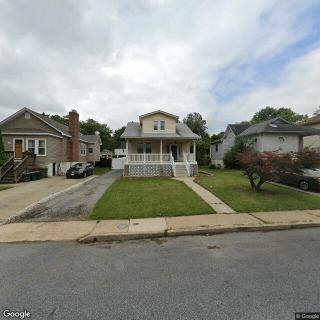



 How and When Medicaid May Cover Assisted Living Costs
 A Detailed Exploration of Assisted Living Medicaid Waivers Across the United States
 Comprehensive Residential Support and Assisted Living Solutions for Individuals with Disabilities