
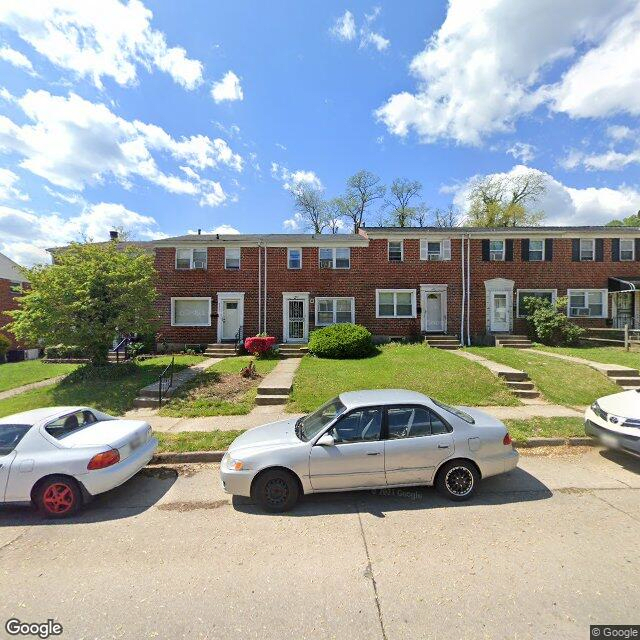
4859 Melbourne Road, Baltimore, MD 21229
For more information about senior living options: (866) 208-4318
Overall Review of Scotlands
Pros
 Dsykes credits Mr. Scotland and Ms. Roslyn Powell for his progress and where he is today.
- Since arriving at Scotland Manor, Dsykes has secured a job.
- The resident acknowledges the staff’s support as essential to his improvement.
Cons
 The review claims the facility is a ripoff and overcharges people.
- The review accuses the facility of taking residents' stimulus money.
- The review calls the situation absolutely terrible.
- The review says it will report the facility for taking advantage of vulnerable adults.
Review
Scotland Manor in Baltimore is best suited for older adults who need light to moderate supervision and respond well to hands-on, relationship-driven care from a small operator. The community thrives when staff leaders are engaged with residents on a personal level, and when residents are open to guided progress toward independence, such as securing employment or navigating guardianship with supportive oversight. In short, this setting works best for someone who wants intimate, attentive attention from a core team and who is willing to engage in a structured path to greater self-sufficiency under steady mentorship.
At the same time, it is essential to recognize who should consider alternatives. Families prioritizing transparent pricing and ironclad financial safeguards should look elsewhere. The most troubling signals center on financial practices, with reviews alleging overcharging and misdirection of funds, creating a red flag for potential exploitation. For residents with significant medical needs requiring predictable, comprehensive clinical oversight, the model here may prove insufficient. Prospective residents should demand clear, itemized billing and independent accountability to avoid mistaking personal attention for a guarantee of fair charges.
The strongest argument in Scotland Manor’s favor is the demonstrable impact of dedicated staff leadership on individual progress. One resident credits Mr. Scotland and Ms. Roslyn Powell with facilitating a transition from guardianship to autonomy, including obtaining employment and building independence. That kind of outcomes-focused support, where staff actively remove barriers to advancement and connect residents with opportunities, represents real value in a setting that prioritizes personal relationships. When leadership and frontline staff align with a resident’s goals, meaningful strides can emerge, turning a small facility into a genuine launching pad.
But the negatives cannot be dismissed. The financial accusations cast a long shadow: allegations of overcharging and improper handling of stimulus funds suggest serious risks around trust and governance. Coupled with a low overall rating and a small pool of highly satisfied voices, the experience appears uneven. This unevenness means outcomes may hinge more on individual staff dynamics than on a predictable program across all shifts and seasons. For families, the core concern is whether care quality and resident protections hold steady across time and staff changes.
Whether the positive attributes offset the negatives depends on risk tolerance and discipline in oversight. If a family can tolerate the possibility of high-touch staff engagement paired with a price structure that is transparent and contractually clear, there is a potential upside: the kind of personalized attention that can unlock independence and improve daily living routines. However, the warning bells are loud enough to demand a rigorous due-diligence process. Insist on a written, itemized fee schedule, request recent financials or an independent audit of charges, and verify the exact protections in place to safeguard resident funds. Confirm who is responsible for financial oversight and how disputes are resolved.
For families seriously evaluating Scotland Manor, approach the decision with a concrete plan. Meet with leadership to map out care goals, review the scope of services included, and obtain a detailed cost breakdown before any commitment. If independence and personal growth delivered through engaged staff are non-negotiable and the financial arrangement can be proven fair and transparent, the community can offer meaningful progress. If not, pursuing alternatives with clearer pricing, broader medical support, and stronger financial safeguards is prudent. The choice hinges on balancing the potential for individualized progress against clear, enforceable protections against financial risk.
 3 resident community capacity
 Assisted Living
 Board and Care Home
 Cable or satellite TV
 Dining room
 Fully furnished
 Garden
 Housekeeping services
 Move-in coordination
 Outdoor space
 Telephone
 Wi-Fi/high-speed internet available
 Baltimore-Washington International (7 miles away)
 24-hour supervision
 Activities of daily living assistance
 Assistance with bathing
 Assistance with dressing
 Assistance with transfers
 Diabetes diet
 Meal preparation and service
 Medication management
 Special dietary restrictions
 Transportation arrangement (medical)
 Transportation to doctors appointments








 Medicare Coverage for Assisted Living: An In-Depth Exploration
 Choosing the Right Senior Care: A Detailed Exploration of Assisted Living and Nursing Homes
 Understanding the True Cost of Assisted Living in 2025: A Comprehensive Guide