Purpose House

1703 East 29Th Street, Baltimore, MD 21218

For more information about senior living options: (844) 490-3973

4.4 from 87 reviews
5 stars
65
4 stars
9
3 stars
2
2 stars
3
1 stars
8

Assisted Living

What level of care are you interested in?

Assisted Living

Memory Care

Independent Living

Skilled Nursing Facility

Continuing Care Retirement Community (CCRC)CCRC

Other


Request a tour at Purpose House

    Overall Review of Purpose House

    Pros

    • pro HUM provides a safe place to heal and recover from years of abuse and addiction.
    • pro The staff are loving and supportive.
    • pro Helping Up Mission is a life-changing recovery center.
    • pro It offers top-notch, Christian-based drug and alcohol rehabilitation.
    • pro The veteran services restore veterans' self-worth and provide shelter and basic needs.
    • pro Mr. Rasheed Savage offers professional help, especially to veterans.
    • pro The organization provides food, shelter, support, and the Word of God to those in need.
    • pro The program saves lives and supports long-term sobriety.
    • pro It is a blessing to families and communities.

    Cons

    • pro They wouldn't even let him in the program.
    • pro They turned away the son because he was bipolar and has PTSD, despite his trauma.
    • pro They refused admission due to mental health and trauma concerns, claiming they couldn't risk him being there with 300 other men.
    • pro They reportedly stole clients' personal property and treated the overnight shelter horribly, with residents treated like they were in jail.
    • pro The staff were unhelpful, uninterested, uninvested, and intentionally ignorant.
    • pro The intake process was inconsistent and confusing, with conflicting information about intake times.
    • pro They allegedly evict residents without proper notice and fail to provide refunds for charges.
    • pro Millions of donated dollars have been stolen by the organization.

    Review

    Helping Up Mission (HUM) emerges from the collection of reviews as a place that many people credit with dramatic life changes, while also sparking a wide range of experiences that reflect the complex reality of running a recovery-focused program. For many, HUM is described as a safe, supportive space where years of abuse and addiction can be confronted and healed. A number of voices emphasize the shelter, the structure, and the spiritual framework that surrounds the work, with residents and alumni speaking about a genuine sense of belonging and renewal. One longtime participant proudly notes that they will celebrate four years of sobriety on a specific date in 2025, describing themselves as thriving and expressing gratitude for the transformation HUM helped catalyze. The sentiment is echoed by others who stress that the organization provides a real chance to start again, offering not just survival but a new outlook on life. The theme that recurs here is not merely shelter or detox; it is rehabilitation that many describe as deeply personal and enduring.

    The personal narratives frequently center on the human warmth of the staff and the culture of care that supporters associate with HUM. People talk about staff who genuinely love and support those in recovery, with some reviewers asserting that staff continue to be part of their journey long after formal involvement has ended. The gratitude expressed by participants ranges from emotional relief to practical gratitude for the guidance and ongoing encouragement that helped them stay the course. For veterans in particular, the program is praised for its veter?ans' services - shelter, help with basic needs, and addiction recovery support tailored to those who have served. A specific administrator and contact, Mr. Rasheed Savage, is highlighted by several reviewers as professional, reliable, and effective in helping veterans navigate the path toward stability and dignity.

    Family members and friends also speak powerfully about HUM's impact. One reviewer describes how the program has helped an adult family member - specifically the father of their children - achieve a remarkable recovery and gain the pride of his loved ones. The narrative conveys not only personal recovery but a broader restoration of family bonds and social standing, with gratitude directed toward the organization and even divine gratitude for the transformation witnessed. Donors share in this spirit as well, recounting emotional moments when giving clothing or other items felt meaningful and acknowledged. The sense that HUM treats generosity with respect and appreciation comes through clearly, reinforcing a belief in the organization as a community asset whose influence extends beyond its clients to the wider network of supporters and volunteers.

    Beyond individual testimonials, several reviewers identify HUM as a high-quality, Christian-based rehabilitation option. The descriptions emphasize a robust program that includes meetings, education, and a sense of purpose anchored in faith. One reviewer characterizes HUM as a "top-notch" rehab option with a high success rate, while others highlight the opportunity to contribute back to the community as part of the healing process. There is also a sense that HUM is a place where values like compassion, service, and accountability are cultivated in practical ways, including partnerships and programming that aim to reconnect people with work opportunities and social responsibilities. The mention of Johns Hopkins and other program elements adds a layer of credibility for some readers who are evaluating the holistic approach and the supportive ecosystem that surrounds recovery.

    However, the compilation also contains a number of criticisms and painful experiences that provide a stark counterbalance to the otherwise hopeful stories. A few reviewers describe barriers to admission, recounting occasions when individuals faced rejection or unclear intake procedures. One account simply states, "they wouldn't even let me in program," reflecting a sense of exclusion or misalignment with the facility's policies. Another reviewer expresses deep disappointment with how a family member with bipolar disorder and PTSD was treated during intake, alleging that the decision to turn him away overlooked crucial context about his mental health and trauma history. Other criticisms touch on logistical issues like intake timing and accessibility, with a caller noting inconsistent information about when intake occurs and describing a situation where a wheelchair-bound individual felt neglected by staff.

    The most troubling and specific allegations fall into concerns about treatment at the shelter and the handling of clients' possessions. A reviewer claims that clients' personal property was stolen and that the overnight shelter conditions felt punitive - like jail rather than a supportive recovery setting. There is also a charged allegation that "millions of donated dollars have stolen" from the organization, a claim that is presented in the review as something the community should be aware of. Taken together, these points underscore a reality that even a well-intentioned faith-based program may face: real people navigate real struggles, and the experience of care can diverge dramatically from expectations or ideals. Other comments reflect frustration with perceived institutional barriers or staff disengagement, which can leave prospective clients or partners feeling uncertain about whether HUM will meet their needs.

    In sum, the stories about Helping Up Mission illustrate a tapestry of impact: life-changing recovery for many individuals, meaningful support for veterans, and a sense of community belonging that extends into families and donors. At the same time, the reviews reveal significant tensions around access, consistency of care, and allegations of misconduct or mismanagement. Readers are invited to see HUM as a place of action, faith, and service that can deliver powerful personal transformation for some, while also confronting the harsh realities and logistical challenges that can accompany large, faith-based recovery programs. The overarching message from these voices is that HUM holds tremendous potential to be a beacon of hope, but like any large organization dealing with complex social issues, it is also a space where improvements, accountability, and ongoing dialogue are essential to ensure that the most vulnerable receive the help they need in a fair and respectful manner.

    Features

    Housing

    • 4 resident community capacity 4 resident community capacity

    Types of Care

    • Assisted Living Assisted LivingAssisted living facilities provide crucial support and care for seniors who may need help with daily tasks such as medication management, bathing, and meal preparation. These communities offer a safe and comfortable environment where seniors can maintain their independence while receiving the assistance they need to thrive in their golden years.

    Amenities

    • Cable or satellite TV Cable or satellite TVCable or satellite TV is important for seniors because it provides entertainment, news, and companionship, helping to combat loneliness and boredom. It also offers a wide range of programming options tailored to different interests and preferences.
    • Dining room Dining roomDining rooms are important for seniors as they provide a space for socialization, connection, and nutritious meals. They offer opportunities for residents to bond over shared meals, foster a sense of community, and promote healthy eating habits. Dining rooms also ensure that seniors have access to well-balanced meals tailored to their dietary needs and preferences.
    • Fully furnished Fully furnishedFully furnished senior living communities are important for seniors because they provide convenience, comfort, and a hassle-free moving experience. Seniors can easily settle into their new living space without the stress of having to buy and move furniture. This allows them to focus on enjoying their new home and community.
    • Garden GardenGardens are important for seniors as they provide a peaceful and therapeutic environment for relaxation, physical activity, and socialization. Being in nature has been shown to reduce stress, improve mood, and promote overall well-being. Gardens also offer opportunities for seniors to engage in gardening activities, which can improve mobility, flexibility, and cognitive function. Additionally, gardens create a sense of community and connection with others who share a passion for plants and outdoor spaces.
    • Housekeeping services Housekeeping servicesHousekeeping services are important for seniors because they help maintain a clean and safe living environment, promote independence, and reduce the risk of accidents or illnesses. Additionally, having assistance with household chores can alleviate physical strain and allow seniors to focus on other aspects of their well-being.
    • Move-in coordination Move-in coordinationMove-in coordination is important for seniors because it helps ease the transition into their new living environment. It ensures that all logistics, such as packing, organizing movers, and setting up utilities are taken care of, allowing seniors to focus on settling in and adjusting to their new home. Having a smooth move-in process can alleviate stress and anxiety, making the transition smoother and more enjoyable for seniors.
    • Outdoor space Outdoor spaceOutdoor spaces are important for seniors as they provide opportunities for physical activity, social interaction, exposure to natural light and fresh air, and a sense of connection to nature. Having access to outdoor spaces can improve overall well-being and quality of life for older adults living in senior communities.
    • Telephone TelephoneTelephones are important for seniors as they provide a lifeline for communication with loved ones, emergency services, and healthcare providers. They offer a sense of security and independence, enabling seniors to stay connected and access assistance when needed.
    • Wi-Fi/high-speed internet available Wi-Fi/high-speed internet availableWi-Fi/high-speed internet is important for seniors to stay connected with loved ones, access online resources, and participate in virtual activities to combat feelings of loneliness and isolation. It also allows them to easily manage healthcare needs, access entertainment, and engage in lifelong learning opportunities.

    Transportation

    • Baltimore-Washington International (11 miles away) Baltimore-Washington International (11 miles away)

    Care Services

    • 24-hour supervision 24-hour supervision24-hour supervision is important for seniors to ensure their safety, well-being, and access to immediate assistance in case of emergencies or health issues. This constant support provides peace of mind for both seniors and their loved ones, allowing them to age in place with dignity and security.
    • Activities of daily living assistance Activities of daily living assistanceActivities of daily living assistance are important for seniors because they provide essential support with tasks such as eating, bathing, dressing, and mobility. This assistance helps seniors maintain their independence, dignity, and overall quality of life as they age.
    • Assistance with bathing Assistance with bathingAssistance with bathing is crucial for seniors as it helps maintain personal hygiene, prevents infections, and ensures their overall well-being and comfort. It also provides a sense of dignity and independence for seniors who may struggle with this task on their own.
    • Assistance with dressing Assistance with dressingAssistance with dressing is important for seniors because it helps maintain their independence, promotes personal hygiene, prevents accidents and injuries, and improves overall quality of life. This service ensures that seniors can continue to dress comfortably and confidently, despite any physical limitations they may have.
    • Assistance with transfers Assistance with transfersAssistance with transfers is crucial for seniors as it helps prevent falls and injuries, maintains their independence, and ensures they can safely navigate their living environment. It also provides peace of mind for both seniors and their loved ones.
    • Coordination with health care providers Coordination with health care providersCoordination with health care providers is crucial for seniors to ensure proper medical care, medication management, and overall well-being. This collaboration helps prevent overlapping treatments, track progress more effectively, and provide comprehensive support tailored to individual needs.
    • Diabetes diet Diabetes dietA diabetes diet is crucial for seniors as it helps manage blood sugar levels, reduce risks of complications, and improve overall health and well-being. By following a balanced and nutritious diet tailored to their specific needs, seniors can better control their diabetes and enhance their quality of life.
    • Meal preparation and service Meal preparation and serviceMeal preparation and service are crucial for seniors as they may have limited mobility or energy to cook nutritious meals. Having access to healthy and convenient food options can ensure they are getting the proper nutrition needed to maintain their overall health and well-being.
    • Medication management Medication managementMedication management is crucial for seniors to ensure they are taking the right medications at the correct dosages and times. This helps prevent adverse drug interactions, reduces the risk of medication errors, and promotes overall health and well-being. Proactive management also allows for adjustments as needed based on changing health conditions or new prescriptions.
    • Special dietary restrictions Special dietary restrictionsSpecial dietary restrictions are important for seniors because age-related changes in metabolism and health conditions can make it difficult for their bodies to process certain foods. By following a diet tailored to their specific needs, seniors can maintain their overall health and well-being, manage chronic conditions, and reduce the risk of complications such as malnutrition or food interactions with medications.
    • Transportation arrangement (medical) Transportation arrangement (medical)Transportation arrangements for medical purposes are essential for seniors as they may have difficulty driving themselves to appointments or accessing public transportation. Having reliable and safe transportation options ensures that seniors can receive timely medical care and maintain their health and well-being.
    • Transportation to doctors appointments Transportation to doctors appointmentsTransportation to doctors' appointments is crucial for seniors as it ensures they have access to necessary medical care and support for their health needs. Without reliable transportation, seniors may struggle to attend important appointments, leading to potential delays in treatment and health complications. Providing transportation services helps seniors maintain their overall well-being and quality of life.

    Dining

    • Diabetes diet Diabetes dietA diabetes diet is crucial for seniors as it helps manage blood sugar levels, reduce risks of complications, and improve overall health and well-being. By following a balanced and nutritious diet tailored to their specific needs, seniors can better control their diabetes and enhance their quality of life.
    • Special dietary restrictions Special dietary restrictionsSpecial dietary restrictions are important for seniors because age-related changes in metabolism and health conditions can make it difficult for their bodies to process certain foods. By following a diet tailored to their specific needs, seniors can maintain their overall health and well-being, manage chronic conditions, and reduce the risk of complications such as malnutrition or food interactions with medications.

    Activities

    • Community-sponsored activities Community-sponsored activitiesCommunity-sponsored activities are important for seniors as they provide opportunities for social interaction, mental stimulation, and physical activity. These activities can help improve overall well-being, combat loneliness and isolation, and promote a sense of belonging and purpose among older adults.
    • Scheduled daily activities Scheduled daily activitiesScheduled daily activities are important for seniors because they provide structure, socialization, mental stimulation, and physical activity. Engaging in regular activities can improve overall well-being and quality of life for seniors living in a community setting.

    Description

    Purpose House is an assisted living community located in Baltimore, MD. Our community offers a range of amenities and care services to ensure that our residents live comfortably and receive the support they need.

    Our spacious dining room provides a welcoming atmosphere for residents to enjoy delicious meals prepared by our dedicated staff. The entire community is fully furnished, offering a cozy and homely environment. Residents can also take advantage of our beautiful garden and outdoor space, perfect for relaxation and socializing.

    We understand the importance of maintaining a clean living environment, which is why we offer housekeeping services to all residents. Additionally, our move-in coordination services make transitioning into our community seamless and stress-free.

    To keep residents connected with their loved ones and the outside world, we provide telephone lines and Wi-Fi/high-speed internet access throughout the community.

    At Purpose House, we prioritize the health and well-being of our residents. Our dedicated team provides assistance with activities of daily living such as bathing, dressing, and transfers. We also coordinate with healthcare providers to ensure that residents receive proper medical care. For those with diabetes or special dietary restrictions, we offer specialized meal plans and medication management.

    Transportation is an essential service for seniors, which is why we arrange transportation to medical appointments. In addition, there are numerous cafes, parks, pharmacies, physicians' offices, restaurants, places of worship nearby for convenience.

    We believe in fostering an active lifestyle among our residents. Our scheduled daily activities provide opportunities for social engagement and entertainment.

    If you are looking for an assisted living community that prioritizes comfort, support, and engaging activities in Baltimore, MD, Purpose House is here to meet your needs. Come visit us today!

    Nearby Places of Interest

    Pharmacies

    • Walgreens (0.9 miles)
    • CVS Pharmacy (1 miles)
    • CVS Pharmacy (1.4 miles)
    • Walgreens (1.6 miles)
    • CVS Pharmacy (2.1 miles)
    • CVS Pharmacy (2.1 miles)
    • Rite Aid (2.2 miles)

    Restaurants

    • McDonald's (1 miles)
    • Koco's Pub (1.4 miles)
    • Burger King (1.9 miles)
    • Blakes Crab House (2.2 miles)
    • McDonald's (2.3 miles)
    • Trinacria Macaroni Works (2.7 miles)
    • Ekiben (2.7 miles)

    Hospitals

    • MedStar Union Memorial Hospital (1.3 miles)
    • Kennedy Krieger Institute (1.8 miles)
    • Osler Bulding (1.8 miles)
    • Johns Hopkins Outpatient Pharmacy (1.9 miles)
    • The Charlotte R. Bloomberg Children's Center at Johns Hopkins Hospital (2 miles)
    • UMMC Midtown Campus (2.3 miles)
    • MedStar Good Samaritan Hospital (2.4 miles)

    Physicians

    • Scottish Rite Speech & Language Center (1.6 miles)
    • East Baltimore Medical Center (1.7 miles)
    • Jai Medical Center (1.9 miles)
    • University of Maryland Medical Center Midtown Professional Building (2.3 miles)
    • University Health Center (3 miles)
    • Wozniak Marcella University of Maryland Medical Center Neurology (3 miles)
    • 301 Building at Johns Hopkins Bayview Medical Center (3.4 miles)

    Transportation

    • Penn Station (1.7 miles)

    Cafes

    • Dooby's (2.2 miles)
    • Ceremony Coffee Roasters (2.4 miles)
    • Miss Shirley's Cafe, Roland Park (2.5 miles)
    • Starbucks (2.9 miles)
    • Starbucks (2.9 miles)
    • Pitango Bakery + Cafe (3 miles)
    • Starbucks (3.1 miles)

    Parks

    • Patterson Park (2.6 miles)
    • Patterson Park Annex (2.7 miles)
    • Harbor Point Central Plaza (3 miles)
    • Federal Hill Park (3.2 miles)
    • Rash Field (3.2 miles)
    • Canton Waterfront Park (3.4 miles)
    • Rodgers Forge Tot Lot (3.8 miles)

    Places of Worship

    • Brown Memorial Woodbrook Presbyterian Church (4.2 miles)

    Frequently Asked Questions

    Where is Purpose House?

    Nearby Communities

    • Blessed Heart

      Blessed Heart

      Baltimore, MD


      pro Comprehensive care in a well-equipped, activity-friendly setting.
    • Tender Love & Care

      Tender Love & Care

      Baltimore, MD


      pro Small, personalized assisted living with 24/7 supervision, medication management, and customized meal plans.

    • Hanson Home Care II

      Hanson Home Care II

      Baltimore, MD

      3 from 2 reviews
       

      pro Comprehensive on-site care (24h supervision, ADL assistance, medication management, diabetes diet) in a fully furnished setting with housekeeping and transportation for medical visits.

      Hanson Home Care II reviews

    • Better Days Ahead

      Better Days Ahead

      Baltimore, MD

      5 from 1 review
       

      pro Small, personalized assisted living with fully furnished units, 24/7 supervision, ADL support, meal service, medication management, and care coordination plus on-site amenities.

      Better Days Ahead reviews

    • Step From Home

      Step From Home

      Baltimore, MD


      pro Comprehensive care with ADL assistance, diabetes-friendly meals, transportation for medical visits, and furnished apartments.

    • Royal Star

      Royal Star

      Baltimore, MD


      pro Small, personalized setting with comprehensive care, furnished apartments, and a garden.

    • The Nursing And Rehab Center At Stadium Place

      The Nursing And Rehab Center At Stadium Place

      Baltimore, MD

      4.2 from 100 reviews
       

      pro Comprehensive 24/7 care with diabetes-friendly dining and restaurant-style meals in a furnished setting.

      The Nursing And Rehab Center At Stadium Place reviews
      The Nursing And Rehab Center At Stadium Place images

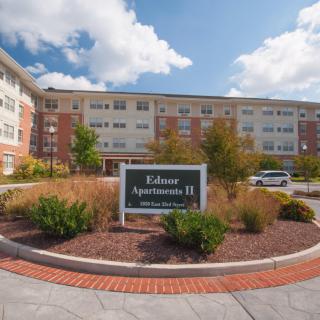
    • Ednor Apartments II

      Ednor Apartments II

      Baltimore, MD

      5 from 5 reviews
      $660 to $737 / month

      pro Spacious apartments with helpful staff and on-site amenities.

      Ednor Apartments II costs
      Ednor Apartments II reviews
      Ednor Apartments II images

    • Oliver Plaza Senior Apartments

      Oliver Plaza Senior Apartments

      Baltimore, MD

      3 from 2 reviews
      $500 to $4,500 / month

      pro Friendly staff; clean, active community with pleasant views.

      Oliver Plaza Senior Apartments costs
      Oliver Plaza Senior Apartments reviews
      Oliver Plaza Senior Apartments images

    Related Resources

    • when to move from assisted living to nursing home8 Key Indicators That Suggest It May Be Time to Transition from Assisted Living to Skilled Nursing Care

      The transition from assisted living to skilled nursing care is often prompted by complex medical needs that assisted living cannot meet, with key indicators including frequent health declines, increased falls, severe memory issues, and caregiver burnout. Families should recognize these signs early to discuss options with healthcare providers and prepare for the emotional and logistical aspects of moving to a facility that offers comprehensive medical support.

    • active senior livingVibrant Senior Living: A Comprehensive Guide for Active Older Adults

      Vibrant Senior Living emphasizes active senior living communities that promote independence and engagement through diverse amenities and activities, fostering wellness and social interaction among older adults. These communities range from independent to assisted living, with a focus on personal growth, family involvement, financial planning, and leveraging technology to enhance residents' experiences.

    • when to move from assisted living to memory careWhen to Transition from Assisted Living to Memory Care: Key Indicators, Steps, and Finding the Right Community

      Transitioning from assisted living to memory care is driven by an individual's cognitive decline and specific needs, requiring careful evaluation of indicators like increased confusion and wandering. The process involves consulting medical professionals, researching suitable communities, considering financial and legal aspects, and ensuring effective communication for personalized care plans.


    Get Pricing Ask A Question Schedule A Tour Contact Senior Advisor