
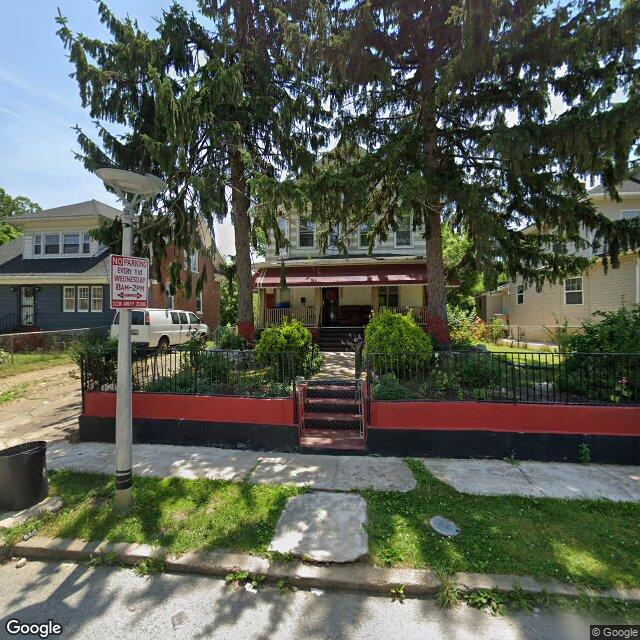
2909 Woodland Ave, Baltimore, MD 21215
To contact a resident: (410) 905-2066
For more information about senior living options: (866) 208-4318
PJ's House of Care Costs & Pricing
PJ's House of Care offers competitive pricing for their semi-private rooms at $2,000 per month, significantly lower than the average costs in Baltimore City, which stands at approximately $3,116, and even more so compared to the broader Maryland state average of $3,545. This pricing structure reflects PJ's commitment to providing accessible care without compromising quality. By positioning itself below the regional averages, PJ's House of Care ensures that families seeking supportive living environments can find an affordable option that meets their needs while still prioritizing comfort and safety.
| Floor plans | PJ's House of Care | Baltimore city | Maryland |
|---|---|---|---|
| Semi-Private | $2,000 | $3,116 | $3,545 |
Senior living communities with a similar price nearby
-
About the same
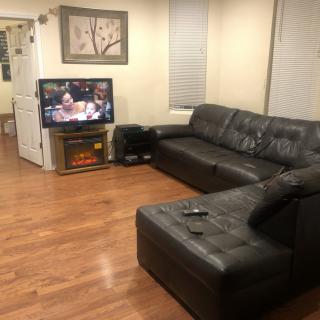
Mabel's House Assisted Living
$2,000 / month1.7 miles away -
About the same

Young at Heart Assisted Living
$2,000 to $2,500 / month19.3 miles away -
from -$300 / mo
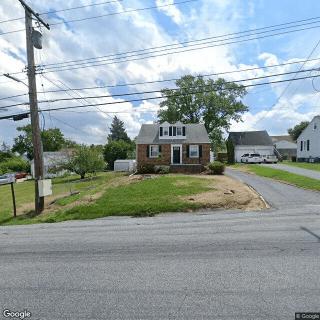
Moms & Pops Place
$1,700 to $2,000 / month7.7 miles away -
from +$85 / mo

The Willows at Victoria Falls
$2,085 / month22.0 miles away -
About the same
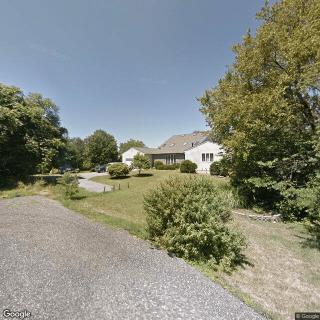
Pearls of Wisdom
$2,000 to $3,500 / month15.4 miles away
Overall Review of PJ's House of Care
Pros
 Patrick is praised for genuinely caring about his clients.
- PIOF Home Health Care Services is described as a Godsend during a time of dire need.
- The office manager is described as caring and thoughtful.
- Kelly is described as a wonderful caretaker who provided excellent care.
- The mother recovered quickly at home thanks to the care provided.
- PIOF Home Health Care would be the first phone call again if the need arises.
Cons
 He was described as cheap for not paying for insurance and for asking others to contribute to his body being sent back home.
- The business’s ethics were characterized as barely acceptable, with donations solicited in an inappropriate manner.
- The reviewer gave the agency one star, citing concerns about ethics.
Review
PJ's House of Care in Baltimore, MD is best suited for families seeking a small, owner-led environment where hands-on, personal attention from the operator is central. The most powerful draw in the available feedback is the sense that the owner truly cares about his clients and builds relationships with them. That kind of direct, approachable leadership can translate into responsive scheduling, flexibility on care plans, and a home-like atmosphere that many seniors value over a larger, impersonal facility. The upside is real for families who want to feel their loved one isn’t just another bed on a roster. The caveat is that ownership appears to be closely tied to day-to-day operations, and the stability of that model becomes a question once the leader is no longer at the helm.
That potential stability issue is the decisive factor for who should consider alternatives. The stark downside voiced in one review centers on ethics and fundraising, including an accusation that donations were solicited in ways that felt inappropriate or insufficiently transparent. When a family cannot be confident that financial practices are clear, predictable, and compliant, the risk of future friction or misunderstandings grows. For families needing strong governance, formal policies, and a clean, auditable financial framework, a larger operator with established procedures is often the safer path. PJ’s strength in personal touch may not compensate for governance or continuity concerns over the long term.
On the other hand, the strongest positives here, personal attention from an involved owner and a caregiver-forward culture, do, in practice, shift outcomes in meaningful ways. Reviews consistently point to a hands-on owner who cares about clients, a responsive office mindset, and staff who convey warmth and attentiveness. When care decisions are collaborative and the caregiver team feels empowered to tailor visits and routines, the senior experience becomes markedly more tolerable and even uplifting. Those benefits can offset some risk if the operation has a credible succession plan, clear owner involvement in ongoing decisions, and a documented approach to staffing continuity.
Yet the most substantial con for PJ’s remains the tension between intimate, owner-led service and the need for stable, long-range governance. Families should realistically weigh how much they value immediate, personalized engagement against the likelihood of leadership changes and the potential ripple effects on care coordination, billing, and policy enforcement. The possibility of abrupt shifts in how services are delivered or funded is not theoretical here; it is a real consideration that can color the future experience for a dependent adult. If comfort with that risk is low, alternatives with clearer corporate structures become more compelling.
Prospective residents and families can frame a practical decision path by testing the concept in real terms. Visit the facility, meet the administrator, and request a candid outline of who currently oversees daily operations and who would assume leadership if something happened to the owner. Ask for a transparent service agreement that details hours, staffing ratios, emergency backup coverage, and what happens to rates and contracts if ownership changes. Compare this with local options that offer formalized governance, or with at-home care providers that can deliver overnight nursing or 24/7 support in a living-at-home setting. The choice hinges on whether the intimate care philosophy and direct access to leadership outweigh the desire for a governance framework that feels more predictable and auditable.
In the end, PJ's House of Care can be a strong fit for families prioritizing a personal, relationship-driven care approach and who are comfortable with the potential for leadership transition. For those with strict requirements about governance, transparent pricing, and consistent continuity of care regardless of ownership, alternatives are worth pursuing. The decision should hinge on the family’s tolerance for risk, the specific care needs of the loved one (especially around overnight or 24/7 support), and the clarity of the facility’s current leadership and succession plan. A thoughtful comparison with established providers and at-home care options will reveal whether PJ's is the best match or if a more structured option better serves long-term peace of mind.
 Board and Care Home
 Activities off-site
 Bath tubs
 Devotional services off-site
 Indoor common areas
 Outdoor common areas
 Respite or short term stays offered
 Wheelchair accessible showers
 Baltimore-Washington International (12 miles away)
 Diabetic care
 High acuity care
 Incontinence care
 Meals provided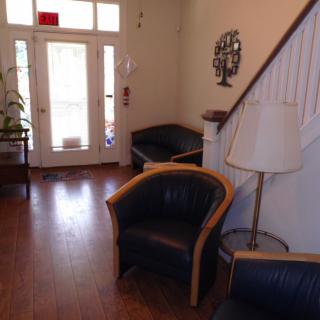



 6 Crucial Ways an Elder Law Attorney Assists Families
 Navigating the Tax Landscape of Caregiving: Credits, Deductions, and Beyond
 Highly Beneficial Low-Impact Exercises for Senior Living Residents